

Technical audit
At Wzór, a UX agency, you get a technical audit report on your application, with a verdict, a debt register and three development scenarios, and the changes that follow from it can be implemented by your own developers or by a vendor you choose. A product that can grow without a rewrite moves on to app modernisation, split into successive releases.







Challenges
What challenges does a technical audit help you solve?
Our approach
Before you sign the maintenance contract, we show you what nobody will maintain without its author: modules only one person understands, libraries past their end-of-support date and integrations with no documentation. The obligations then go into the contract instead of surfacing in month three.
Scope of services
Our approach
We separate three causes that look identical from the outside: an architecture that forces fixes in several places with every change, missing tests, and the release process itself. We measure them separately, on your deployments and tests, because each one costs something different to fix.
Scope of services
Our approach
Before anyone settles on rewriting everything, we check whether the problem sits in one or two areas that most changes pass through. We name them and price the fix, so the argument between the team and the board narrows from the whole product to a specific module.
Scope of services
Who it is for
Which companies do we run technical audits for?
Companies that outsourced their product
We assess applications a company commissioned from an outside vendor and develops without in-house developers. We write the findings so the product owner can follow them without an intermediary: what they actually received and where the vendor's responsibility ends.
SaaS companies with their own team
We work alongside teams that have been building their product for years and can no longer see it from a distance. We do not replace their judgement, we check it: our measurements go next to what the developers already suspect, and we show where the two agree.
Large companies with internal systems
We describe systems that have run a company's daily work for years and that only one person knows how to start, and we do it without judging their author. We set the order in which knowledge is handed over, so that this person leaving does not bring the company to a halt.
Investors and companies ahead of an acquisition
We prepare a technical picture of the product for parties to a transaction who know its market but have not seen its code. We write it for the investment committee, with a register of obligations and a two-year maintenance cost.
Start-ups past the first version of their product
We check products whose first version was built fast to test an idea and now has to carry a growing number of users. We tell you which shortcuts from that time will stop you scaling and which can wait for a later stage.
- E-commerce
- Software
- Banking & Finance
- Healthcare
- Energy
- Media
- Aerospace & Defense
- Automotive & Mobility
- Crypto & Blockchain
- Education
- Entertainment
- Fashion & Accessories
- Grocery Retail
- Gaming
- Public Sector
- Insurance
- Logistics & Fulfilment
- Industrial Manufacturing
- Pharma
- Real Estate
- Retail & FMCG
- Cybersecurity
- Services
- Sport
- Telecommunications
- Transport & Travel

Why us?
Why choose our UX agency?
-
Findings the board can read
We write the report on two levels at once: a summary the board will read, and detail your team can turn into a task list. Nobody has to translate the findings from developer language into budget language.
-
A predictable cost of debt
Every register entry gets an estimate of how many team days it consumes a year and what it holds up in your plans. You discuss the order of fixes in the same units as new features.
-
A recommendation with no stake in the rebuild
The verdict does not depend on whether we later get more work from you. If the measurements show the code is healthy and the problem lies in the process or in headcount, that is exactly what we write.
-
A senior team
A team of seniors that has been designing digital products for nine years, today for large organisations, SaaS companies and software houses, knows what a development team needs to keep building a product without guesswork.
-
Proven client trust
We have designed for 115 brands, and most of them come back to us with another project.
-
Higher quality with AI
AI tools comb through the measurement results, the change history and the dependency lists with us, so the conversations with your team focus on the areas that really deserve it. The findings in the report are better grounded as a result, not longer.
Process
How will we run your technical audit, step by step?
-
A conversation with your team
We agree which decision the audit has to support and what goes into it
First the business question the audit has to answer, and the date by which the board has to settle it. Then the boundaries of the assessment: the repositories, environments and integrations in scope, and the ones we deliberately leave alone. We take read-only access to the repository and the environments.
Key steps
- The decision question and when it has to be made
- The boundary of the scope: what we examine and what we leave alone
- Read access to the code, the test environment and performance data
- A list of the people responsible for each area
Deliverables
- Agreed audit scope
- List of required access
- List of people to talk to on your side
-
Code discovery and measurement
We learn how the product is built and measure it in action
We start with a map: modules, boundaries of responsibility, how data is stored and where the product touches external systems. Then we measure the product with real users and in the lab, and finally we talk to the people who maintain it day to day, because they know what everyone avoids in the code.
Key steps
- A map of the architecture, modules and integration points
- A dependency review with end-of-support dates and known vulnerabilities
- Repository history analysis: the files with the most traffic
- Performance measurements, the path of a change to production and interviews with the team
Deliverables
- Architecture and dependency map
- Performance measurement results
- List of the areas with the most traffic in the code
-
Verdict, debt register and scenarios
The measurements turn into three documents you can take to the board
The report opens with a one-sentence verdict, followed by the reasoning: the map, the dependencies, the areas with the most traffic and the measurement results. Alongside it sit the debt register as a spreadsheet and three scenarios, from building on the current code to moving the product to a new foundation, each with a two-year horizon, its risk and a list of what you will not do if you take it.
Key steps
- A one-sentence verdict on the first page of the report
- Each debt item priced in team days
- Three scenarios costed over two years
- A summary for the board and a technical part for the team
Deliverables
- Report with a verdict
- Debt register spreadsheet
- Three scenarios with their consequences
- Summary for the board
-
Decision session and hand-off
You choose the path at one table with the engineering team
We go through the findings in a two-hour session with the engineering team and whoever decides on the budget, because a recommendation read alone can be understood in two ways. You leave it with a chosen path, and the report and the debt register go to your team or to the vendor who will make the changes.
Key steps
- A session with the engineering team and the budget owner
- Choosing the scenario and the order of fixes
- Going through the register with the people who will make the changes
- Handing over the report, the register and the scenarios
Deliverables
- Chosen scenario
- Agreed order of fixes
- Debt register ready for quarterly planning
-
Repeat measurement
We return to the same metrics to see what the fixes achieved
Once the most important fixes are in, we measure the product the same way as the first time: performance for users, the time a change takes to reach production and the areas with the most traffic in the code. The comparison shows whether the debt is shrinking or just moving elsewhere.
Key steps
- The same set of measurements as the first time
- An item-by-item comparison of results
- An updated debt register
- A check that the chosen scenario still holds
Deliverables
- Comparison report
- Updated debt register
- Decision to keep or change the scenario
Methods and technologies
Metrics and methods we use in a technical audit
-
Core Web Vitals
We read Core Web Vitals from real-user data, not from a single run on the auditor's machine. A lab result can look fine while a phone on a weak signal still waits too long for the page.
-
Lighthouse
We run Lighthouse several times under the same conditions, because one run differs from the next even when the code has not changed. Only a repeatable result goes into the report, one you can compare after the fixes.
-
DORA metrics
We calculate DORA metrics from your deployment history instead of asking the team how things are going. They show how long a change takes to reach production and how often a deployment has to be rescued, which the code alone does not reveal.
-
ISO/IEC 25010
ISO/IEC 25010 gives a shared vocabulary for quality, but its nine characteristics do not weigh the same in every decision. We take from the model the ones the product's future depends on, above all maintainability and performance.
-
Repository history analysis
Repository history analysis shows which files carry most of your team's work. We focus the measurements and interviews on those areas, because that is where every further change costs the most.
-
Dependency review
A dependency review sets every library against its end-of-support date and its known vulnerabilities. You know in advance which upgrade is coming next year, instead of finding out during an outage.
Selected work
Our work
-

Grocery Retail
WygodnaDieta
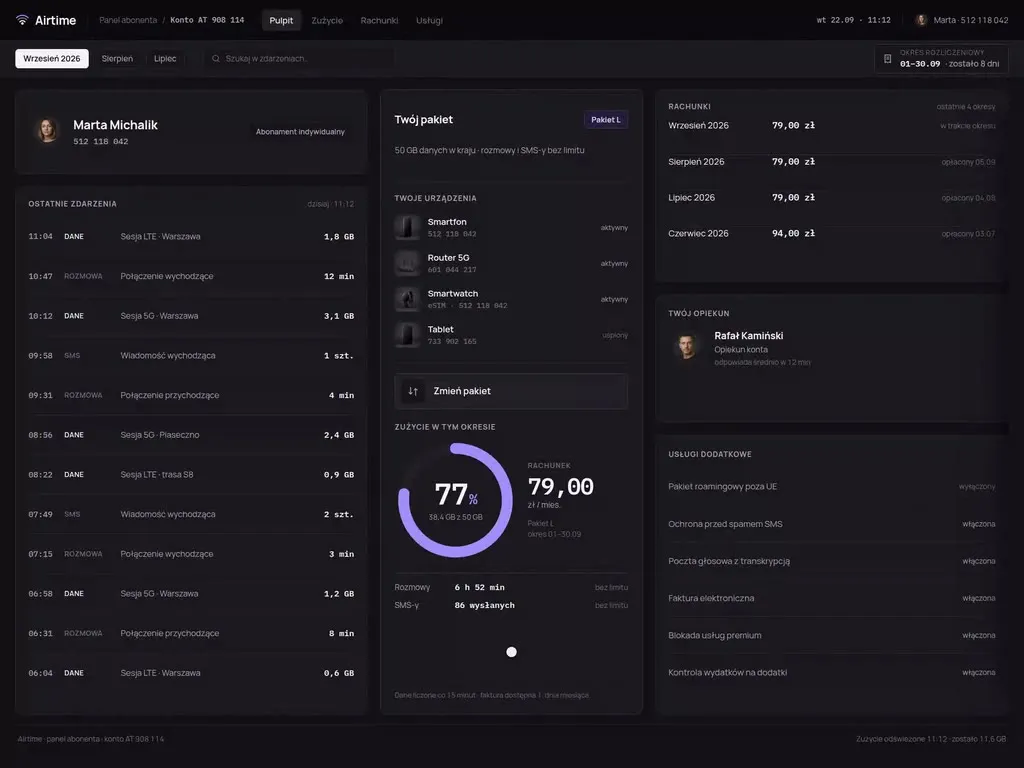
View projectThe WygodnaDieta.pl app and online store - a meal-box diet service with menu-choice diets, ready-made plans and gift vouchers. Diet selection and setup with a dietitian consultation, account management (delivery calendar, balance, notifications), picking add-ons for kids, and finalising an order with a choice of payment method (Blik, card, bank transfer, GooglePay), across mobile and web.
-
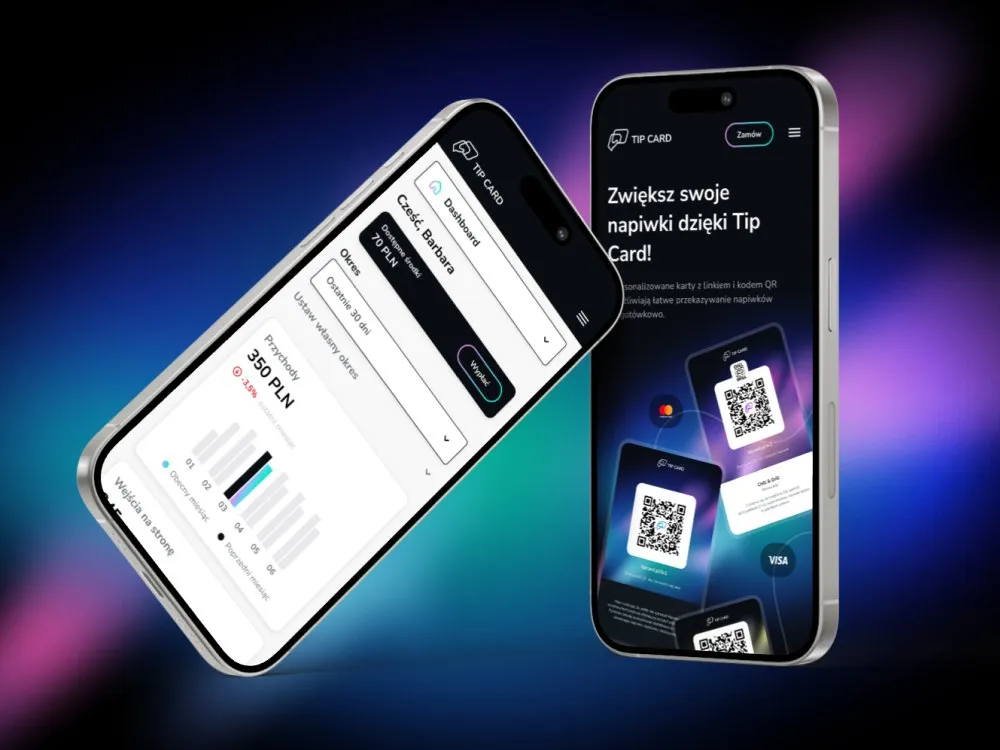
Banking & Finance
Tip Card
View projectTip Card - a cashless tipping platform based on personalised QR-code cards. A "Boost your tips with Tip Card!" landing page, a card store, sign-up and a client panel with earnings, transactions and payouts. A dark, colourful layout, desktop and mobile.
-
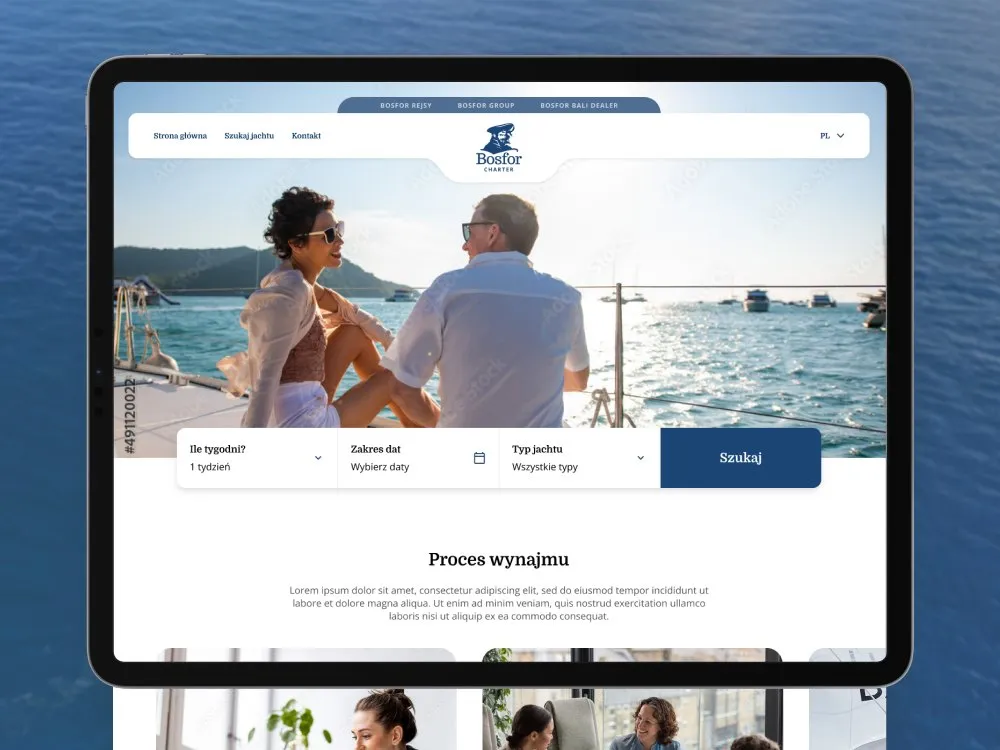
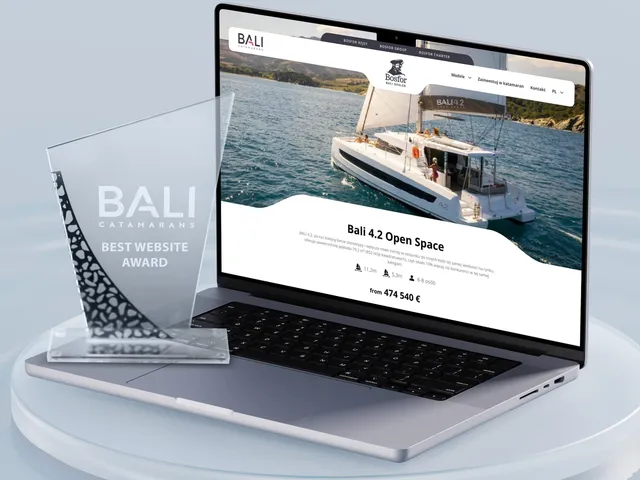
Bosfor Charter
Yacht charter platform with booking
-
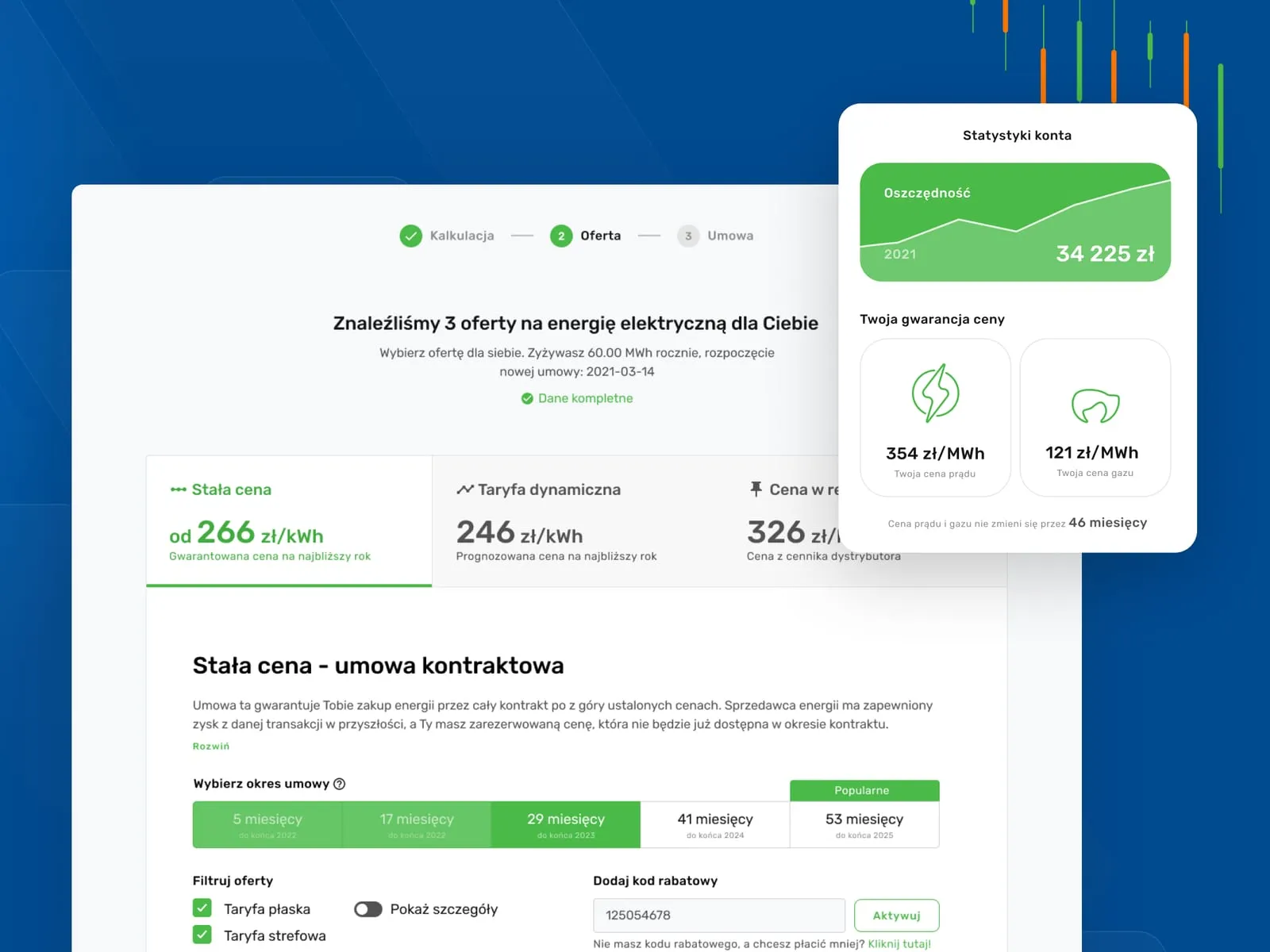
Wolumen
Energy and gas price comparison for businesses
-
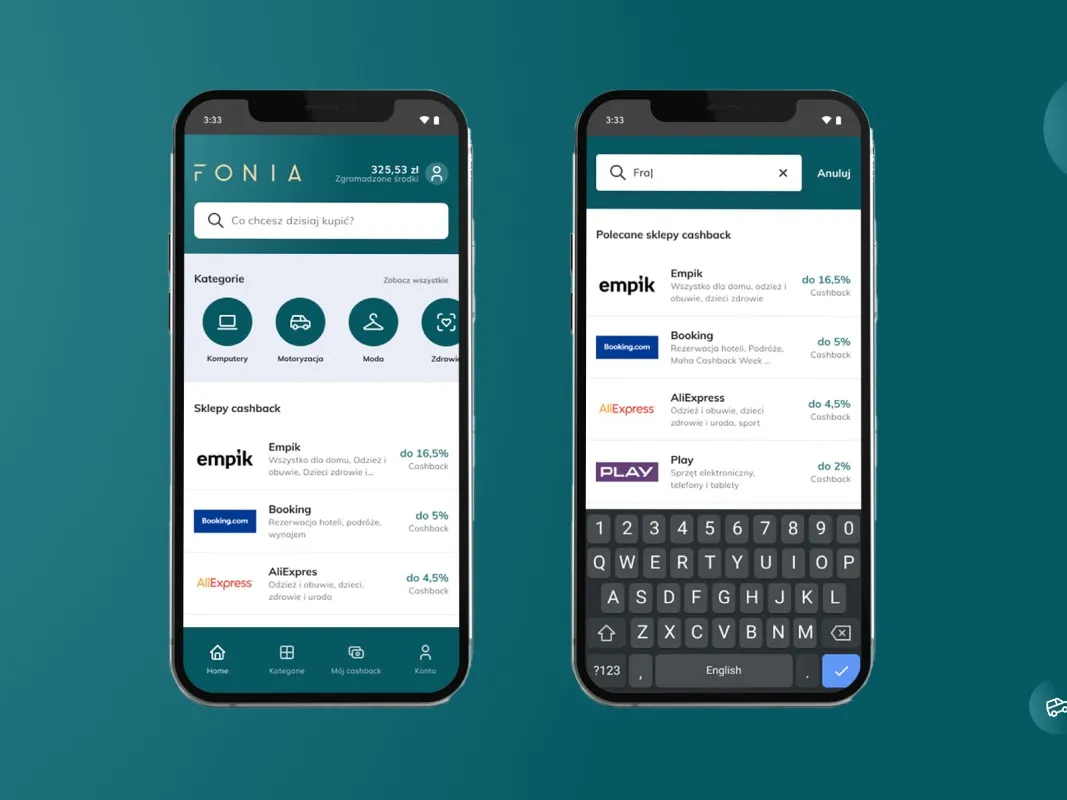
Fonia
A cashback app for online shoppers
-
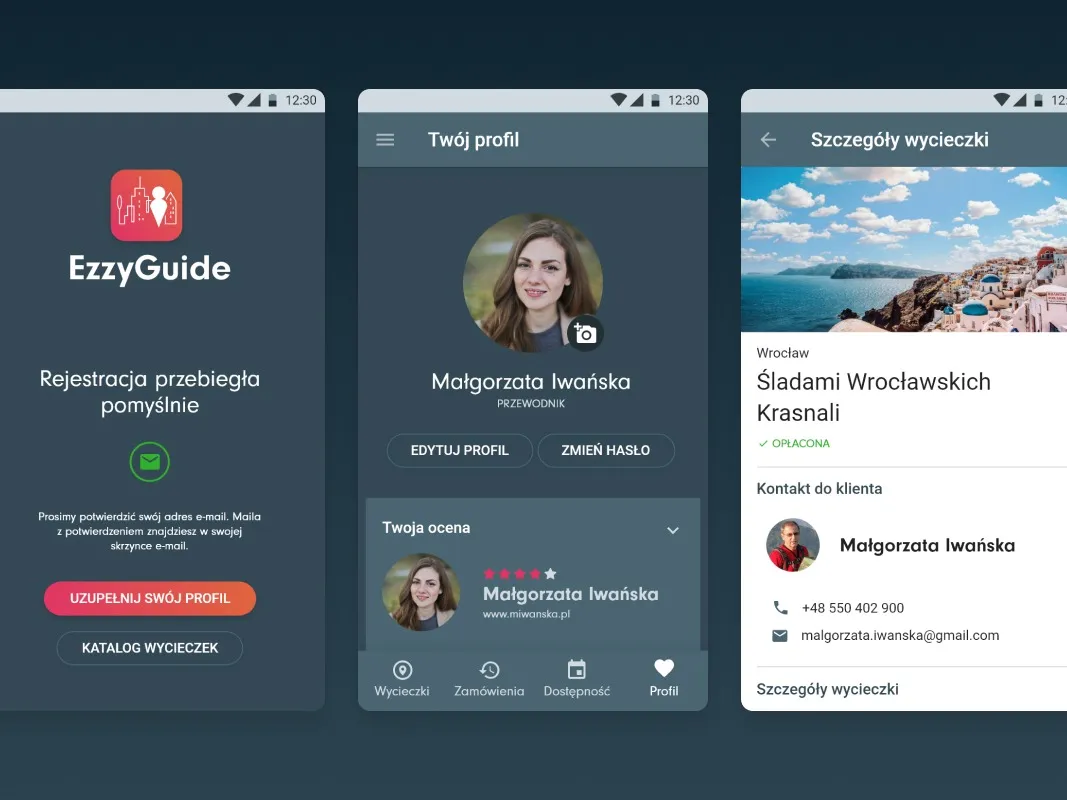
EzzyGuide
A tours app connecting guides with travellers
-
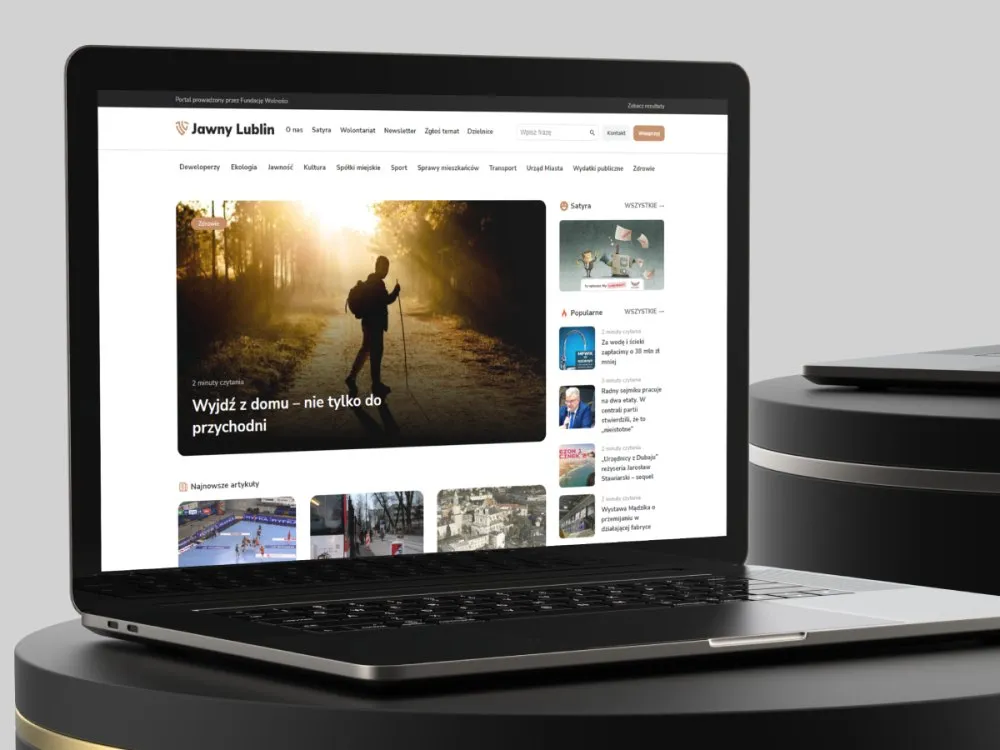
Jawny Lublin
A watchdog portal on city transparency
-
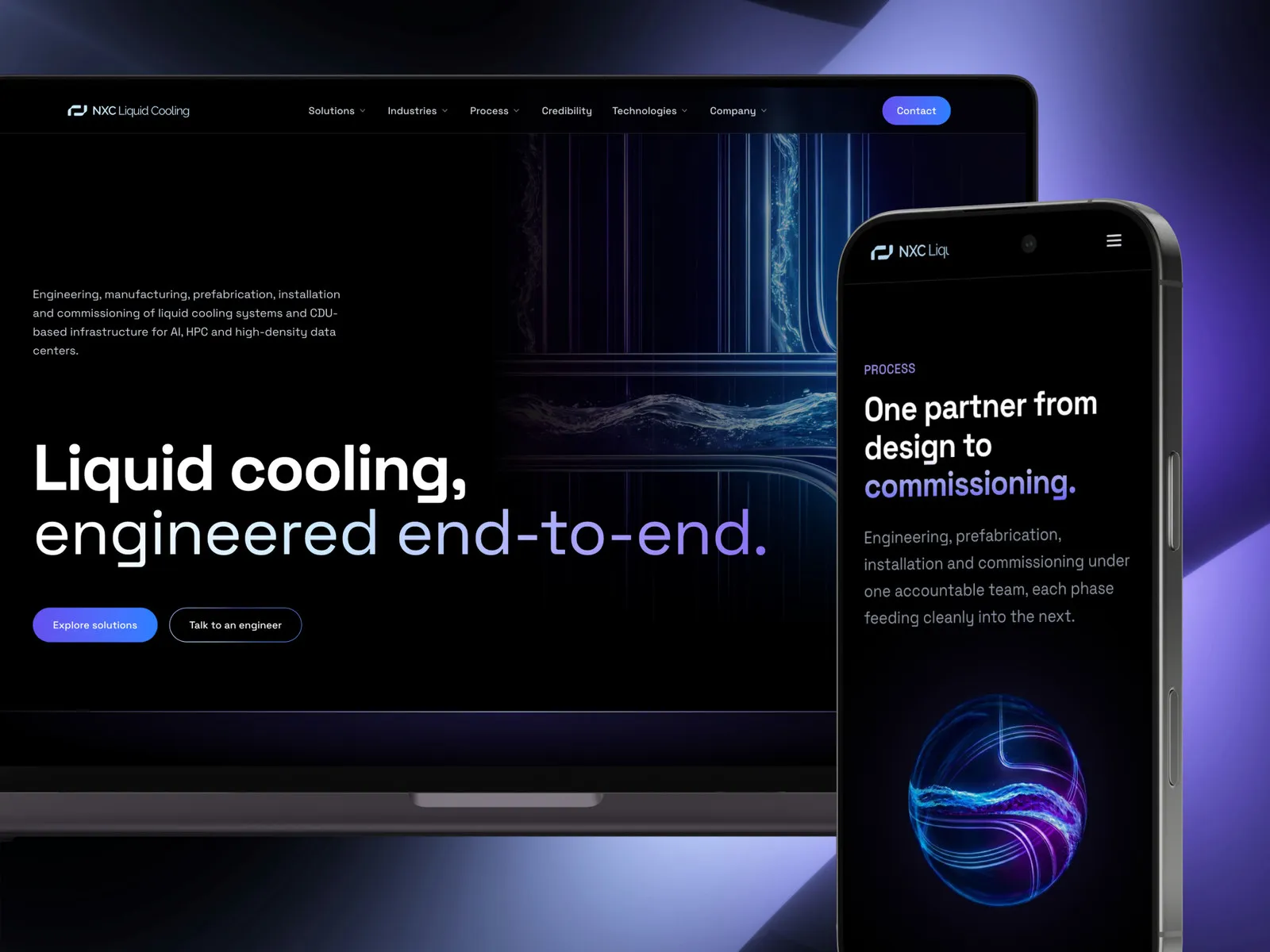
NXC Liquid Cooling
A liquid cooling systems website
-
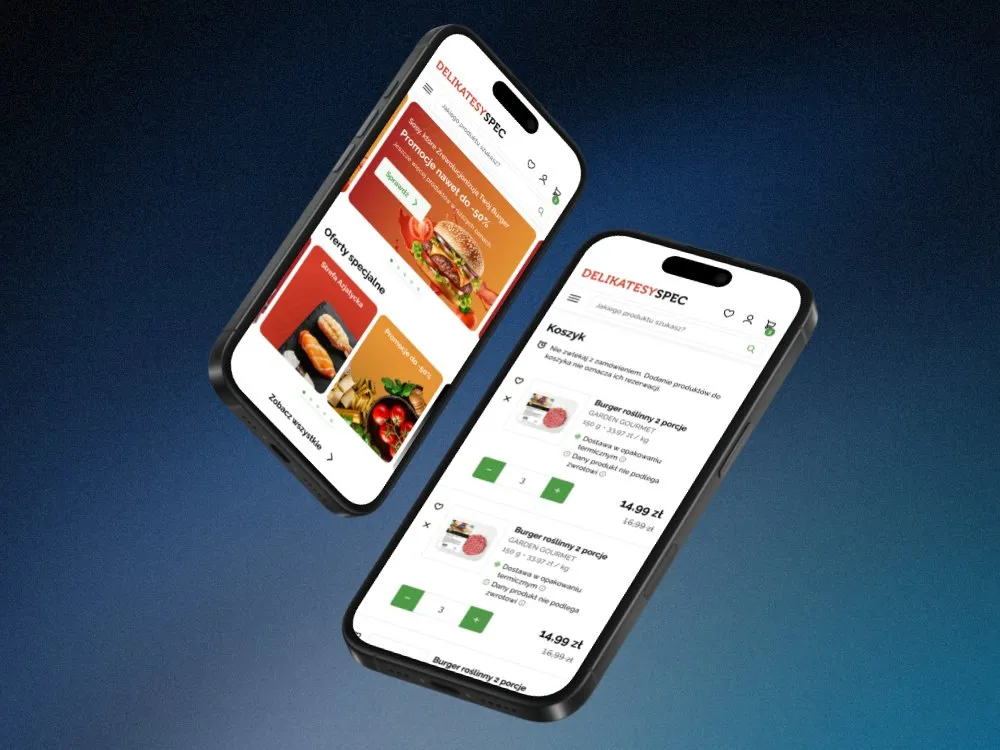
SPEC Food
Online store for a food delicatessen
- See what else we build Projects
Book a technical audit
Code, architecture and performance measured, ending in a single decision.
Client voices
What our clients say

“Working with the UX agency Wzór on the NXC Liquid Cooling website went remarkably smoothly and professionally. The team stands out for its excellent, partner-like approach and its flexibility at every stage of the work. A major advantage was designing directly in code, which significantly shortened the time to launch while ensuring excellent technical and visual quality of the site. The end result meets our expectations 100%. I wholeheartedly recommend Wzór as a reliable partner.”

“The site UX Agency Wzór built for us has been running fast and smoothly for several years now. Updating content is very simple, so we can keep people posted about upcoming events ourselves. The whole visual treatment matched our expectations, and the team advised us on the technical choices.”
 Kacper Maraszkiewicz Project Manager, EMBIQ

“UX Agency Wzór is a real treasure for us. From the very start, on every one of our UX/UI projects, we can count on their full commitment and professionalism. Their approach to design and to the way they work fits our needs perfectly - from thorough documentation to finished designs that are simply easy to implement. They have a great flow, so everything runs smoothly, and every project looks excellent and is thought through from the user’s side. We wholeheartedly recommend Wzór as a dependable partner for any software house!”
 Paweł Kowalski Managing Director, IBIF

“Working with UX Agency Wzór is a pure pleasure. From the very beginning we could count on their professionalism, creativity and flexible approach to every project. Both the documentation and the finished designs are prepared in a way that makes implementation easy and delivers an excellent user experience. Wzór’s working flow keeps the process smooth, and the end results always exceed our expectations. We warmly recommend UX Agency Wzór.”





























The team
Who will run your technical audit?
-

Aleksandra Bondar
Senior UX/UI Designer
View profileHow can I help you?
“I will go through the key paths on phone and desktop and show where problems in the code are already visible to your users.”
-

Katarzyna Adamczuk
Prezes, Analityk Biznesowy
View profileHow can I help you?
“I will translate the debt register into costs and risks for your plans, so the board knows what to fund first.”
-
Patryk Korycki
CEO, Analityk Biznesowy
View profileHow can I help you?
“I will agree with you the question the audit has to answer and, at the end, run the session where you choose a scenario.”
FAQ
Frequently asked questions about technical audits
What is a technical audit of an application?
A technical audit of an application is an assessment of the state of a live product's code, architecture and performance that tells you whether you can keep building on it and what that will cost in team time. The report ends with a verdict on what to do with the product next, not just a list of remarks.
How long does a technical audit take?
A technical audit of one product in one repository takes 2 weeks from the moment we get access. Several services, a native app alongside the web version or missing documentation push the deadline further out, and we confirm the exact time after the first call, once we know the scope.
Is a technical audit the same as a source code audit?
A technical audit is not the same as a source code audit: it does not grade individual lines of code, it tells you what to do with the product next. It rests on performance measurements for users, the change history in the repository, the path a change takes to production and the state of the dependencies.
Does a technical audit cover application security?
A technical audit covers obvious security neglect, but it does not replace penetration testing. We check for libraries with known vulnerabilities, secrets stored in the repository and missing access control in visible places, and when you need a full attack-resistance test we point you to a team that does nothing else.
Do we have to share our code for a technical audit?
A full technical audit needs read access to the repository and a test environment. Without the code we can only examine what is visible from outside, meaning performance for users, the APIs and the release path, and we then speak about the architecture from circumstantial evidence.
Does a technical audit cover a mobile app?
A technical audit covers a mobile app when it belongs to the same product as the web version and the data layer. Each platform is a separate repository to examine, so we set the deadline once we know how many repositories are in scope.
Does a technical audit commit us to further work with you?
A technical audit does not commit you to further work, and the changes are made by whoever you choose: your team or an outside vendor. We write the debt register so that any development team can work from it without us.
How is a technical audit different from a UX audit?
A technical audit assesses whether the product can carry further development, while a UX audit checks whether users reach their goal in it. The first looks from the side of the repository, the architecture and the measurements, the second from the screen, and one problem can show up in both: a slow product list is at once an abandoned path and a query against an unindexed table.
Can you assess a software house's proposal before we sign?
We assess a software house's proposal before you sign, but it is a shorter piece of work than a technical audit of a live product. We check whether the proposed technologies fit the scale and pace of change you are planning, where the proposal is silent on maintenance costs and what is worth asking the vendor.
Related services
Services related to a technical audit
You can see the problem is on the screen, not in the code.
We will find where users lose their way, through an expert review or by talking to them.
You already know which modules need replacing.
We will design a new interface for the modules being replaced, or the whole system from scratch around your process.
All you have so far is a plan or a vendor's proposal.
We will talk through the assumptions or map out the scope of the first version with you.