

Custom software
At Wzór, a UX agency, you get an interactive design and a specification of your custom software, which can then be built by a technology partner we select or by your own development team. Among others, we designed the Wolumen, Tip Card and Bosfor Charter systems. Systems that run in the browser are built under our web app development service.







Challenges
What challenges do we help with when you build custom software?
Our approach
We describe the scope of the first release in screens and acceptance criteria, and only that list goes to vendors for pricing. You then compare their offers item by item.
Scope of services
Our approach
From the first commit the code goes into a repository on your account, and the process map, the specification and the component library pass to you together with the system. We write them for a team that has never seen the project, so the next vendor can take the system over from the documents alone, without us.
Scope of services
Our approach
We hand the prototype to the people who will work in the system during the design stage and test it with them on their real cases. We look for the moment someone would reach for the spreadsheet, and we rework the screen until the spreadsheet is no longer faster.
Scope of services
Who it is for
Which companies do we design custom software for?
Customer panels and portals
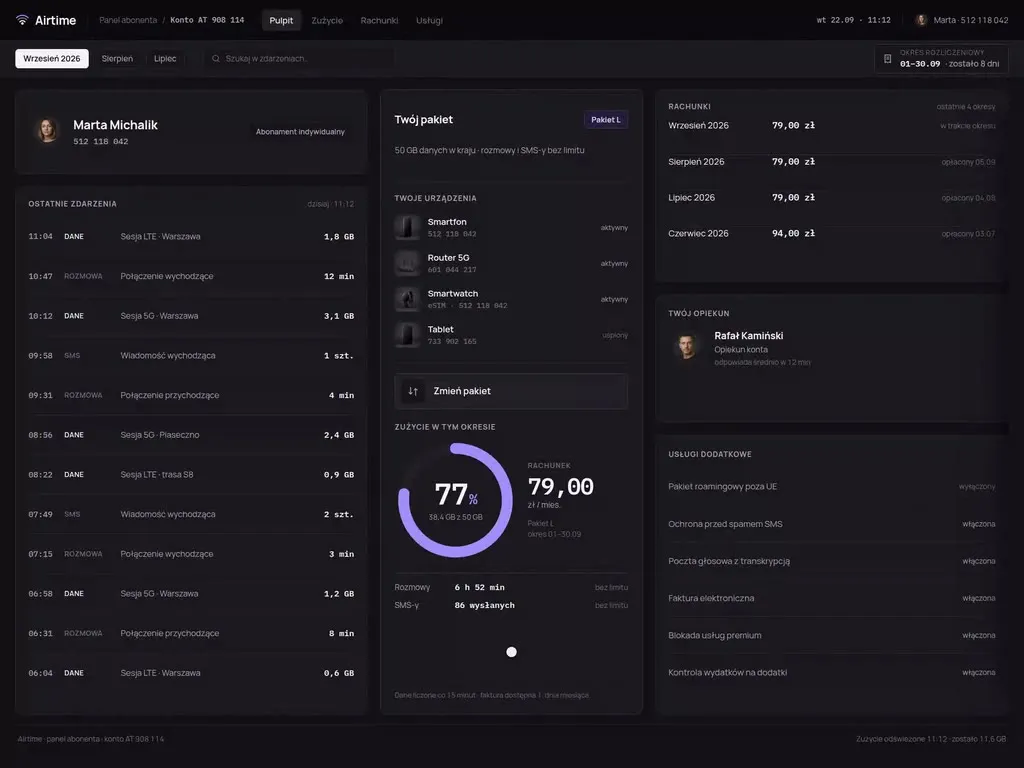
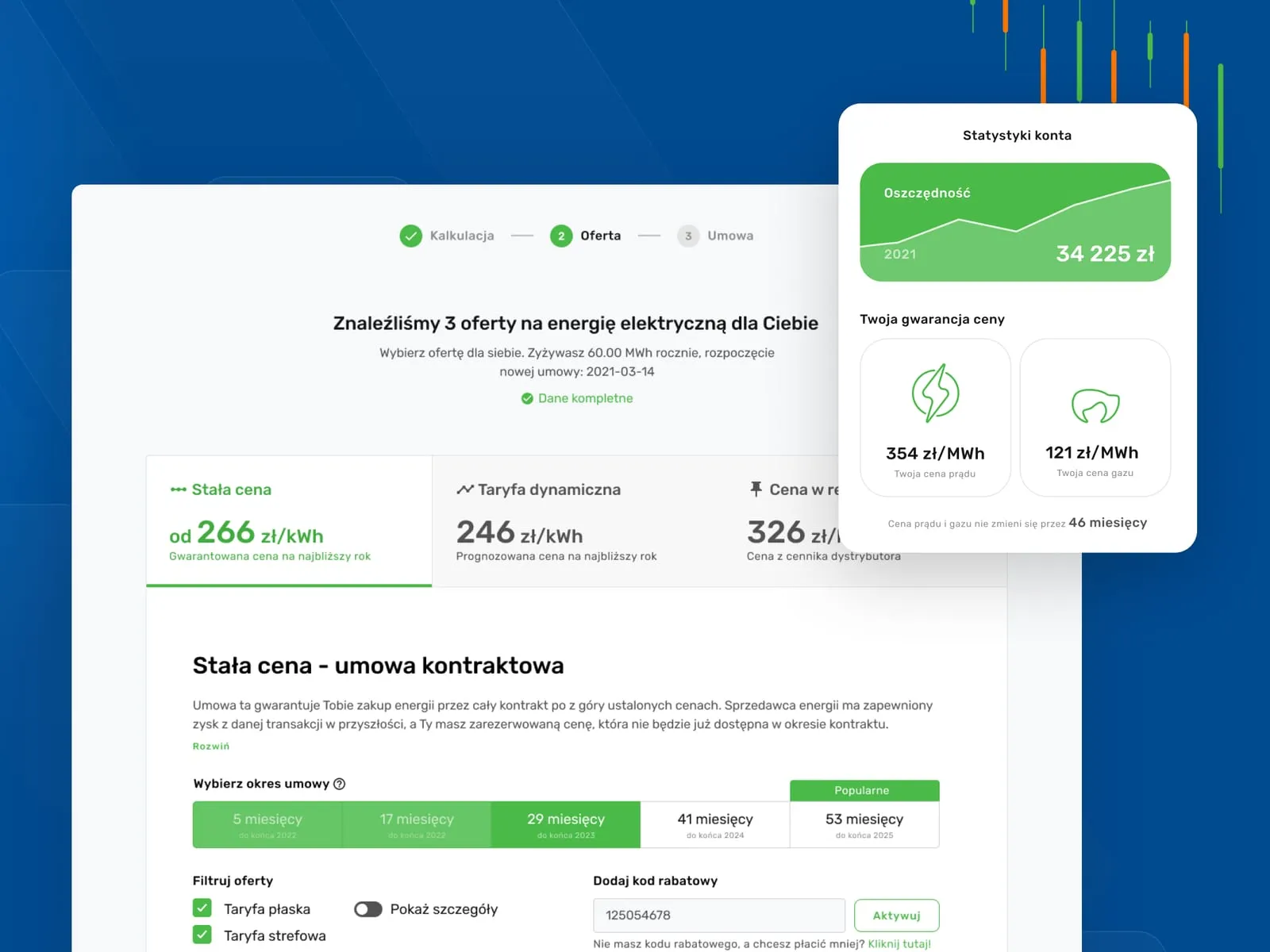
For the Wolumen energy price comparison and the Tip Card tipping platform we designed panels where a company's customers calculate, book and settle up on their own instead of calling customer service. A panel like that only works if customers finish their business in it without help. So we turned the Wolumen form, which had more than a hundred fields, into a path from calculation to locking in a price.
Service booking platforms
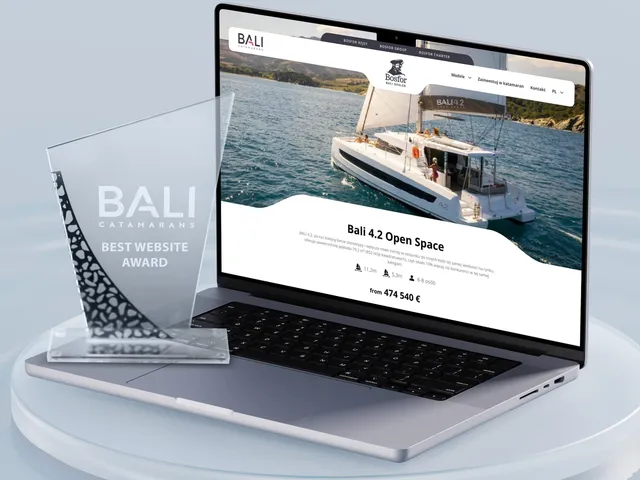
On a booking platform the customer picks a date and the other side makes it available, as in two platforms we designed: Bosfor Charter for yacht charter, and EzzyGuide, where the mountain guide and the tourist each have their own account. A booking here is a promise made on someone else's behalf, so we design it together with what the other side sees: availability, confirmation and rescheduling.
Systems for your own team
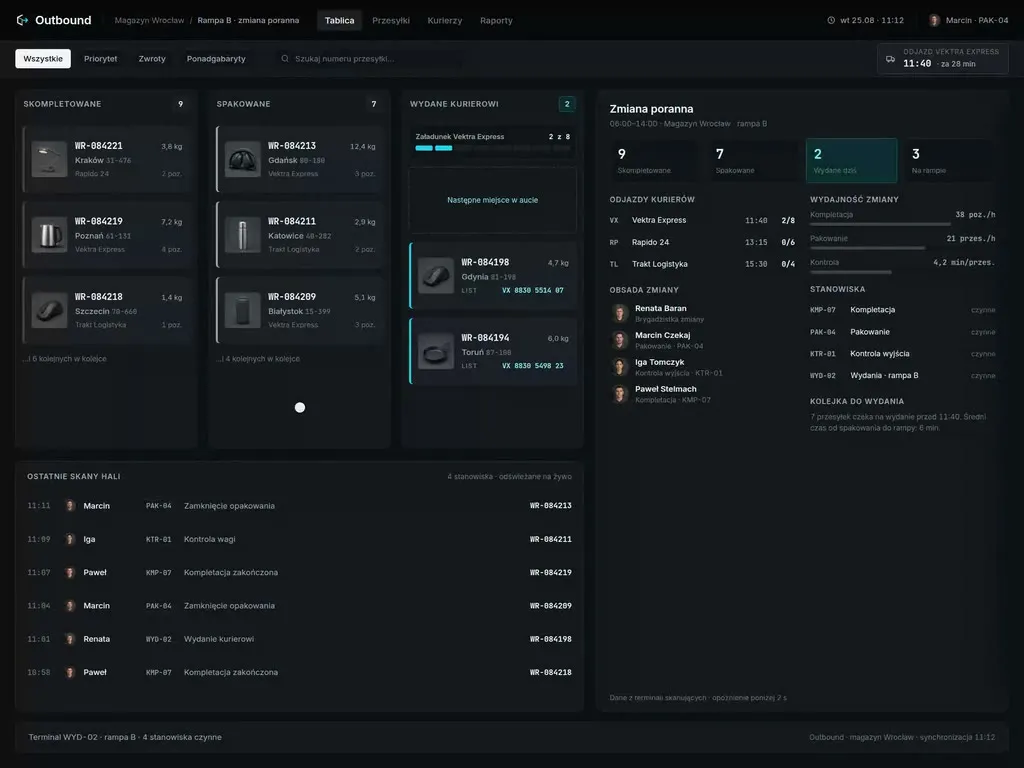
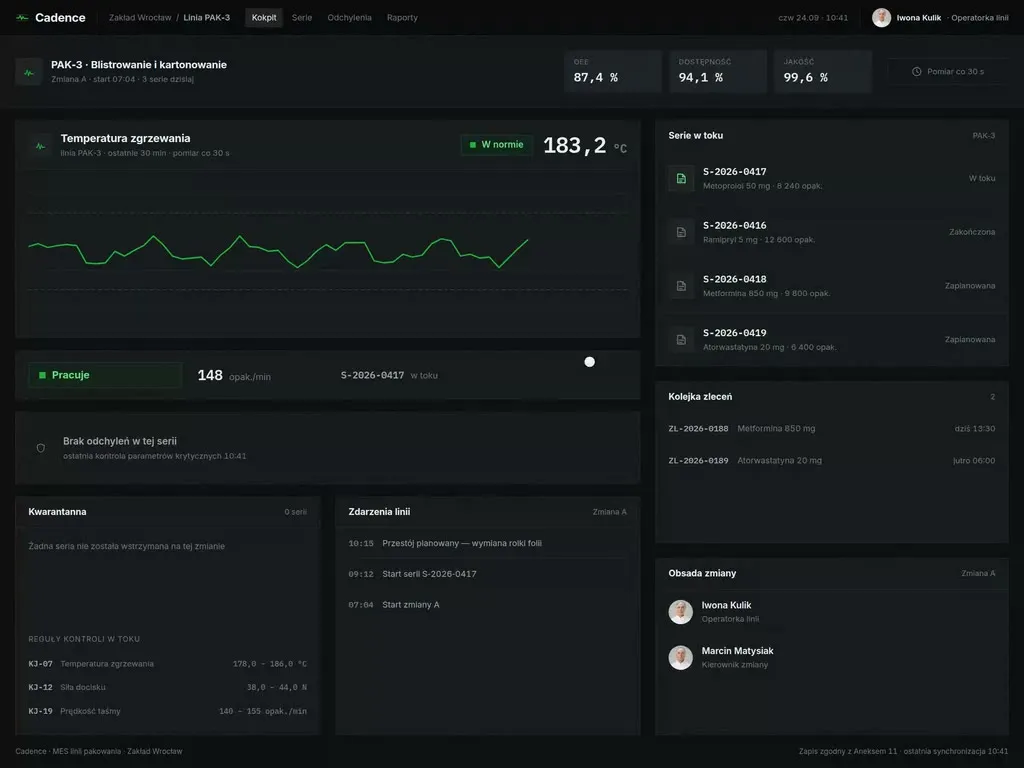
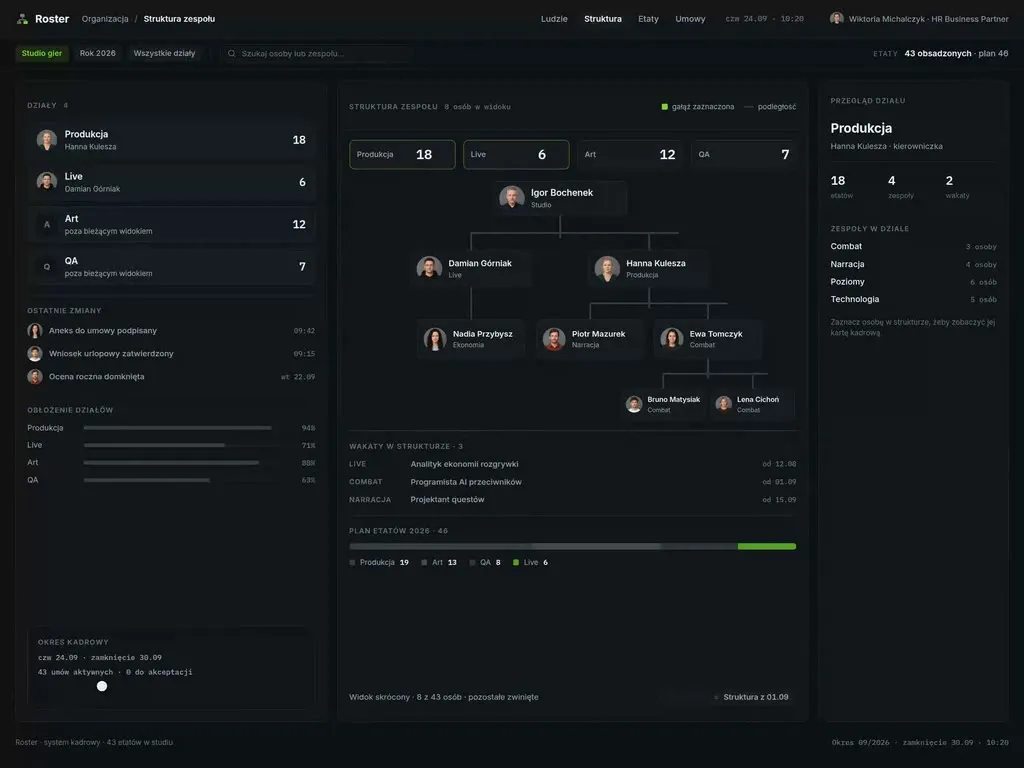
We design systems a team spends the whole day in, used by several roles at once. We start the design with the views people spend the most time in: filtered lists, forms and detail views.
SaaS products
With SaaS products the customer pays a subscription just to use the system, so the interface is what they are buying, and every unclear field comes back as a support ticket. We lay out the views for the roles in the customer's company: the administrator who sets up accounts, and the person who works in the system every day.
Partner portals
For distributors, service shops and franchisees we design portals where they order and check their accounts with your company, built around the few tasks they handle most often. A partner always has the sales rep's number at hand, and the portal has to get the job done faster than that call.
- E-commerce
- Software
- Banking & Finance
- Healthcare
- Energy
- Media
- Aerospace & Defense
- Automotive & Mobility
- Crypto & Blockchain
- Education
- Entertainment
- Fashion & Accessories
- Grocery Retail
- Gaming
- Public Sector
- Insurance
- Logistics & Fulfilment
- Industrial Manufacturing
- Pharma
- Real Estate
- Retail & FMCG
- Cybersecurity
- Services
- Sport
- Telecommunications
- Transport & Travel

Why us?
Why choose our UX agency?
-
Predictable release acceptance
We accept every release with you against the specification, whoever signed the contract for the code with you. The specification and acceptance criteria are the same under either contract, so a scope dispute is settled by what is written, not by memories of meetings.
-
Value before the project ends
We split the work into releases, and the first one goes into use before the project ends. Your company uses the system sooner than one big launch would allow.
-
Less code to maintain
First we check what a tool you already have, or a no-code build, can handle. Only what they cannot carry is left to write, and a feature that does not exist never needs yearly maintenance.
-
A senior team
A team of seniors that has been designing interfaces for nine years, today for large organisations, SaaS companies and software houses, including the Wolumen and Tip Card systems, hands developers a design they can work from without chasing answers.
-
Proven client trust
We have designed for 115 brands, and most of them come back to us with another project.
-
Higher quality with AI
AI tools help us cover more edge cases in the specification than we could list by hand: empty fields, reversed decisions, two people editing the same order. The vendor is left with fewer questions to settle mid-build.
Process
How will we run your custom software project, step by step?
-
A conversation with your team
We agree which process the system takes over and what goes into the first release
Together we set the business goal and the boundary of the system: which process it has to handle, who will work in it and what can wait for later releases. Everything after depends on that boundary, including who we invite to the workshops.
Key steps
- The business goal and how to check the system meets it
- A list of the roles that will work in the system
- The boundary of the first release
- A list of the tools the system has to work with
Deliverables
- Agreed goals and measures
- List of roles and workshop participants
- Draft scope of the first release
-
Workshops and process map
We write down how the work really flows, including the rules nobody recorded
We meet people from different roles: the one who opens a case, the one who approves it and the one where it most often gets stuck. Those conversations produce a process map, a list of rules and a description of every integration, with the data direction and an owner on your side.
Key steps
- Workshops with people from every role
- A process map in BPMN 2.0 notation
- A list of rules and exceptions
- A description of integrations with systems already running
Deliverables
- Process map
- List of business rules
- Integration map
-
Interactive design and specification
We design screens for every role and write down how the system should behave
We design screens for every role on the process map, and for each one we add who sees it, what they can change on it and what happens in the edge cases. We assemble the whole thing from a component library the vendor then works with.
Key steps
- Views for every role, starting with the most used
- Prototype testing with the people who will work in the system
- A permission matrix: who sees, who changes
- Acceptance criteria for every screen
Deliverables
- Interactive design of every view
- Build-ready specification with acceptance criteria
- Permission matrix
- Component library
-
Build with a partner or with your team
The vendor builds to the specification, and we accept each release with you
We choose the vendor to suit the technology and the size of the system, and if you have your own developers, we work with them from the same specification. We plan the move of data from your current spreadsheets and tools together with the vendor, so that on launch day the team opens its own cases in the new system.
Key steps
- Choosing a technology partner or working with your developers
- Quotes against one specification
- Accepting every release on the test environment
- A plan for moving data from your current tools
Deliverables
- Chosen vendor
- Release acceptance records
- System in production
-
The first weeks on live data
We stay with the team as the system meets real work
After launch, cases turn up that the design could not show: old data in an odd format, an exception nobody mentioned at the workshops, a role missing one filter. We gather them in one place and decide with you what to fix now and what goes into the next release.
Key steps
- Staying with the team through the first weeks of work
- One list of issues from work on live data
- A decision on every issue: fix now or in the next release
- A plan for the next releases
Deliverables
- Issue list with decisions
- Specification updates
- Plan for the next releases
Methods and technologies
Methods and tools we use for custom software
-
BPMN 2.0
We draw the process map in BPMN 2.0, because both the board and a developer can read this notation. The diagram shows the path a case takes but does not explain the exceptions, so we write the unrecorded rules next to it in plain language.
-

Figma
We draw wireframes in Figma and hand the design over to the vendor's developers. A file quickly piles up versions, so we mark finished screens as ready for development and make sure developers build from one current version.
-
Interactive design
An interactive design is built in code, so it behaves like the finished system: fields validate data and each role sees its own screens. We catch a logic mistake in it while fixing it still costs no rebuild.
-
Acceptance criteria
We write acceptance criteria for every screen in one pattern: situation, action, expected result. With them, everyone who accepts a release checks the same things in the same order.
-
Permission matrix
A permission matrix sets every screen against every role and shows who can see it and who can change something on it. We settle access questions in that table with you, so a developer does not have to settle them in the code their own way.
-
Design system
We build the design system from components whose names, states and usage rules are shared by designer and developer. A view added a year after launch looks and works like the first ones, because it is made from the same parts.
Selected work
Custom software projects we have designed
-
Energy
Wolumen
View projectA service comparing energy and gas offers for businesses - a savings calculator, a fixed-price guarantee for the years ahead and a client panel that summarises the bills. One coherent system across desktop and mobile, with a clear path from calculation to locking in a price.
-
Banking & Finance
Tip Card
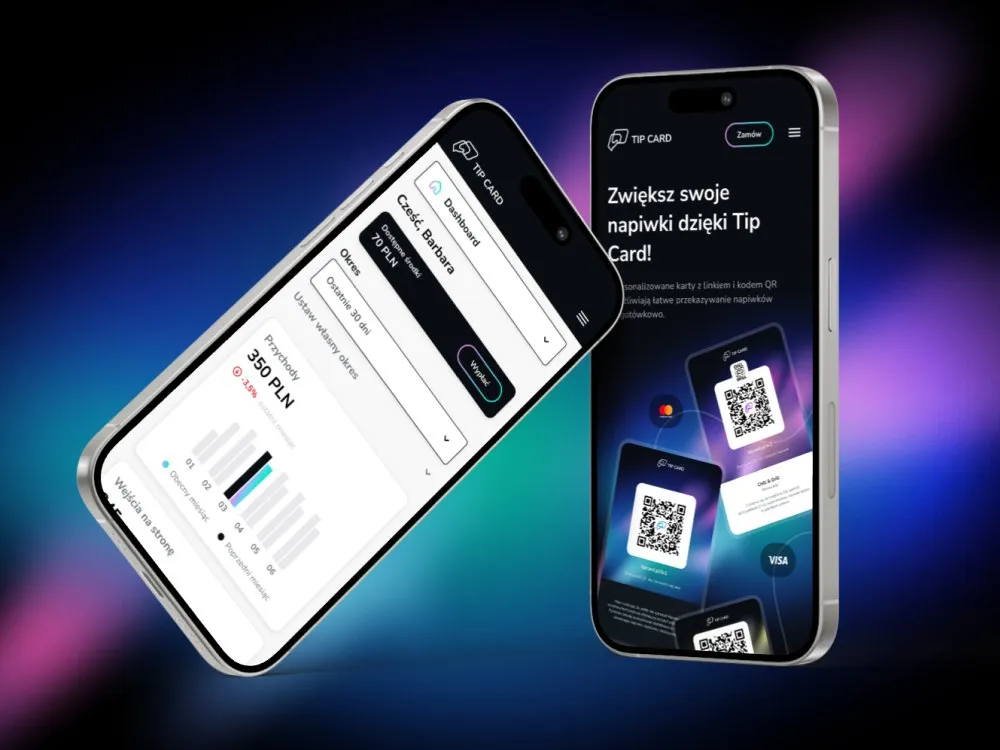
View projectTip Card - a cashless tipping platform based on personalised QR-code cards. A "Boost your tips with Tip Card!" landing page, a card store, sign-up and a client panel with earnings, transactions and payouts. A dark, colourful layout, desktop and mobile.
-
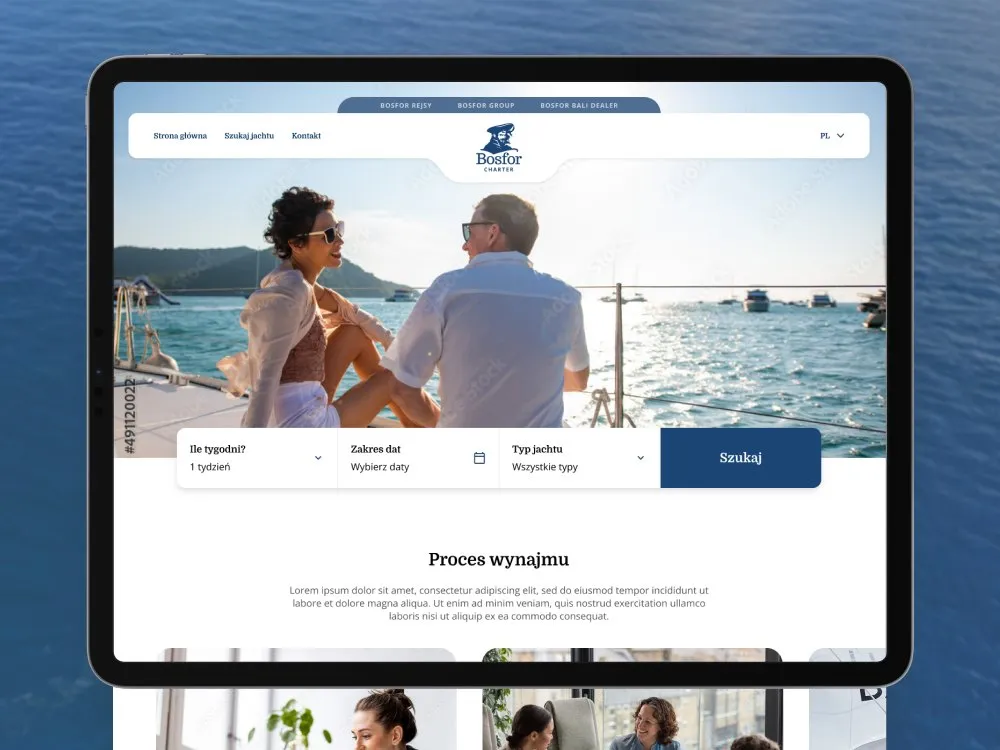
Bosfor Charter
Yacht charter platform with booking
-
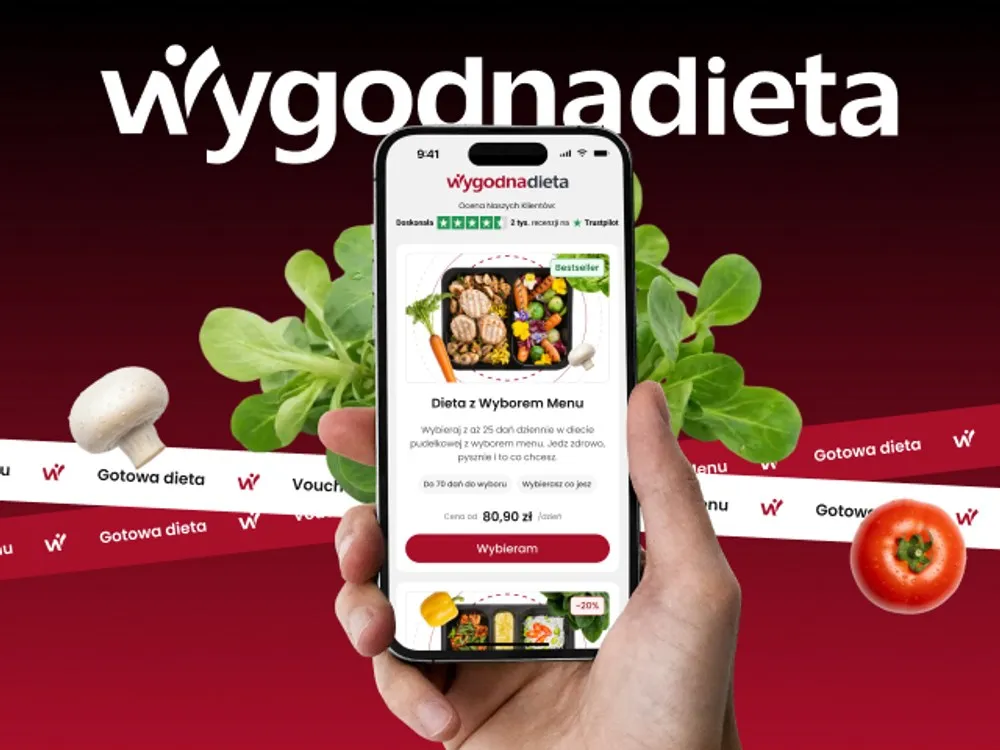
WygodnaDieta
App and online store for a meal-box diet service
-
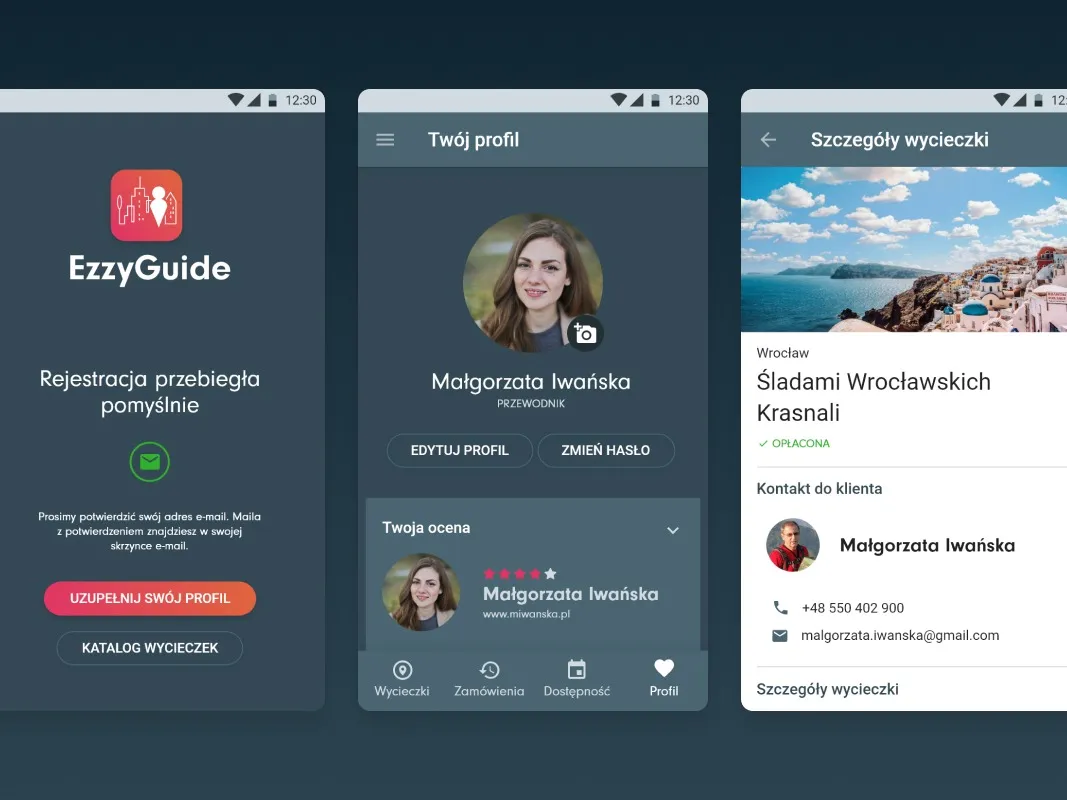
EzzyGuide
A tours app connecting guides with travellers
-
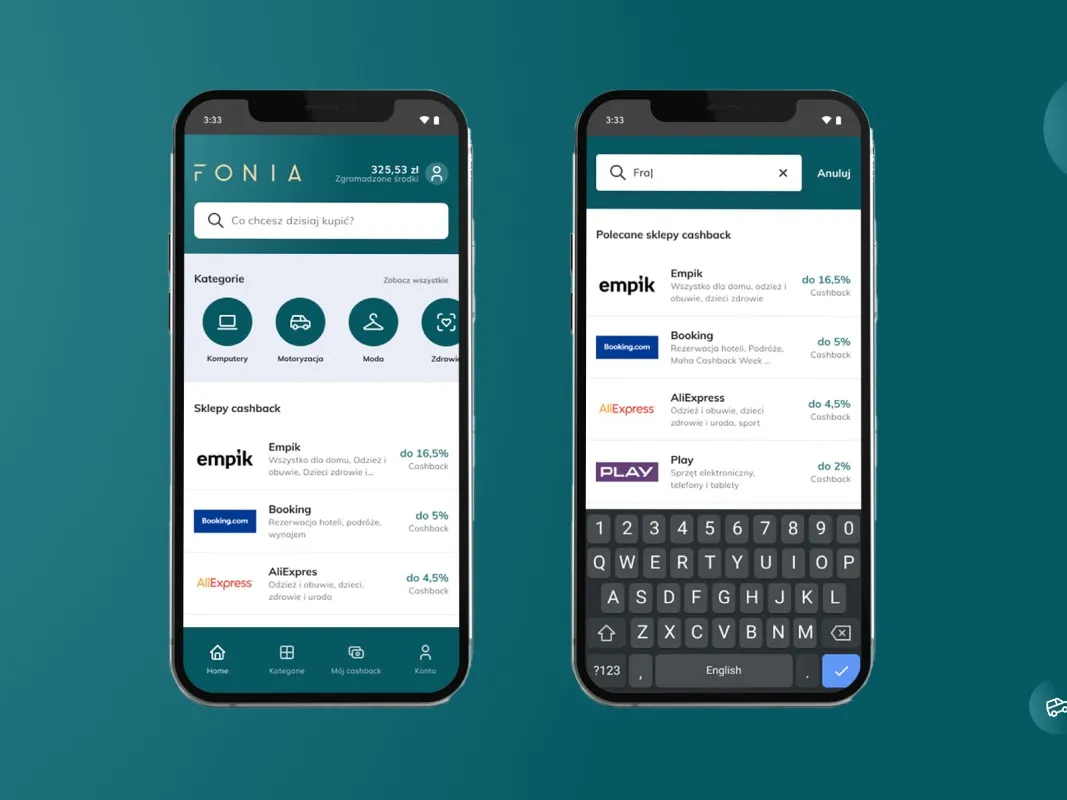
Fonia
A cashback app for online shoppers
-
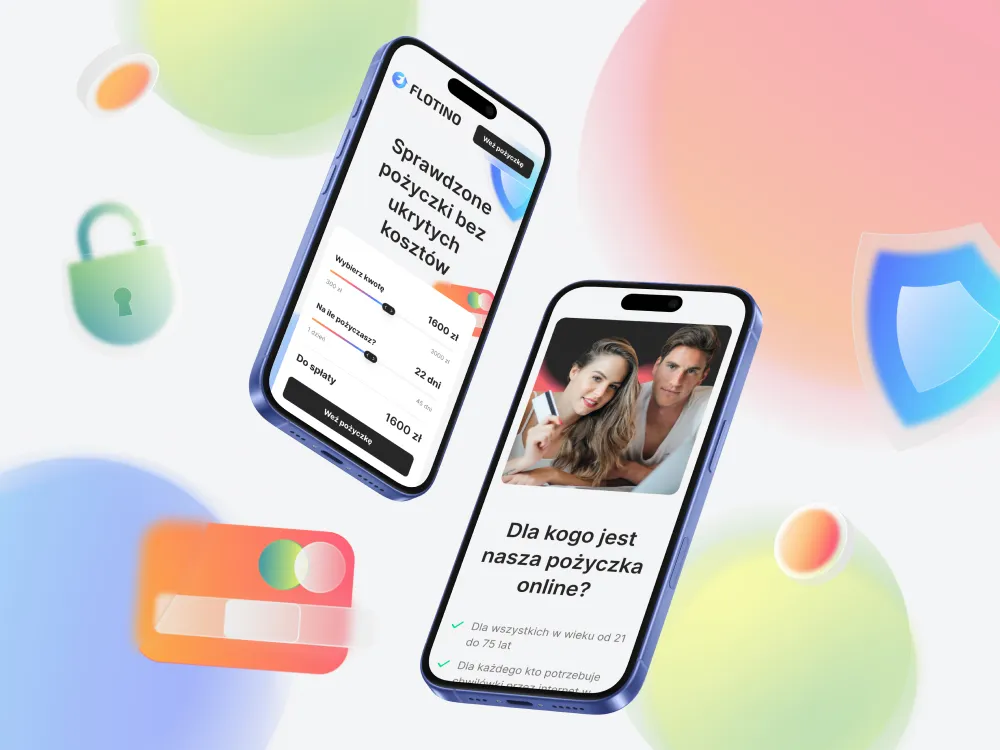
Flotino
Online cash loan service
- See what else we build Projects
Commission custom software
Process, design and specification from us, and oversight on your side during the build.
Client voices
What our clients say
 Jonasz Więcławski Chief Executive Officer, Wolumen

“UX Agency Wzór advised us to develop a design system, which in the end made working on our brand much easier. We have ready-made elements to combine, and our image has become even more consistent. The calculator on our site is more convenient for users and looks much better. I recommend working with this collective.”
 Kacper Maraszkiewicz Project Manager, EMBIQ

“UX Agency Wzór is a real treasure for us. From the very start, on every one of our UX/UI projects, we can count on their full commitment and professionalism. Their approach to design and to the way they work fits our needs perfectly - from thorough documentation to finished designs that are simply easy to implement. They have a great flow, so everything runs smoothly, and every project looks excellent and is thought through from the user’s side. We wholeheartedly recommend Wzór as a dependable partner for any software house!”
 Paweł Kowalski Managing Director, IBIF

“Working with UX Agency Wzór is a pure pleasure. From the very beginning we could count on their professionalism, creativity and flexible approach to every project. Both the documentation and the finished designs are prepared in a way that makes implementation easy and delivers an excellent user experience. Wzór’s working flow keeps the process smooth, and the end results always exceed our expectations. We warmly recommend UX Agency Wzór.”
 Mateusz Swół Chief Operating Officer, Sellace

“Our cooperation with UX Agency Wzór started with our own website. We really liked the way they work, so we decided to subcontract projects for our clients to them on a White Label basis. We loved their workflow, the way they hand projects over to our team, their documentation and their work on the design system. Now we can take on bigger risks.”



























The team
Who will design your custom software?
-

Aleksandra Bondar
Senior UX/UI Designer
View profileHow can I help you?
“I will design the screens for every role in your system, and during the build I will check that the developers made them the way the design shows.”
-

Katarzyna Adamczuk
Prezes, Analityk Biznesowy
View profileHow can I help you?
“I will write down with you the rules your team works by today and turn them into the scope of the first release.”
-
Patryk Korycki
CEO, Analityk Biznesowy
View profileHow can I help you?
“I will agree the budget and the order of releases with you, and then make sure the build sticks to that plan.”
FAQ
Frequently asked questions about custom software
What is custom software?
Custom software is a system designed and written to order for one company, around its processes, roles and tools, instead of an off-the-shelf program bought on subscription. With us it starts with a process map and an interactive design, and the code is written by a technology partner or your own development team.
When does custom software pay off better than an off-the-shelf system?
Custom software pays off when your process does not fit an off-the-shelf tool and the team wraps that tool in spreadsheets and manual re-keying. If the process can be described in standard terms, such as a simple CRM, document flow or bookings, configuring a tool you already have will cost less, and we say so at the workshops.
How long does it take to build custom software?
The first release of custom software takes roughly 12-20 weeks, from the workshops to going live. More roles and processes in the first release, the number of integrations with tools already running and the amount of data to move all lengthen it, so we confirm the exact date once we know the scope.
Who writes the code for custom software?
The code for custom software is written by a technology partner we match to the technology and scale of the system, or by your own development team. We are a UX agency: process analysis, the interactive design, the specification and oversight of how closely the build follows the design are on our side. You sign the contract directly with the vendor or with us as the general contractor.
Who owns the copyright in custom-made software?
Under Polish copyright law, the economic rights in custom-made software belong to its author or the author's employer until a written contract transfers them to you, and only for the fields of use that contract lists. So what you actually get is decided by the contract with the vendor, and in our projects the code repository sits on your account from the start.
Will custom software connect to the systems we already use?
Custom software connects to the ERP, CRM, accounting and other tools already running in your company, and we describe every such integration before the screens are designed. The description says what data flows, in which direction and who on your side owns the connection, so it does not turn into a surprise mid-build.
What is a software requirements specification?
A software requirements specification describes what a system should do and how it should behave, precisely enough for a vendor to price and build it without guessing. With us it takes the form of screens from the interactive design with permissions, states and acceptance criteria pinned to them, rather than a separate document read alongside the design.
How do you check that the vendor built the system to the design?
You check that the build matches the design on the test environment, going screen by screen through the acceptance criteria written in the specification. Every discrepancy goes back to the vendor as a specific item with its screen and criterion, not as a general remark that something looks different.
How do you replace an old company system without downtime?
You replace an old company system without downtime in parts, module by module, with the old and new systems running side by side during a transition period. We start by reconstructing what works today from the system itself and from conversations with the people who use it, because the documentation usually stopped long ago.
Related services
Services related to custom software
You do not yet know whether you need a system of your own.
We will talk the process through or map out the assumptions with you ahead of the decision to build.
You have a system that can no longer keep up.
We will check what to keep and what to replace, and design the changes.
You want to test a product idea first.
We will prepare a first version of the product or an interactive design to test with users.