
Website design
We start with the question of why people come to your site at all, and we finish with a set you build further pages from yourselves - a sitemap, a full set of templates, a component library and documentation for the build. Copy and layout are written together, because apart they drift, and the drift only shows once the coding starts, when a change costs the most. After launch you keep the measurement that says which path the enquiry came in through.
We have worked with leading companies and startups









Challenges
When companies come to us for a new website
Not every site needs rebuilding. Here are four situations where it does - and where the project pays for itself in under a year.
-
„New brand, new company, new market”
Nothing to fix - architecture, narrative and a first version that collects enquiries from day one have to be built. We start with who you sell to and what, not with a moodboard.
-
„Traffic is there, leads are not”
The most common case. Campaigns deliver visits and the form stays silent. The problem is usually the path and what the site fails to say, not the colour of the button - and it only becomes visible once you analyse actual behaviour.
-
„Ten years of adding pages”
Every department added their own until the navigation stopped answering what the company actually does. We fix the structure before we draw anything.
-
„Ads are live, the page for them is not”
Paid traffic mercilessly exposes a site built for browsing rather than for deciding. We design so that a click from an ad lands on the content it expected - and has somewhere to leave a contact.
Who it is for
Who we design websites for
-
Large service companies
Several divisions, a procurement process, and marketing and IT sitting on opposite sides of the table.
-
Manufacturers and industry
A catalogue, technical documentation and a distribution network that all have to stay findable.
-
SaaS and software houses
The site has to sell a product that a photograph cannot show.
-
Companies mid-rebrand
A new identity has to reach every template, not only the home page.
Our difference
Why teams choose Wzór
-
The same team designs and hands over
You know the names before we start, and they stay with the project through implementation.
-
A design system, not a set of screens
Consistency survives after the project, because the next page is built from components you already own.
-
A prototype you can click
Decisions are made on a working product, not on static frames.
-
We stay through the build
Your developers get answers from the people who drew it, up to the production launch.
Process
How we run it
- Week 1–2
Discovery and architecture
A workshop with your team, a review of analytics and the current site, competitor analysis. We come out with a sitemap and a list of what the site actually has to accomplish.
- Week 2–4
Wireframes and copy
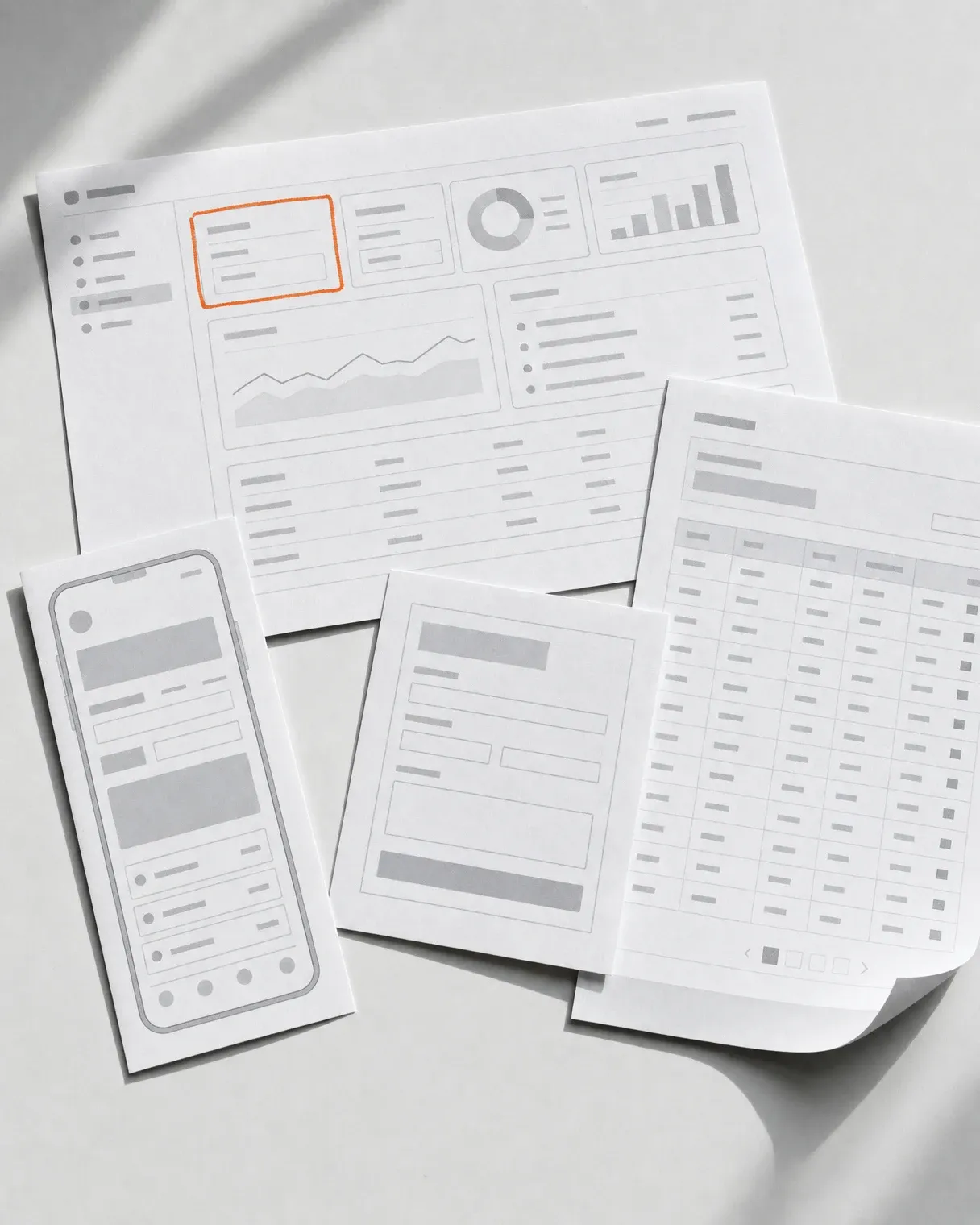
Low-fidelity layouts of the key templates, in parallel with the text - because copy and layout are designed together or badly. This is where the expensive decisions get made.
- Week 4–7
Visual design and components
Full UI for the key views plus a component library with variants and states. Not isolated screens - a system you can build further pages from without us.
- Week 7–10
Build and handover
Built by us or handed over to your developers - documentation, Dev Mode, a handover session and support while it is being coded.
- Post-launch
Measurement after launch
Analytics and goals wired up, a data review after the first month and a list of fixes based on what users actually did.
Deliverables
What you get at the end
-
Sitemap and information architecture
Navigation structure, template list and content mapped to pages - a document your marketing and editorial teams keep working from.
-
Wireframes for every template
Not just the homepage. Every page type the site actually has, on desktop and mobile.
-
UI design for the key views
The full visual layer - typography, colour, iconography, grid - consistent with your identity or designed from scratch.
-
Component library
Components with variants, states and tokens. This is what decides whether next year you add a page in a day or commission another design project.
-
Developer documentation
Specification of behaviours, breakpoints and edge states, Figma Dev Mode and a handover session with the implementing team.
-
Measurement setup
Events, goals and a dashboard showing how many enquiries came from the site and from which path. Without it there is no informed way to improve anything.
Toolkit
The standards it stands on
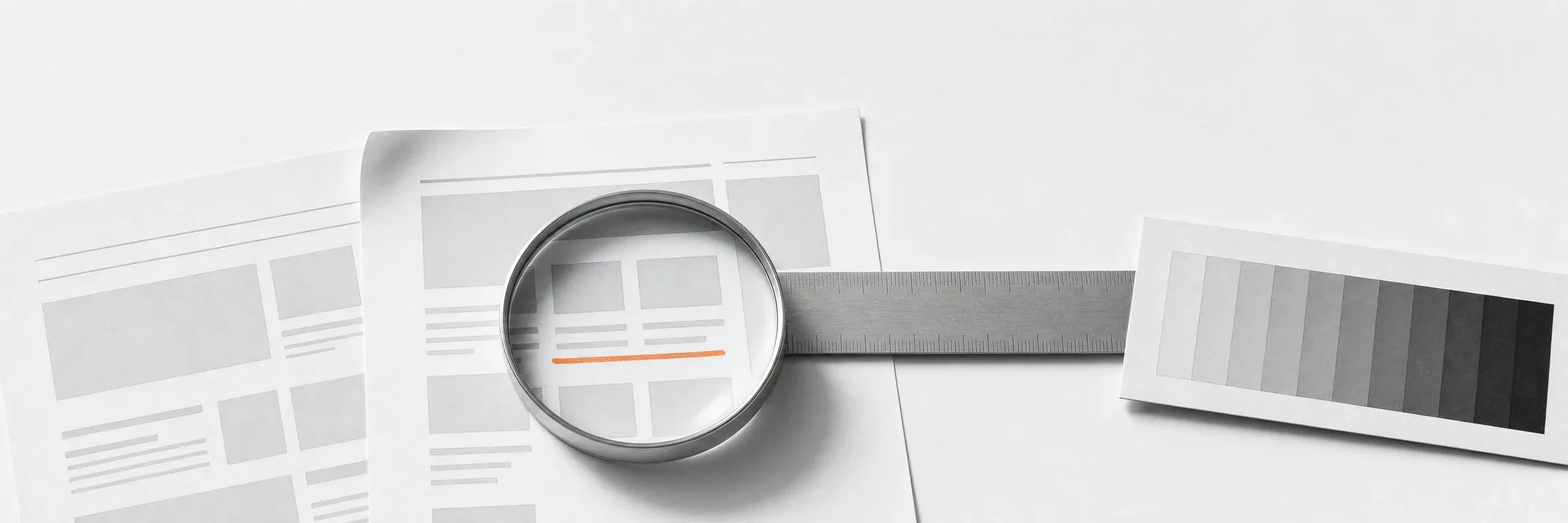
A company website outlives the project that produced it. So it stands on publicly documented norms rather than on our own habits - every point on this list can be checked with a tool you already have, without us in the room.
- WCAG 2.2 AA and the European Accessibility Act (EAA)
- Semantic HTML and full keyboard operation
- Core Web Vitals - LCP under 2.5 s, INP under 200 ms, CLS under 0.1
- Responsive from 360 px up, checked on devices
- schema.org structured data - Organization, BreadcrumbList, FAQPage
- Content editing in the CMS on the marketing team's side
- Language versions with hreflang and one canonical address
- Event measurement and cookie consent aligned with GDPR

Next step
Let us talk about your project
Tell us what you have to do. We will come back with scope and a quote.
Selected work
Websites we have designed
A selection tagged with this product type. We show the full portfolio, including NDA work, during a consultation.
-
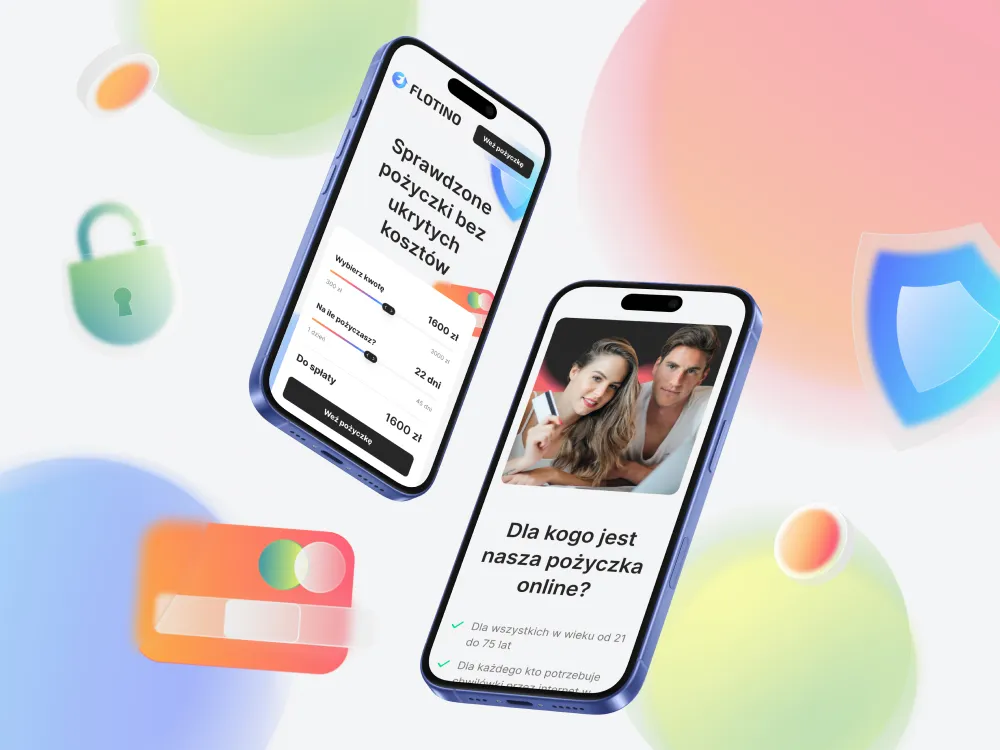
Flotino - Online cash loan service
-
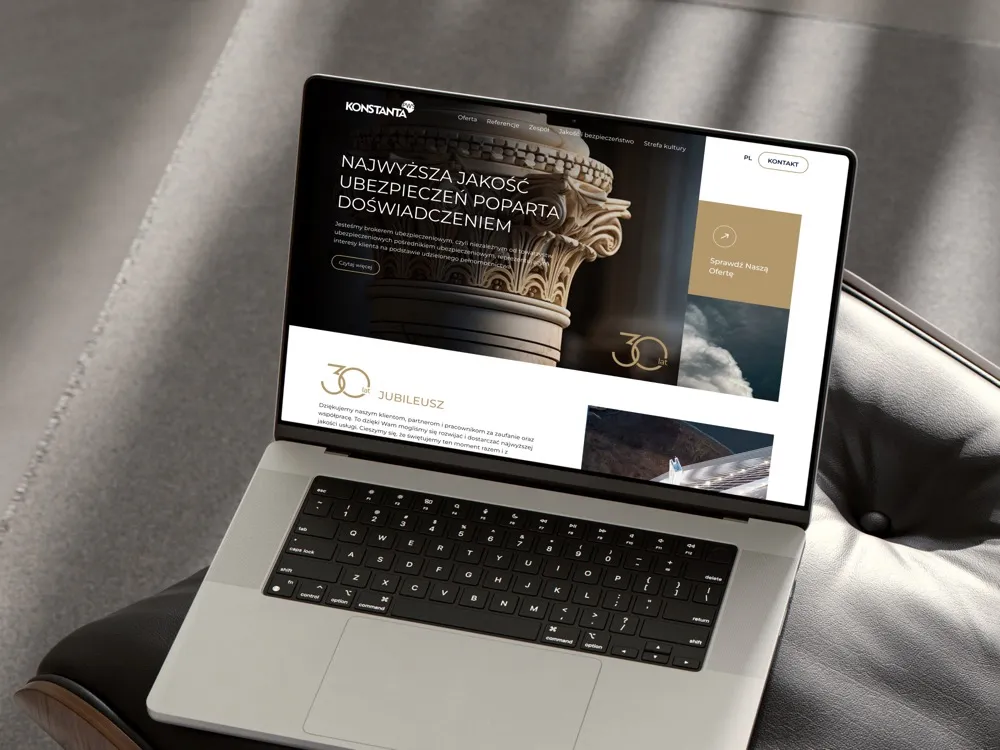
PWS Konstanta - Website for an insurance broker
-
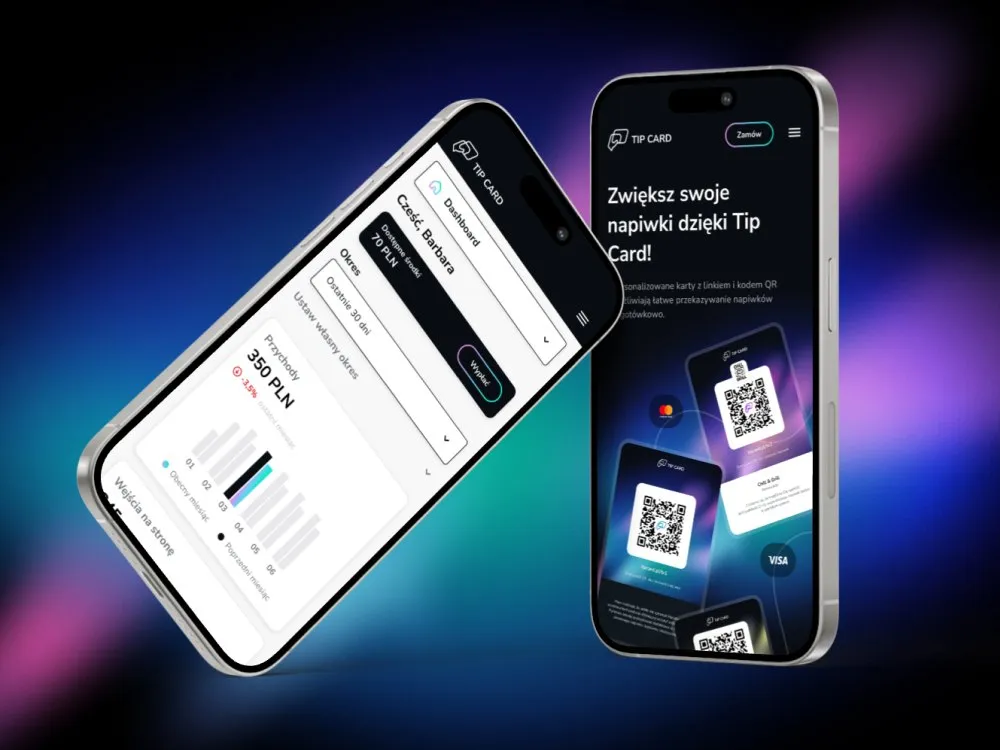
Tip Card - Cashless tipping platform
-
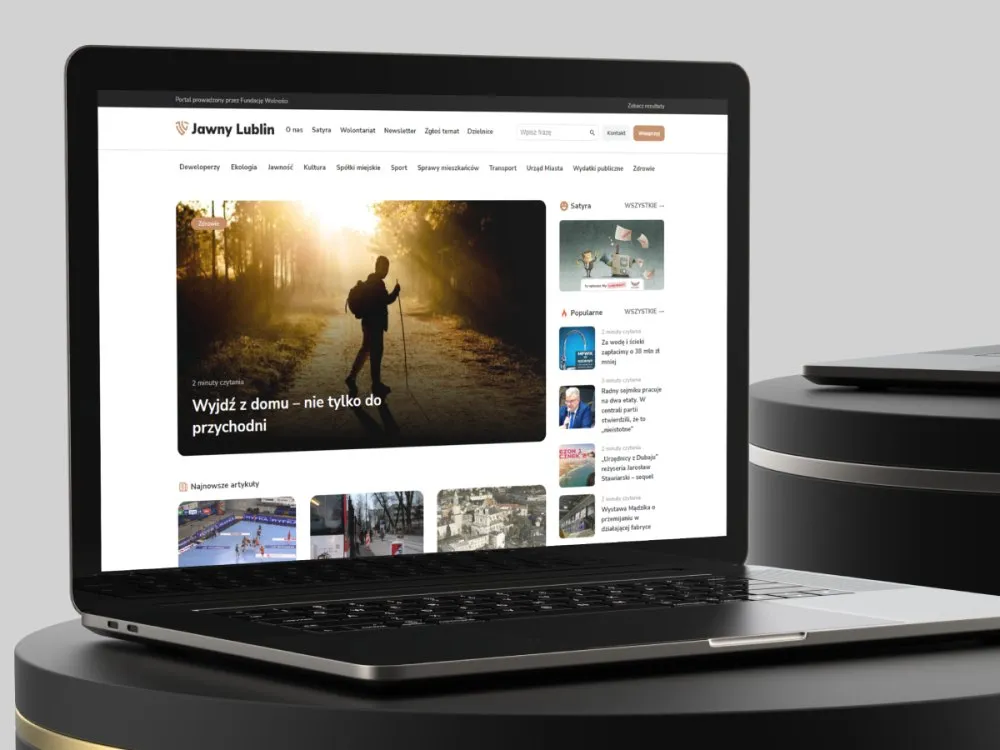
Jawny Lublin - A watchdog portal on city transparency
-
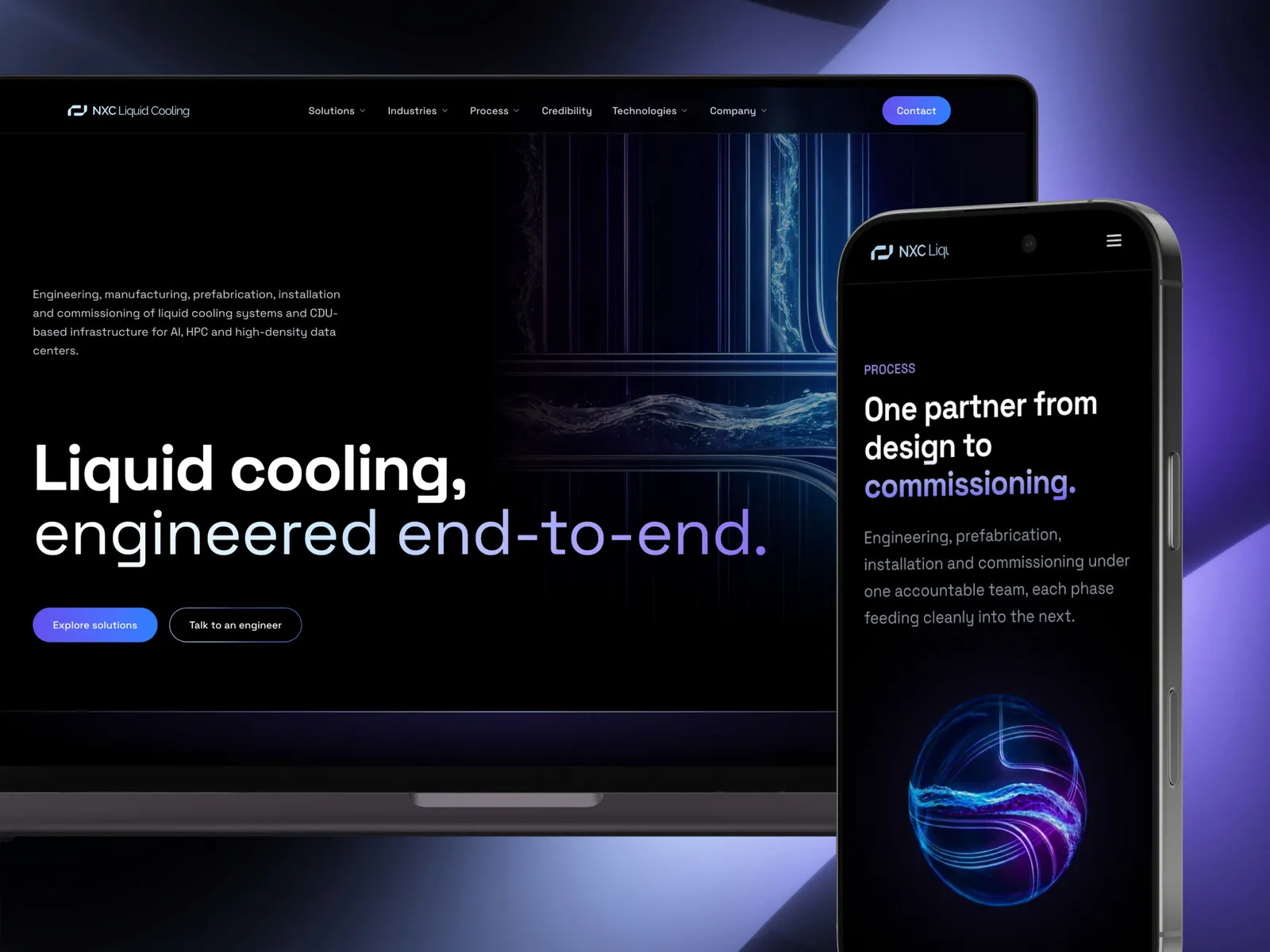
NXC Liquid Cooling - A liquid cooling systems website
-
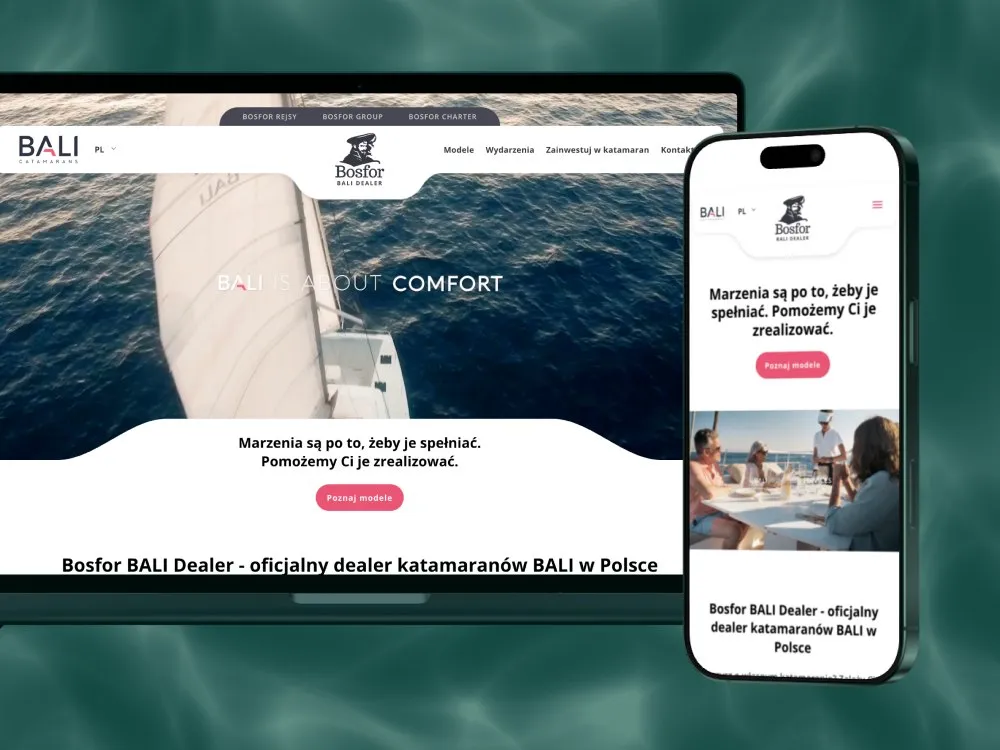
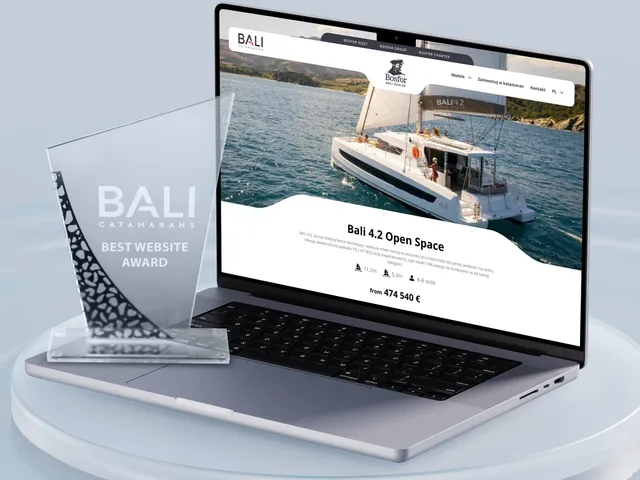
Bosfor BALI Dealer - Website for a BALI catamaran dealer
-
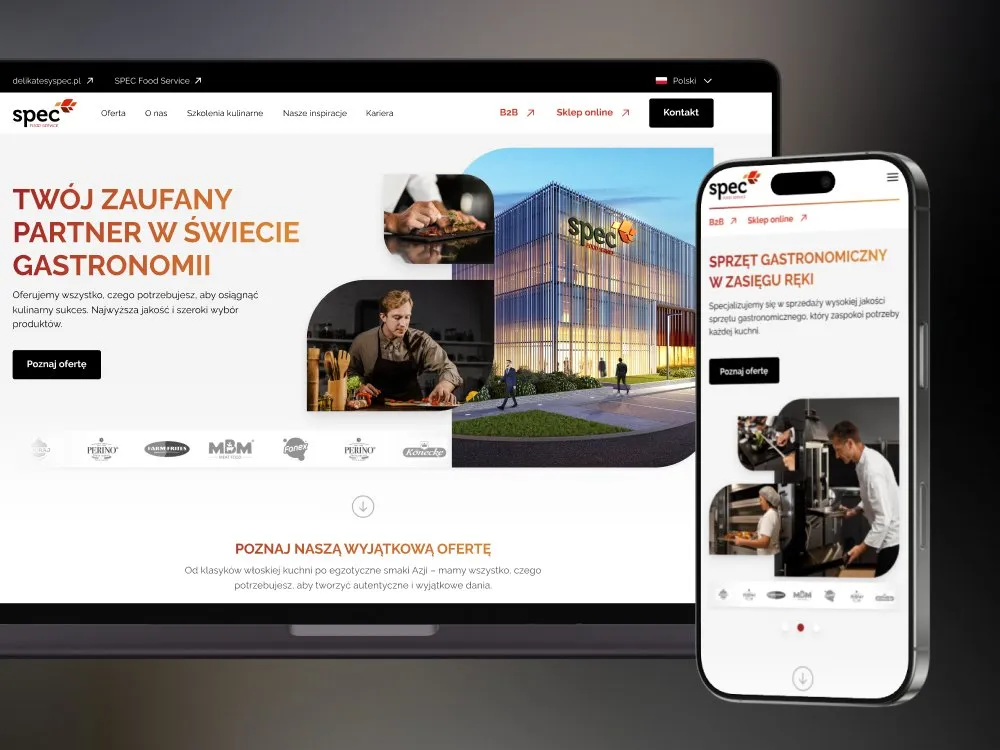
SPEC Food - Website for gastronomy - SPEC Food Service
-
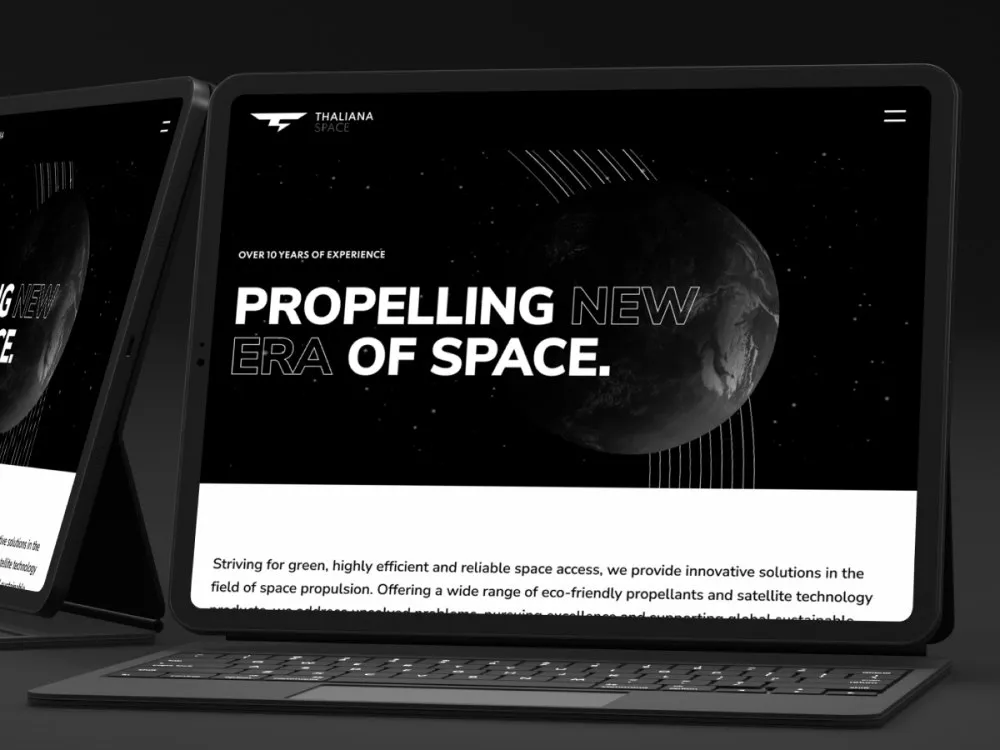
Thaliana Space - Website for a space-propulsion company
-
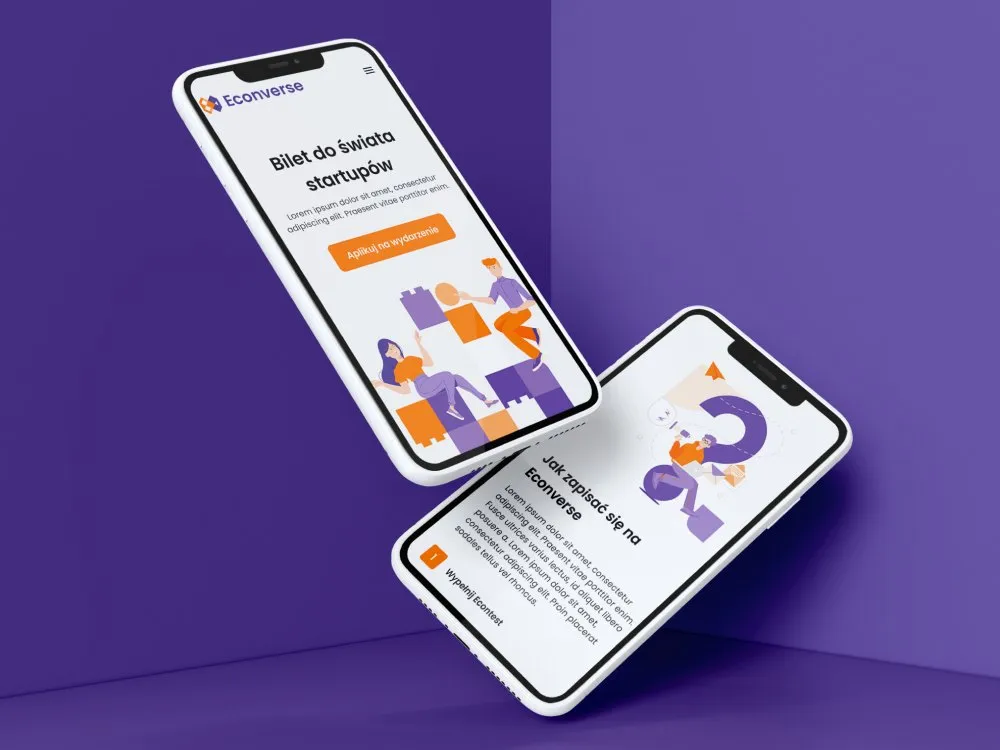
Econverse - Website for a start-up event
-
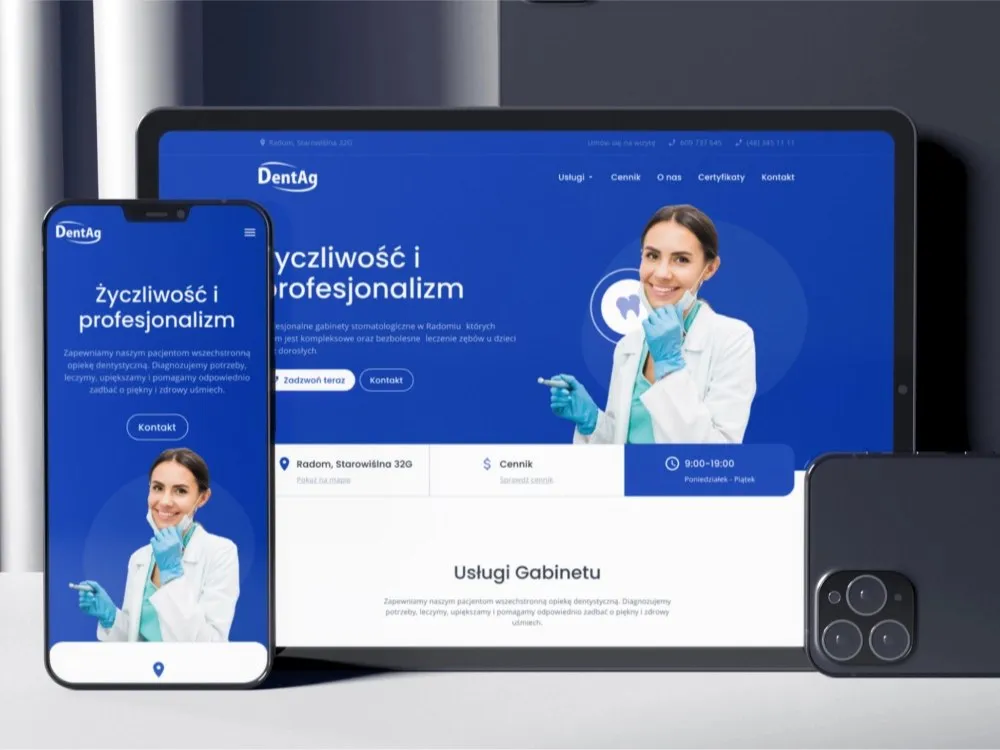
DentAg - Website for a dental clinic in Radom
-
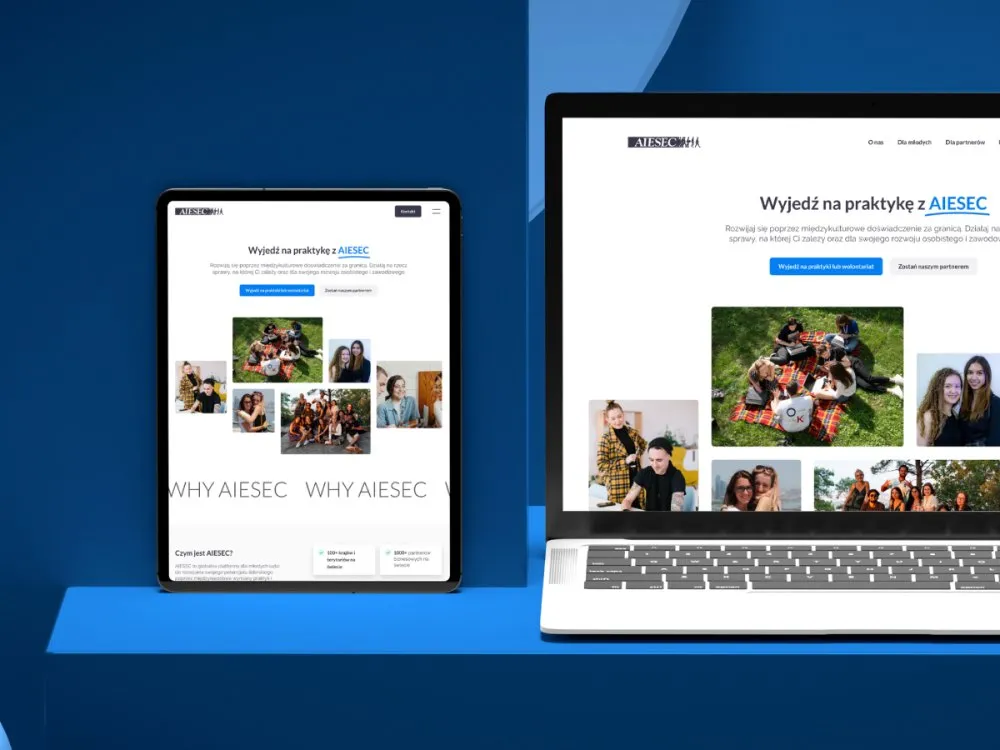
AIESEC - Website for internships and volunteering abroad
-
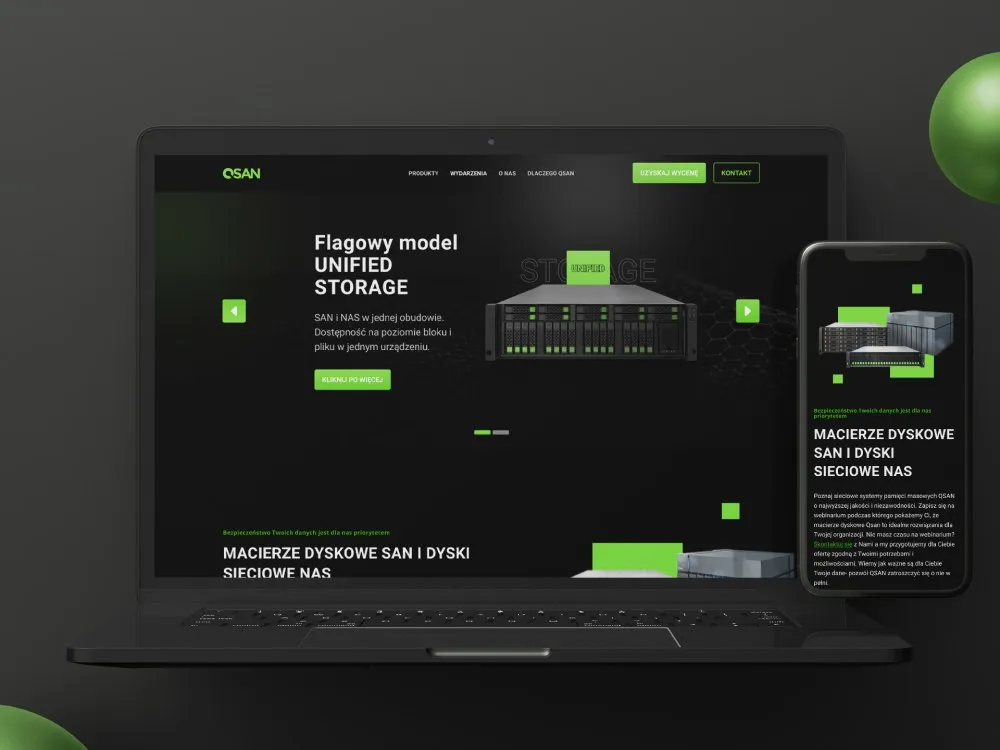
DAGMA - Product page for disk arrays and storage systems
-
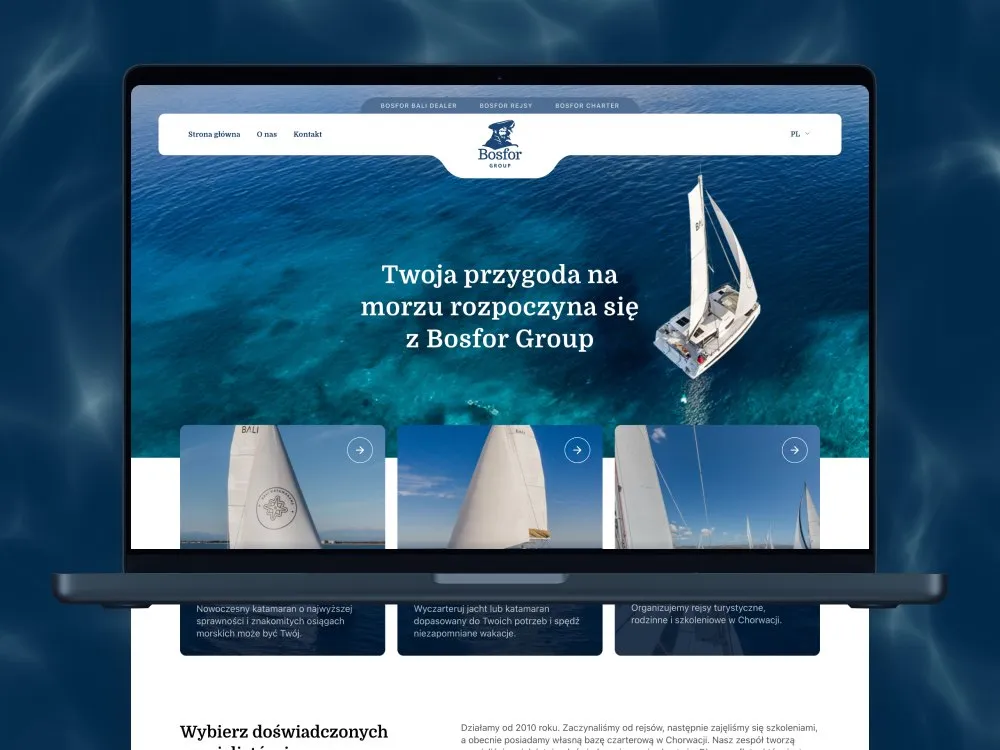
Bosfor Group - Website for the Bosfor sailing group
-
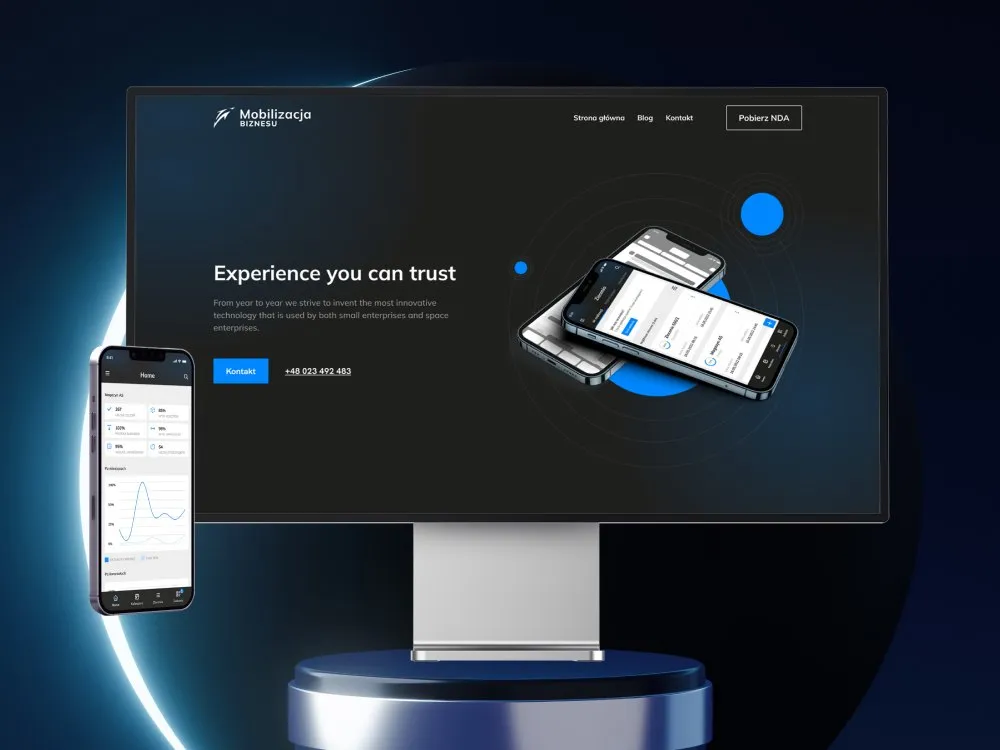
Mobilizacja Biznesu - Website for a mobile-tools firm
-
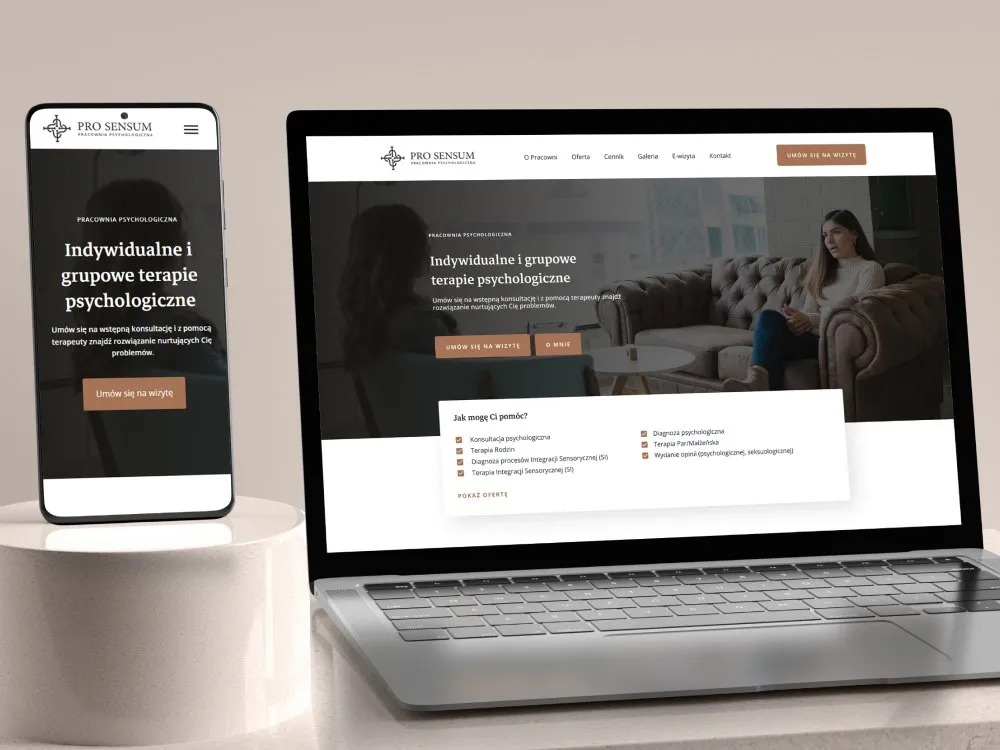
Pro Sensum - Website for a psychology practice
-
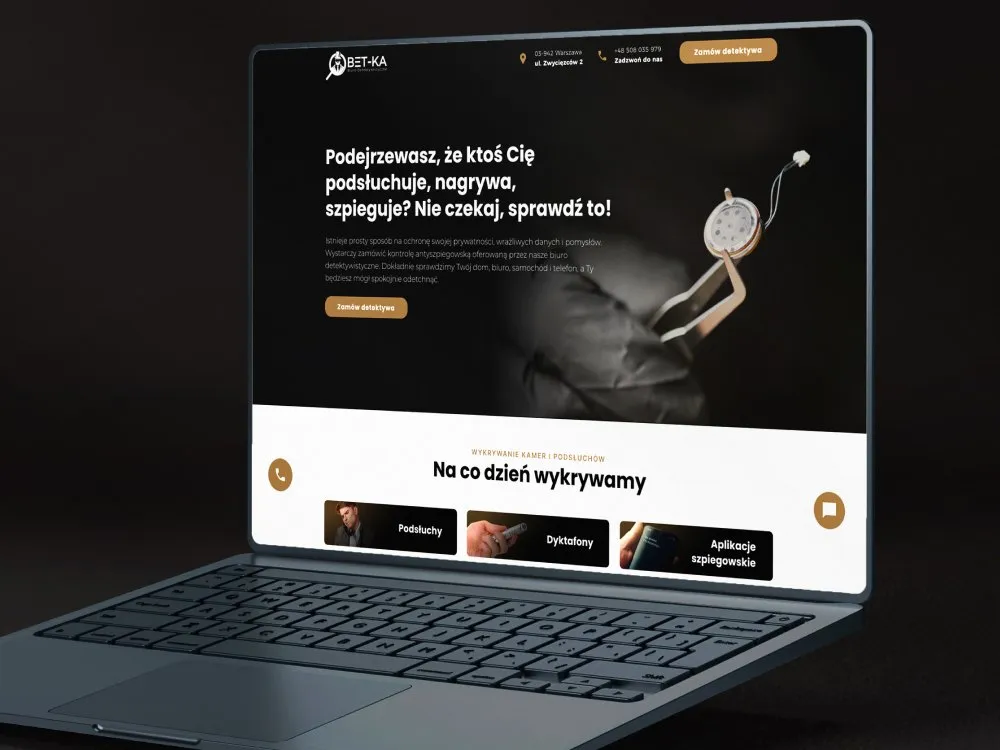
Biuro Detektywistyczne BET-KA - Detective agency website
-
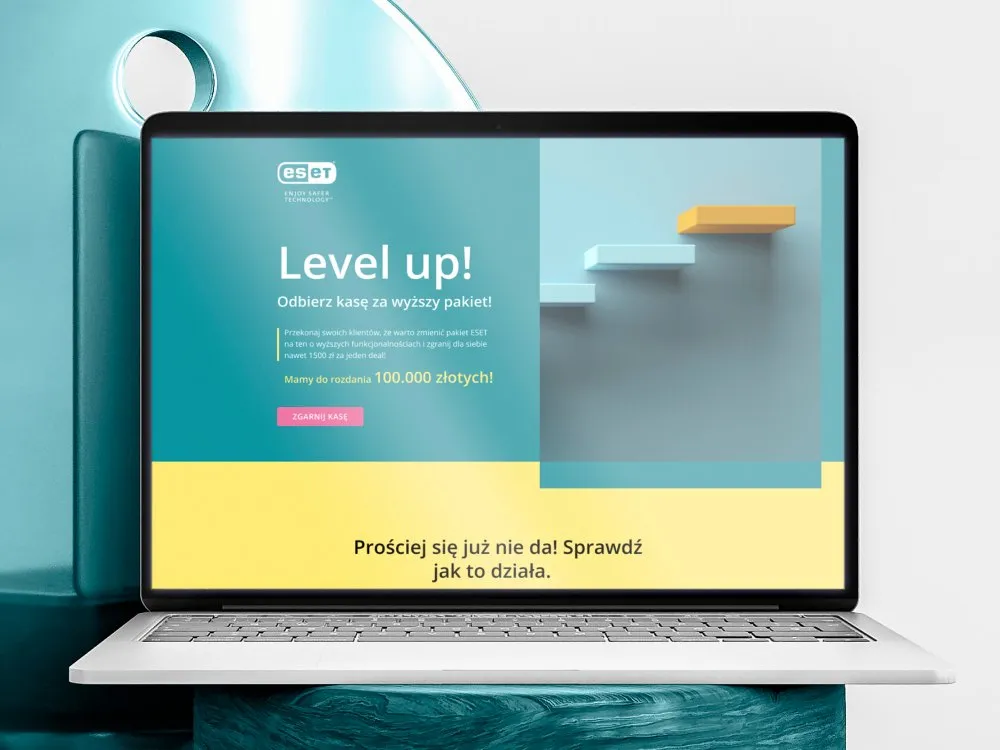
ESET - Landing page for a partner promotion campaign
-
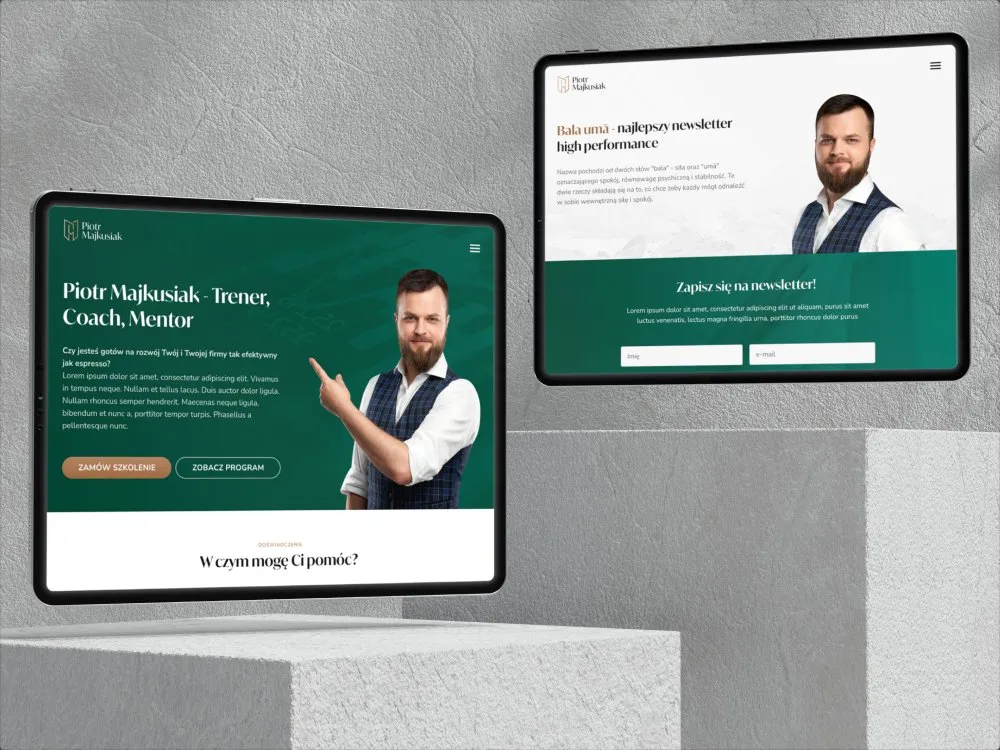
Piotr Majkusiak - Personal site for a business trainer
-
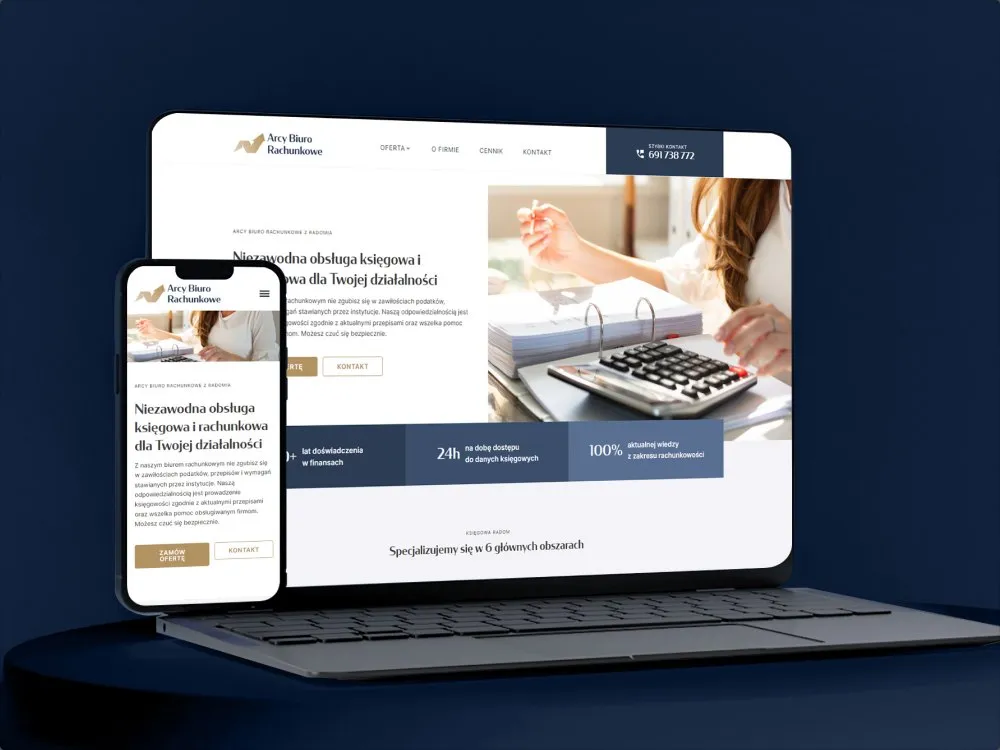
Arcy Biuro Rachunkowe - Website for an accounting office
-
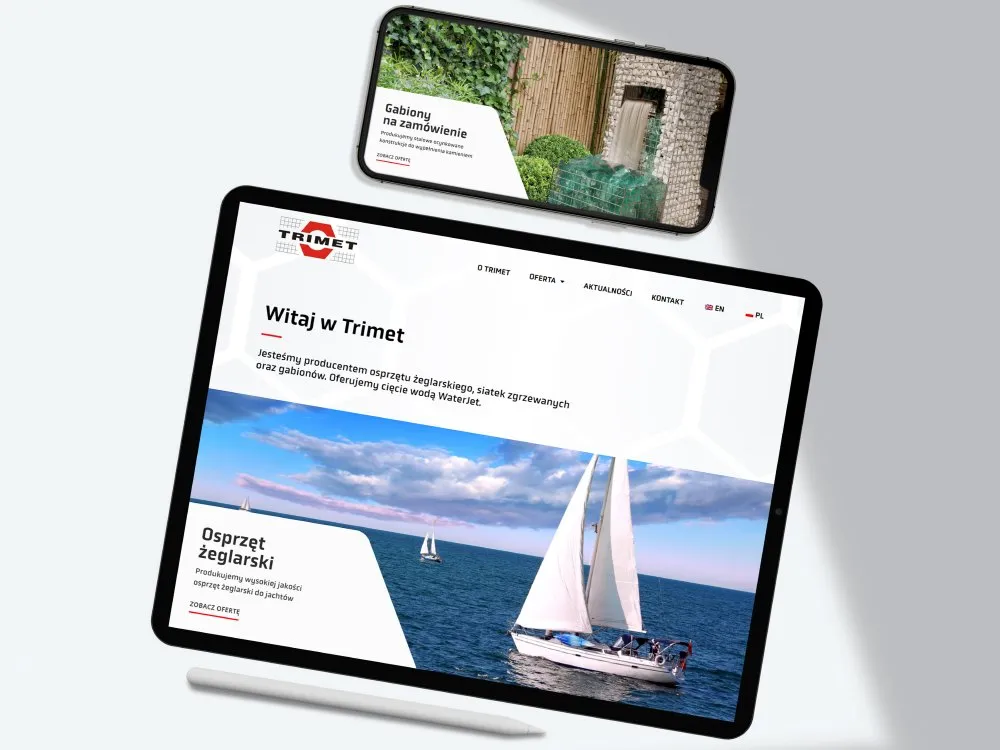
Trimet - Website for a maker of sailing rigging
-
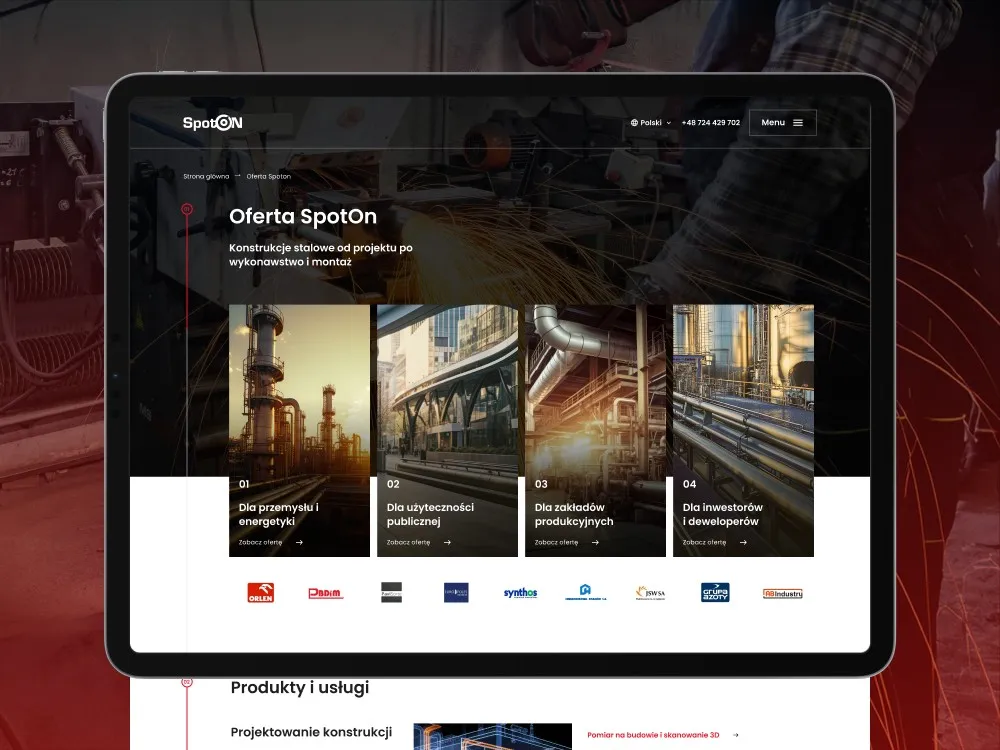
SpotOn - Website for a steel-structures manufacturer
-
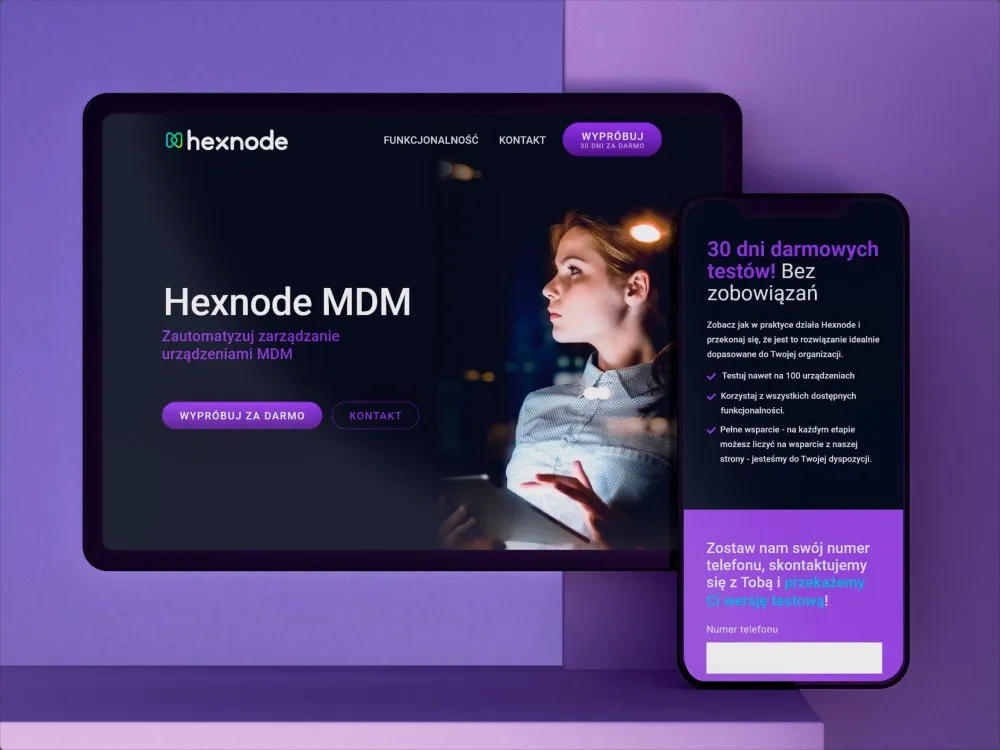
DAGMA - Product page for the Hexnode MDM system
-
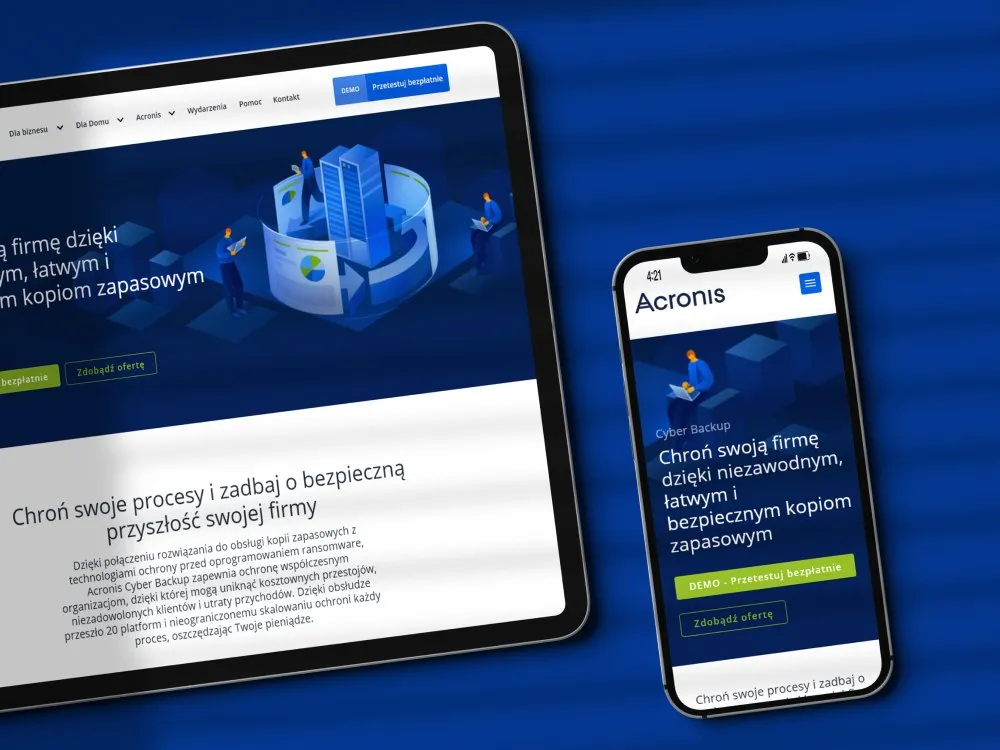
Acronis - Product page for ransomware protection
-
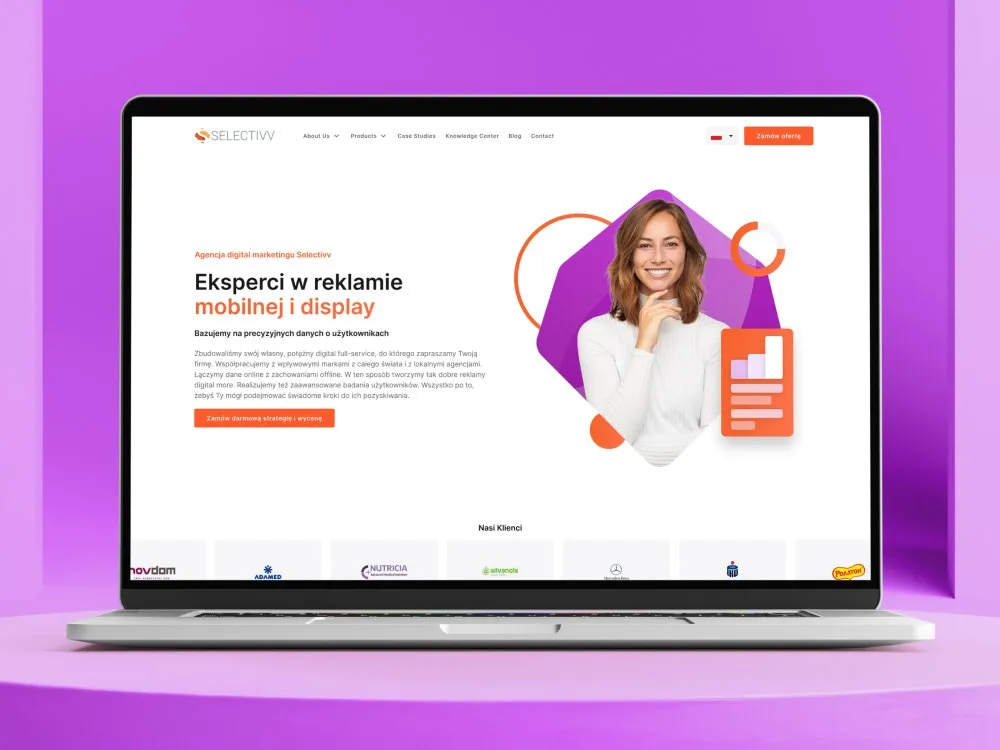
Selectivv - Website for a data-driven marketing agency
Outcomes
The scale we have already worked at
-
6 weeks
how long the Jawny Lublin site took - a five-person team and three resolutions
-
4 sites
that many Bosfor sites - three sub-brands and a catalogue of 21 yachts - run on one component system today
-
22
industries our portfolio actually covers - check the project list to see whether yours is already there
-
7
case studies written up publicly, with the scope and the design decisions - readable without booking a call
The figures come from Wzór's public portfolio and from the Jawny Lublin and Bosfor case studies - all of them are on this site to check. We publish neither average nor record conversion uplift, because the result depends on your baseline, your traffic and your offer; we go through the effects of named engagements during a consultation, and some projects are covered by NDA.
Client voices
What our clients say
-
„Working with the Wzór team was a genuinely great experience! They always answered our questions quickly and were flexible about our comments. They have no shortage of creative ideas and are at the same time thoroughly reliable and on time. The end result fully met our expectations; we recommend them to anyone looking for professionals who care.”
 Maja Wieloch-Silecka Operations Director, Bosfor Group
 -
„Our clients expect us to act fast and effectively across a very wide scope - from building a brand, through a website with a store, to running an effective sales campaign. Not an easy task, but doable when you have a tight-knit team and partners who take on challenges on the fly. For us, quality, accountability and commitment are key, and working with UX Agency Wzór gives us that 100%.”
 Piotr Alberski Chief Operating Officer, Agencja XO Media
 -
„Our cooperation with UX Agency Wzór started with our own website. We really liked the way they work, so we decided to subcontract projects for our clients to them on a White Label basis. We loved their workflow, the way they hand projects over to our team, their documentation and their work on the design system. Now we can take on bigger risks.”
 Mateusz Swół Chief Operating Officer, Sellace



The team
Who will run your project
We do not assign your project to an anonymous resource. You know upfront who you will work with and who is accountable for the result.
-

Aleksandra Bondar
Senior UX/UI Designer
-

Katarzyna Adamczuk
Prezes, Analityk Biznesowy
Time and scope
How long it takes and what shapes the quote
6–10 weeks
From kick-off workshop to production launch. We hold the date - and if something threatens it, you hear about it in the week we see it, not at the end.
-
Number of templates and pages
-
Language versions
-
Built by us or by your team
-
Content migration from an existing site
-
Scope of user research
-
Integrations - CRM, marketing automation, internal systems
FAQ
Questions that come up most often
What does website design cost?
The entry threshold is public, but one final figure would still be wrong for most enquiries - the same type of project can differ several times over in scope. The quote depends on the number of templates, language versions, the scope of content migration and whether we build it or your team does. We send a concrete figure within two business days of your enquiry - with no introductory call if you would rather skip it.
How long does a project take from start to launch?
Six to ten weeks, from kick-off workshop to production launch. The usual source of delay is not the design work but approvals and content, which is why we agree internal deadlines together at the first workshop and track them weekly.
We already have a visual identity. Will you design within it or impose your own?
Within yours. A brand book is the starting point, not an obstacle - we extend it with what print-first identities usually lack: interactive states, a grid, a type scale and components. If there is no identity, or only a fragment of one, we say so upfront and propose that as separate scope.
Do you build the site, or hand over the design only?
Both options are available and both are quoted openly. Building it ourselves means a single line of accountability for the result. Handing over to your developers means documentation, Figma Dev Mode, a handover session and support while it is being coded - not "here are the files, good luck".
Will we be able to add pages ourselves after the project ends?
Yes, and that is precisely what the component library we hand over is for. A new page is assembled from existing blocks instead of commissioning a design every time. When we build the site, we also train the person who will run it.
Who owns the rights to the design?
You do. Economic copyright to the design transfers under the contract, along with the source files. We do not use time-limited licences or make ownership conditional on continued work with us.
Do you sign NDAs?
Yes, as standard - particularly in finance, healthcare and the public sector. We can sign your template or send ours before the first substantive conversation.
What if the site does not start producing enquiries?
That is exactly why measurement setup and a data review after the first month are in scope - without them nobody can answer this question honestly. If the data shows something is not working, you get a list of fixes grounded in user behaviour rather than opinion. We also run conversion optimisation as a separate service for sites already live.
Related services