

Media
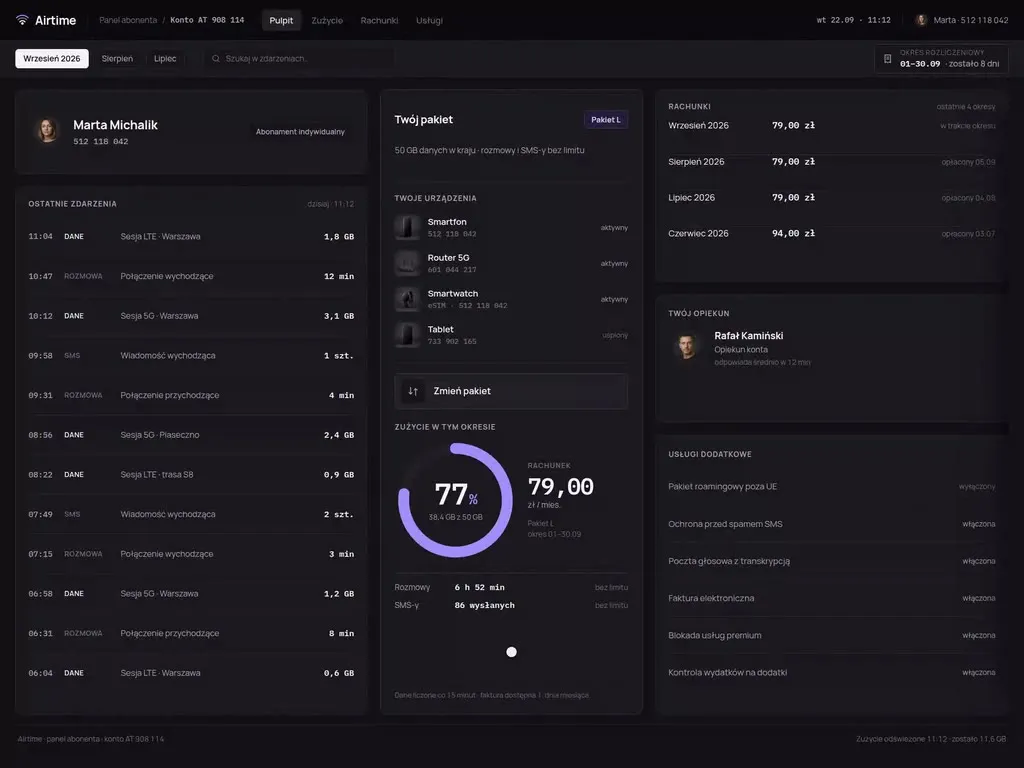
At Wzór UX agency you receive an interactive design of your media software, be it a newsroom CMS, a paywall with a subscriber account or an advertising sales system, and either our team or your own developers can then build it. For the Fundacja Wolności foundation we designed the Jawny Lublin portal, a civic news service on transparency in the city, and for a mobile advertising agency the Selectivv website.







Challenges
What challenges do we help solve in media?
Our approach
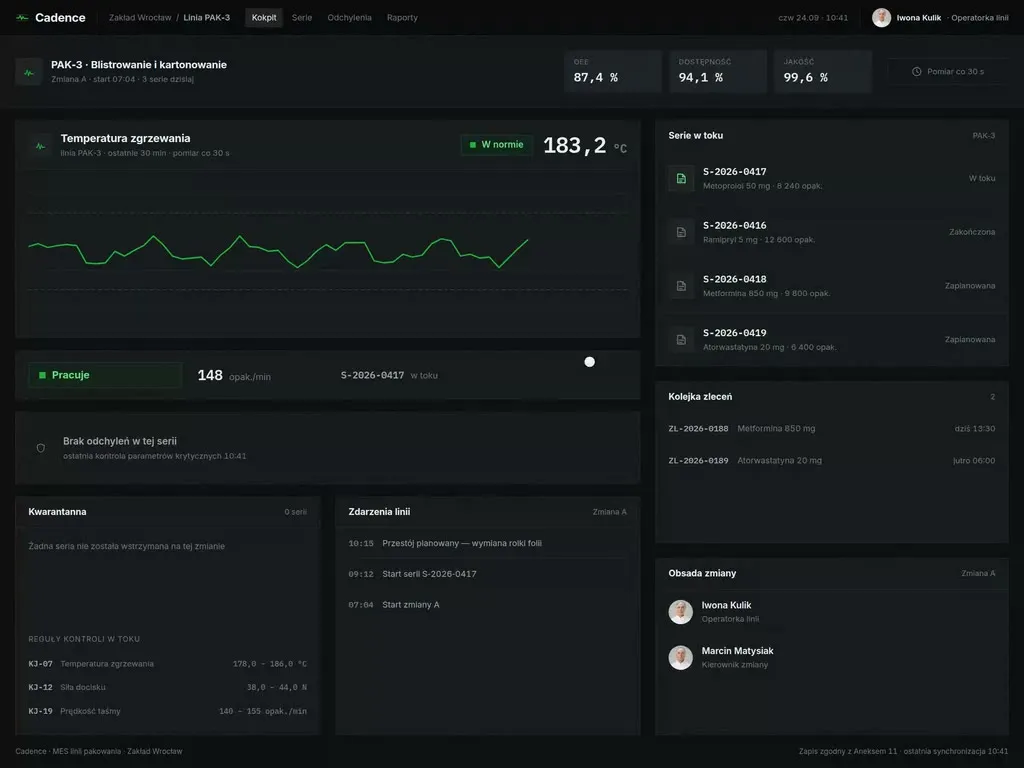
In the newsroom CMSs we design, a breaking story has its own, shorter path. The reporter flags it with one choice, and the duty editor gets it at the top of the queue together with a list of what is still missing before publication. Ordinary stories still go through draft, copy-editing and sign-off.
Scope of services
Our approach
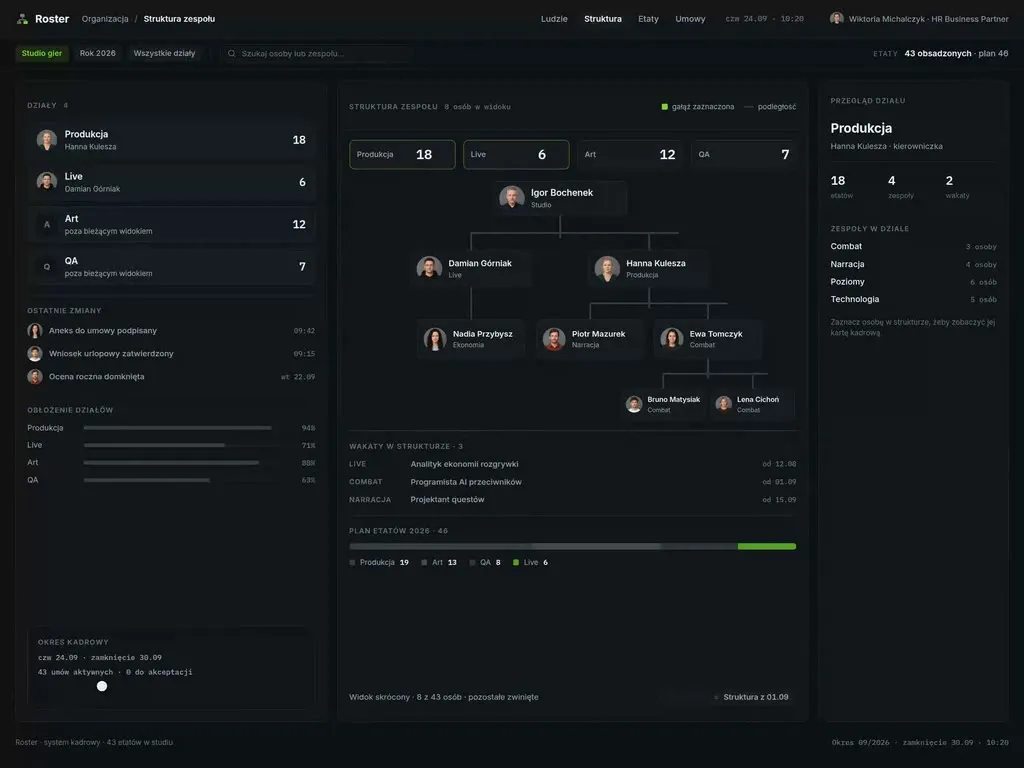
We design the subscriber account around the first weeks after purchase, because that is when a reader decides whether to stay on at full price. Before the first full payment arrives, the account shows them the date the trial ends, the price after it and new stories from the sections they have been reading.
Scope of services
Our approach
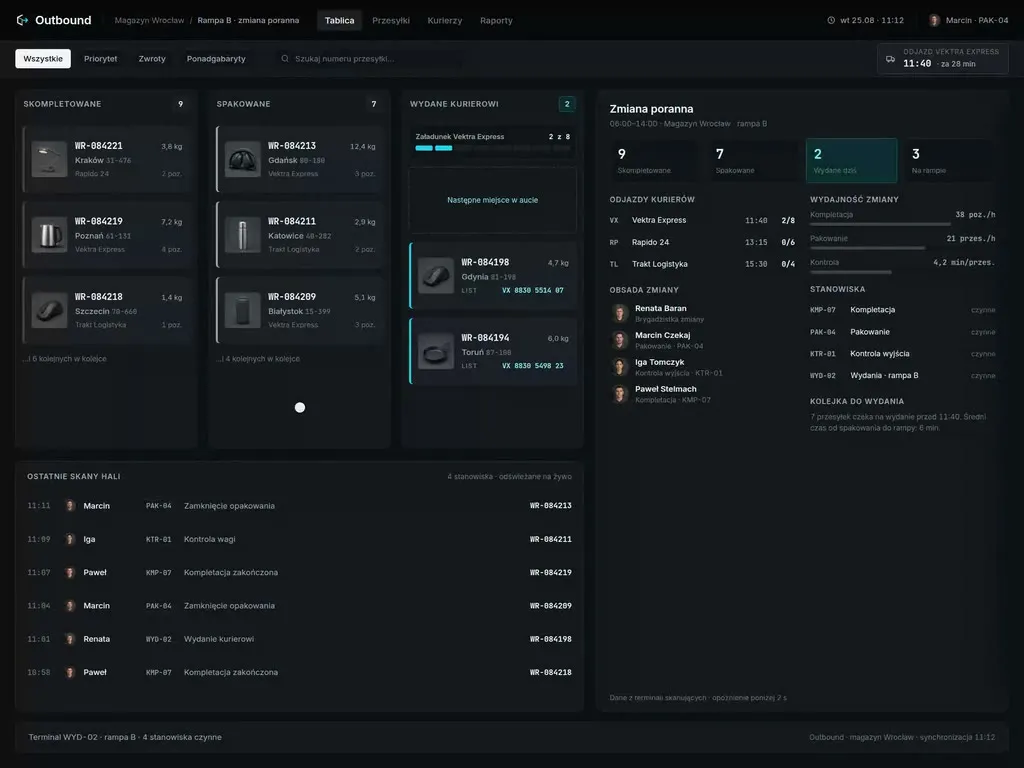
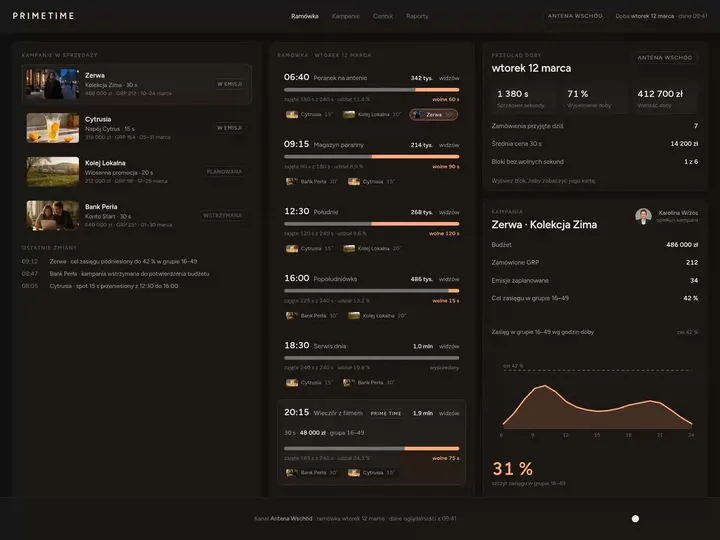
A salesperson using the ad sales panels we design sees the free seconds in a break the moment they add a client's spot. Next to them stand any conflict with a competing brand's ad in the same break and what moving the spot will do to the campaign's reach. An oversold break then shows up at booking, not in the transmission log.
Scope of services
Who it is for
Which media companies do we design software for?
-
Newsroom CMS and publishing schedules
Newsrooms at portals, dailies, weeklies and broadcasters write, edit and publish their stories in a CMS, and the homepage editor works in it for the whole shift. In a newsroom CMS we give most attention to stories that are already live: updates, corrections and fixes after publication. Every such change leaves a trace in the version history, so the editor can see who made it and when.
-
News portals and news apps
National, local and trade portals live on readers who open another story after the first one, sign up for the newsletter or support the newsroom. We lay out the article page starting from its end, because after the last paragraph the reader decides whether to stay on the portal or go back to the search engine.
-
Paywalls, subscriptions and reader accounts
Publishers of newspapers and specialist services sell access through a paywall, metered, freemium or hard, and the subscriptions team then handles payments, invoices and cancellations. We map out the paywall window in a story and the subscriber account as one path: a reader who bought access halfway through a story returns to the same paragraph and finds the invoice without writing to the subscriptions team.
-
Ad sales and programme schedules
Television and radio stations plan the programme schedule, advertising breaks and client campaigns in systems where the ad sales team and the traffic planners spend the whole day. When a station breaks its schedule for an election or a match, the planner moves spots out of the cancelled slots, which is why in their view we put the list of campaigns to move next to the breaks that still have room.
-
Radio, podcast and video-on-demand apps
Online radio stations, broadcasters and podcast publishers reach listeners through an app: live, from the archive and in the car, and they keep part of their programmes for patrons or subscribers. When designing such an app, we make sure a podcast remembers where the listener stopped, including when they pick it up again in the car through Android Auto or CarPlay.

Why us?
Why choose our UX agency?
-
One daily plan for the whole newsroom
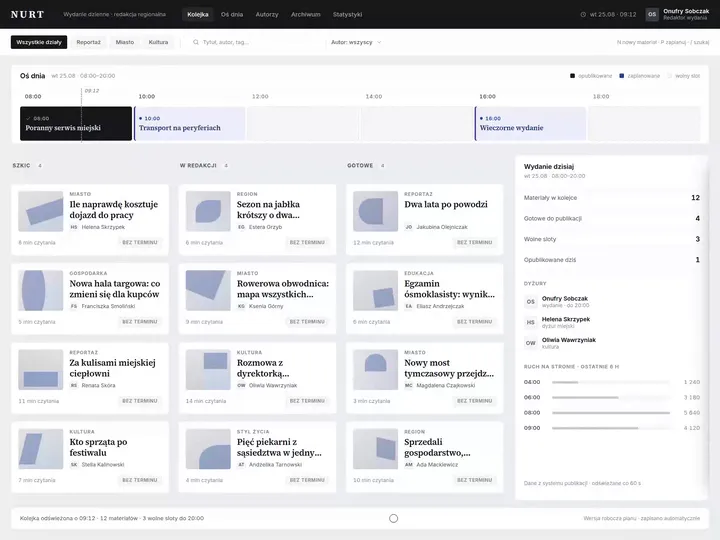
We bring topics, assignments and publishing times together with the CMS into one daily plan, instead of a spreadsheet beside the system and arrangements on a messenger. The editor sees what is planned and what is already set to publish, and no longer checks it by hand before every edition.
-
A complete story without help from IT
We lay out the story templates so that a reporter can put together a complete piece alone: headline, search headline, lead, captioned photo, tags, links and an embedded post. Someone who has just joined the team starts publishing on their own sooner, and senior editors stop fixing embeds after them.
-
Ad revenue without jumping text
Every ad slot on the article page gets a fixed place in the design before the design reaches the developers. An ad that loads while someone is reading then does not push the paragraph down, and the reader does not lose the line they were on.
-
A senior team
A team of senior UX designers who have been designing interfaces for nine years, today for large organisations, SaaS companies and software houses. Seniors will take on your newsroom CMS or paywall, from research in the newsroom to sign-off.
-
Proven client trust
We have designed for 115 brands, and most of them come back to us with their next project.
-
Higher quality with AI
A designer with AI tools checks more variants of a paywall window or an article page with ads than they could draw by hand and picks the one that works. What reaches you is a tested version, not the first one that came out.
Process
How will we design your media software, step by step?
-
A conversation with your team

We set the goals and look at the systems your newsroom works on today
Content creators, advertisers and readers each want something different from a news service, so the first meeting needs a voice from every side: the editor-in-chief or publisher, the head of subscriptions or ad sales, IT and someone from the editors' duty desk. That conversation gives us the process we start with and the measure by which we will know the change works.
Key steps
- Conversations with the editor-in-chief, the publisher, the subscriptions or ad sales team and IT
- A review of the systems: CMS, paywall, ad server, audience measurement, apps
- Choosing the process we start with
- Agreeing the measures: time from draft to publication, subscriptions after the trial, requests to the subscriptions team
Deliverables
- Project brief
- Map of systems and their owners
- List of measures
- Scope of the first stage
-
Discovery in the newsroom and with readers
We study the editor's shift, the ad sales desk and reading on a phone
We sit with the homepage editor during a shift, including when breaking news comes in, and with the ad sales team while they add campaigns. We note every workaround, because it shows what the system does not provide: a spreadsheet with the day's plan beside the CMS, arrangements on a messenger instead of a story status, a reader phoning the subscriptions team.
Key steps
- A shift with the homepage editor
- Observing the editorial meeting and daily planning
- Interviews with readers and subscribers on their own phones
- A review of requests to the subscriptions team
- Conversations with ad sales staff and traffic planners
Deliverables
- Research report
- Process map showing the workarounds
- Prioritised list of problems
-
Interactive system design
A design that reporters, editors and readers go through
We fill the prototype with stories, photos and headlines from your newsroom instead of placeholder text, so that a long headline and a portrait photo show whether the layout holds up on an ordinary news day. Reporters and editors go through it at their desks, readers on their phones, and whatever makes them stop we change while it is still a prototype.
Key steps
- Screen architecture by role: reporter, copy editor, editor, subscriber, salesperson
- Interactive design built on the newsroom's own content
- Exception states: breaking story, fix after publication, failed payment, full break
- Prototype tests with the newsroom and readers
Deliverables
- Interactive design of every screen
- Component library
- Description of behaviour in exceptions
- Prototype test report
-
Build or design hand-off
We connect the new screens to the systems the newsroom runs on
The build is carried out by our team, your developers or the system vendor, and we spell out for them how the new screens connect: to the CMS, the paywall platform and payments, Google Ad Manager and the consent platform, the Mediapanel measurement scripts, the newsletter and the apps, and at broadcasters also to the playout system. We place the launch away from elections and major sports events, when stations break their schedules; around elections news services also gain new audiences.
Key steps
- Screen and field specification for developers
- Integration map: CMS, paywall, payments, Ad Manager, consent platform, measurement, newsletter, apps
- Support for the implementation team
- Tests on phones and on the editors' duty desk before launch
Deliverables
- A working system or a package ready to build
- Integration specification
- Pre-launch test report
-
Measuring after the first editions
We check against post-launch data whether the change worked
After launch we compare time from draft to publication, subscriptions moving from trial to full price, requests to the subscriptions team and layout shifts on the article page with the measurement taken before the change. We discuss the results with the editors and the people handling subscriptions, and rank the fixes starting with the one that weighs most on the newsroom.
Key steps
- Measuring publishing time and layout shifts
- A review of subscriptions after the trial and requests to the subscriptions team
- Conversations with the newsroom after the first editions
- Plan of fixes
Deliverables
- Measurement report
- Prioritised list of fixes
- System development plan
Methods and technologies
Systems and standards we work with in media
-
WordPress
We built the Jawny Lublin portal, which we had designed, on WordPress, together with tools for ranking in Google. When a newsroom writes in the WordPress block editor, we narrow the editor's long list of blocks in the story templates down to the ones the newsroom actually uses.
-
Google Ad Manager
When a publisher serves ads from Google Ad Manager, line items decide which ad lands in a given slot, how many times and at what price. We therefore map out new and moved slots with the person who runs the campaigns before they reach the mockup, because a change of layout also changes what has been sold to advertisers.
-
IAB TCF
A publisher showing personalised ads from Ad Manager to readers in the EEA and the UK must, under Google's rules, use a certified consent management platform integrated with the IAB TCF. That platform's window greets the reader on the first visit, which is why we lay it out together with the article, so that it does not cover the lead.
-
Mediapanel Gemius/PBI
Publishers place the Mediapanel measurement scripts on their pages and in their apps themselves, and a portal rebuild brings new templates that do not have them yet. So we write them into the specification of every new template and app screen, so that new pages are measured the same way as the old ones.
-
Article structured data
Article structured data helps Google show a better headline, image and date for a story, including in Google News. Author, publication date and update date become fields next to the text in the CMS, and the site builds that data from them itself, with no developer work on each article.
-
Patronite
When a radio station or podcast raises listener support through Patronite, a patron's access to programmes depends on the status of their subscription and the amount paid on that service. When designing the listener app, we show that status plainly, with the reason and the way to fix it, before the patron decides the podcasts have vanished.
Selected work
Our work for media and related industries
The media projects are a news portal, an advertising agency website, the identity of a radio station's anniversary campaign, a publisher's visual identity, editorial illustrations and a personal brand logo. Next to them stand websites, identities and brochures for photography, film and design studios and for a company building multimedia exhibitions, which belong mainly to services and entertainment.
-
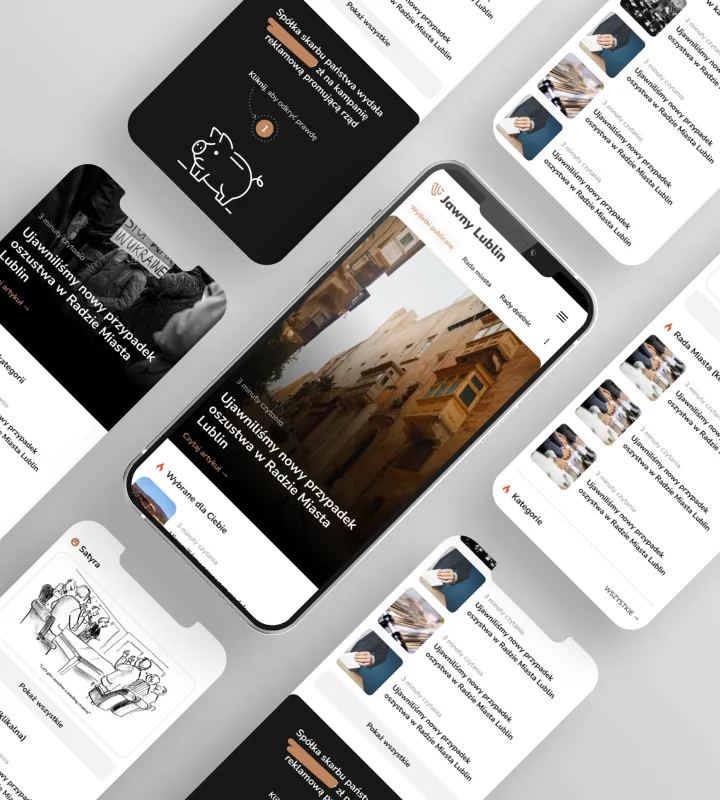
Media
Jawny Lublin
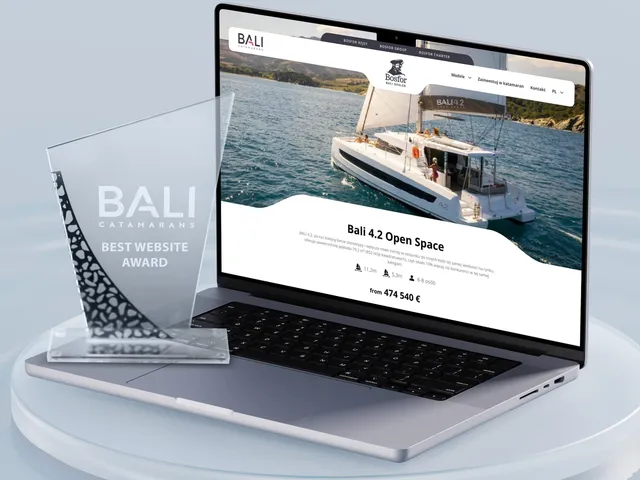
Read case studyWe designed and built one of the genuinely politically independent news portals in Lublin.
-
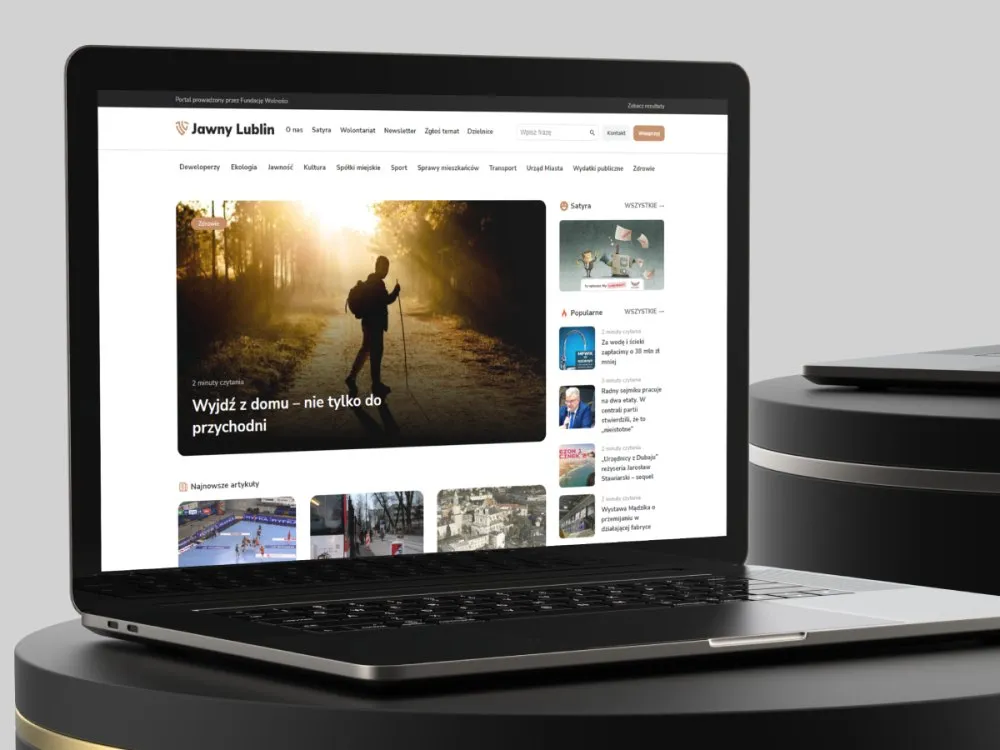
Media
Jawny Lublin
View projectThe Jawny Lublin portal, run by the Fundacja Wolności foundation - a news service covering city affairs: public spending, property developers, municipal companies, transport, ecology and satire. A clear article hierarchy, districts and categories, and a way to submit topics. Desktop and mobile.
-
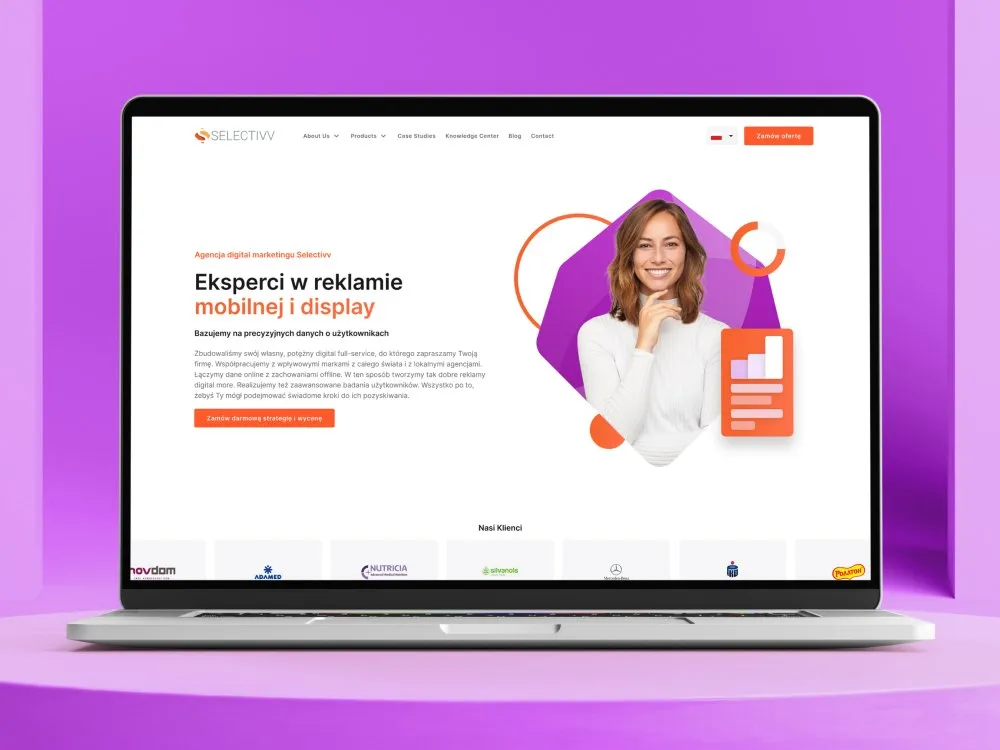
Selectivv
Website for a data-driven marketing agency
-
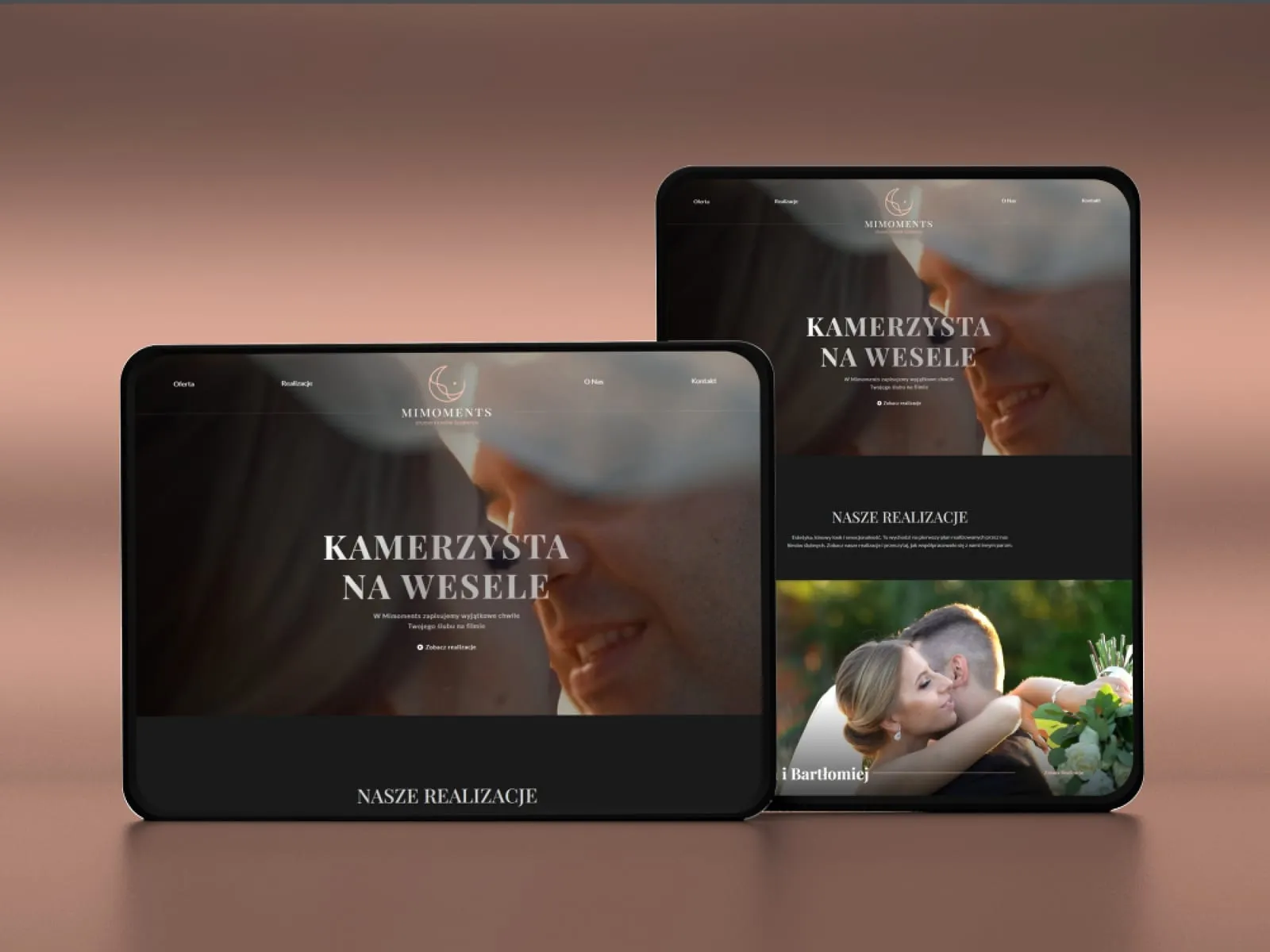
Mimoments
Website for Mimoments wedding film studio
-
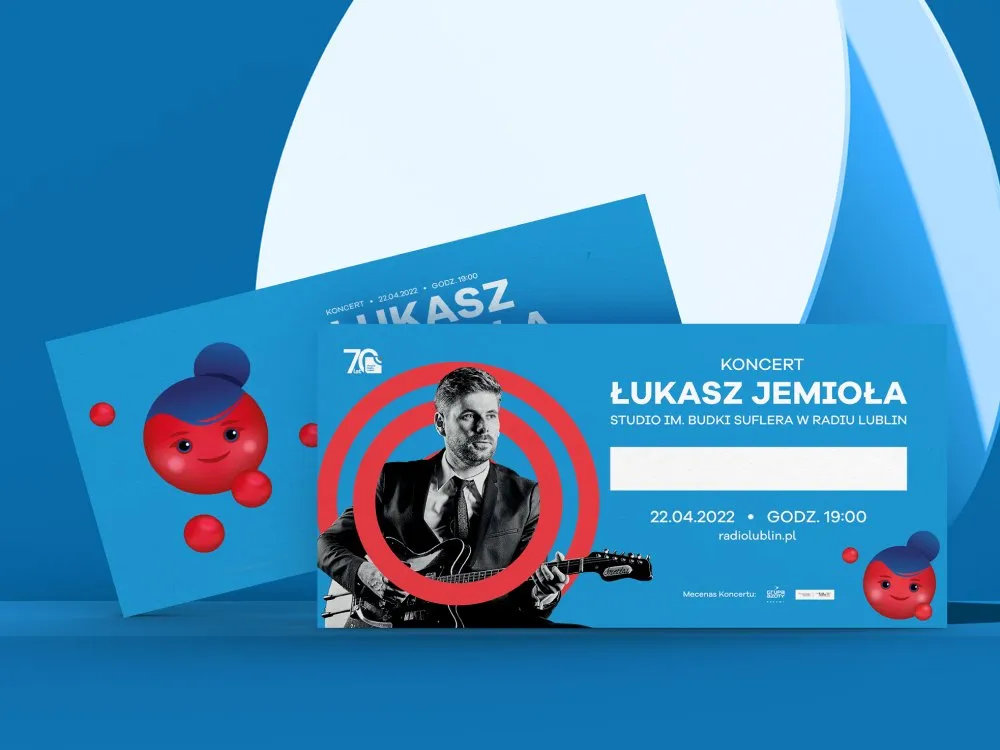
Radio Lublin
Identity for an anniversary campaign
-
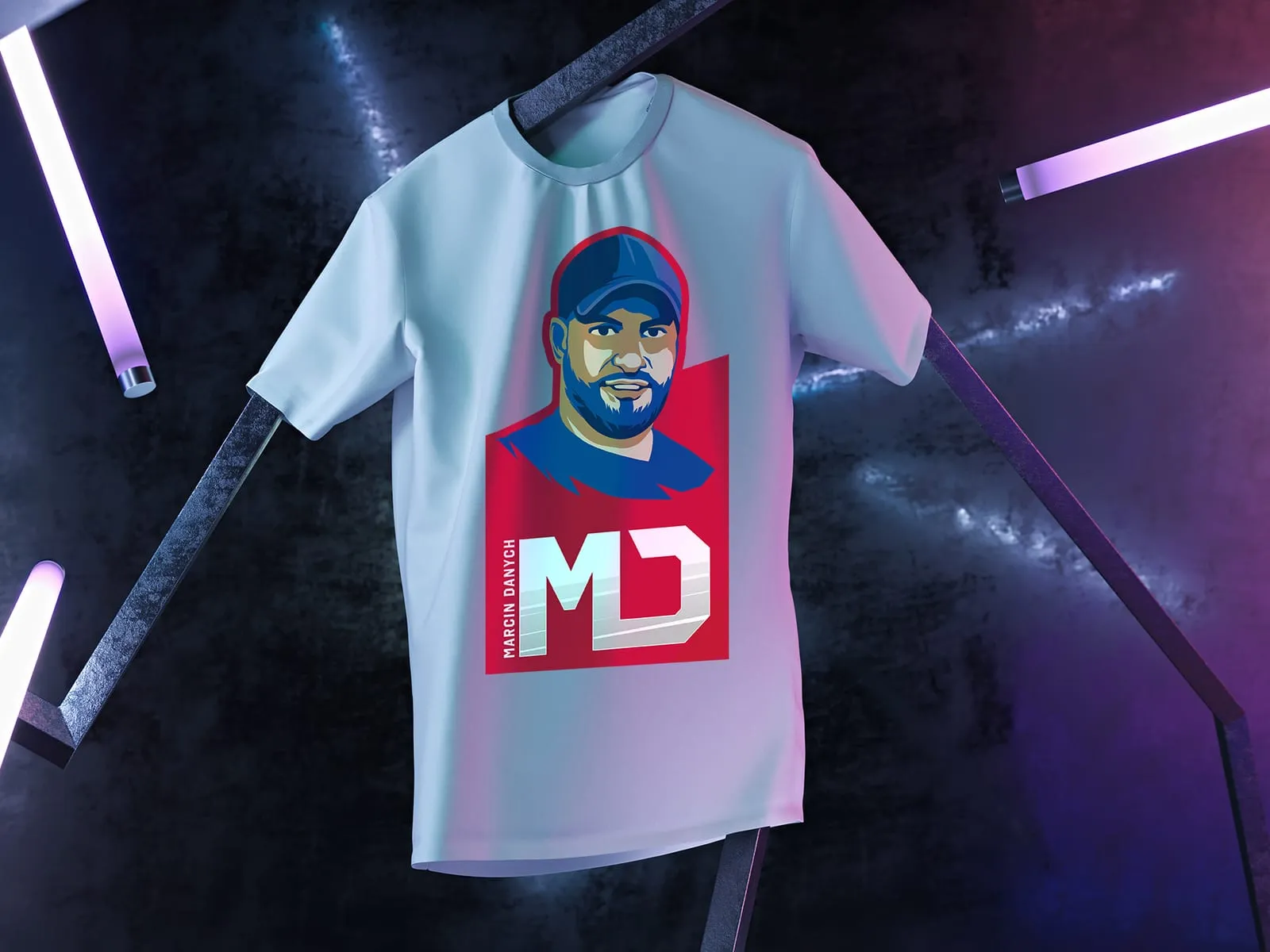
Marcin Danych
Personal brand logo and "Areny NBA Tour"
-
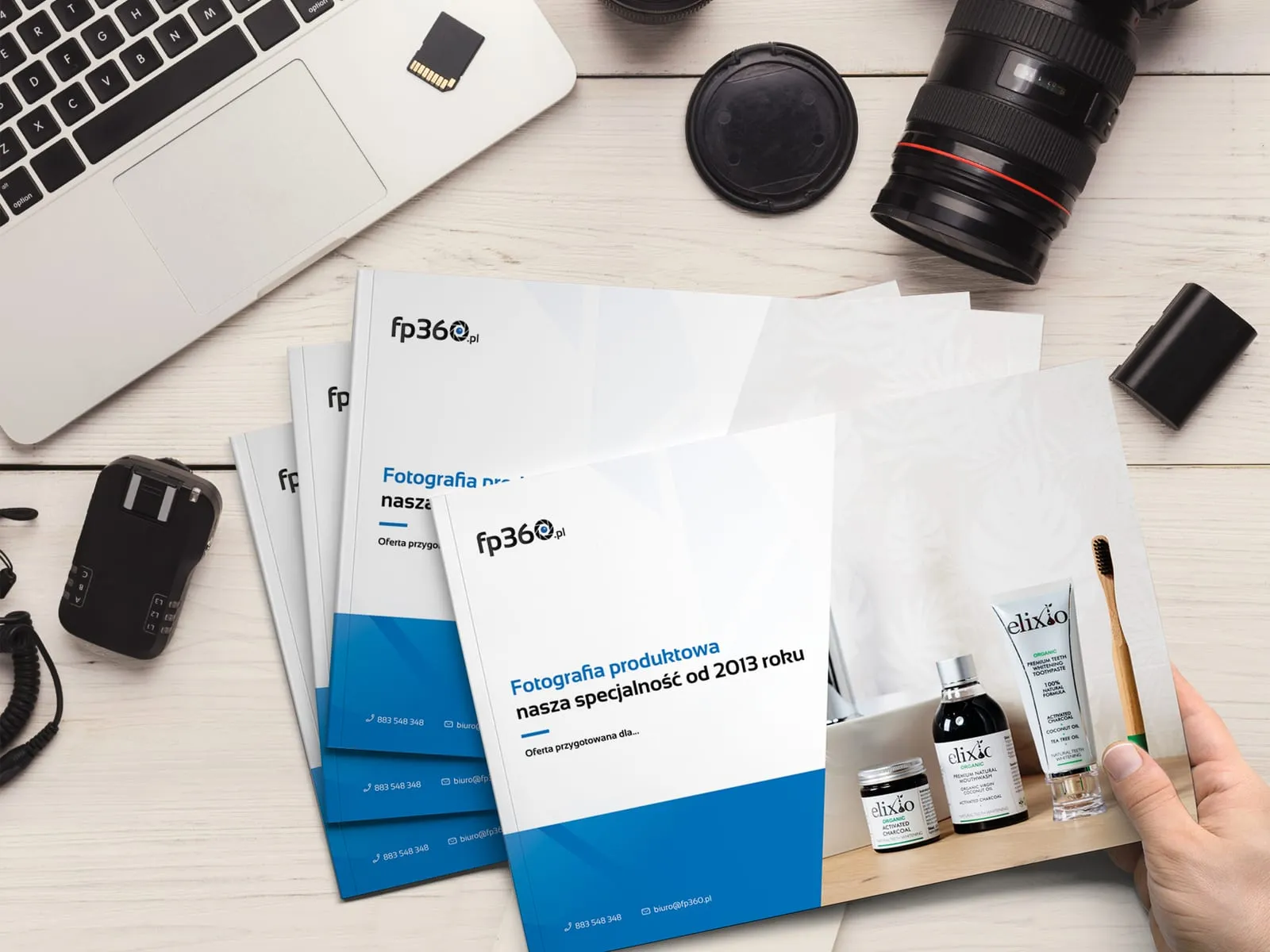
FP360
Brochure and website for a product photo studio
-
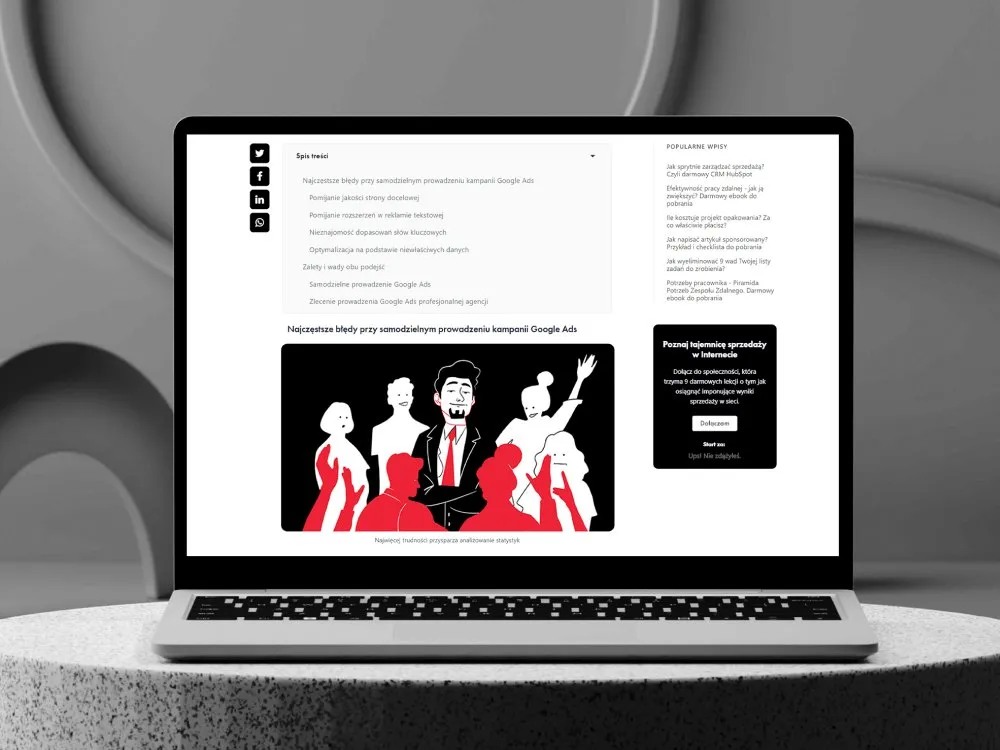
Bold
Editorial illustration system for the Bold brand
-
Wydaj Inaczej
Visual identity for a publishing house
- See what else we build Projects
Start your media software project
From a shift with the duty editor to the build: newsroom CMS, paywall, ad sales panel and radio app in the hands of one team.
Client voices
What our clients say
 Krzysztof Jakubowski President of the Board, Jawny Lublin
“Working on our portal's brand was not the first project UX Agency Wzór delivered for us. We have been working with them for years and we do not intend to change that. Our projects always arrive on time, communication is flawless, and we hold their advice and the quality of their work in very high regard.”
 Marcin Ostrzycki Chief Operating Officer, Selectivv
“After analysing suppliers’ offers we chose UX Agency Wzór. We’re glad we decided to work with them. The time in which the commissioned projects are delivered and their commitment exceed our expectations. They do solid work for us, which is why we recommend them at every turn.”
“UX Agency Wzór helped us define the station’s visual identity clearly and tighten up its consistency. The Key Visual document makes life much easier for us, because everything we need for new graphic materials is in it. The collaboration runs very smoothly, which is a huge plus for us. When something urgent comes up, UX Agency Wzór is always ready with helpful advice and ready to take on new, unexpected challenges.”






























The team
Who will design your media software?
-

Aleksandra Bondar
Senior UX/UI Designer
View profileHow can I help you?
“I will design the story queue and the publishing screen in the newsroom CMS, then go through them with reporters and the duty editor on shift before they reach the developers.”
-

Katarzyna Adamczuk
Prezes, Analityk Biznesowy
View profileHow can I help you?
“I will map out with you the path of an ad order from the salesperson through the traffic planner to a break in the schedule, so that nobody copies data from a spreadsheet into the system.”
-

Tadek Wadas
Senior UX/UI Designer
View profileHow can I help you?
“I will test the paywall window and the subscriber account with readers on their own phones and list what needs changing before launch.”
FAQ
Frequently asked questions about media software
What is a CMS?
A CMS (content management system) is software for managing a website's content: the newsroom writes and formats stories in it, adds photos and embeds, assigns categories and tags and publishes without a developer. Categories group stories by topic or form, while tags tell the reader more precisely what a story contains. Our CMS work starts from the content that appears most often, not from a list of every feature.
How is a newsroom CMS different from an ordinary CMS?
A newsroom CMS differs from an ordinary one in that it takes a story through the newsroom's stages of work, from draft through copy-editing and sign-off to publication, with different permissions for the reporter, the copy editor and the editor. It also lets you schedule the day and time of publication, and it usually connects to the paywall, the ad server and a story planning tool. Before we sketch such a system, we follow a few typical pieces through with the team, from a short news item to a long report.
What is a headless CMS?
A headless CMS is a content management system that keeps stories, photos and video separate from the look of the site and delivers them through an API to every channel: the portal, the app, the newsletter or a TV. The same piece is entered once, and each channel shows it in its own way. With a headless setup, we map out how one piece looks in each channel before the reporter writes it.
What is a paywall?
A paywall is a barrier on a website that locks some or all of its content for readers who have not bought access. Publishers use several kinds: in a freemium model some stories are always free and some always paid, a metered paywall allows a few free stories over a set period, and a hard paywall locks all content. The publisher decides which kind to use, and we check on a prototype where in a story the window interrupts reading.
What is a digital subscription?
A digital subscription is paid access to a publisher's website and apps. That is how Agora counts it, for example: its digital subscriptions are access to the Wyborcza.pl websites and apps. When a publisher sells access to several titles in a bundle, we plan a single account in which the reader sees which services they can use.
What is a TV programme schedule?
A TV programme schedule, called a ramówka in Polish, is a station's programme layout: the set of regularly broadcast programmes and the plan of their broadcast across the season, the week and the day. The daily schedule is a detailed broadcast plan which, besides programmes, contains commercial slots with advertising spots and sponsor boards. On the planner's screen we put the daily schedule and the ad breaks on the same timeline.
What is a broadcast traffic system?
A broadcast traffic system is software used by a television or radio station, in which the ad sales team and planners turn sold campaigns into spots in specific ad breaks and in the transmission log. It places spots while avoiding unfavourable positions and conflicts between brands, and then bills the airings. For sales staff and planners we lay out one campaign view in it, because both groups work on those breaks.
What is Mediapanel?
Mediapanel is an audience survey run by Gemius for Polskie Badania Internetu, the Polish internet research association, and for years it has been the internet measurement standard on the Polish market. PBI describes it as the only cross-media survey on the market, and Gemius, which launched it in 2020 together with PBI and the Radio Research Committee, as passive measurement of internet, television and radio consumption.
How do you build a news portal?
A news portal is built from research with its future readers and from information architecture, and only then from its look. That is how the Jawny Lublin portal came about: after quantitative and qualitative research we built the information architecture and user flows, refined low-fidelity mockups after tests with users, and from several visual directions the lightest and clearest was chosen. We only settle the look of the article page once it is clear what the portal will live on.
Related services
Services related to media software
You know readers drop off somewhere between the article and buying a subscription, but you do not know where.
Let us start by walking that path step by step, with data on where people break it off.
You are planning a new newsroom CMS or a rebuild of your portal.
We will write down with the newsroom, the editors and the sales team what they need, and agree one component library for the portal and the apps.
You have a design for a new article page or paywall window and want to test it before launch.
We will talk it through at a consultation or check it on a prototype with readers.