

Real Estate
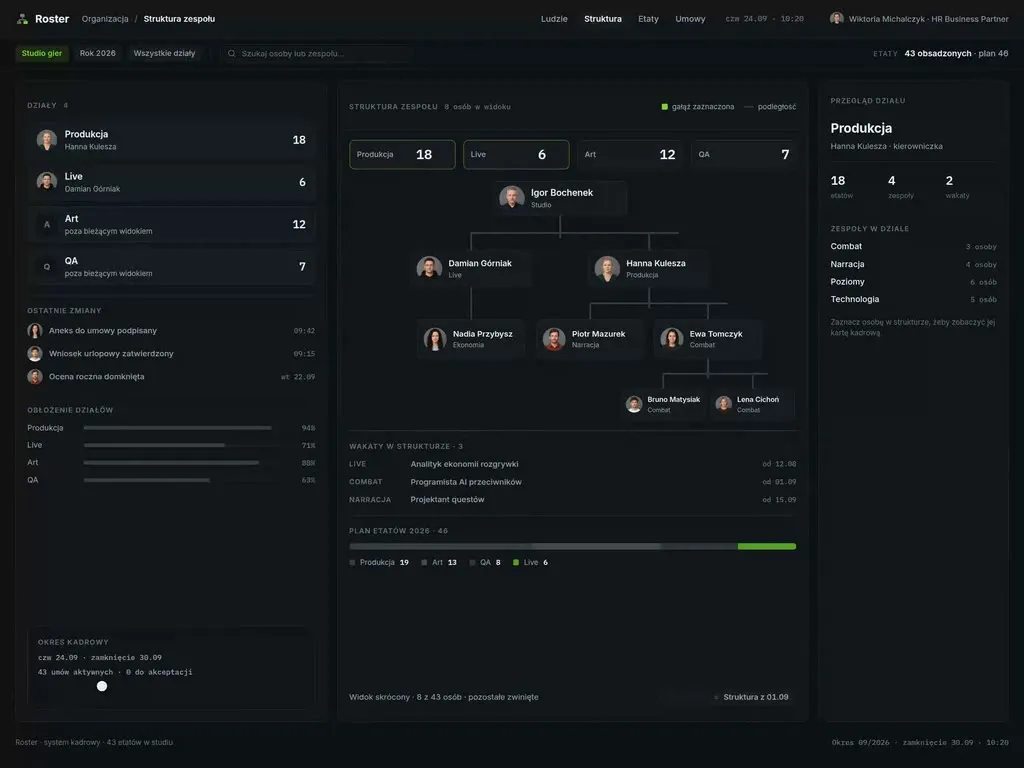
At Wzór UX agency you receive an interactive design of your real estate software, be it a property management system, a developer CRM or a development website with an apartment finder, and either our team or your own software engineers can then build it.







Challenges
What challenges do we help solve in real estate?
Our approach
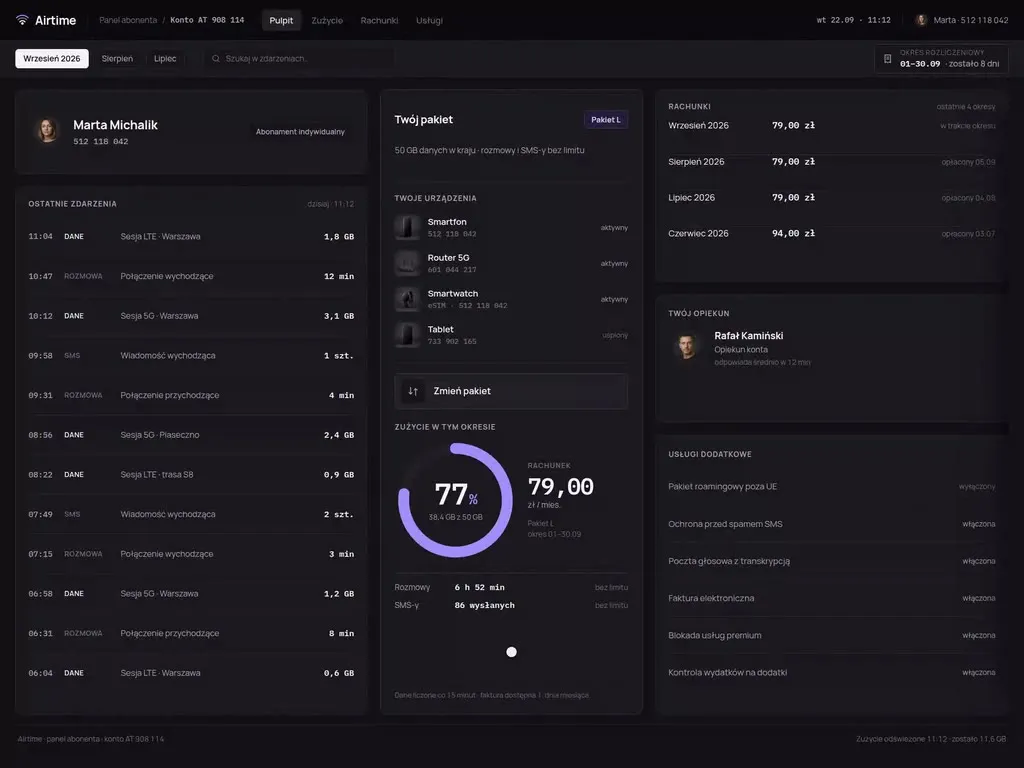
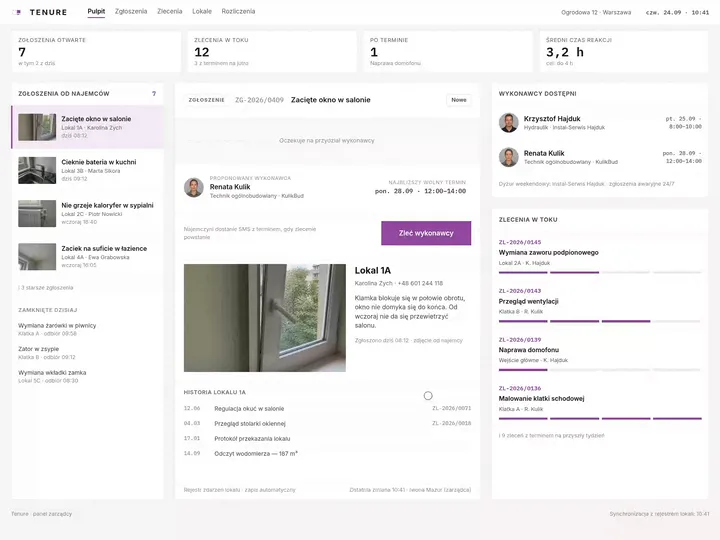
In the property manager's panel we put every request on one list, whether it came from the tenant app or as a phone call to the building manager. A request nobody has acted on within the agreed time goes back to the top of the list, and the tenant sees in the app what stage it has reached.
Scope of services
Our approach
Under the Polish developer act, where the price offered when the contract is concluded differs from the price given on the development website, the buyer has the right to demand that the contract be concluded at the price most favourable to them. That is why, in the design, a unit's price and status are changed by one person in one place, and the website, the listing portals and the daily price report all read them from there.
Scope of services
Our approach
We design the handover on a tablet, where a defect is marked on the unit's floor plan and photographed on the spot, with the buyer present. Every defect goes straight to the service team, and the buyer follows its repair in the buyer portal instead of calling the customer service office.
Scope of services
Who it is for
Which real estate companies do we design software for?
-
Property management systems
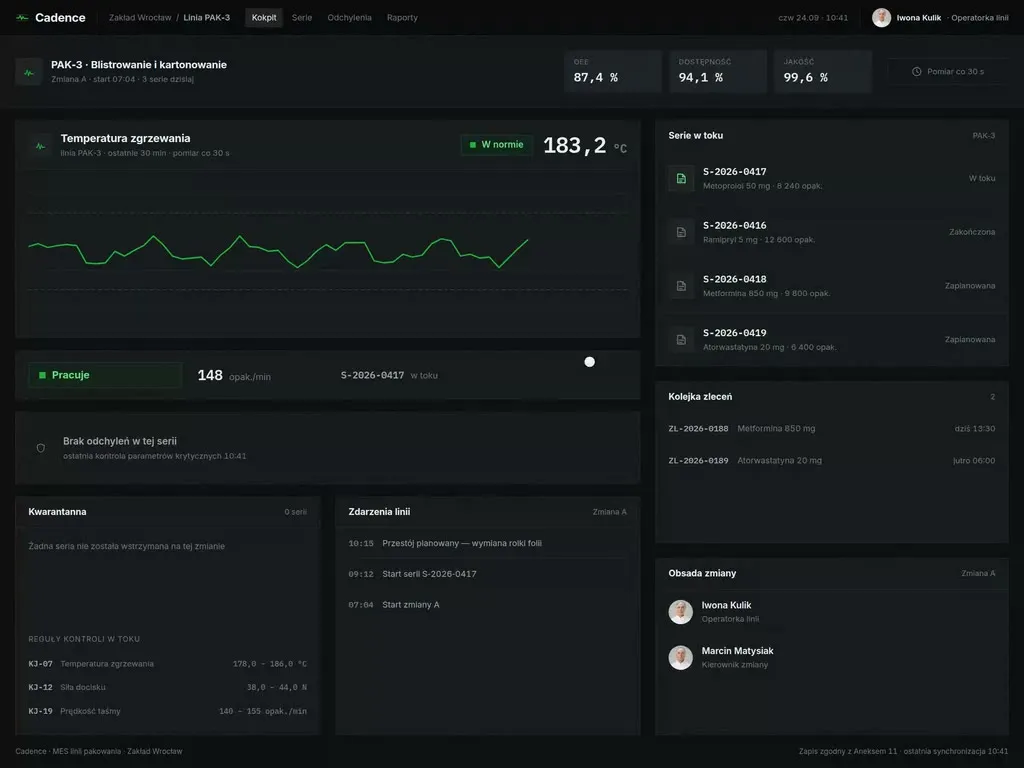
Building management companies, owners of institutional rental housing, social housing associations and housing cooperatives run leases, rent, utility settlements and tenant requests in such a system, and the building manager uses it to send repairs to contractors. In a property manager's panel we lay out one building on one screen: tenants, leases coming to an end and open cases, so that before a walk-round the building manager can see where to go first.
-
Tenant and resident apps
Tenants of flats and offices and residents of housing communities and cooperatives use such an app to check their balance and documents, receive messages from the property manager and report faults. We design the request form so that the address comes from the lease, and the tenant only adds a photo and two sentences of description.
-
Development websites with an apartment finder
Developers sell apartments and houses from a development website, where the buyer chooses a building, a floor and a unit before calling the sales office. We have designed sales materials in print: a catalogue and a flyer for the Piotrkowska 44 development in Łódź for the developer Vision Invest, with apartment specifications, floor plans and floor areas, and a catalogue for the Top House 1000 modular home. When designing a development website, we put the floor plan at the centre of each apartment's page, next to its floor area and price, and comparing two offers begins from there.
-
Developer CRMs
Developers' sales and customer service teams follow a unit in their CRM from the portal enquiry through reservation and contract to handover, and the payment schedule and defects stay in it until the warranty ends. We give the sales adviser a client screen with the homes they viewed and the next step, and the after-sales team a view where payments, changes and the handover date sit side by side.
-
Estate agency CRMs and listing portals
Estate agencies and agency networks publish listings from their CRM to dozens of portals at once, and agents take enquiries from there and book viewings, often from a phone on the way between flats. In the phone version we put today's viewings and new enquiries about the agent's listings first, and adding a listing starts with photos taken on site.

Why us?
Why choose our UX agency?
-
A viewing booked in the first conversation
An enquiry from a portal reaches the agent together with the listing it concerns and the free slots in their calendar, so the viewing is agreed in the first conversation. The client does not sit waiting for a call while browsing competitors' listings in the meantime.
-
Shorter gaps between tenants
The property manager sees ahead of time which leases are about to expire and immediately plans an inspection of the unit and a new listing. The flat is let again soon after the tenant moves out, not after weeks in which nobody pays for it.
-
The state of every development in one view
The board sees sales, payments and handover progress for each development in one place, instead of assembling a report from three teams' spreadsheets. It decides on a new price list or the order of handovers using data from the same day.
-
A senior team
A team of senior UX designers who have been designing interfaces for nine years, today for large organisations, SaaS companies and software houses. Seniors will take on your development website, CRM or property manager's panel, from research in the sales office and at handovers to sign-off.
-
Proven client trust
We have designed for 115 brands, and most of them come back to us with their next project.
-
Higher quality with AI
A designer with AI tools checks more variants of a unit page or a fault report screen than they could draw by hand and picks the one that works. What reaches you is a tested version, not the first one that came out.
Process
How will we design your real estate software, step by step?
-
A conversation with your team

We set the goals and list the systems a unit, a contract and a request pass through
We invite the people responsible for sales, buyer or tenant services and building management to the first meeting, together with someone from IT, because each of them sees a different stretch of a unit's path from listing to occupant. We choose the process we start with and the measure by which you will know the change works.
Key steps
- Conversations with the sales director, customer service, the property manager and IT
- A list of systems: CRM, development website, listing portals, finance and accounting system, property management software
- Choosing the process we start with
- Agreeing the measures: time from enquiry to meeting, requests closed on time, calls to the customer service office
Deliverables
- Project brief
- Map of a unit's path through the systems
- List of measures
- Scope of the first stage
-
Discovery in the sales office, at handovers and in the building
We study the work where a unit is sold, handed over and maintained
We sit in the sales office on a Saturday, when most buyers come in, go to handovers with the technical team and walk round the building with the building manager. We note every workaround, because it shows what the system does not provide: a price spreadsheet beside the CRM, a photo of a defect sent over a messenger, a paper handover report, a notebook of requests at the front desk.
Key steps
- A Saturday in the sales office with the sales advisers
- Unit handovers with the technical team
- A walk-round of the building with the building manager and technician
- A day with an estate agent between viewings
- Conversations with buyers and tenants who recently called the customer service office
Deliverables
- Research report
- Process map showing the workarounds
- Prioritised list of problems
-
Interactive system design
A design that buyers, sales advisers, building managers and tenants go through
We fill the prototype with data from your development or building: floor plans, unit statuses and the real kinds of requests, so that a unit with two parking spaces and a storage room tests the layout of the unit page straight away. Buyers go through it on their phones, sales advisers at their desks, and building managers and tenants where they usually report problems, and whatever makes them stop we change while it is still a prototype.
Key steps
- Screen architecture by role: buyer, sales adviser, after-sales team, building manager, tenant, agent
- Interactive design built on data from your development or building
- Exception states: expired reservation, unit withdrawn from sale, defect rejected at handover, contractor cancelling a visit
- Prototype tests with buyers, tenants and the team
Deliverables
- Interactive design of every screen
- Component library
- Description of behaviour in exceptions
- Prototype test report
-
Build or design hand-off
We connect the new screens to the systems your sales and property management run on
The build is carried out by our team, your software engineers or the system vendor, and we spell out for them how the new screens connect: to the CRM and unit catalogue, the development website and 3D model, the daily price report, the listing portals, the finance and accounting system and the bank holding the escrow account, the property management software and electronic signing of contracts. Before the whole company switches over, we test it on a single development or in a single building.
Key steps
- Screen and field specification for software engineers
- Integration map: CRM, development website, price report, portals, finance and accounting, bank, property management software
- Support for the implementation team
- A trial on one development or in one building
Deliverables
- A working system or a package ready to build
- Integration specification
- Pre-launch trial report
-
Measuring after the first months
We check against sales, handover and request data whether the change worked
After launch we compare the time from enquiry to meeting, requests and defects closed on time, calls to the customer service office and price mismatches between channels with the measurement taken before the change. We discuss the results with sales, customer service and the property manager, and rank the fixes starting with the one that costs the company most.
Key steps
- Measuring the time from enquiry to meeting
- A review of requests and defects closed on time
- Conversations with the team after the first months
- Plan of fixes
Deliverables
- Measurement report
- Prioritised list of fixes
- System development plan
Methods and technologies
Systems, standards and regulations we work with in real estate
-
Pivotal Deweloper and voxDeveloper
When you sell apartments in a developer CRM such as Pivotal Deweloper or voxDeveloper, the unit catalogue feeds the development website and the portals, and a reservation has to show in every channel at the same moment. So a status change is designed as a single action the sales adviser takes with the client, with the reservation end date on the same screen.
-
dane.gov.pl
The Polish developer act requires a developer to submit, once a day, the data contained in the information it gives on the development website to the minister responsible for digital affairs, who publishes it on the dane.gov.pl portal. Since 11 November 2026 this data has been submitted as an electronic document in a structure set by the minister, which is why the report draws on the same unit catalogue fields that the unit page on the website comes from.
-
3D models and navigators
When a development website is backed by a 3D model or navigator, for example from 3D Estate or Galactica, the colour of a unit tells the buyer whether it is available, reserved or sold. We link each unit in the model to the same page the finder's table leads to, with an enquiry form that goes into the CRM.
-
ASARI, EstiCRM and Galactica Virgo
When an agency runs its listings in software such as ASARI, EstiCRM or Galactica Virgo, a single listing goes out through an XML or API export to dozens of portals, from Otodom and Morizon to Gratka, and enquiries from those portals come back into the CRM. We lay out the listing form so the agent sees at once which portals the listing will go to and what it still lacks, instead of checking each portal separately.
-
Housing escrow account
Under the Polish developer act, the buyer pays into the housing escrow account in line with the progress of the development project, after a stage in the schedule is completed and in amounts that depend on the actual degree to which the stages have been carried out, and the developer informs the buyer on paper or another durable medium that a stage has been completed. So in the buyer portal the schedule of stages sits next to the payments, and each completed stage carries the notice the developer sent.
-
Mieszczanin, Yardi and MRI
When the property manager keeps units, tenants and settlements in software such as Mieszczanin with its e-kartoteka portal, or in a system such as Yardi or MRI, the tenant app shows only the data and functions the manager makes available there. We design the app screens together with a list of the fields the property management software has to provide, so tenants never land on empty tabs.
Selected work
Our work for real estate and construction
A catalogue and flyer for a residential development, a catalogue for a modular home and a visual identity for an investment firm are projects for real estate companies. Next to them stand a website for a steel structures manufacturer, a catalogue of made-to-measure glass, a visual identity for a steel-hall builder and a brochure for a construction company.
-
Industrial Manufacturing
SpotOn
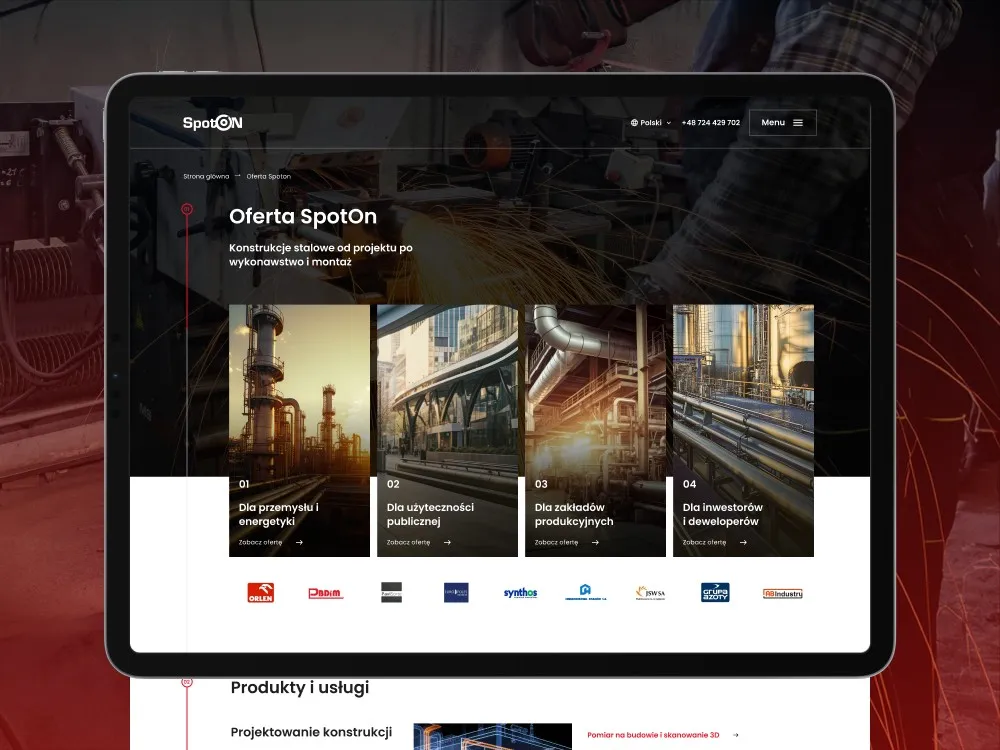
View projectThe SpotOn site - a company that builds steel structures from design to assembly. The offer is split into four client segments (industry and energy, public utilities, production plants, investors and developers), a services section (design, production, construction and assembly, industrial halls), a project gallery, a European reach map and a contact form. A red-and-black identity, shown on tablet and laptop mock-ups.
-

Real Estate
TOMCZAK
View projectA visual identity for TOMCZAK International Investments - a geometric mark built from a building silhouette, a navy-and-gold palette, Poppins typography and collateral: stationery, folders and business cards with a gold-foil logo.
-
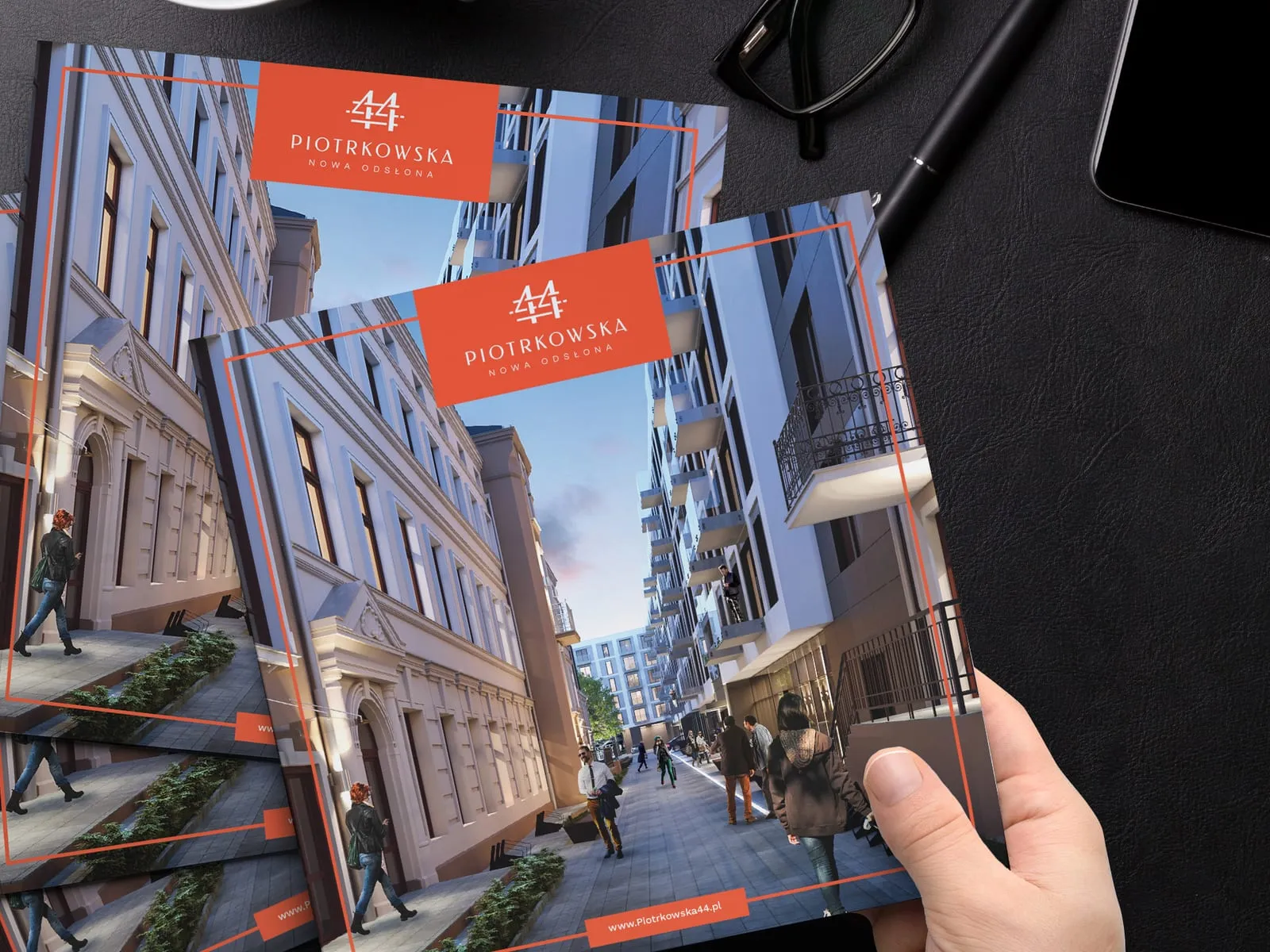
Piotrkowska 44
Catalogue and flyer for a development
-
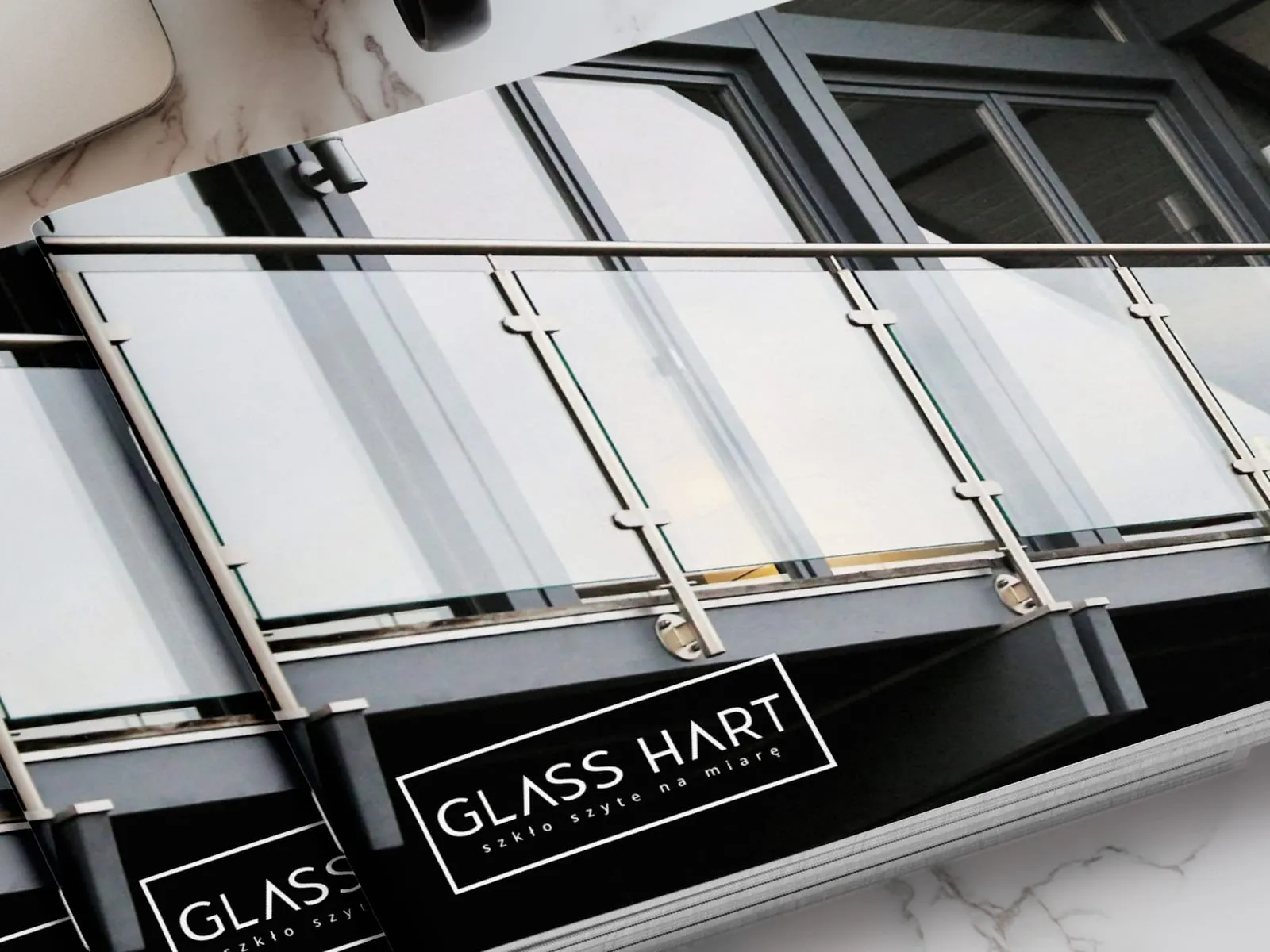
Glass Hart
Product catalogue for tailor-made glass
-

Glob-Stal
Visual identity for a steel-hall builder
-
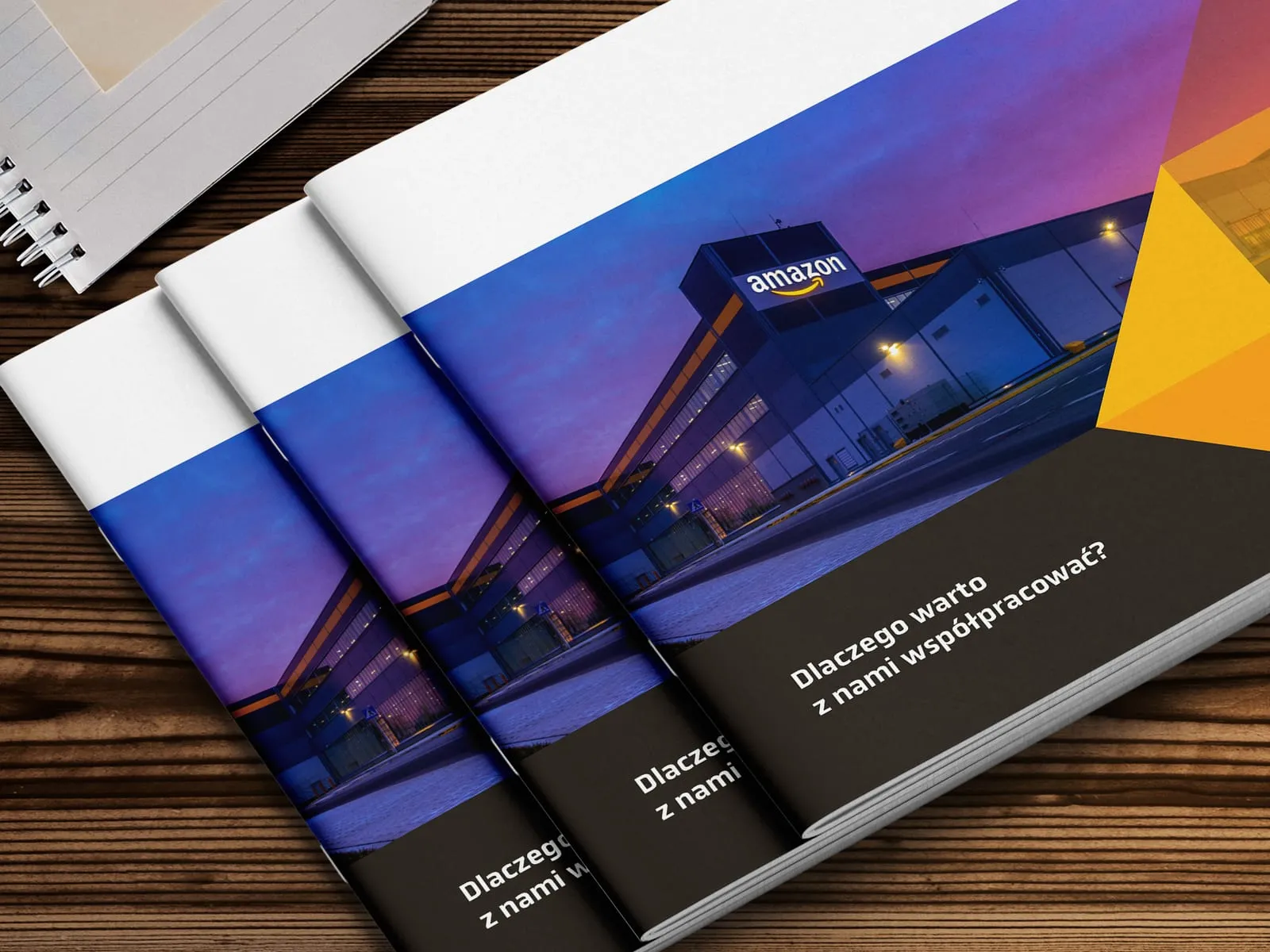
Grenbud
Brochure and company profile for a builder
-
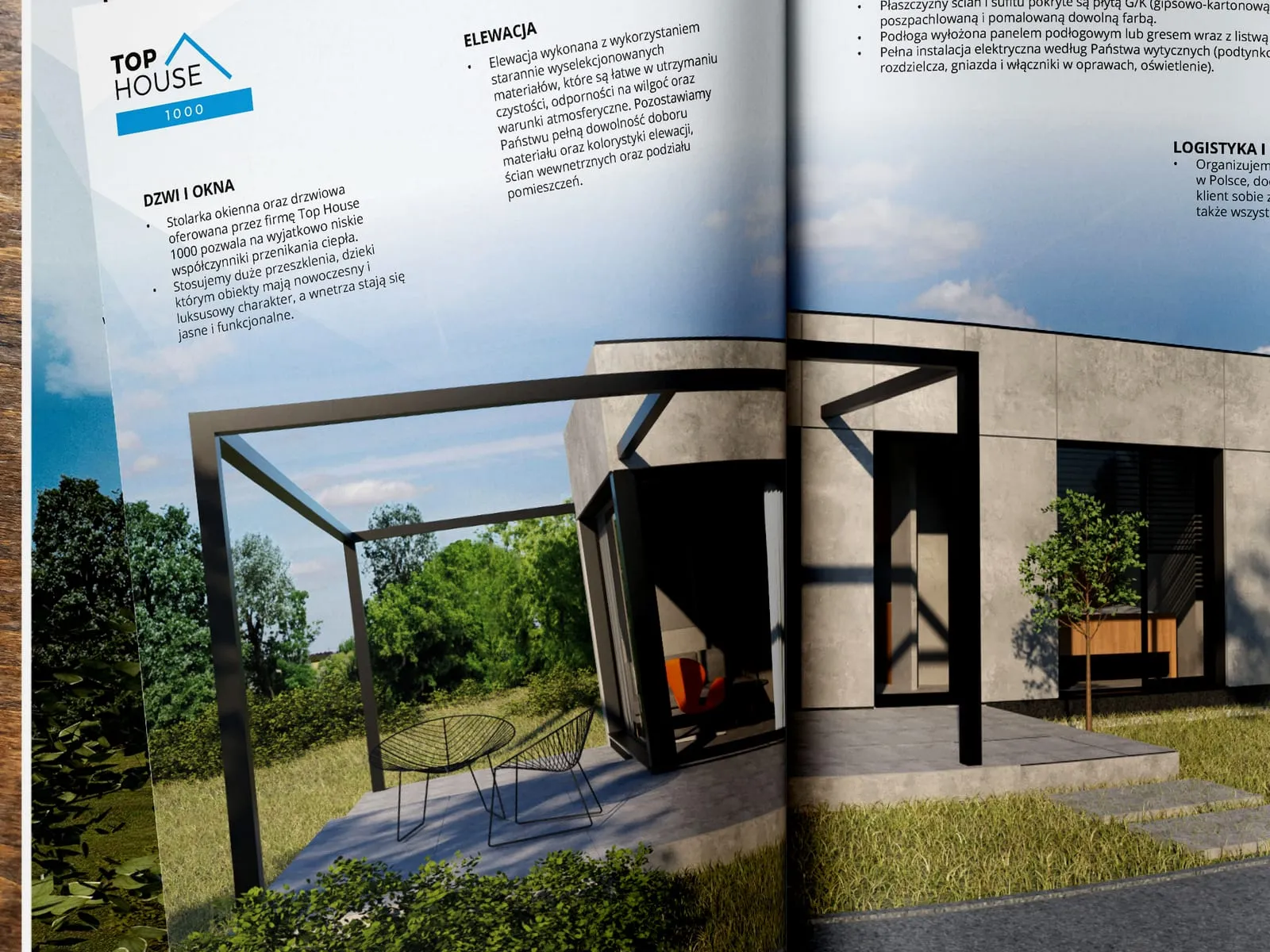
Top House
Catalogue for Top House 1000 modular home
- See what else we build Projects
Start your real estate software project
The development website, the developer CRM, the property manager's panel and the tenant app are designed by one team, which then builds them.

Client voices
What our clients say
 Daniel Sydorowski President of the Board, Spot-On Welding Sp. z o.o.

“Our website, catalogs, sales offers, leaflets, car wraps. Everything our client sees goes through UX Agency Wzór. One team, one standard, zero effort on my side to keep things consistent. We have been working together since 2022, and that is probably the best recommendation I can give.”
 Maja Wieloch-Silecka Operations Director, Bosfor Group

“Working with the Wzór team was a genuinely great experience! They always answered our questions quickly and were flexible about our comments. They have no shortage of creative ideas and are at the same time thoroughly reliable and on time. The end result fully met our expectations; we recommend them to anyone looking for professionals who care.”
 Piotr Alberski Chief Operating Officer, Agencja XO Media

“Our clients expect us to act fast and effectively across a very wide scope - from building a brand, through a website with a store, to running an effective sales campaign. Not an easy task, but doable when you have a tight-knit team and partners who take on challenges on the fly. For us, quality, accountability and commitment are key, and working with UX Agency Wzór gives us that 100%.”





























The team
Who will design your real estate software?
-

Aleksandra Bondar
Senior UX/UI Designer
View profileHow can I help you?
“I will design the apartment page in the finder so that its floor plan, floor area and price history fit on a single phone screen.”
-

Katarzyna Adamczuk
Prezes, Analityk Biznesowy
View profileHow can I help you?
“I will map out with you how a unit travels from the CRM catalogue to the development website, the portals and the price report, and agree who changes its price and status at each stage.”
-
Patryk Korycki
CEO, Analityk Biznesowy
View profileHow can I help you?
“I will agree the scope and budget with you, and during the build I will be responsible for the order in which sales, buyer services and building management move to the new system.”
-

Tadek Wadas
Senior UX/UI Designer
View profileHow can I help you?
“I will test the prototype with buyers comparing two apartments and with the building manager on a walk-round of the building, then write down what to change on the unit page and in the property manager's panel.”
FAQ
Frequently asked questions about real estate software
What is property management software?
Property management software is a system in which a property manager or owner handles leases, rent collection, repairs and payments, and tenants have their own portal in it. In Polish products such as iNajem, the owner, the property manager and the tenant each get their own account, and the tenant can enter meter readings in the app for the utility settlement. For such software the first screen we draw is the one the building manager checks in the morning, before heading to the building.
What is a resident portal?
A resident portal is a website or app in which a member of a housing community, cooperative or social housing association checks settlements and charges, downloads documents from the property manager, writes to them and reports faults, then follows what happens to them. Some portals also allow online payments and remote voting, and which functions are switched on depends on the property manager. We lay out the fault report screen so it can be sent one-handed, standing by a dripping tap.
What is a developer CRM?
A developer CRM is a system in which the sales team manages clients, reservations and contracts for units, and the buyer services team manages payment schedules, fit-out changes, handovers and service requests. At its centre is the unit catalogue with prices and statuses. The design starts from that catalogue: sales, customer service and the technical team each see the same unit through different fields.
Since when do developers in Poland have to publish apartment prices?
Developers in Poland have had to publish apartment prices since 11 July 2025, and those who had started selling earlier were given two months to comply. Under the developer act, a developer must run its own website on which, from the start of sales, or before the first reservation agreement where it uses them, until the rights under the last contract are transferred, it makes available the general part of the information prospectus, the address of its registered office and of the premises where sales take place, how buyers can contact it and the location of the development, and gives the price per square metre of usable floor area of each unit or house on offer, the price of the whole property or its part, the price of ancillary rooms and of rights needed to use the unit where it is not included in the unit price, and the buyer's other monetary obligations, all including VAT. The developer records every price change with its date, keeping the earlier prices, and gives the address of this website in advertisements, listings and sales offers. We make the price history part of the apartment page rather than a separate table in downloadable files.
What is a developer's information prospectus?
A developer's information prospectus is a document about a given development that a developer must prepare when it starts selling, following the template annexed to the Polish developer act. Before a development agreement or the reservation agreement preceding it is signed, the developer delivers it free of charge to the interested person, with its annexes, on a durable medium, and where it is not on paper, makes a paper copy available at its premises on request; any change to the data is delivered as an annex or a new prospectus. In a buyer portal, the prospectus and its annexes sit together, with the delivery date beside each document.
What is a reservation agreement?
A reservation agreement is an agreement in which the developer undertakes to temporarily withdraw from sale the apartment or house the person making the reservation has chosen. It is concluded for a fixed term and in writing, on pain of invalidity, and sets out in particular the parties, place and date, the price of the unit, the reservation fee where the parties have provided for one, the period of withdrawal from sale, the unit's position in the building, and its floor area and room layout. In the reservation form of a developer CRM we set out the fields from this list in the order they appear in the contract, so the adviser sees what is missing before printing the document.
How does the handover of an apartment from a developer work?
The handover of an apartment from a developer takes place in the buyer's presence, before ownership is transferred, once the decision granting the occupancy permit has become final (for a single-family house, once the building control authority has been notified of completion and has not objected), and the buyer may list defects in the handover report. Within 14 days of signing the report, the developer gives the buyer, in paper form or on another durable medium, either an acknowledgement of the defects or a refusal with its reasons, and if it does not, it is deemed to have acknowledged them; it repairs acknowledged defects within 30 days of signing the report, unless despite due diligence it cannot and sets another date with reasons for the delay. Where there is a material defect that the developer does not acknowledge in the report, the buyer may refuse the handover. Both deadlines are counted from the date of the report and shown to the buyer separately for each defect.
What are fit-out changes?
Fit-out changes are changes to an apartment's design that the buyer orders from the developer while the building is still under construction. They are usually requested after the development agreement is signed and before the handover, and the deadline and costs are set in the agreement with the developer. A change moves from request through pricing and approval to an annex to the agreement, and the portal shows which of those steps each change has reached.
How does an apartment finder on a development website work?
An apartment finder on a development website lets the buyer pick a unit in two ways: on the floor plan or from a table filtered by floor area, number of rooms, floor and price. The chosen unit opens a page with its floor plan, floor area, a breakdown of room areas and its position in the building and relative to the points of the compass. Alongside the finder we also design a side-by-side comparison of two chosen apartments, floor plan against floor plan.
Related services
Services related to real estate software
You know buyers drop out between the apartment finder and the first meeting, but not at which step.
Let us start with the enquiry form data and the development website, to find the point where people give up.
You are choosing a developer CRM or property management software and are looking for a starting point.
We will write down with sales, customer service and building managers what they need, before you compare vendors.
You have a design for a tenant app or a buyer portal and want to test it with people.
We will go through it with you at a consultation or check it in a study with its future users before it goes into the build.