

MVP development
At Wzór UX agency, MVP development ends with a working MVP of your product that our team or your own developers can keep building on after launch. We based the Fonia and EzzyGuide app designs on an MVP approach. Before the build, we help you choose the launch features as part of a product strategy, and once the MVP proves itself, we grow it into full custom software.







Challenges
What challenges does MVP development help you solve?
Our approach
We build the first version around the one decision it has to settle and the one path that leads to it. Features off that path go on a deferred list, each with the condition under which it comes back, so the money goes into whatever gets you an answer.
Scope of services
Our approach
Before we pick a technology, we write down at what number of users, which integration and which data requirement the current solution will stop being enough. With a prototype from an AI generator, a no-code tool or Figma, we tell you straight away what carries over into the product and what has to be written anew.
Scope of services
Our approach
We design and build the states nobody draws in mockups together with the main path: an error, an empty view, a dropped connection, a slower phone. We open accounts in batches, so whatever the first group runs into is fixed before the next one sees it.
Scope of services
Who it is for
Which companies do we provide MVP development for?
Companies with a new product
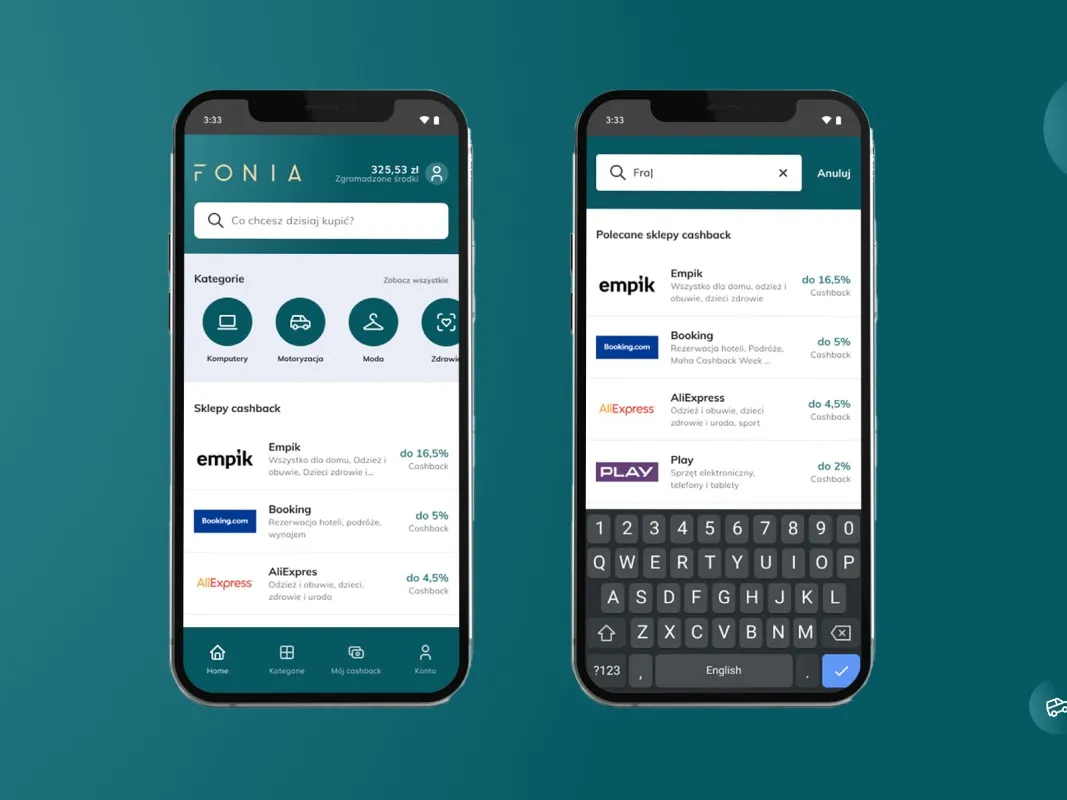
We have designed first versions of products that a company wants to test before pulling them into its day-to-day work, among them the Fonia cashback app, whose business model the client was testing before a full rollout. We run the test away from your core systems, so it never slows down what already earns money.
Services moving online
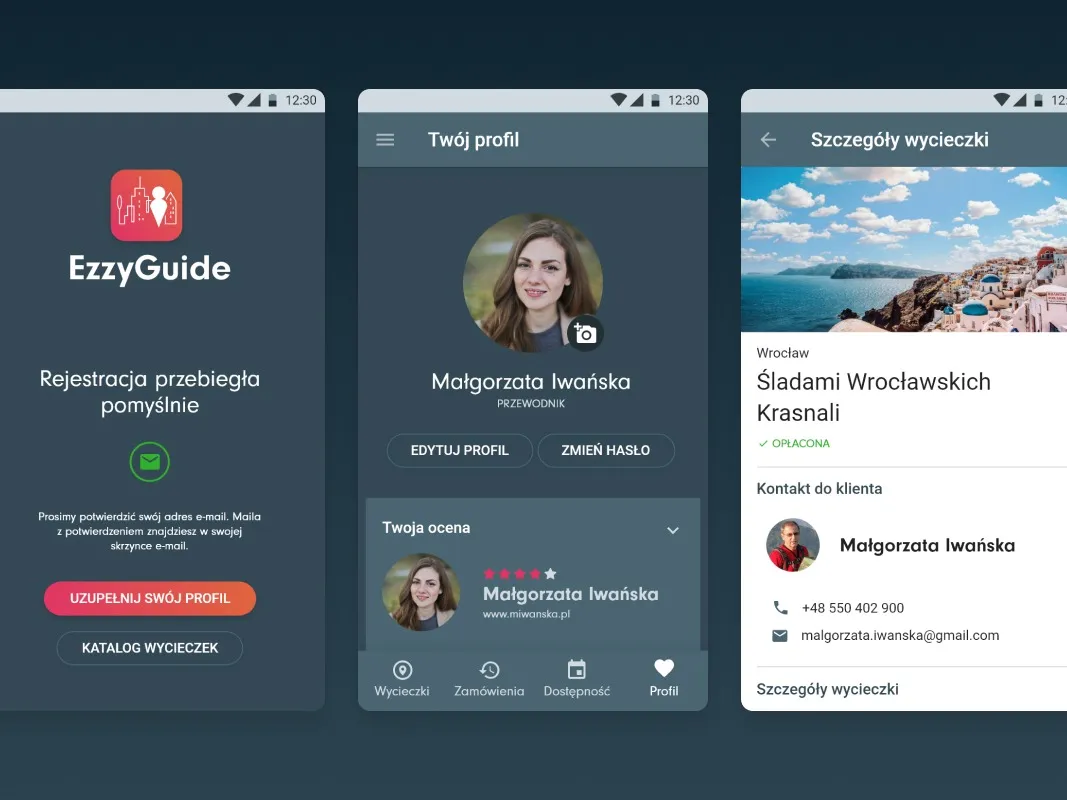
For companies that sold the traditional way, without an app, we design the move of sales onto the customer's phone: that is how we designed EzzyGuide, an app connecting mountain guides with travellers. The key parts there were two kinds of accounts, guide and traveller, and booking a tour with a choice of date and group size.
Startups before their first users
For startup founders we build a version you can hand to your first users before the rest of the product exists. A version like that settles arguments about direction that have been dragging on in meetings for a quarter.
Internal tools
We move a process that grew out of a spreadsheet and a form into an app with accounts, roles and a change history, starting with the task people do most often. We make sure nothing your team relies on today disappears in the first version, not even a column nobody ever documented.
Software houses and IT departments
When your team is busy with current clients, we build the first version alongside it, in your conventions and your repository. That way taking the product over after launch does not mean learning somebody else's code.
- E-commerce
- Software
- Banking & Finance
- Healthcare
- Energy
- Media
- Aerospace & Defense
- Automotive & Mobility
- Crypto & Blockchain
- Education
- Entertainment
- Fashion & Accessories
- Grocery Retail
- Gaming
- Public Sector
- Insurance
- Logistics & Fulfilment
- Industrial Manufacturing
- Pharma
- Real Estate
- Retail & FMCG
- Cybersecurity
- Services
- Sport
- Telecommunications
- Transport & Travel

Why us?
Why choose our UX agency?
-
One cost instead of two
Our interactive design is code from the start, so an MVP built on it does not begin with rebuilding mockups. You pay for adding accounts, data and integrations to a path you have already approved.
-
Independence from your supplier
From day one the code lives in an account that belongs to you. Changing teams after launch never starts with negotiating access to your own product.
-
A stronger case for investors
You walk into an investor meeting with a product your first users are already using. That answers the question that comes right after the pitch: is anyone actually using it?
-
A senior team
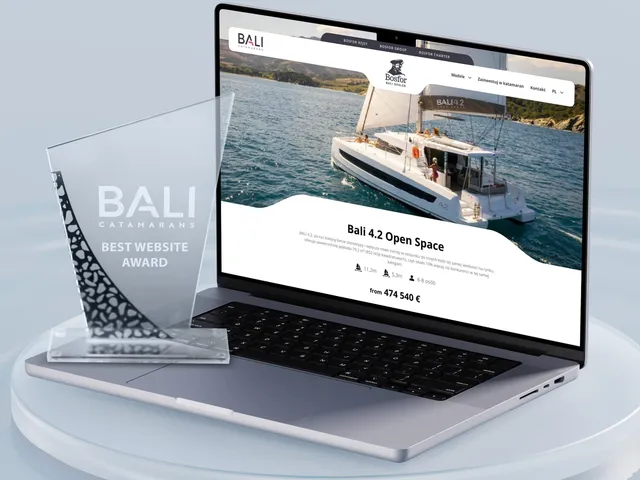
A team of senior UX designers who have been designing interfaces for nine years, today for large organisations, SaaS companies and software houses, including the Tip Card and Bosfor Charter platforms. Your first users get a product they understand without instructions.
-
Proven client trust
We have designed for 115 brands, and we delivered the Fonia MVP app design with a clickable prototype in four weeks.
-
Higher quality with AI
A designer working with AI tools checks more variants of a path than they could draw by hand. What goes into code is the chosen variant, not the first one that came out.
Process
How will we run your MVP development, step by step?
-
A conversation with your team
We agree the hypothesis to test and the success criteria
First we write down with you which assumption the first version is meant to test and how you will know the test has worked. Features come only after that, because every decision about scope hangs on those two notes.
Key steps
- A conversation about the business goal and the hypothesis
- Success criteria for the first version
- Choosing the first group of users
- A list of deferred features, each with a condition for coming back
Deliverables
- The goal of the first version
- Success criteria
- Deferred feature list
-
Discovery and scope
We check what on the user's path affects cost and technology
We walk the route from entry to the first result and mark personal data, payments and connections to your systems along it. This is also where we decide whether the first version runs in the browser, on the phone or in both.
Key steps
- A map of the main user path
- A review of the data and integrations the product will handle
- Writing down the technical ceiling before choosing the tech
- A list of documents you need before launch, such as terms of service and a privacy policy
Deliverables
- Path map
- Technology decision with its rationale
- First version scope
-
Interactive design and build
We design the main path and build it in code, release by release
You click through the path in the interactive design and send your comments before we add a database and sign-in to it. After that a new release goes up on the staging environment every week, so you follow progress in the working product.
Key steps
- An interactive design of the main path
- Interface components together with error states and empty views
- Sign-up, sign-in, roles and data storage
- Connections to payments, email or your API
- A weekly release to staging
Deliverables
- Interactive design
- App on staging
- Component library
-
Launch or handover
We put the product live at your address and open it to the first users
Before launch we set up the domain, backups and error monitoring, so we see a failure before a user does. After launch the product is run by our team or yours, with documentation that lets anyone start the project on a new computer.
Key steps
- Domain, certificate and production setup
- Backups and error monitoring
- Opening accounts in batches
- Handing over the repository and documentation, or carrying on with us
Deliverables
- Product in production
- Setup documentation
- Configured monitoring
-
Fixes after launch
We fix what real use has surfaced and plan the next version
We fix the bugs your first users run into and collect their reports in one place. That becomes the task list for the next version, ordered from the things that stop people on the path today.
Key steps
- Fixing bugs from real use
- Reviewing analytics from the first weeks
- A conversation about where the product goes next
- A task list for the next version
Deliverables
- Analytics summary
- Next version task list
- Recommendation on what comes next
Methods and technologies
Technologies and methods we use in MVP development
-

React
In React it is easy to pile up libraries that each handle one thing in their own way. For an MVP we pick only the ones the team taking over the code after launch can maintain.
-

Next.js
In Next.js the line between server code and browser code is thin, and a key or someone else's data can easily slip across it. We make sure sign-in, keys and database queries stay on the server.
-

TypeScript
TypeScript takes more typing up front than plain JavaScript, and you notice it on the first screens. It pays off the day another team takes over the code, because the types tell them what each part expects.
-

React Native with Expo
We release a React Native app built with Expo to testers through TestFlight first, because the App Store does not accept beta versions. Only a version that stands on its features alone goes to Apple's review.
-
Design system
We start the design system with the first version, on the screens of the main path. Later modules are assembled from the same components, so building on a successful test goes faster and looks consistent.
-
Product analytics
We wire product analytics in before the first release, at the steps of the path that decide something. After the first weeks you can see where people drop off, instead of guessing it from a handful of conversations.
Selected work
Our work
-
E-commerce
Fonia
View projectFonia connects online shopping with cashback: users search for a store, shop, and get part of the money back. We designed the full path from the cashback store search, through sign-up and payouts, to an account panel with balance and withdrawals.
-
Transport & Travel
EzzyGuide
View projectEzzyGuide connects licensed mountain guides with people looking for tours: a catalogue of offers, date booking and contact with the guide, all in one app. We designed two account types, the tour order flow, and guide and traveller profiles.
-
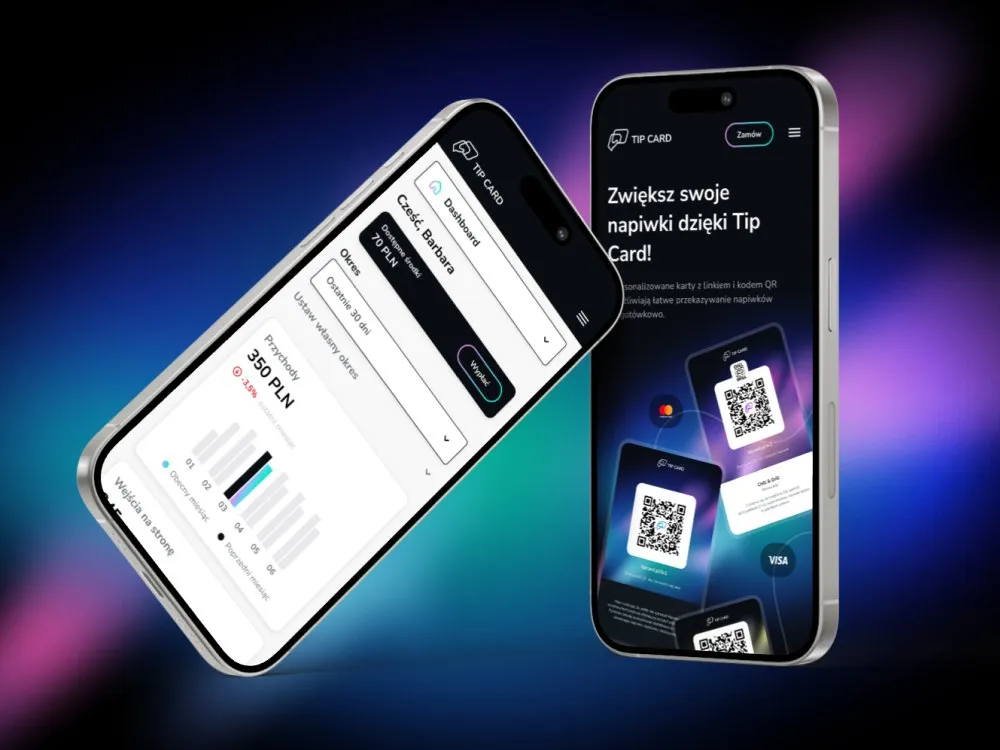
Tip Card
Cashless tipping platform
-
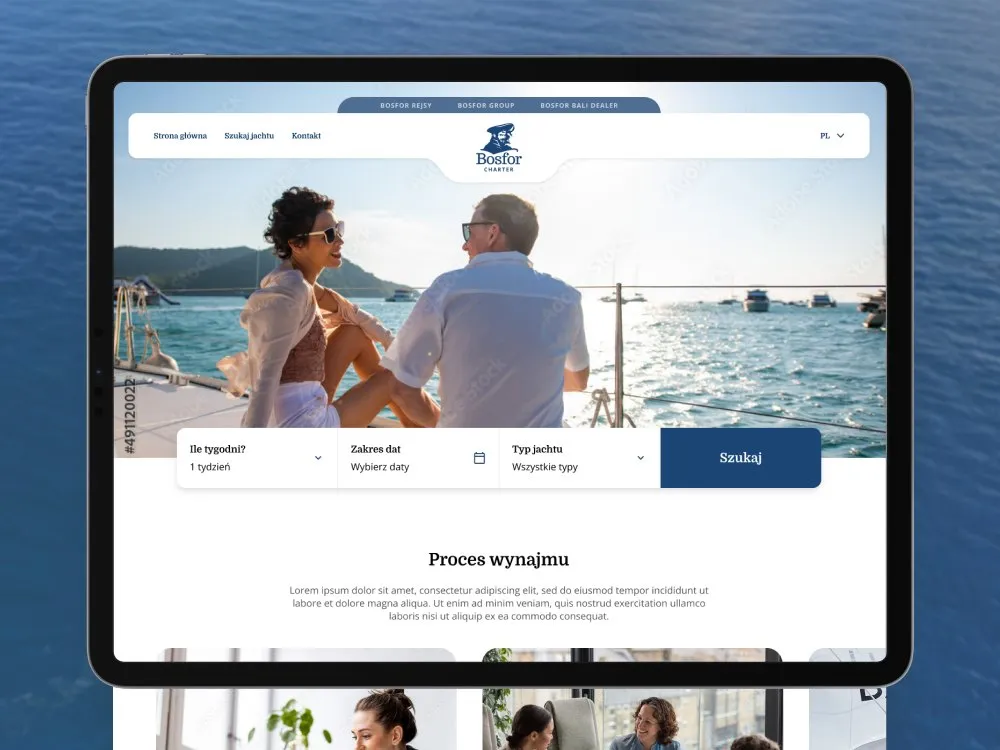
Bosfor Charter
Yacht charter platform with booking
-
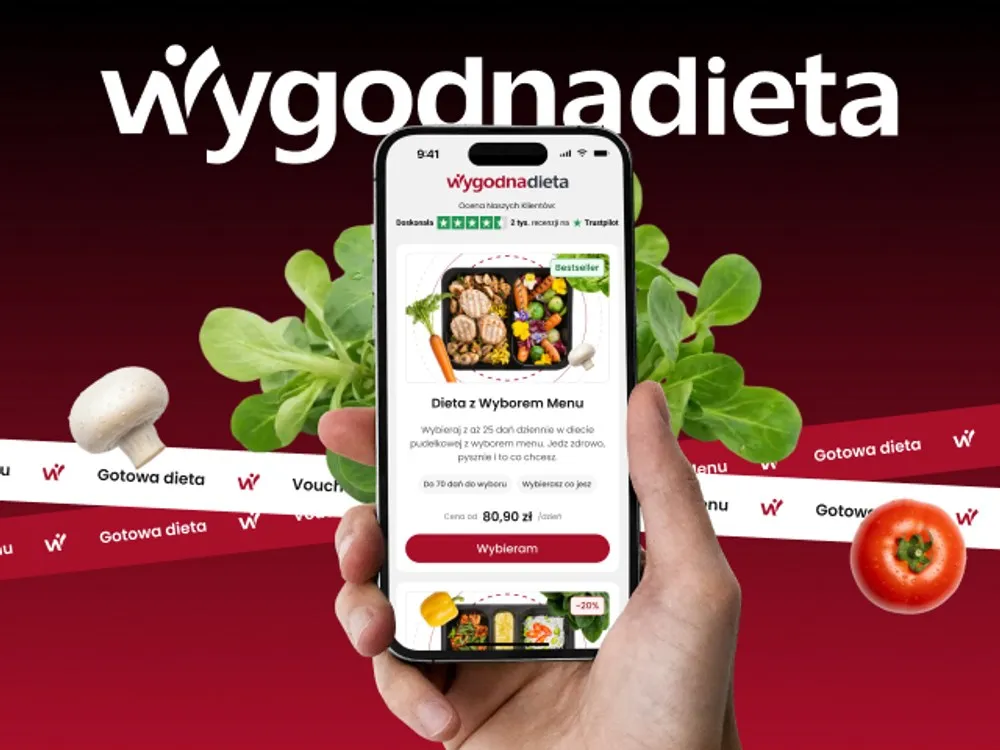
WygodnaDieta
App and online store for a meal-box diet service
-
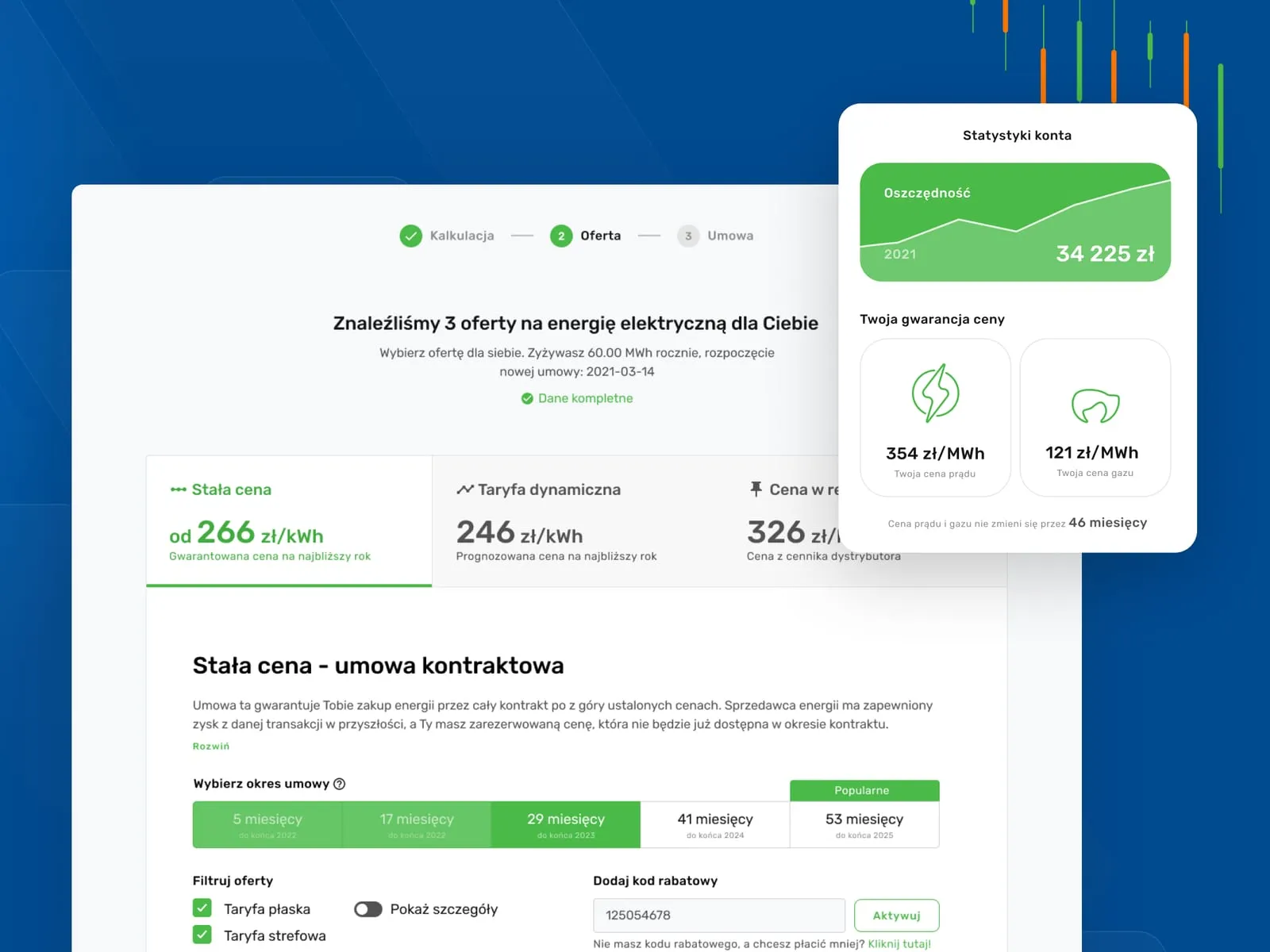
Wolumen
Energy and gas price comparison for businesses
-
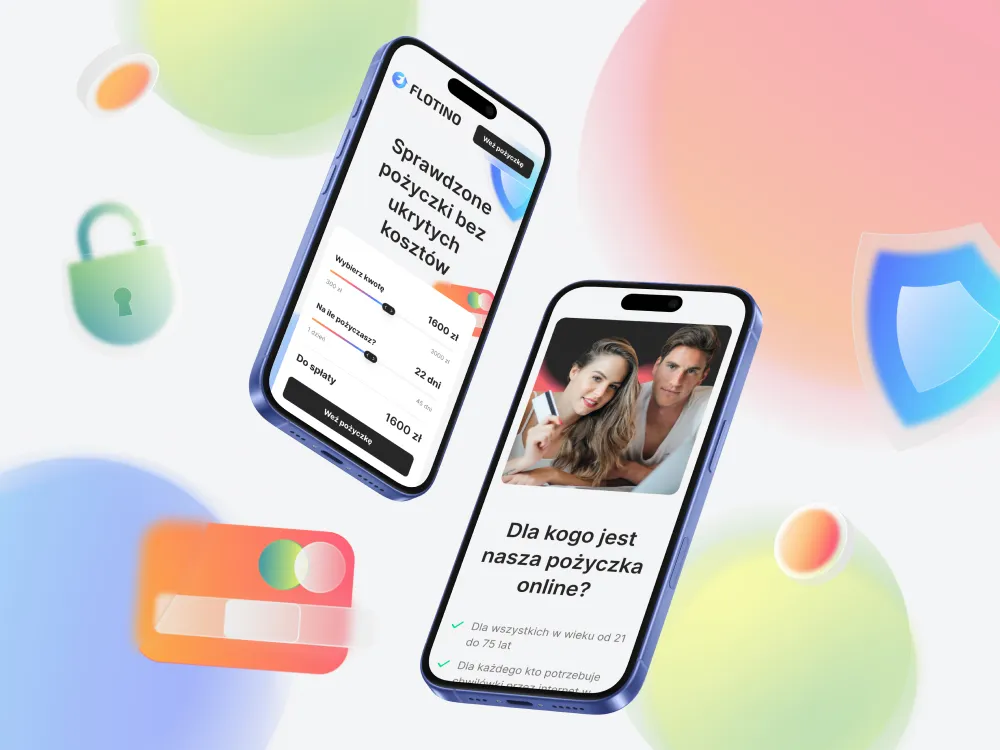
Flotino
Online cash loan service
-
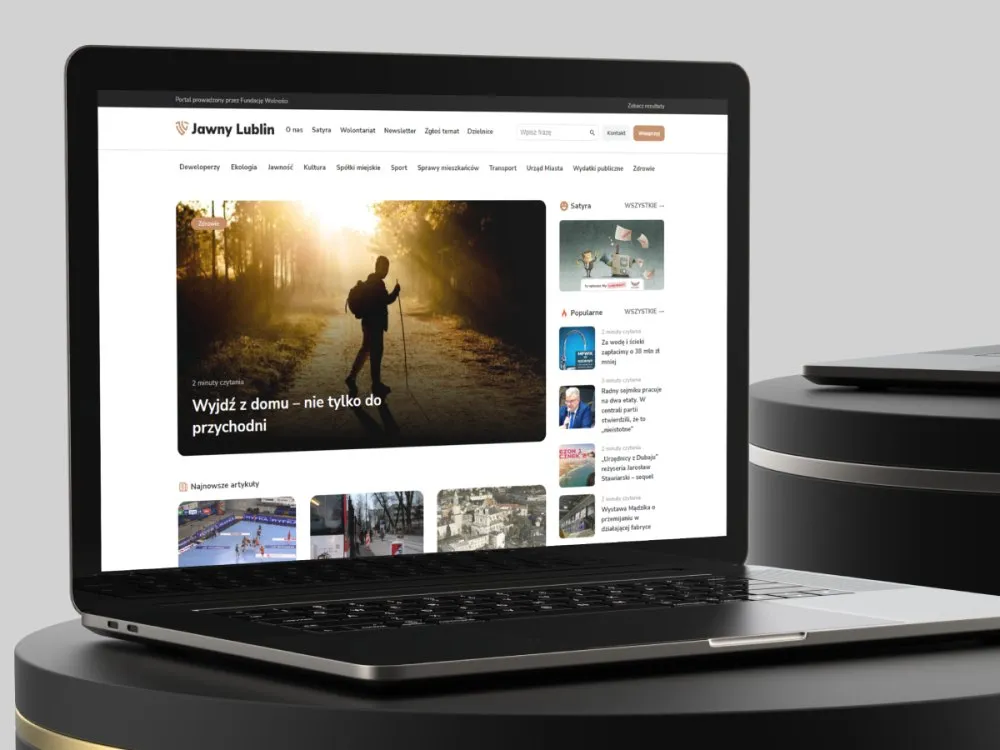
Jawny Lublin
A watchdog portal on city transparency
-
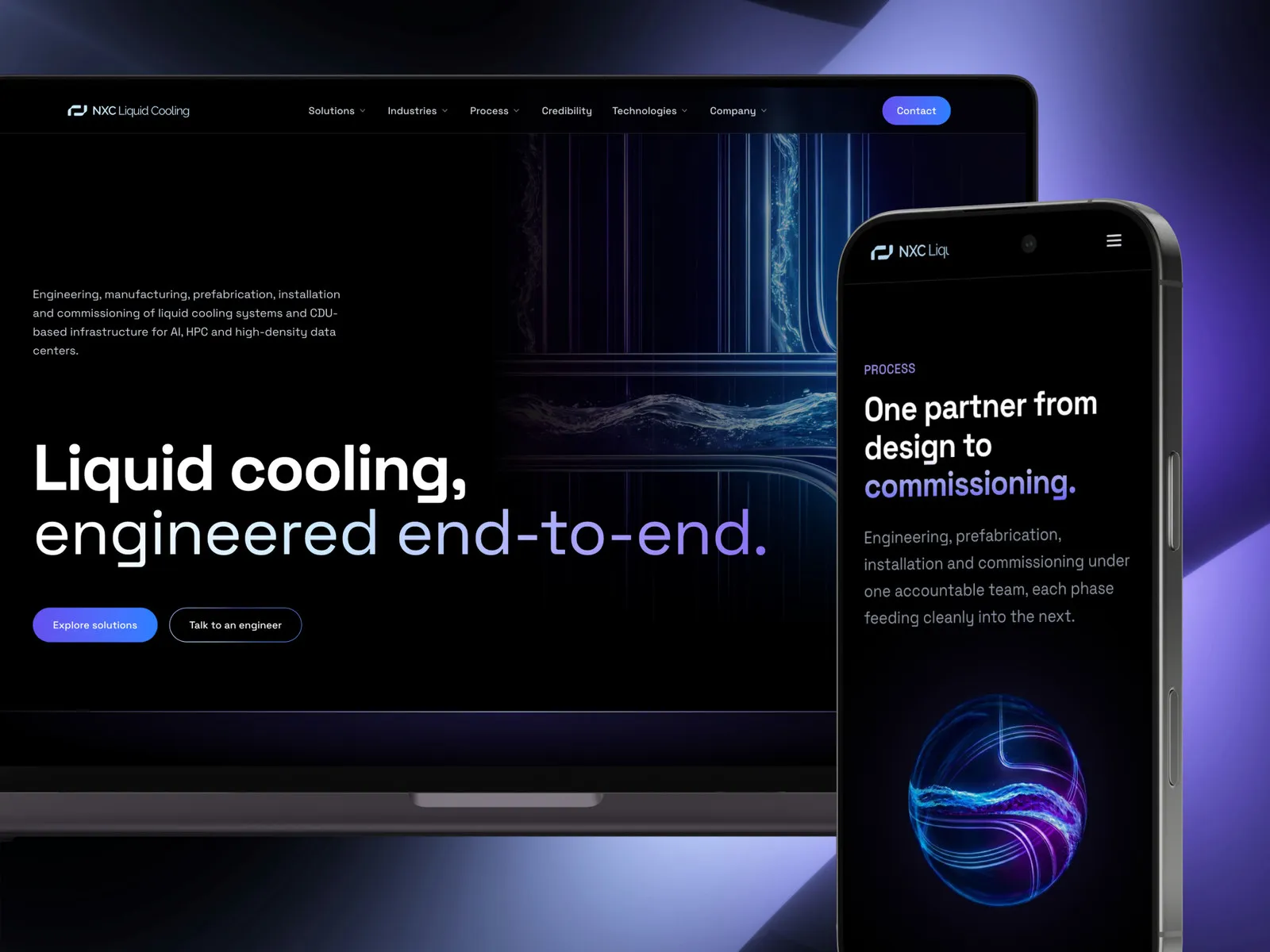
NXC Liquid Cooling
A liquid cooling systems website
- See what else we build Projects
Start MVP development
One path in code, accounts and data, then your first users in production.
Client voices
What our clients say
 Marcin Ostrzycki Chief Operating Officer, Selectivv

“We're glad we chose to work with Wzór UX Agency. The time it took to deliver the project, and their commitment, went beyond our expectations. They did solid work for us, which is why we recommend them at every turn.”

“Our collaboration with UX Agency Wzór on the new version of the WygodnaDieta.pl mobile and web app went perfectly. The designers truly understood our users and turned that into concrete decisions, simplifying the most complex processes so the user journey is now shorter and clearer. The team responded flexibly to our feedback and proposed thoughtful UX/UI solutions. We wholeheartedly recommend Wzór to anyone looking for experts with passion!”
 Kacper Maraszkiewicz Project Manager, EMBIQ

“UX Agency Wzór is a real treasure for us. From the very start, on every one of our UX/UI projects, we can count on their full commitment and professionalism. Their approach to design and to the way they work fits our needs perfectly - from thorough documentation to finished designs that are simply easy to implement. They have a great flow, so everything runs smoothly, and every project looks excellent and is thought through from the user’s side. We wholeheartedly recommend Wzór as a dependable partner for any software house!”
 Maja Wieloch-Silecka Operations Director, Bosfor Group

“Working with the Wzór team was a genuinely great experience! They always answered our questions quickly and were flexible about our comments. They have no shortage of creative ideas and are at the same time thoroughly reliable and on time. The end result fully met our expectations; we recommend them to anyone looking for professionals who care.”



























The team
Who will lead your MVP development?
-
Aleksandra Bondar
Senior UX/UI Designer
View profileHow can I help you?
“I will design the screens of the main path and prepare the documentation for them, so developers can build them without guesswork.”
-

Katarzyna Adamczuk
Prezes, Analityk Biznesowy
View profileHow can I help you?
“I will turn your assumptions into an interactive design you click through at a link, and agree with you which roles and data the first version has to handle.”
-
Patryk Korycki
CEO, Analityk Biznesowy
View profileHow can I help you?
“I will agree the scope of work for the first version with you and plan the stages from MVP to scale.”
FAQ
Frequently asked questions about MVP development
What is MVP development?
MVP development is building the first version of a product that tests a business assumption on real users for as little work as possible. The term was coined in 2001 by Frank Robinson of SyncDev and popularised by Steve Blank and Eric Ries; Ries described the MVP as the version that yields the most validated learning about customers with the least effort. With us it is a working app with one main path, accounts, stored data and analytics.
How is an MVP different from a proof of concept?
An MVP differs from a proof of concept in that it reaches real users, while a proof of concept usually stays inside the company and checks whether the solution can be built at all. A proof of concept answers whether it can be done; an MVP answers whether anyone will use it.
How long does MVP development take?
MVP development takes roughly 8-12 weeks. The timeline depends on the number of user roles, integrations with payments and your systems, and whether we start from a finished interactive prototype or from scratch. We give an exact date once the scope has been worked out.
Can an MVP be built with no-code tools?
An MVP can be built with no-code tools when the product has one user role, a simple data model and mainly serves to test interest. The limits show up with several roles, unusual permissions, larger volumes of data and integrations with your systems. Moving a product from a no-code platform to your own code after the fact costs more than building it in code from the start.
Can MVP development start from a Figma design?
MVP development can start from a Figma design, because finished mockups shorten the work on paths and the look. The mockups still have to be turned into code, so we begin by reviewing them for what they usually lack, such as long content and a phone version. We fill those gaps straight in code, without sending the design back to Figma.
Is an MVP a finished product?
An MVP is a finished product in what it contains: one path works end to end, with accounts and stored data. Later versions add the features outside that path on the same code.
Who owns the copyright to the MVP code?
The economic copyright to the MVP code passes to you after acceptance and payment, under an agreement made in writing, because Polish copyright law requires that form for the transfer to be valid. The code repository sits on your side from the start of the build, so you have access to it the whole time.
What happens to an MVP after launch?
For thirty days after an MVP launches we fix the bugs that real use brings up and close the first round of measuring user behaviour. Then we hand the product over to your team together with a task list for the next version, or we keep running it. You only make that choice after launch.
What if the MVP shows the idea doesn't work?
If the MVP shows the idea doesn't work in its current form, you find out at the cheapest point, before a large rollout. The result is rarely all or nothing: more often people come in but give up at one step, or use the product differently than you assumed. On that basis we recommend improving the path, changing the target group or stopping work.
Related services
Services related to MVP development
You have an idea but don't know where to start.
We'll sort out the assumptions and pick the features worth testing first.
You want to show the idea before any backend exists.
We'll build a clickable version and test it with future users.
The first version has proved itself. Time for more.
We'll extend the product and prepare components for the next modules.