
Services
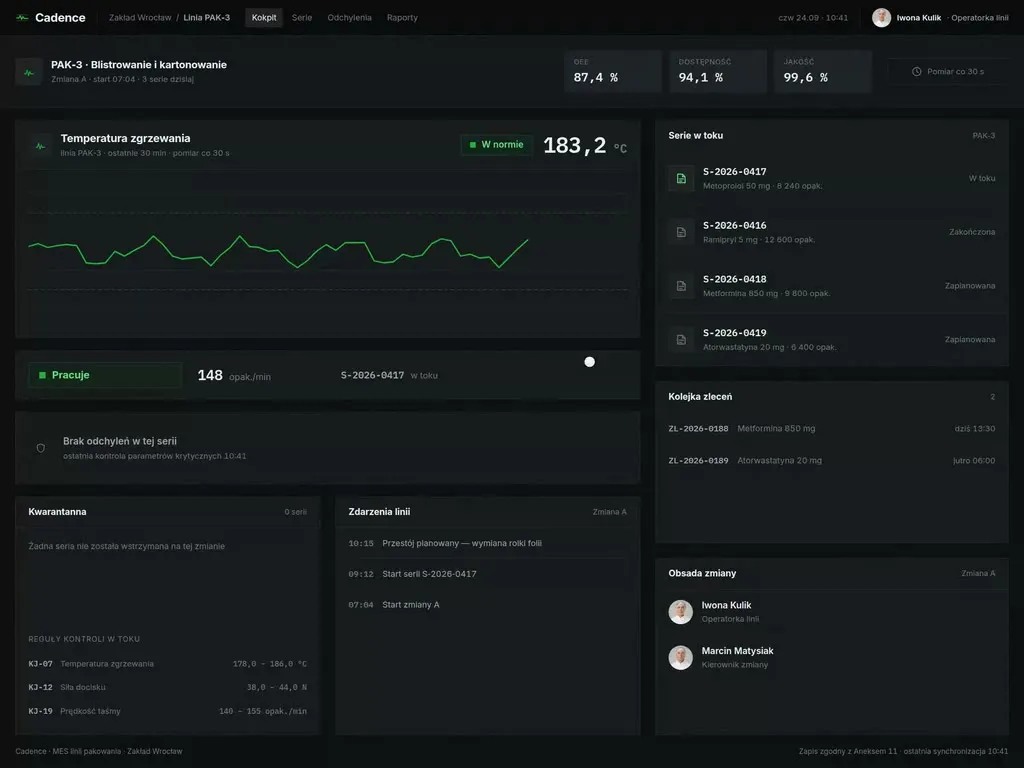
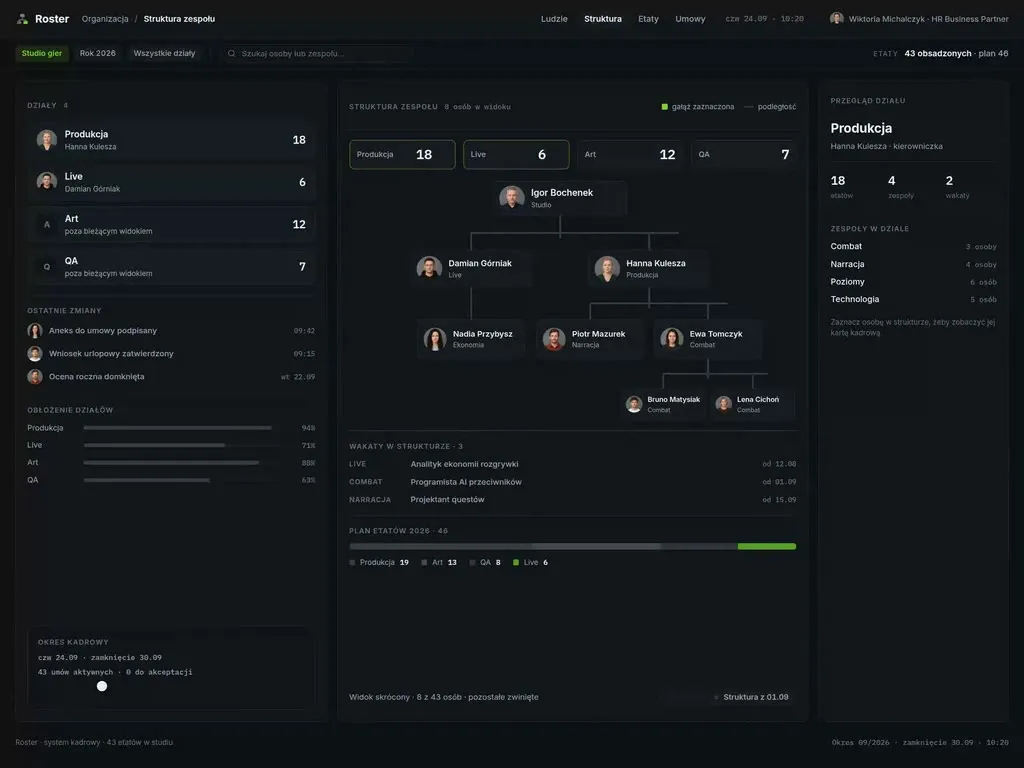
We design booking platforms, local service marketplaces and self-service portals for beauty, fitness, healthcare and automotive. We work with two-sided marketplaces, availability calendars, no-shows as an operating cost, and provider onboarding that decides how much supply the network ever gets.
We have worked with leading companies and startups









Challenges
Booking, the reminder and the follow-up decide how full the calendar is
-
„The customer starts a booking, reaches the time slot and changes their mind.”
A UX audit of the booking journey with analytics and session recordings, redesign of the forms (booking without an account, autofill, fewer fields), prototype validation. We measure conversion step by step and the average time to book.
-
„No-shows eat the margin despite the reminders.”
Research into why customers cancel or simply do not turn up, redesign of the reminder mechanism (push, SMS, email on an escalating cadence), introduction of prepayment or a refundable deposit for selected services. We measure the no-show rate before and after.
-
„Calls to reception are about things that are already online.”
Workflow research with support agents and customers, identification of the top 10 reasons people call, redesign of the self-service portal around exactly those cases. We measure the share of cases resolved independently and the drop in cost to serve per customer.
Who it is for
Marketplace, service chains, self-service - three models, one customer decision
Whatever the model - we hand over the design in a format the development team can read, with documentation for integrating calendars, payments, CRM and antifraud mechanisms (no-show prevention, provider verification).
-
Local service marketplaces
Platforms connecting customers with providers - beauty, fitness, pet care, small home services. Two-sided by nature: the customer journey (choosing, booking, paying, reviewing) and the provider panel (schedule, pricing, verification, payouts). Onboarding supply is the bottleneck.
-
Booking apps for service chains
Appointment booking apps for medical networks, salons, fitness clubs and car service centres. An availability calendar, no-shows treated as a cost (reminders, prepayments), a customer card with visit history, and rebooking in a single tap.
-
Self-service portals for large service companies
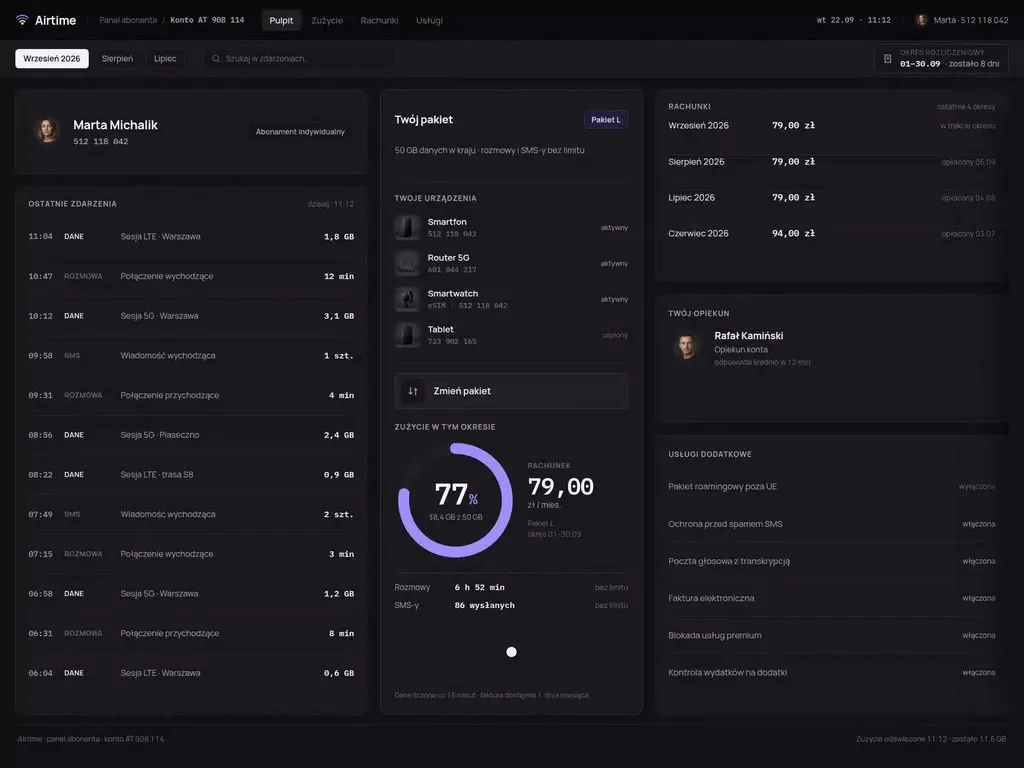
Customer areas for telco, leasing, healthcare and insurance companies - one central place where the customer handles most things without the helpline. The goal: fewer contacts with customer care, more self-service, measurable OPEX savings.
Process
Five steps - from the first conversation to post-launch measurement
We scale the scope to the product. For service marketplaces the emphasis is on the two-sided nature (customer ↔ provider) and on onboarding supply. For a single chain’s booking app - on the calendar, no-shows and personalisation. For self-service portals at large service companies (healthcare, leasing, telco) - on taking load off the helpline and on the share of cases resolved independently.
- 30 min
Discovery call - 30 minutes
Online, with the lead designer. We get to know the product, the metrics you judge it by, and the regulatory context it operates in.
- Week 1–2
Audit and discovery
Analytics, session recordings, user interviews, heuristic review. The barriers people actually hit become design hypotheses.
- Week 3–6
UX/UI design
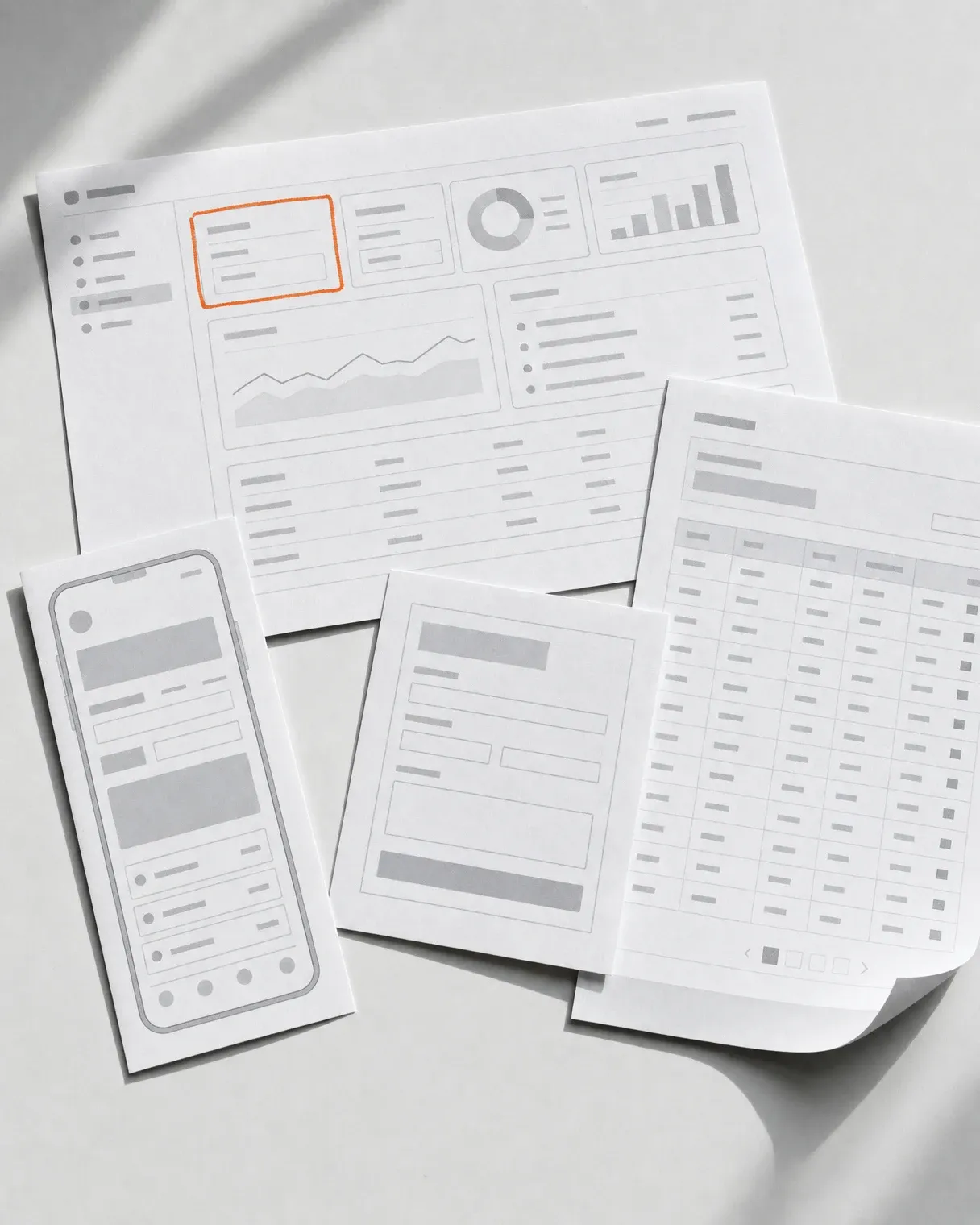
Wireframes, a prototype you can click through, the final interface. Documentation written for the team that will ship it - tokens, states and responsive behaviour included.
- Week 6–7
Validation
Tests with real users, or an A/B test in production. The design changes on the strength of what we saw, before it reaches code.
- After launch
Delivery and care
We work side by side with your developers - implementation review, fixes, additions to the library. After launch we measure and come back with the next hypotheses.
Toolkit
Booking platforms and integrations

- Custom booking engine
- Booksy / Versum / Calendly (API)
- Google Calendar / Outlook (CalDAV)
- Stripe / Adyen / Przelewy24 / BLIK
- Marketplace payouts (Stripe Connect)
- Twilio / SendGrid (reminders)
- CRM (Salesforce, HubSpot)
- WCAG 2.1 AA

Next step
Let us talk about your project
Tell us what you have to do. We will come back with scope and a quote.
Selected work
Selected work in Services
Some of our work is under NDA - we walk you through it live during the discovery call.
-
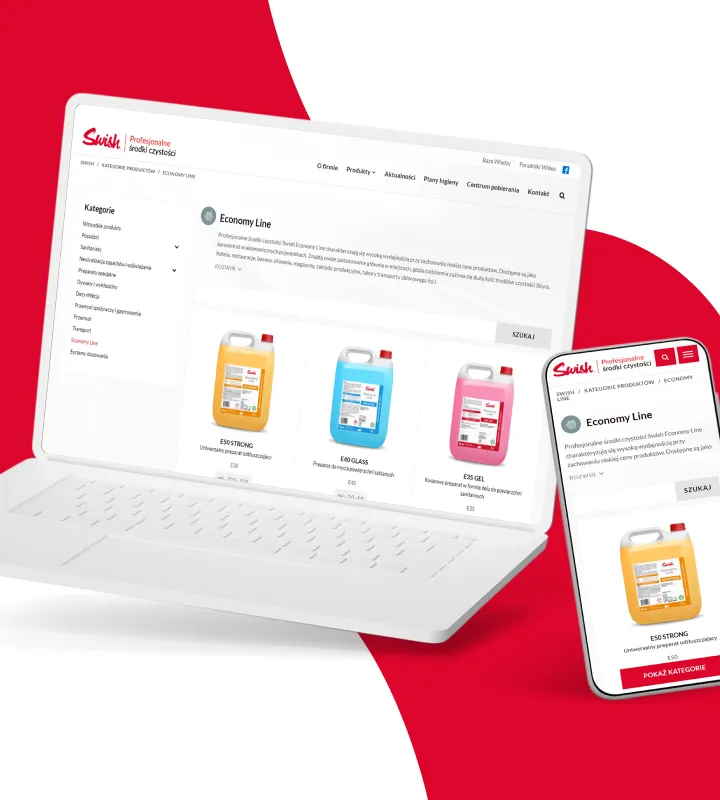
Swish - UX design for a site with an online product catalogue
-
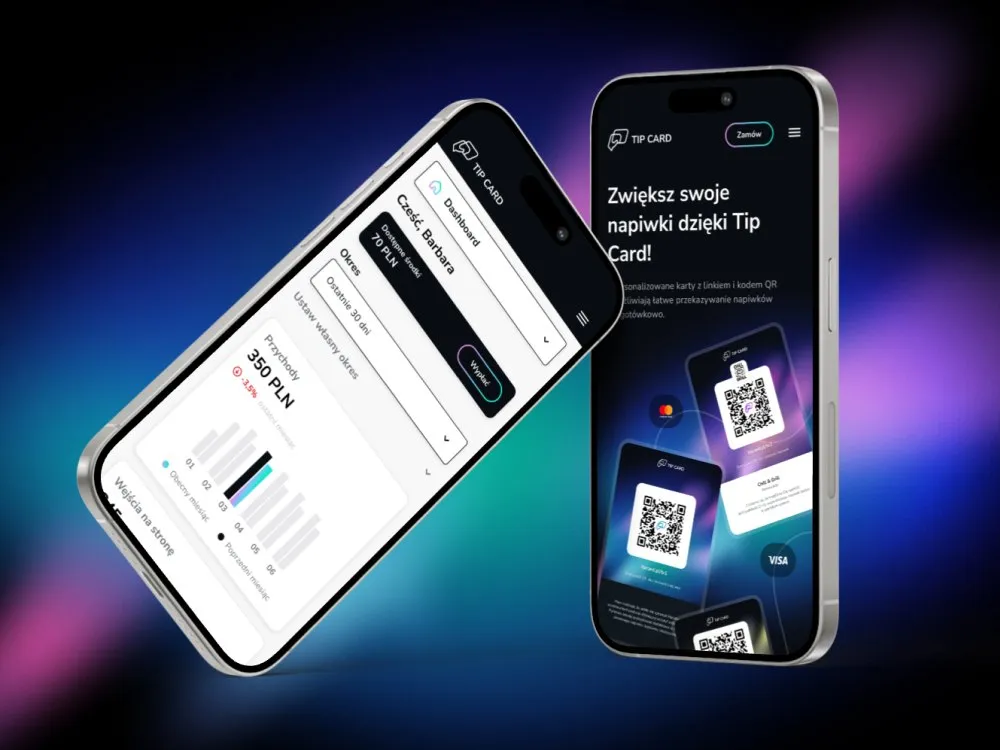
Tip Card - Cashless tipping platform
-
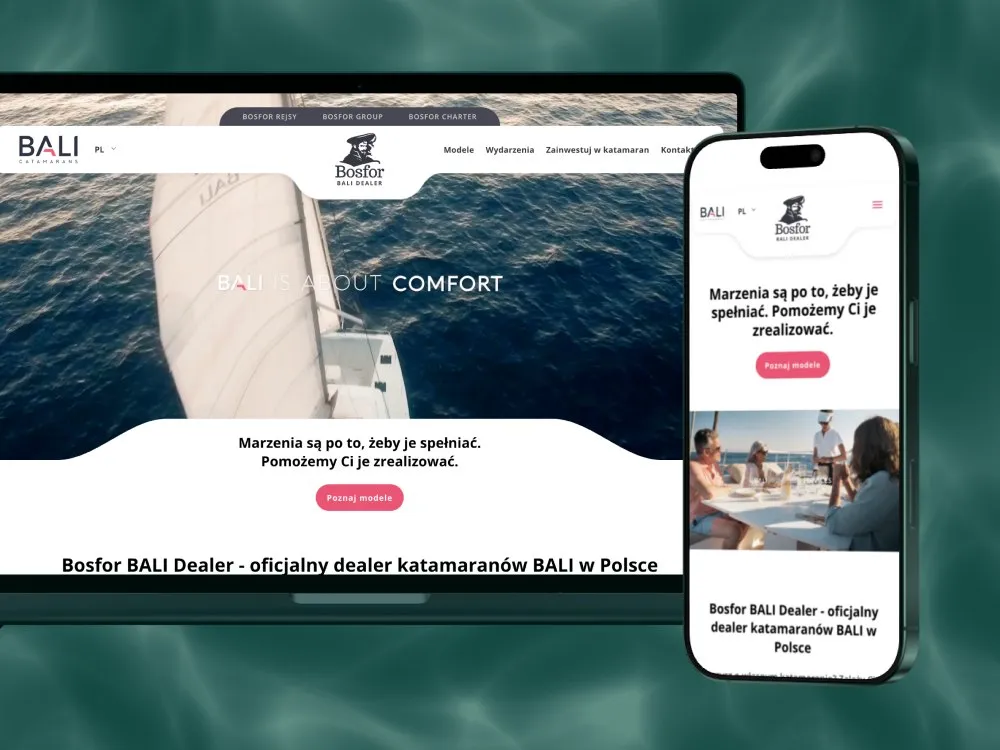
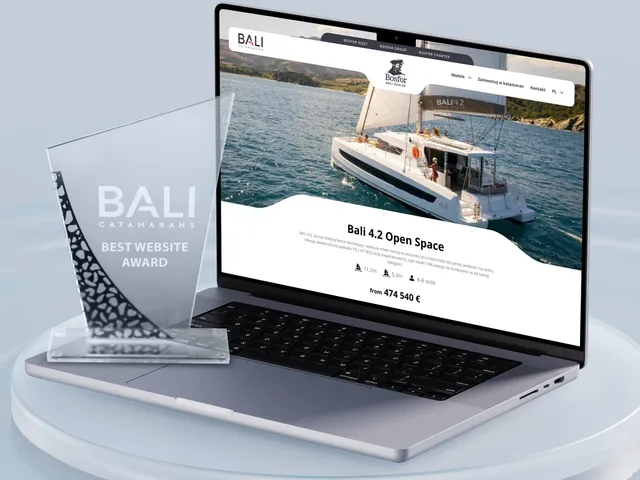
Bosfor BALI Dealer - Website for a BALI catamaran dealer
-
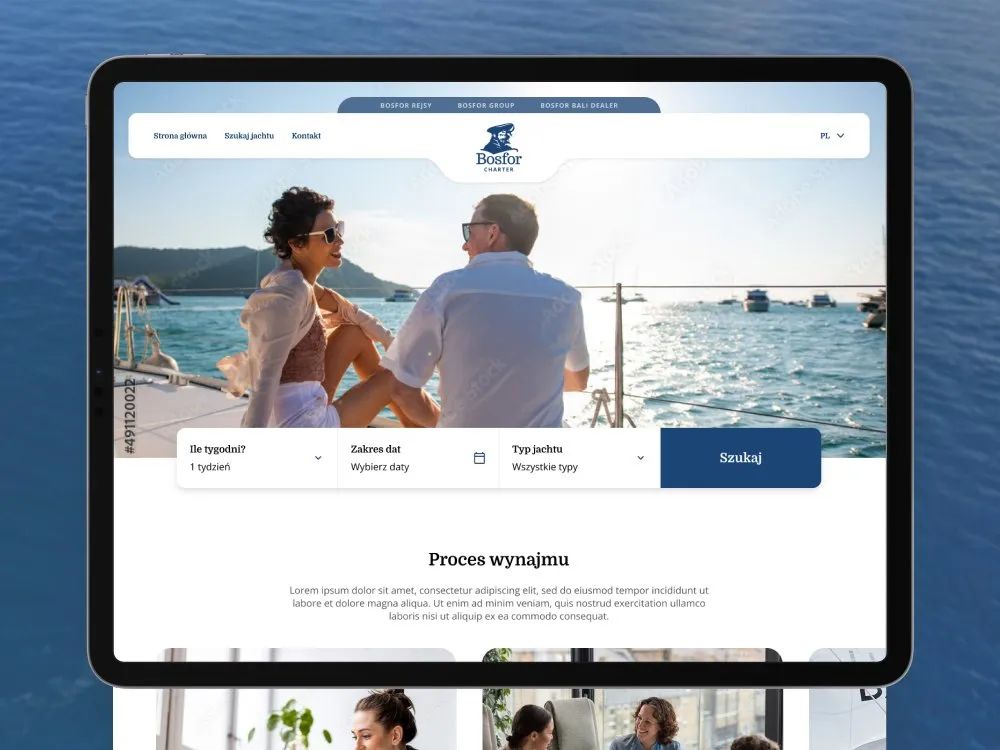
Bosfor Charter - Yacht charter platform with booking
-
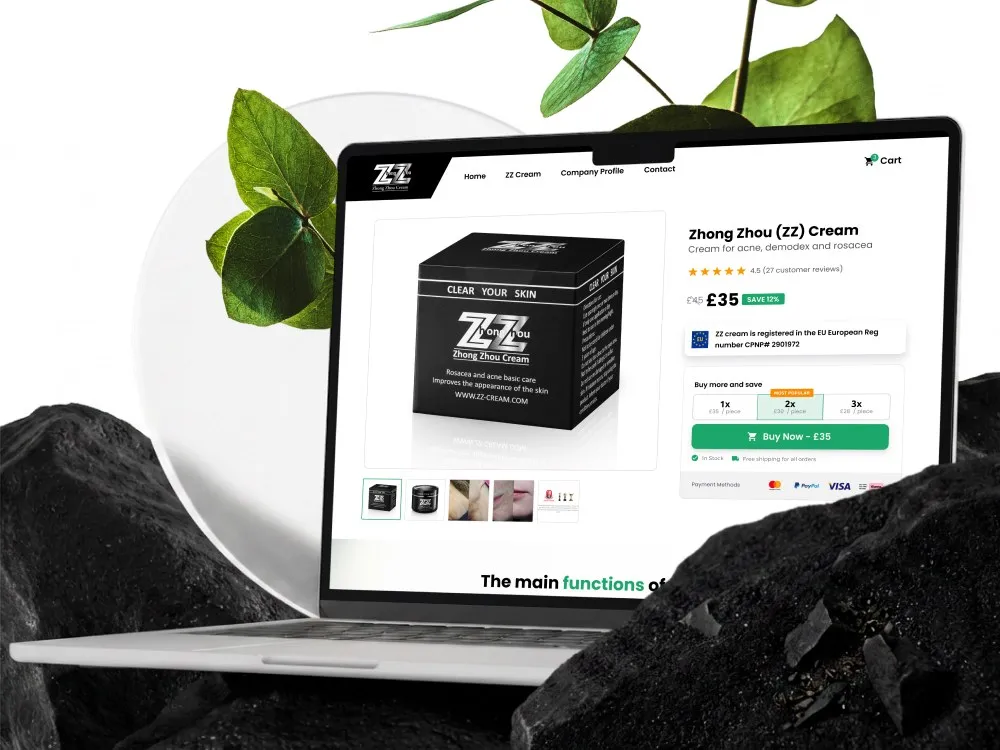
ZhongZhou - Online store for an acne, demodex and rosacea cream
-
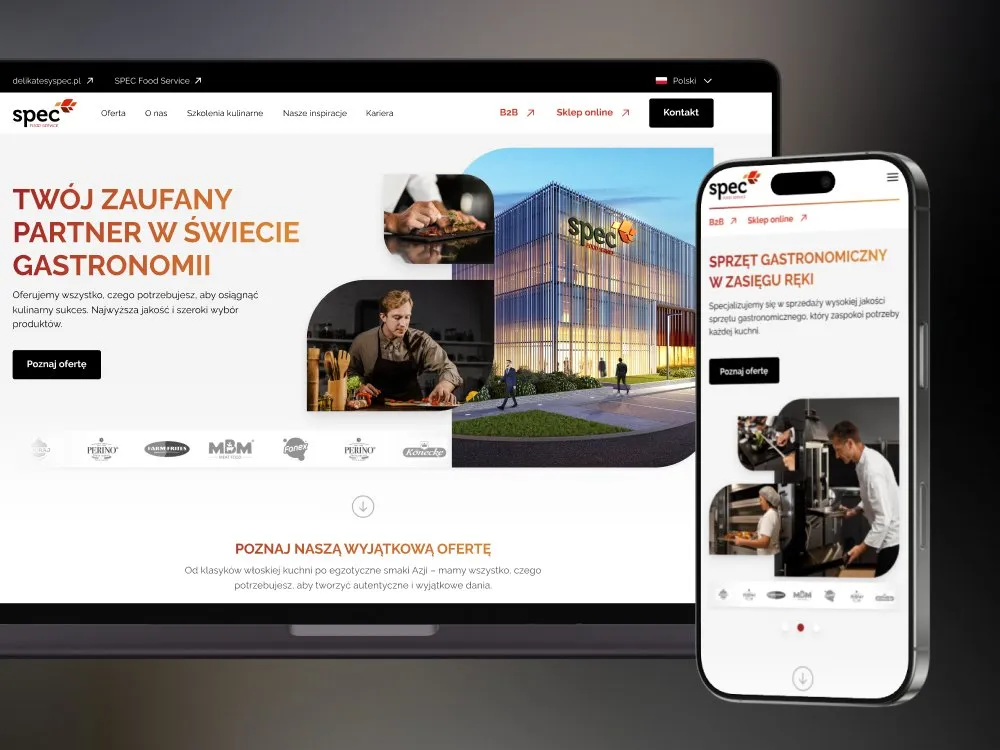
SPEC Food - Website for gastronomy - SPEC Food Service
-
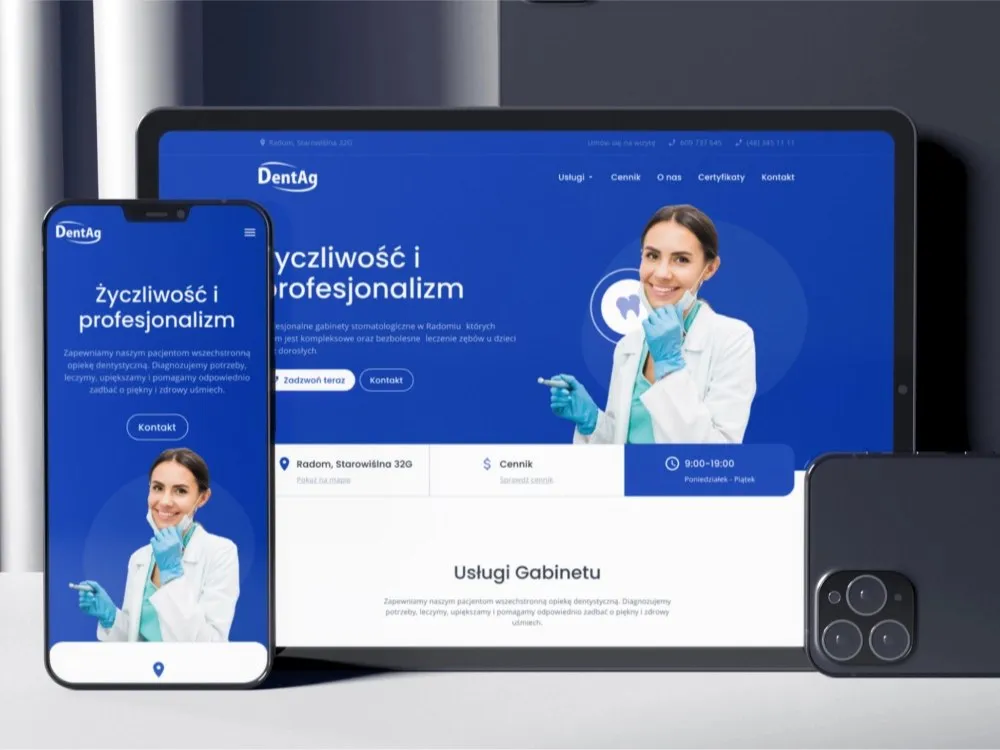
DentAg - Website for a dental clinic in Radom
-
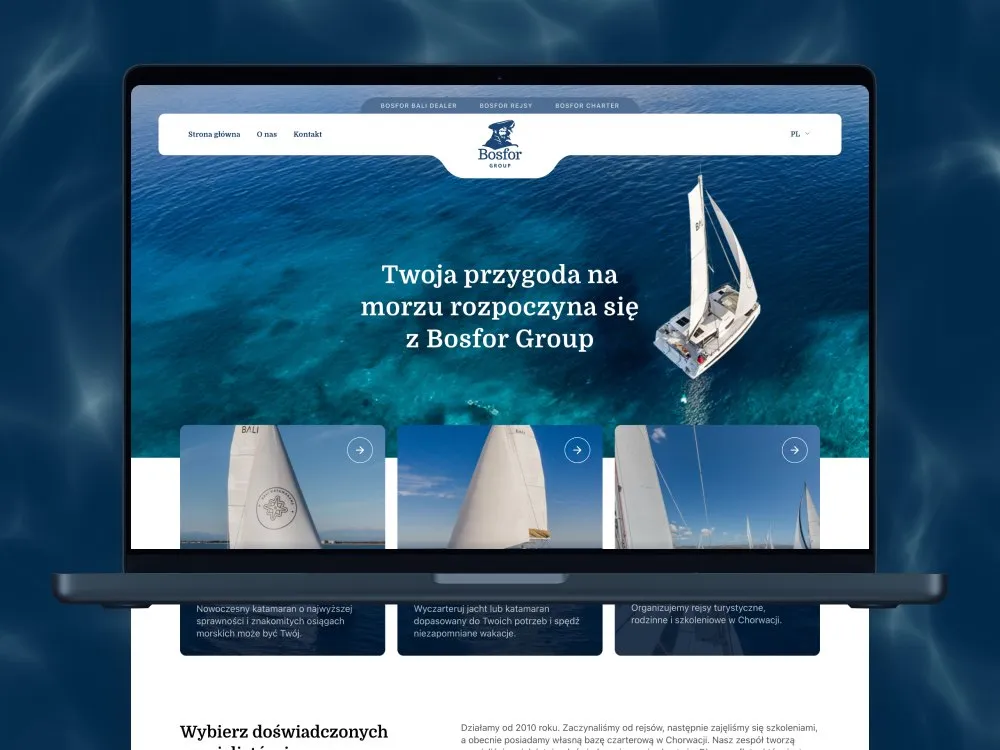
Bosfor Group - Website for the Bosfor sailing group
-
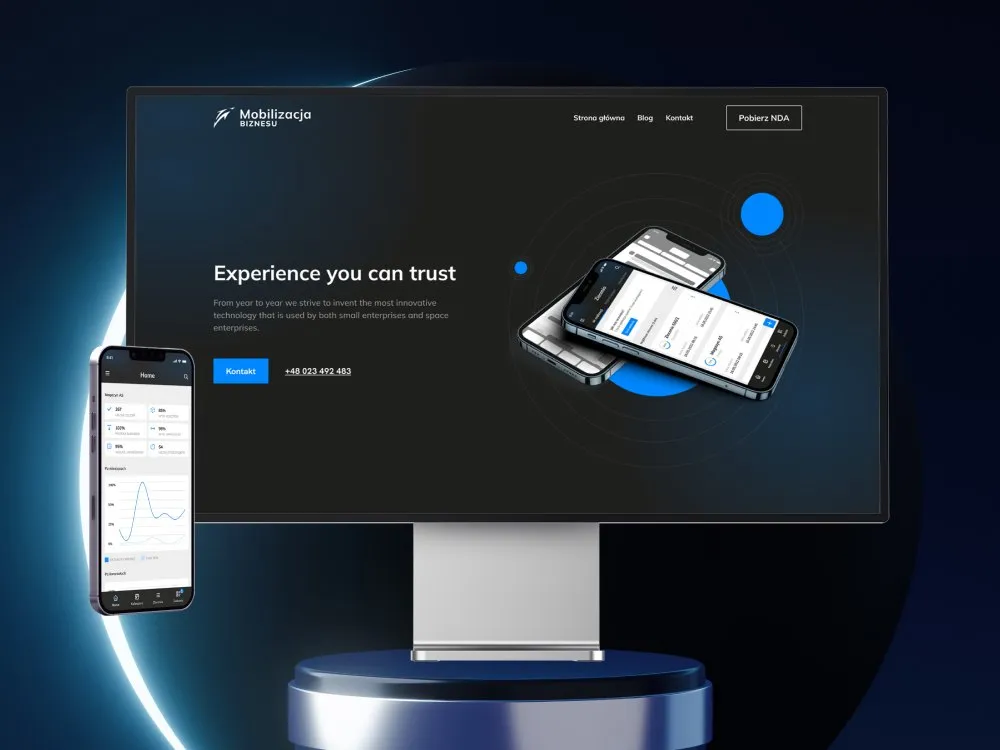
Mobilizacja Biznesu - Website for a mobile-tools firm
-
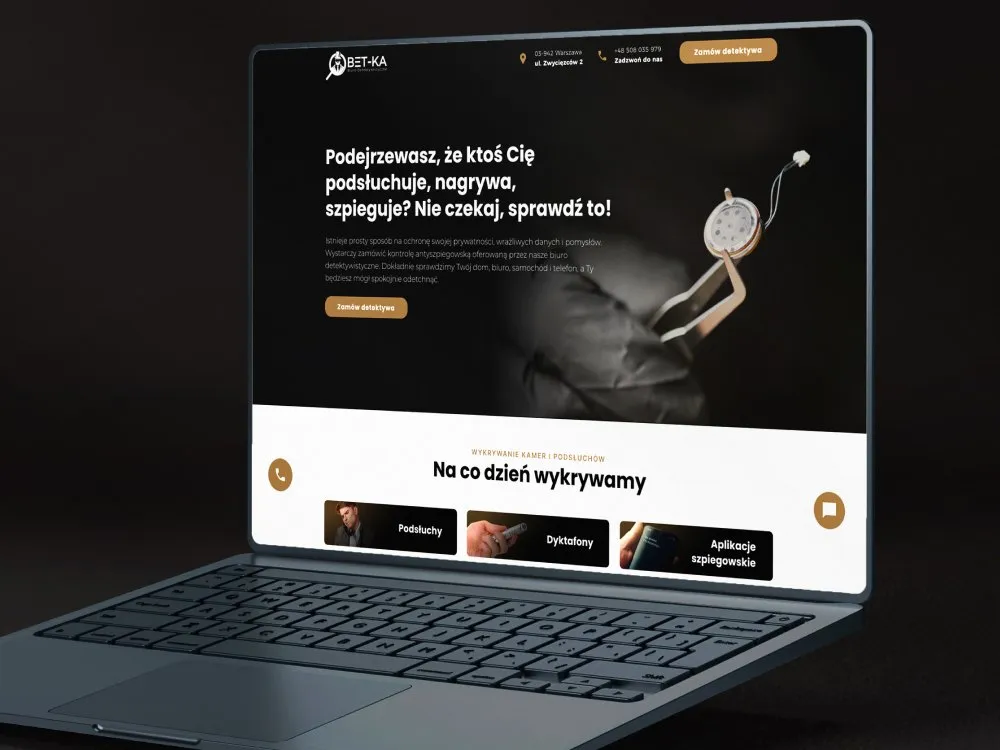
Biuro Detektywistyczne BET-KA - Detective agency website
-
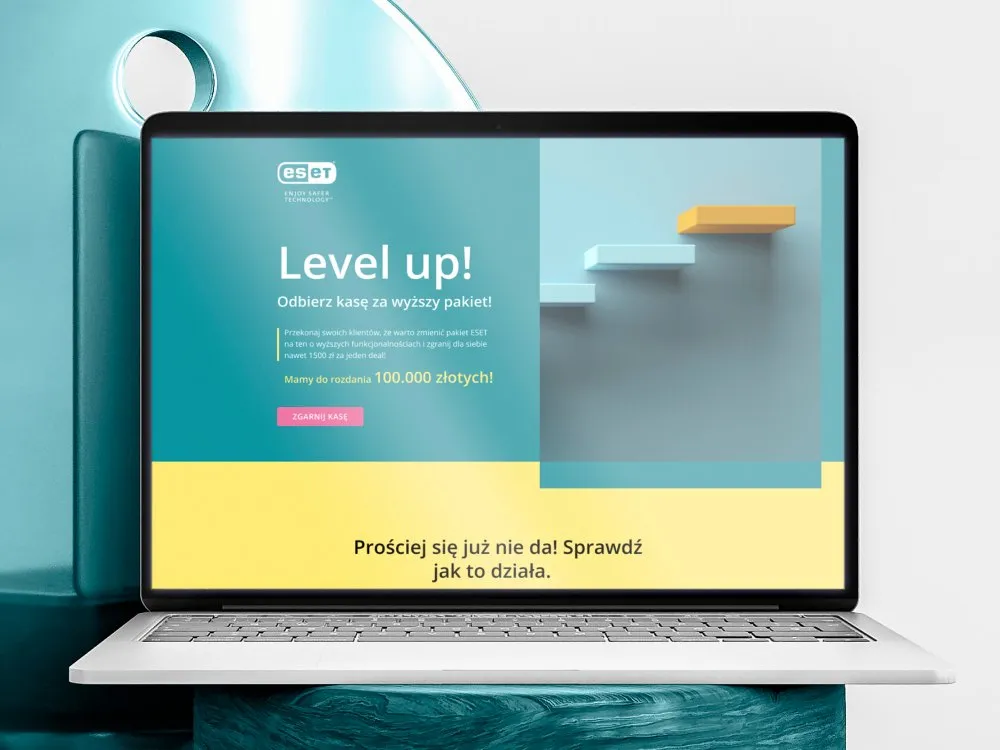
ESET - Landing page for a partner promotion campaign
-
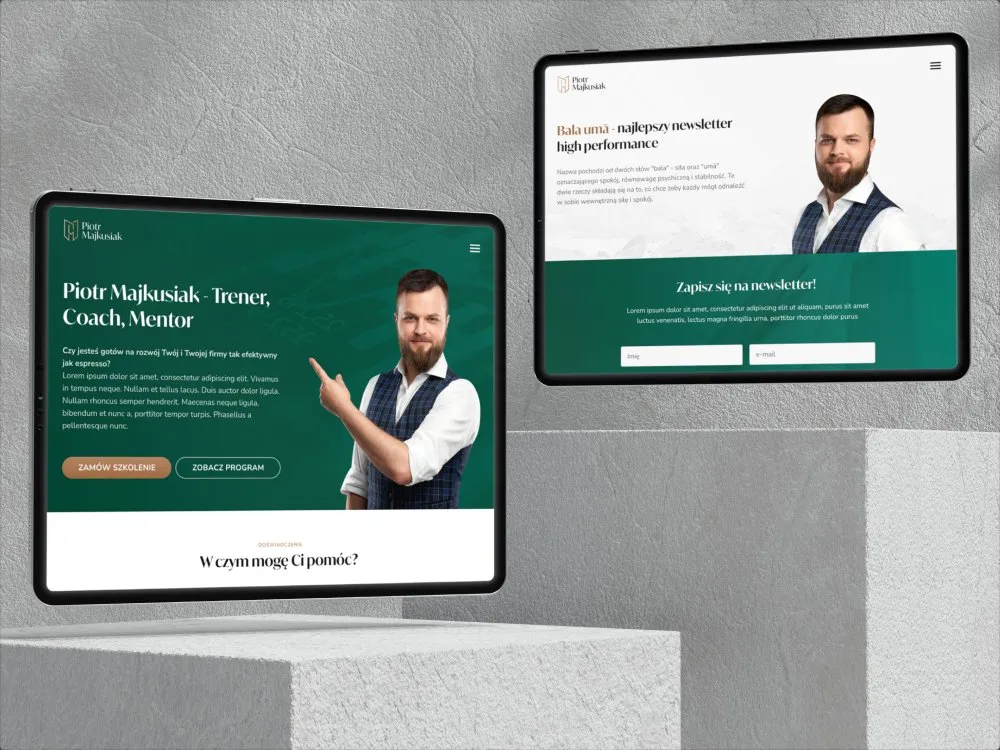
Piotr Majkusiak - Personal site for a business trainer
-
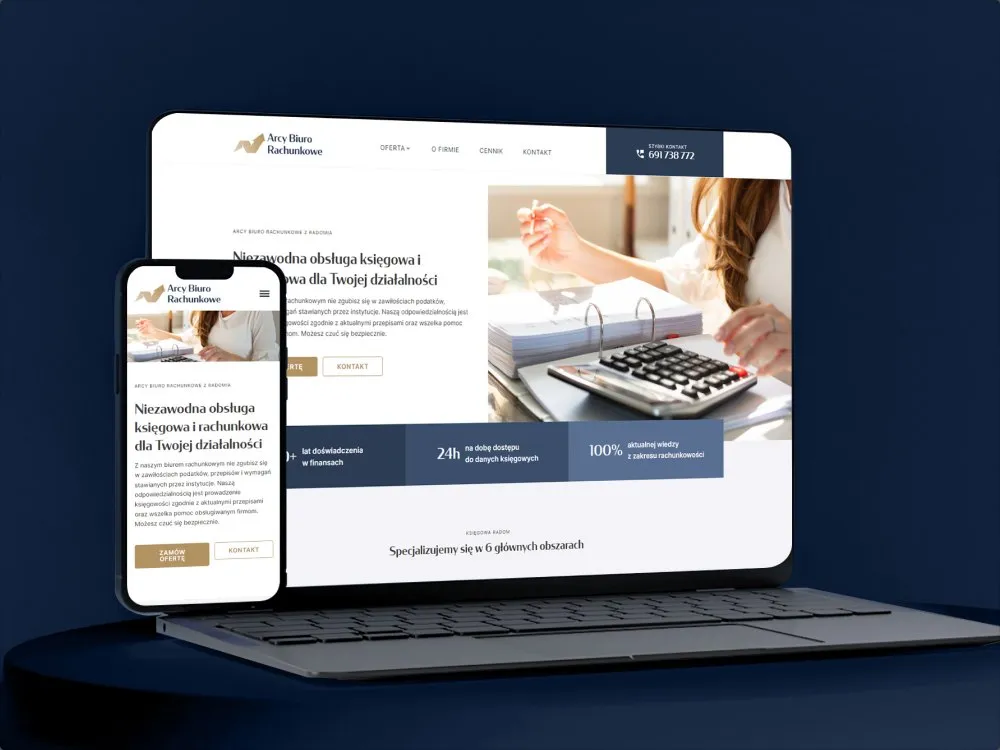
Arcy Biuro Rachunkowe - Website for an accounting office
-
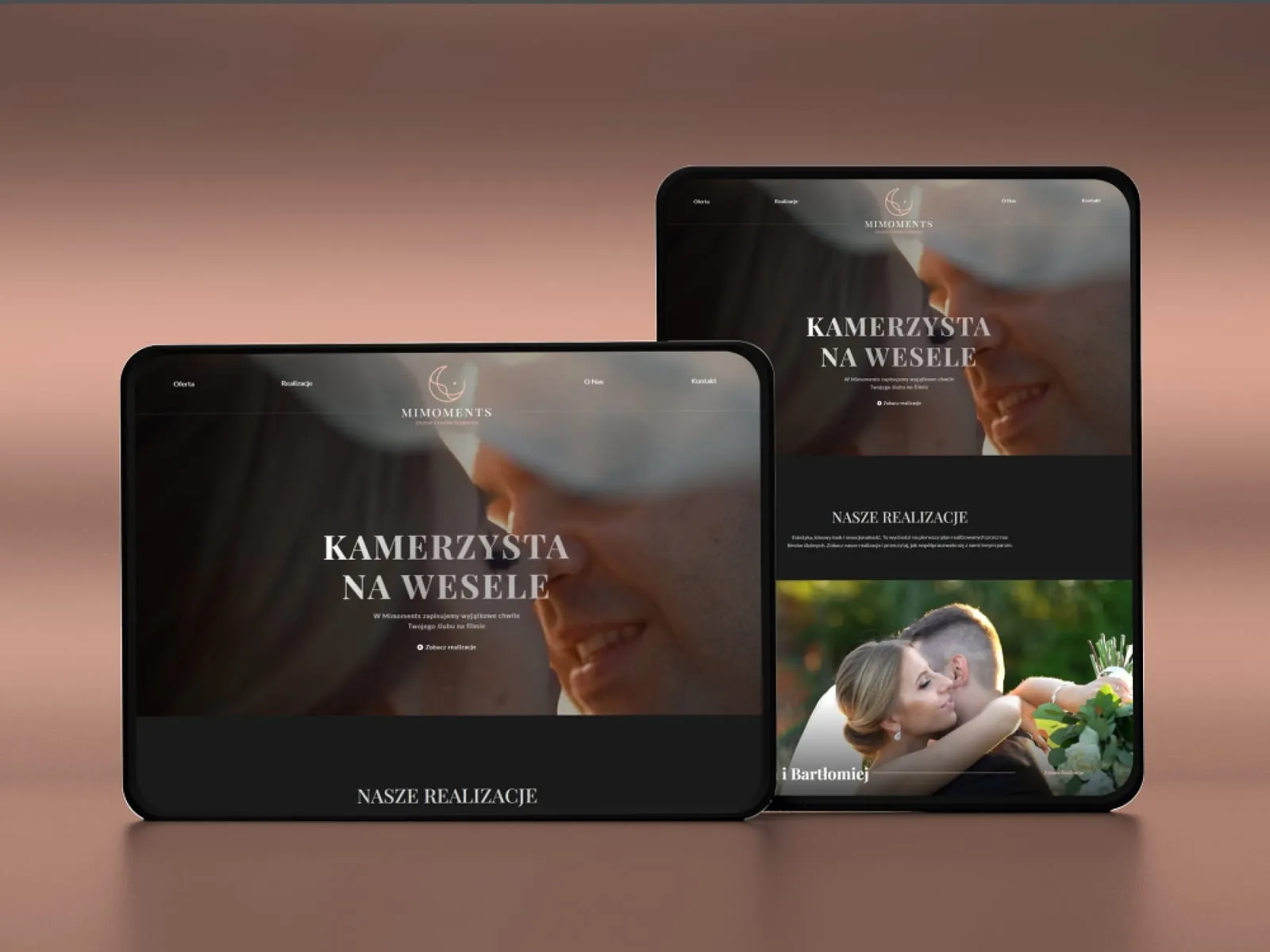
Mimoments - Website for Mimoments wedding film studio
-
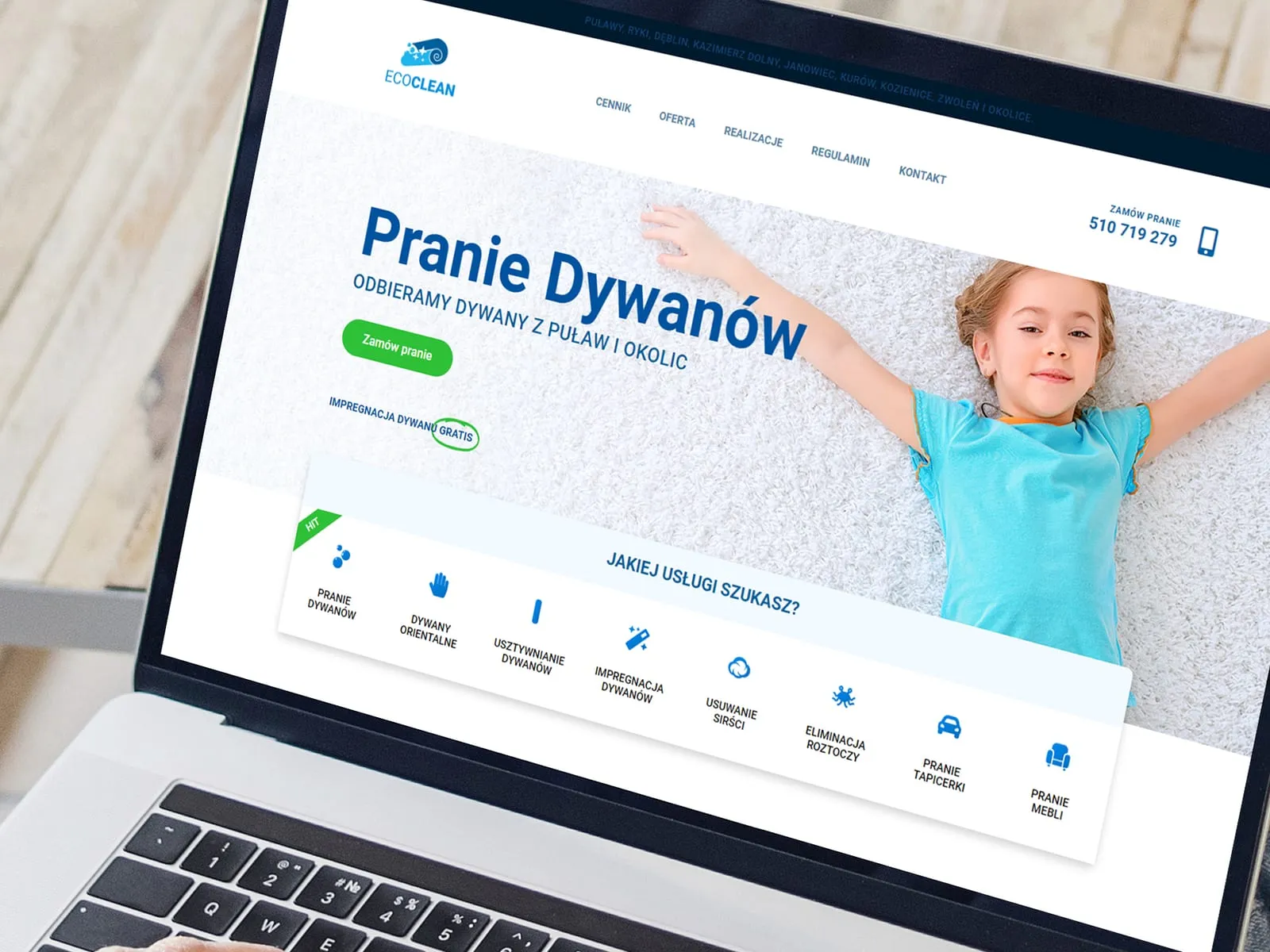
EcoClean - Website for a carpet and upholstery cleaner
-
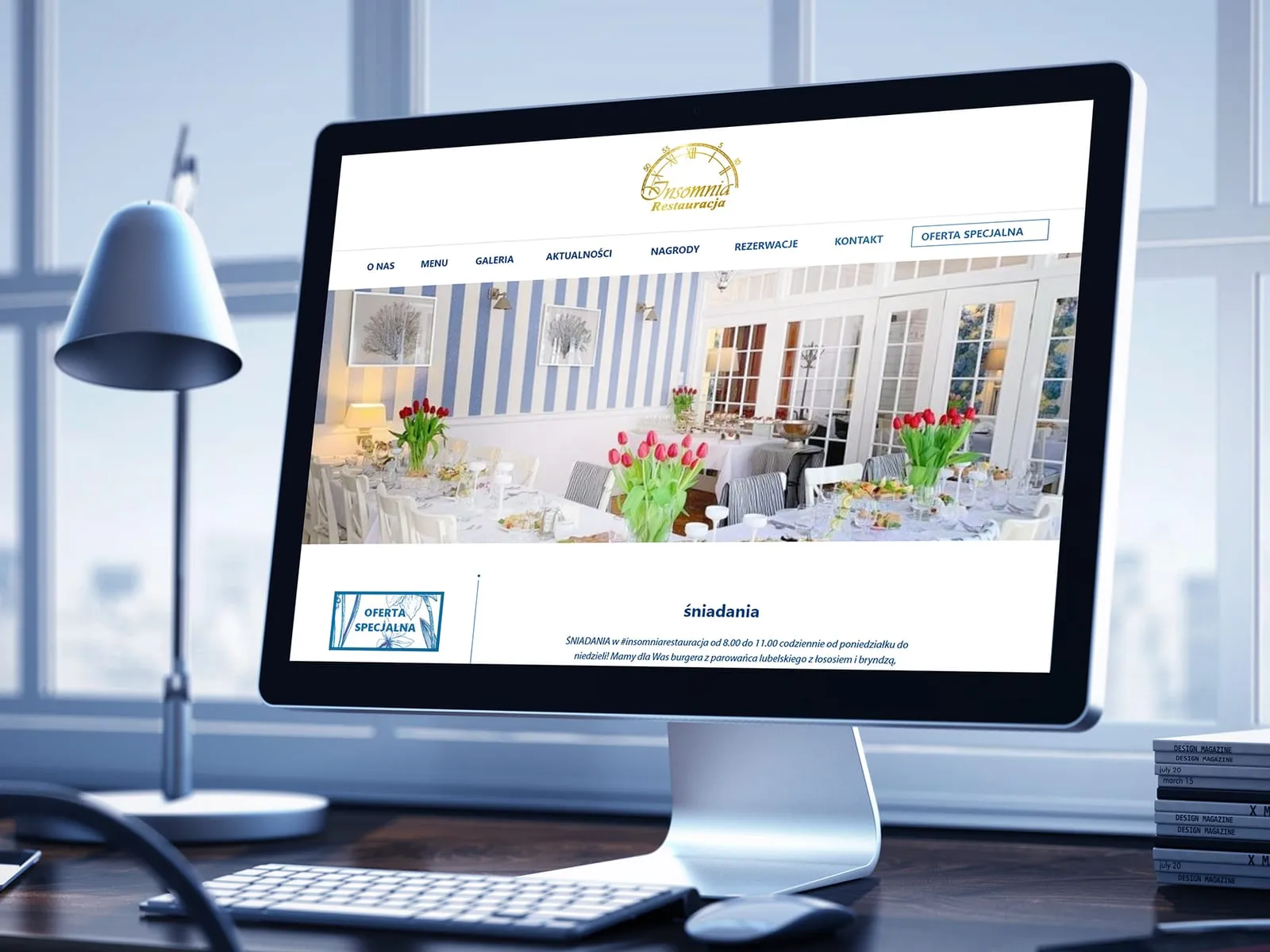
Insomnia - Restaurant website with a breakfast menu
-
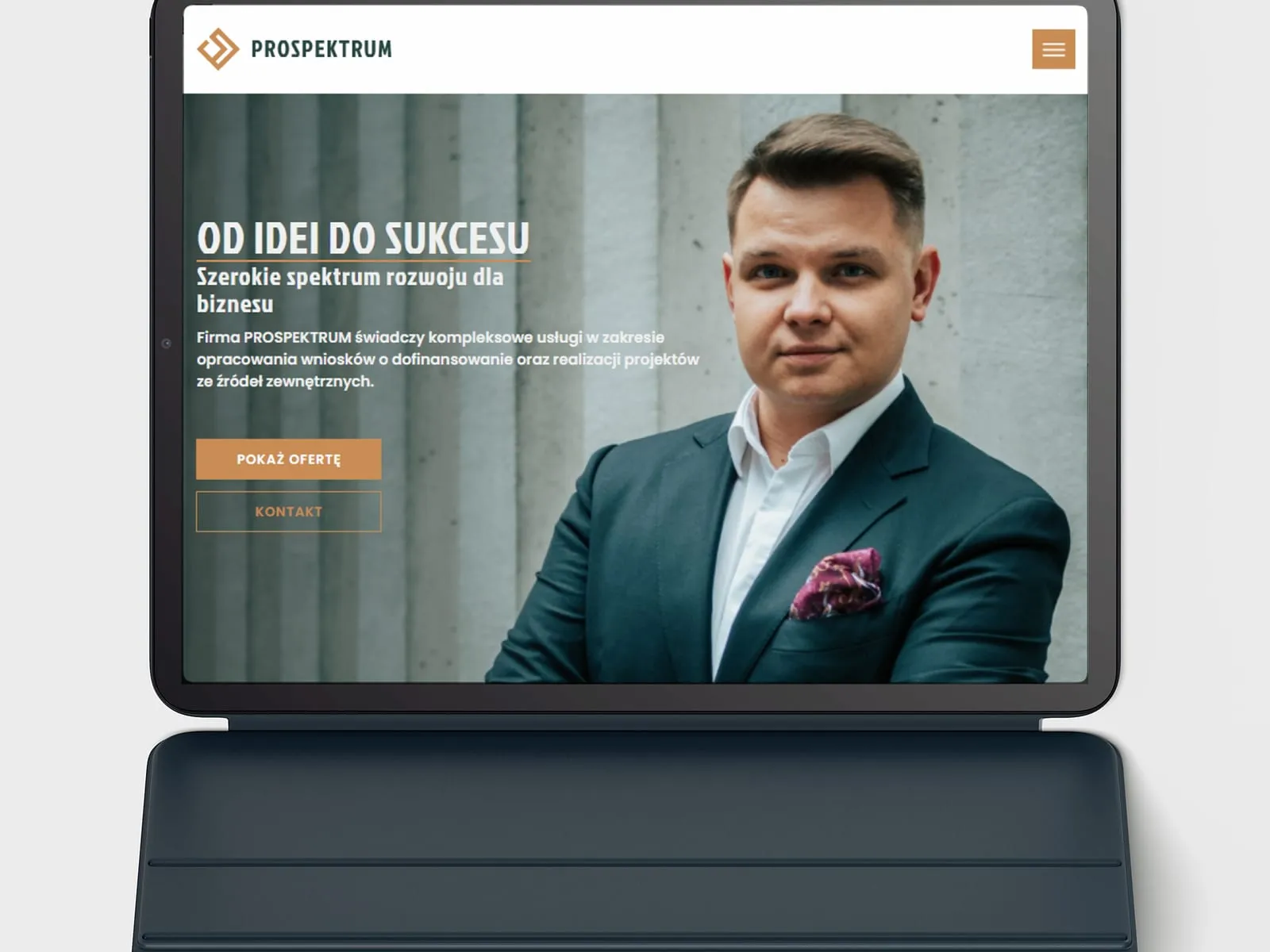
Prospektrum - Website for the advisory firm Prospektrum
-
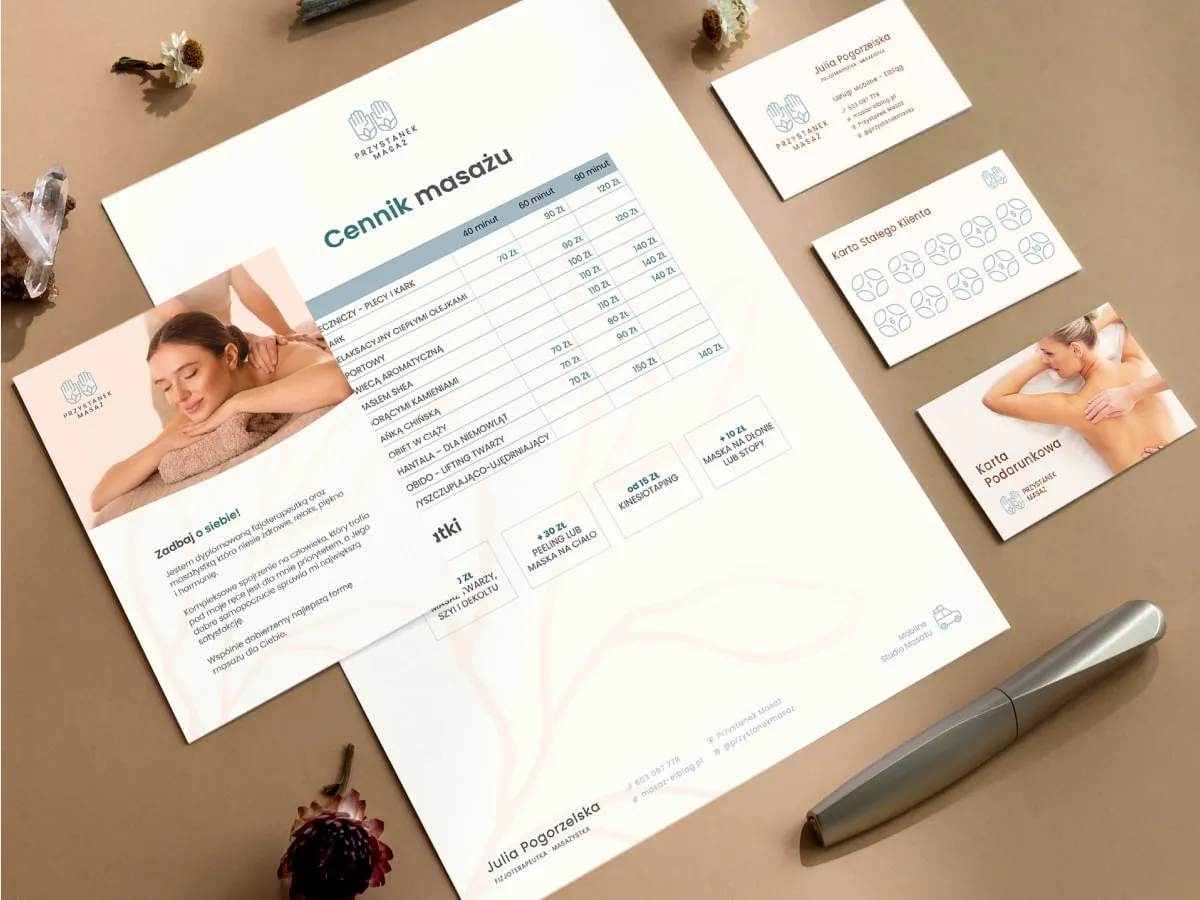
Przystanek Masaż - Visual identity for a massage studio
-

Grzegorz Hawryło - Brand for a rehab and massage clinic
-
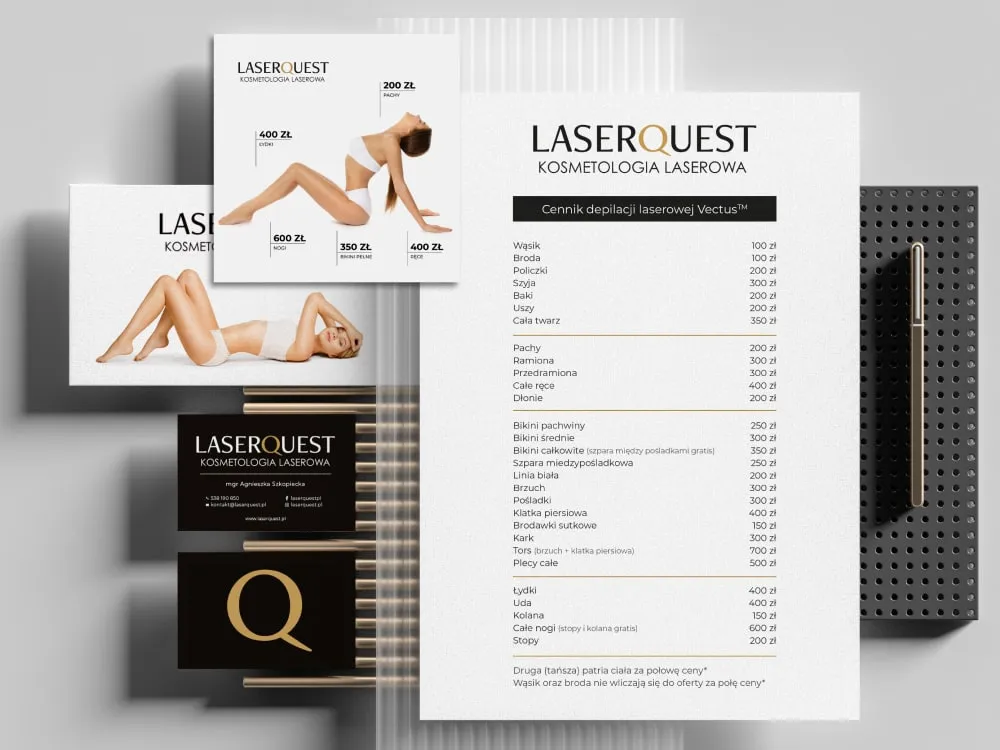
LaserQuest - Visual identity for a laser clinic
-

EYEMED - Advertising materials for an eye clinic
-

FP360 - Brochure and website for a product photo studio
-
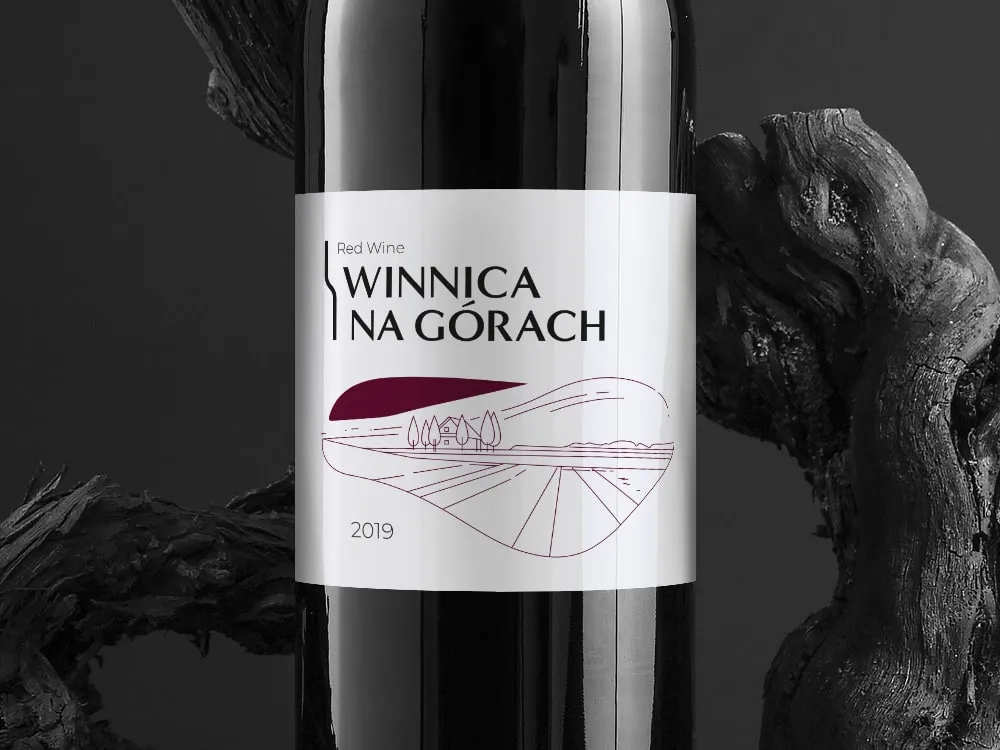
Winnica na Górach - Visual identity for a vineyard
-

Kancelaria Sylwia Jezierska - Law firm visual identity
-
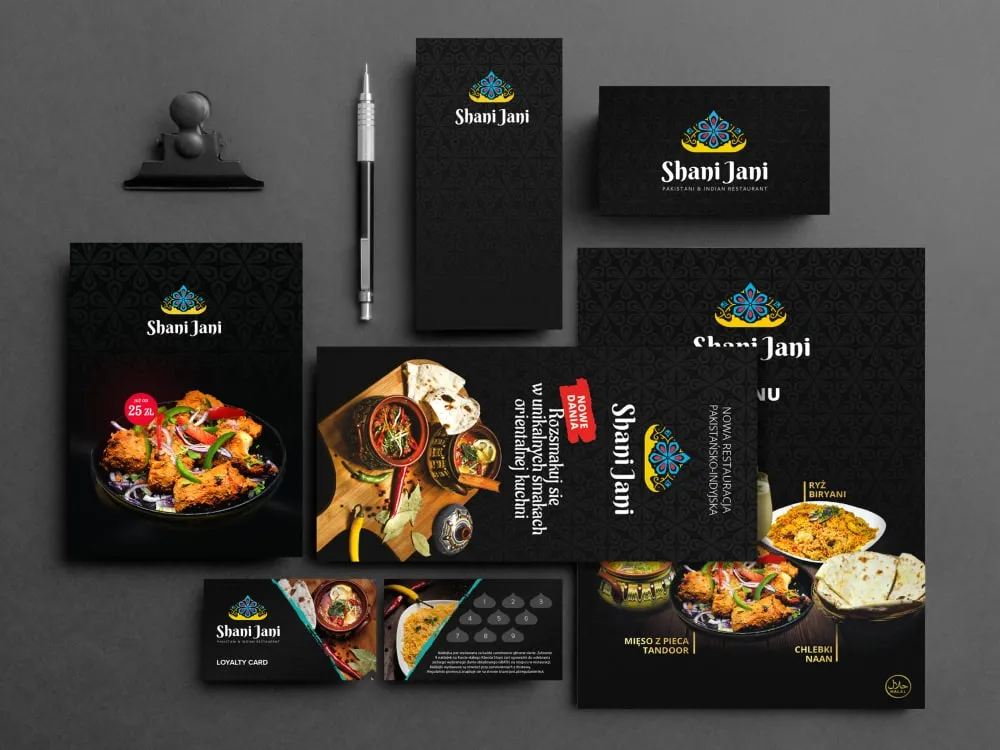
Shani Jani - Identity for a Pakistani-Indian restaurant
-
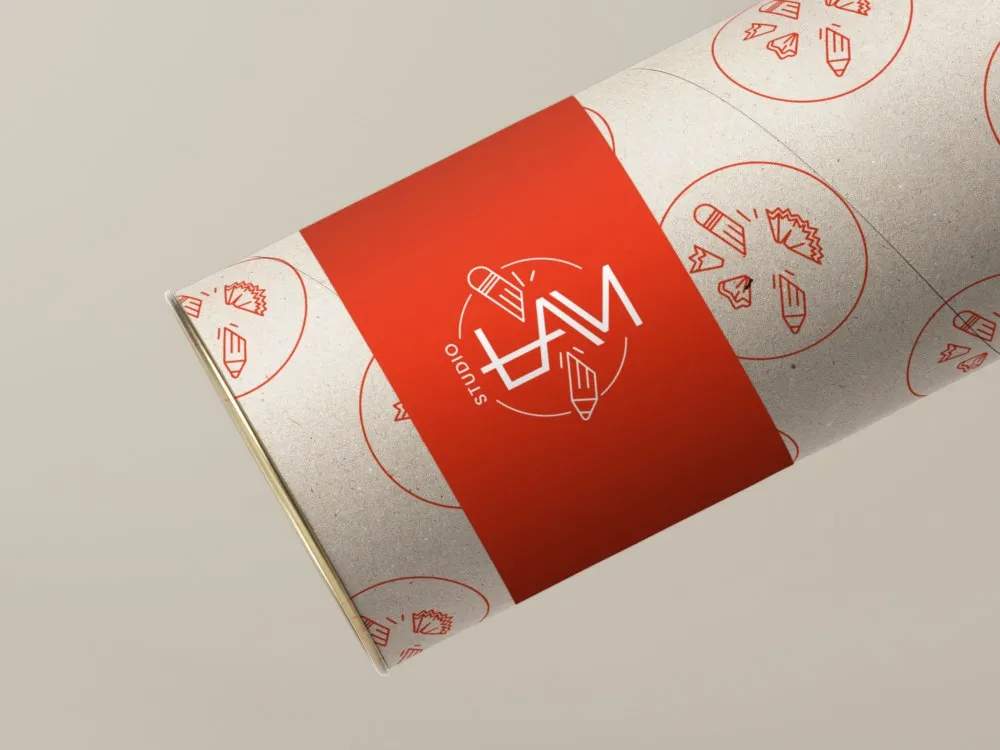
Studio ŁAM - Visual identity for a design studio
-
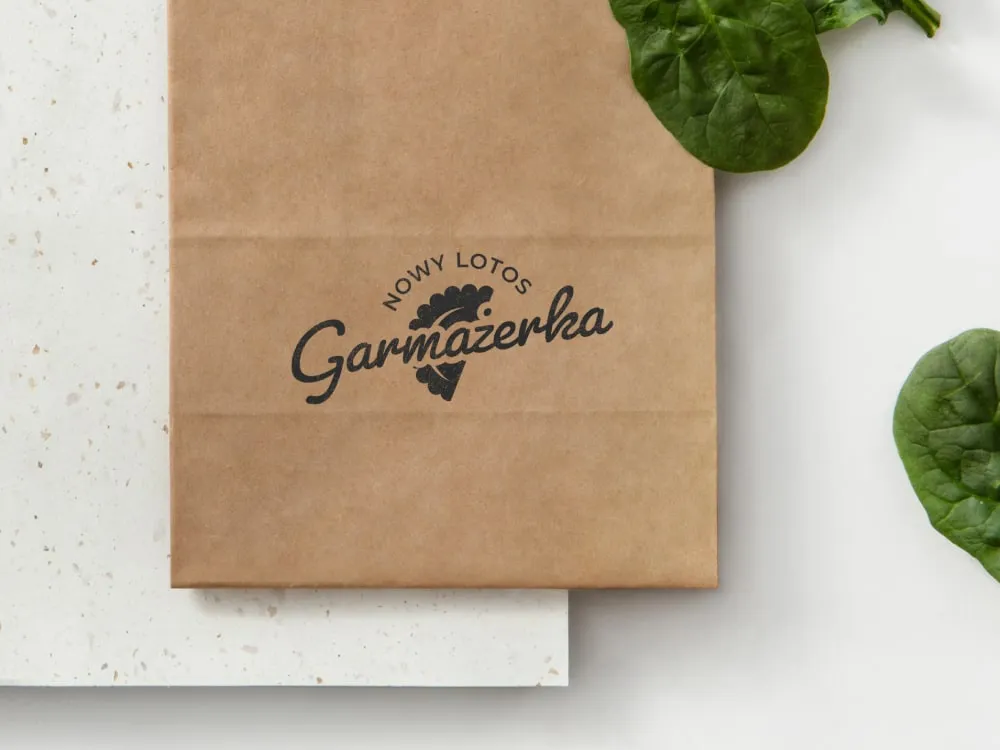
Nowy Lotos - Visual identity for a deli
-
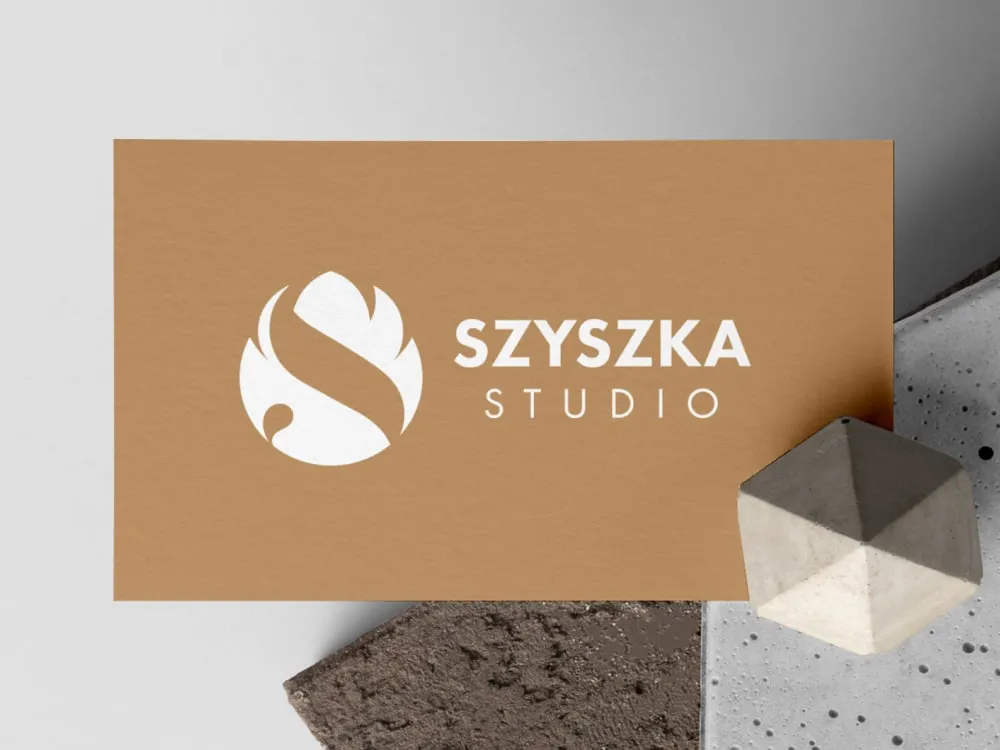
Szyszka Studio - Visual identity for a photographer
-

Alpimix - Services brochure for a rope-access company
-

Arthros - Tri-fold brochure for an orthopedics centre
-

Grenbud - Brochure and company profile for a builder
-
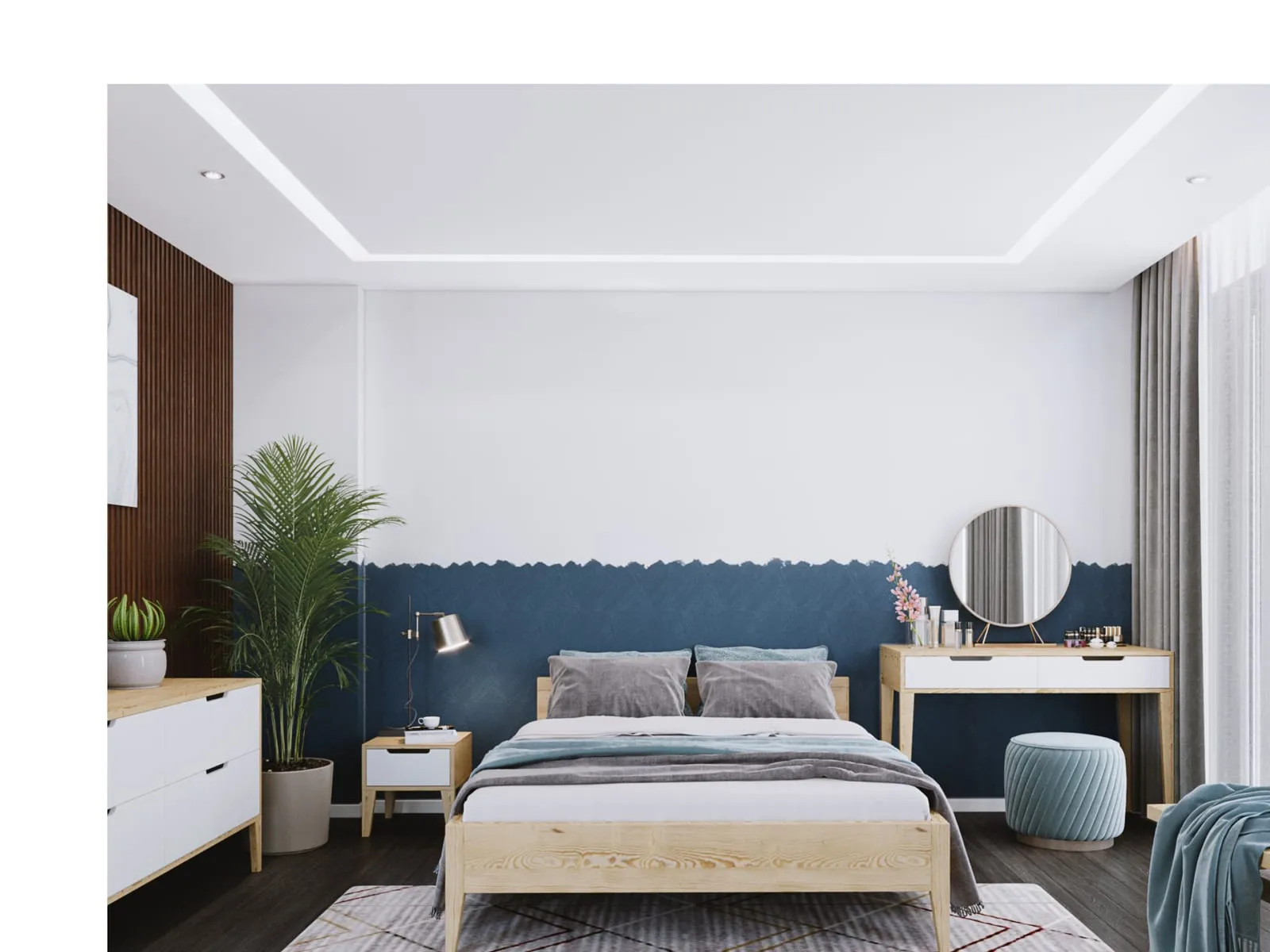
Polano Meble - Hotel catalogue for wooden furniture
Client voices
What our clients say
-
„Working with the Wzór team was a genuinely great experience! They always answered our questions quickly and were flexible about our comments. They have no shortage of creative ideas and are at the same time thoroughly reliable and on time. The end result fully met our expectations; we recommend them to anyone looking for professionals who care.”
 Maja Wieloch-Silecka Operations Director, Bosfor Group
 -
„Our clients expect us to act fast and effectively across a very wide scope - from building a brand, through a website with a store, to running an effective sales campaign. Not an easy task, but doable when you have a tight-knit team and partners who take on challenges on the fly. For us, quality, accountability and commitment are key, and working with UX Agency Wzór gives us that 100%.”
 Piotr Alberski Chief Operating Officer, Agencja XO Media
 -
„Our cooperation with UX Agency Wzór started with our own website. We really liked the way they work, so we decided to subcontract projects for our clients to them on a White Label basis. We loved their workflow, the way they hand projects over to our team, their documentation and their work on the design system. Now we can take on bigger risks.”
 Mateusz Swół Chief Operating Officer, Sellace



The team
Who runs it
The people who run the services this industry leans on most. You talk to them directly, from the first call through to delivery.
-

Aleksandra Bondar
Senior UX/UI Designer
-

Katarzyna Adamczuk
Prezes, Analityk Biznesowy
-

Patryk Korycki
CEO, Analityk Biznesowy
-

Tadeusz Wadas
Senior UX/UI Designer
FAQ
Questions that come up most often
Do you design integrations with Booksy, Versum, Calendly and Google Calendar?
Yes - if the client uses an off-the-shelf booking engine (Booksy, Versum, Calendly), we design the layer on top of it with its API and constraints in mind. If they are building their own booking engine, we design it from scratch, with synchronisation to Google Calendar / Outlook over CalDAV. In both cases the documentation comes in a format the development team can read.
How do you design mechanisms that reduce no-shows?
A no-show is not the customer’s problem - it is a design problem. We work with a reminder cadence (push at 24h, SMS at 2h, optional prepayment for expensive services), easy cancellation (the easier it is to cancel, the fewer no-shows) and a waiting list (when someone cancels, the slot goes straight to the next person). We measure the no-show rate, not the number of reminders.
Do you design two-sided service marketplaces?
Yes - a service marketplace is two products in one: the customer path (find, book, pay, review) and the provider panel (schedule, pricing, verification, payouts, statistics). Provider onboarding decides how much supply you have in the first quarter - we design it with the same care as the customer side, not as a “back office to finish later”.
Do you handle self-service portals for large service companies?
Yes - customer areas for telco, leasing, healthcare and insurance. The economic goal is clear: cut the cost of customer service by X per cent by moving cases from the hotline to the portal. We identify the top phone-call reasons, design fast self-service paths for them, and measure the percentage of cases resolved without help.
Related services