UX Research
Interviews, tests, surveys, eye-tracking. Insights with concrete product recommendations - in 2-4 weeks. With participant recruitment in the project price, GDPR documentation and an NDA on request.
We have worked with leading companies and startups









Challenges
Three moments when research pays off fastest
Not sure research is your best step right now? Book a consultation - we will tell you honestly, including when research is too much and an audit is enough.
-
„A hypothesis needs validating before investment”
You are planning a pivot, a new feature or a redesign. 5-8 interviews verify whether the hypothesis holds up against reality - before the team spends a quarter on implementation.
-
„Conversion or retention dropped - and you do not know why”
Analytics shows where you lose users, but not why. Interviews and moderated tests surface the real causes - often different from the initial suspicions.
-
„A regulated industry demands hard evidence”
Banking, healthcare, the public sector. You need ethical research with documented methodology and GDPR consents. We do this as standard, plus an NDA on request.
Who it is for
Who this research is for
-
Product teams where the buyer is not the user
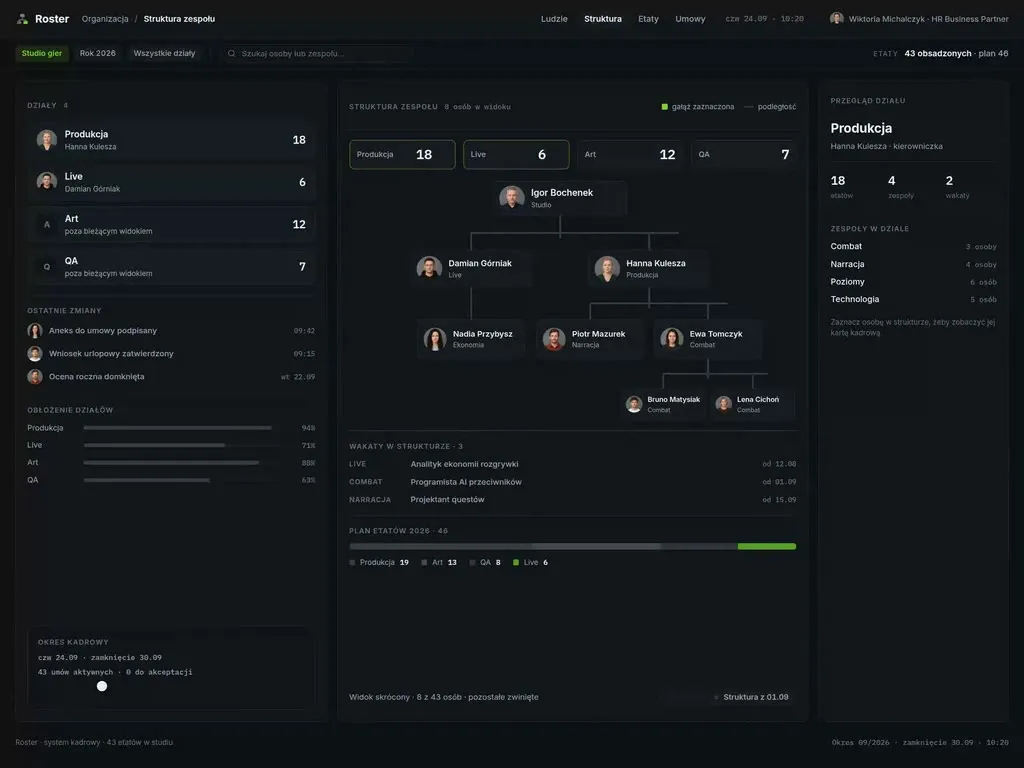
A director signs the contract, while the person working with the screen every day sits two levels below and nobody in the company has spoken to them. We reach that second group and show where the promise made during the sale drifts apart from the daily work.
-
Companies entering a new segment or a new market
You know everything about your current customers, and about the new group only as much as a market deck says. Conversations with that group show what they use today and in what language they talk about it, before your team builds the first version for them.
-
Teams maintaining internal systems
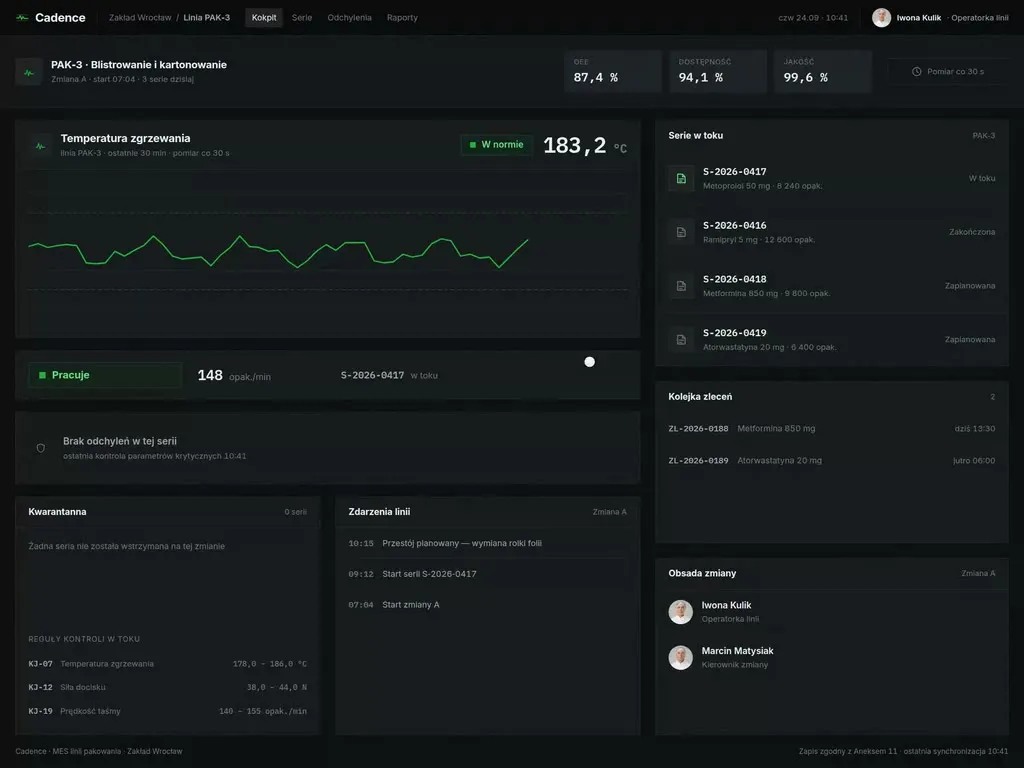
The user is an employee who cannot be recruited from a panel, and their work is invisible in analytics because it happens between the system, a spreadsheet and a phone call. We run the sessions at the workstation, so the whole path of a task is visible, not only the part that happens on screen.
-
Organisations rebuilding the structure of large sites
The structure grew for years, every department added its own section, and today nobody from outside the team finds things where they expect them. Card sorting and tree testing verify the new structure with participants before it enters the design and the implementation.
Our difference
What makes our research different
-
Recruiting narrow professional profiles
For the sessions we look for people who actually do the job in question - a controller settling invoices, a shift supervisor, a clinic coordinator. We verify the role with a screening survey and a short intro call, and we turn down participants who move professionally from study to study, because they answer with practice rather than with experience of the product.
-
Every finding has an address in the material
Each insight carries a participant code, a quote and a timestamp in the recording, so any claim can be checked at the source within seconds. An argument in a meeting about whether users really said that then ends with opening the clip, not with an exchange of impressions.
-
The strength of each finding stated openly
For every insight we write down how many participants it appeared with and whether quantitative data or earlier studies confirm it. That makes the difference visible between a repeatable pattern and a single signal worth watching, so a quarter of the roadmap does not rest on one statement.
-
The source material stays with you
We hand over the scenario, the screening survey, the transcripts, the recordings within the scope covered by participant consents, and the coding scheme for the answers. Your team can run the next round of research on its own using the same scenario and compare the results with the previous one.
Process
2-4 weeks. No "waiting on recruitment" for a month
- Day 1–2
Plan and scenario
We define the research goal, methodology and participant recruitment criteria. A research scenario emerges with concrete questions and tasks to test.
- Day 3–10
Recruitment
Our own panels and recruitment partners. A screening survey, criteria verification, scheduling. Participant honoraria included in the quote.
- Day 8–15
Running the research
Interviews online or on-site. Recording with consent, automatic transcription (Otter.ai). A real-time stream for your team - you can observe.
- Day 14–20
Analysis and synthesis
Affinity mapping, coding quotes, identifying insights. We combine qualitative data with quantitative analytics - so the insights have a numerical base.
- Day 20–28
Report + workshop
We deliver a report (PDF + Notion), personas, a list of insights with recommendations. A 90-minute debrief workshop - we discuss each finding with your team.
Deliverables
Three things. Not an 80-page report for the drawer
-
A report with 15-30 insights
PDF + a Notion database. An executive summary for leadership, quotes from transcripts, video clips from tests. Each insight with a concrete product recommendation and a hypothesis to validate in the future.
-
Data-based personas
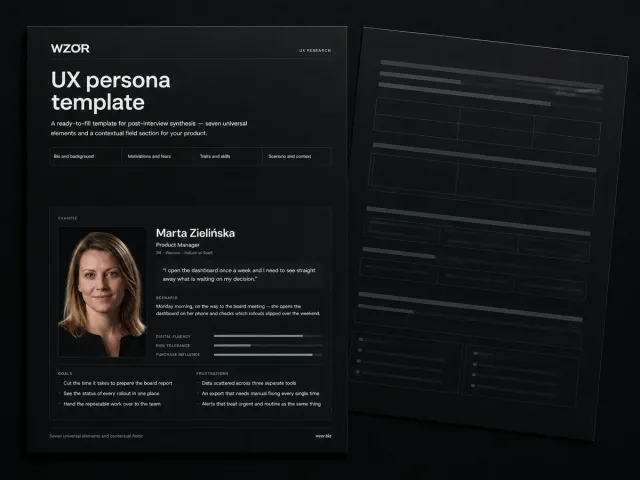
2-4 personas grounded in real interviews (not marketing fluff). Motivations, frustrations, jobs-to-be-done, a customer journey with moments of truth - ready to plug into strategy and design.
-
A 90-min debrief workshop
With your PM, designers and developers. We show clips from the research and discuss each insight in the context of the roadmap. You leave with concrete product decisions, not questions.
Toolkit
What we use
A standard set of tools and procedures for 10+ years. In regulated sectors we add documented methodology, GDPR consents and an NDA - all on request.

- Nielsen's rule (5-8 people = 80% of problems)
- ISO 20252 (market research) - reference
- GDPR compliant - consents, pseudonymisation
- NDA for banking / healthcare / public
- Maze, UserTesting, Lookback
- Tobii (eye-tracking), Otter.ai (transcripts)

Next step
Let us talk about your project
Tell us what you have to do. We will come back with scope and a quote.
Selected work
Projects from the areas where we research users
A selection from the product types we run research on most often. The research reports themselves we do not publish - participants agreed to take part in a study, not to publication, so we go through the method and the scope during a consultation.
-
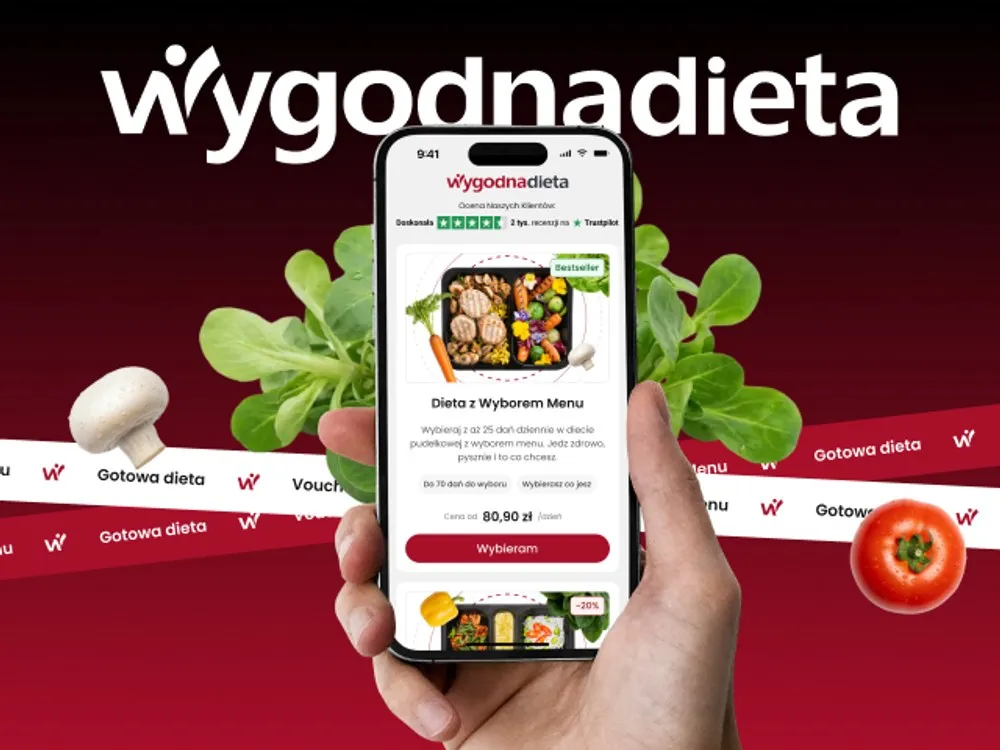
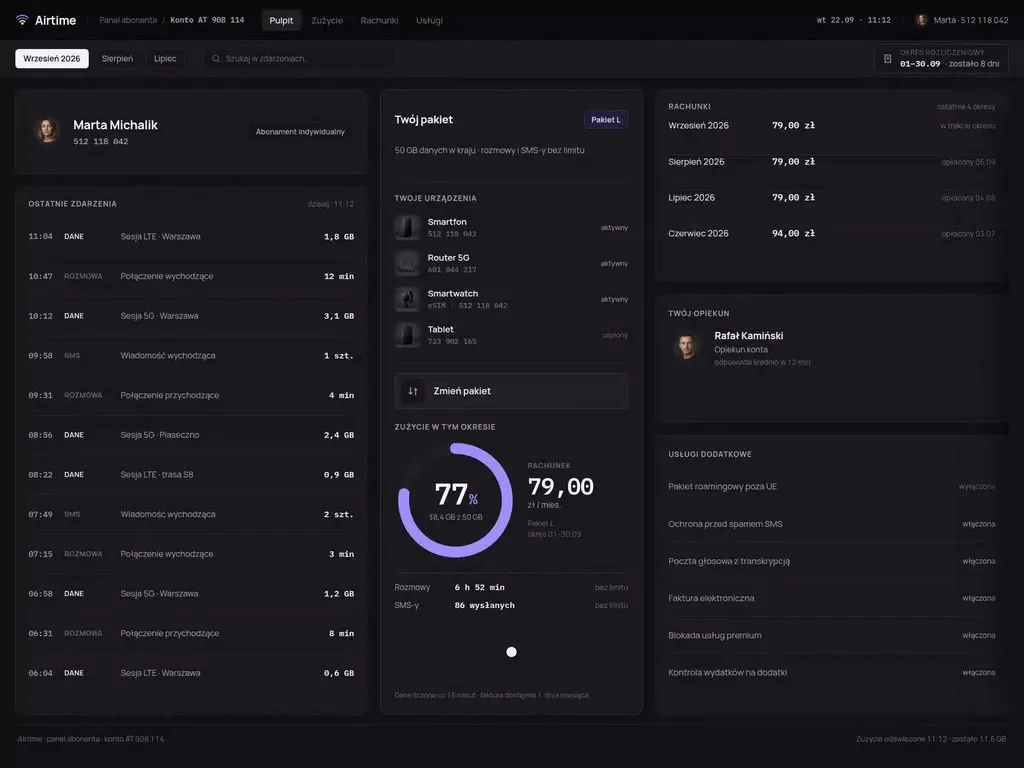
WygodnaDieta - App and online store for a meal-box diet service
-
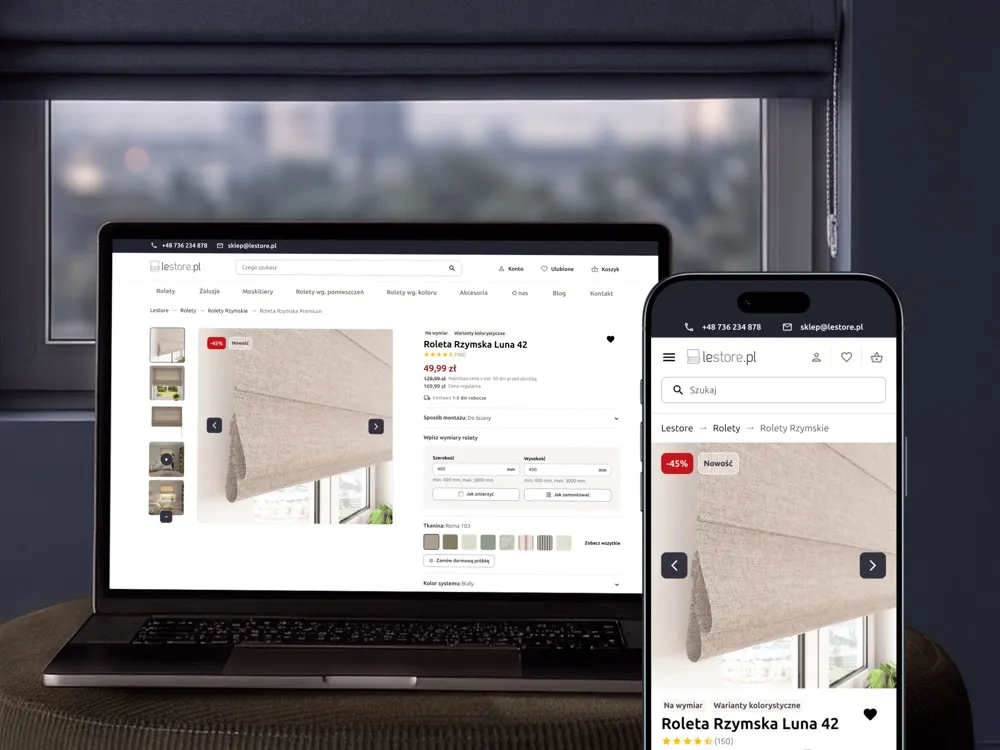
Lestore - Online store for blinds and shades
-
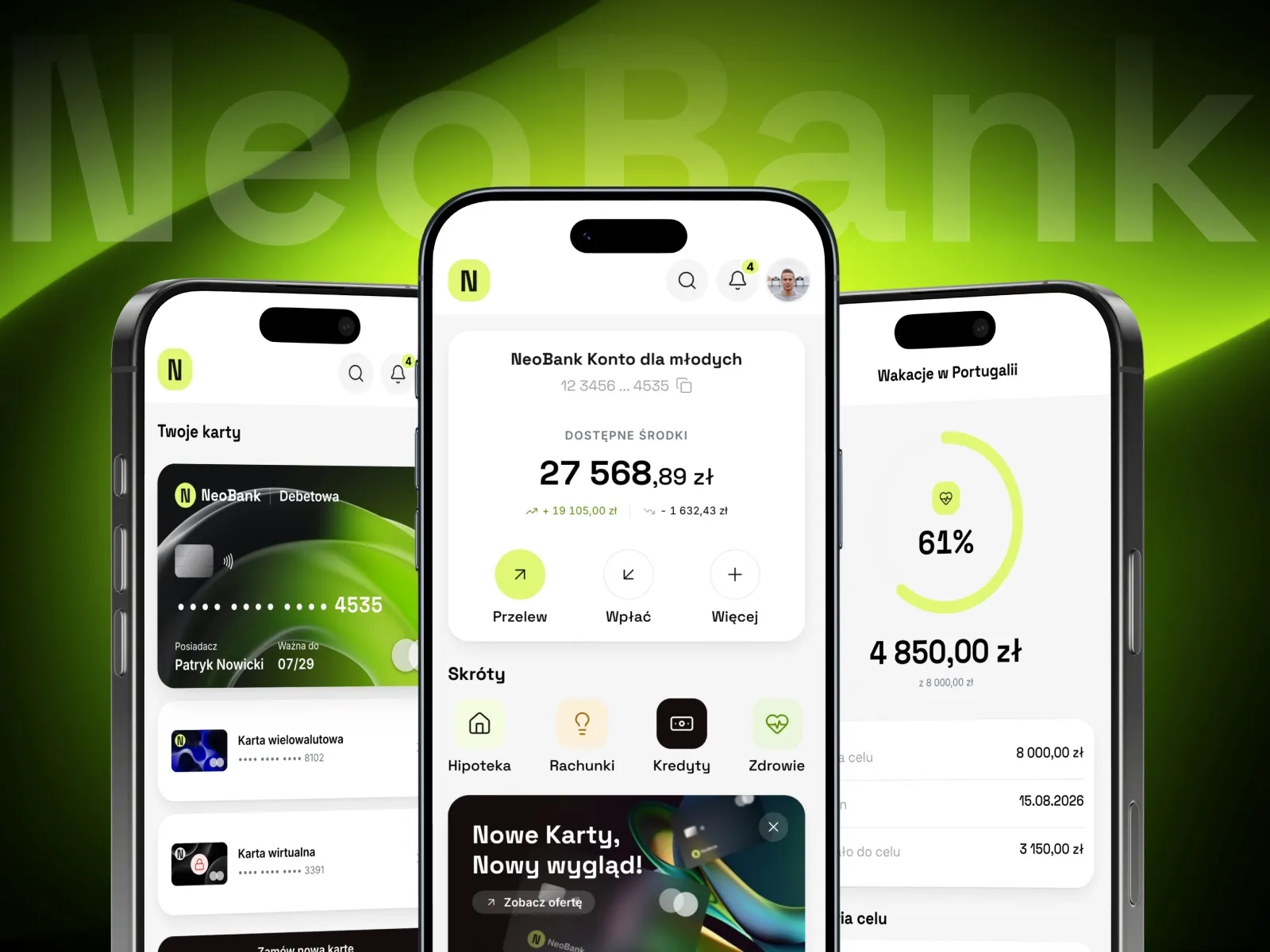
NeoBank - A banking app concept for young customers
-
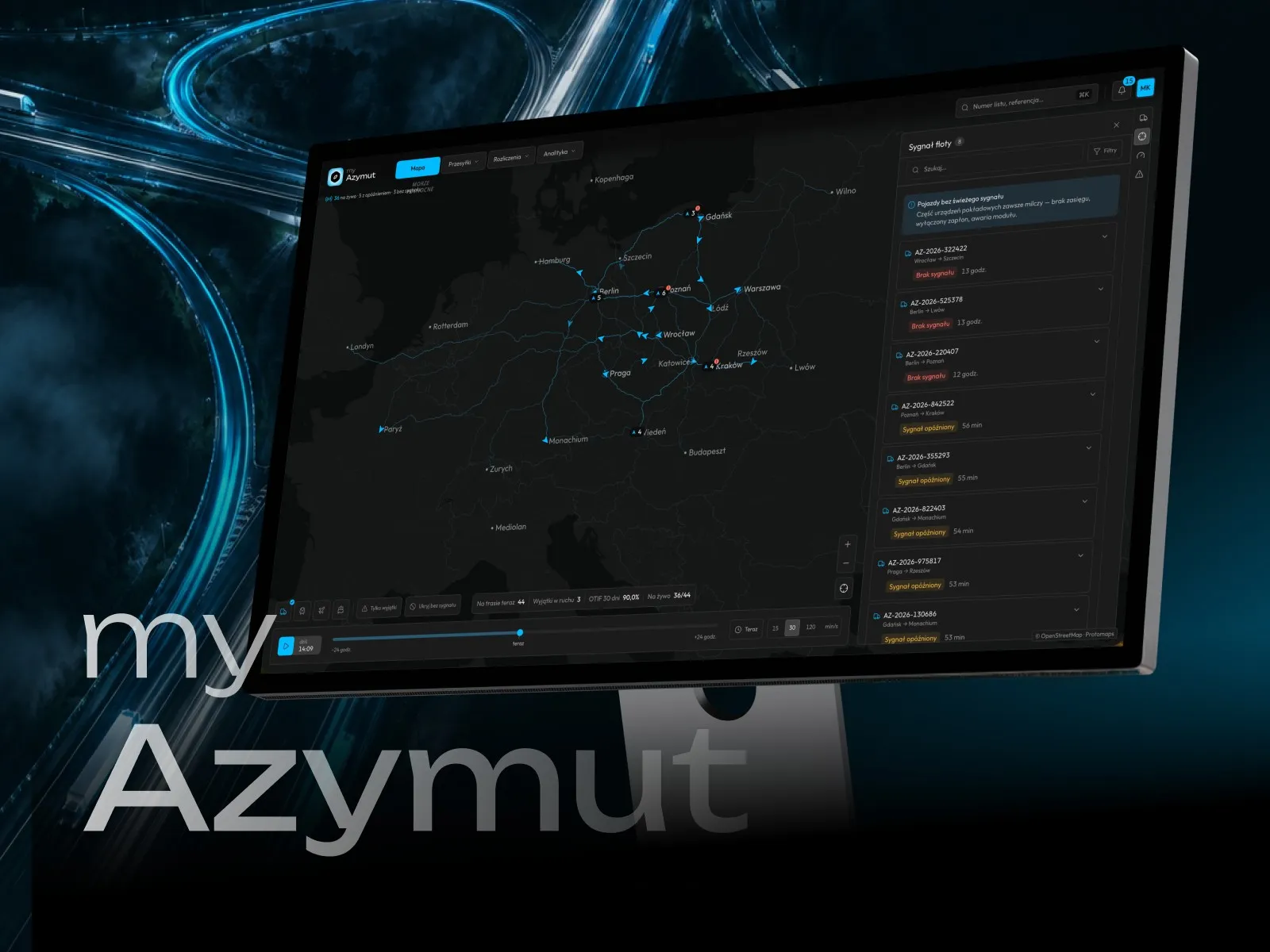
myAzymut - Client portal concept for a freight carrier
-
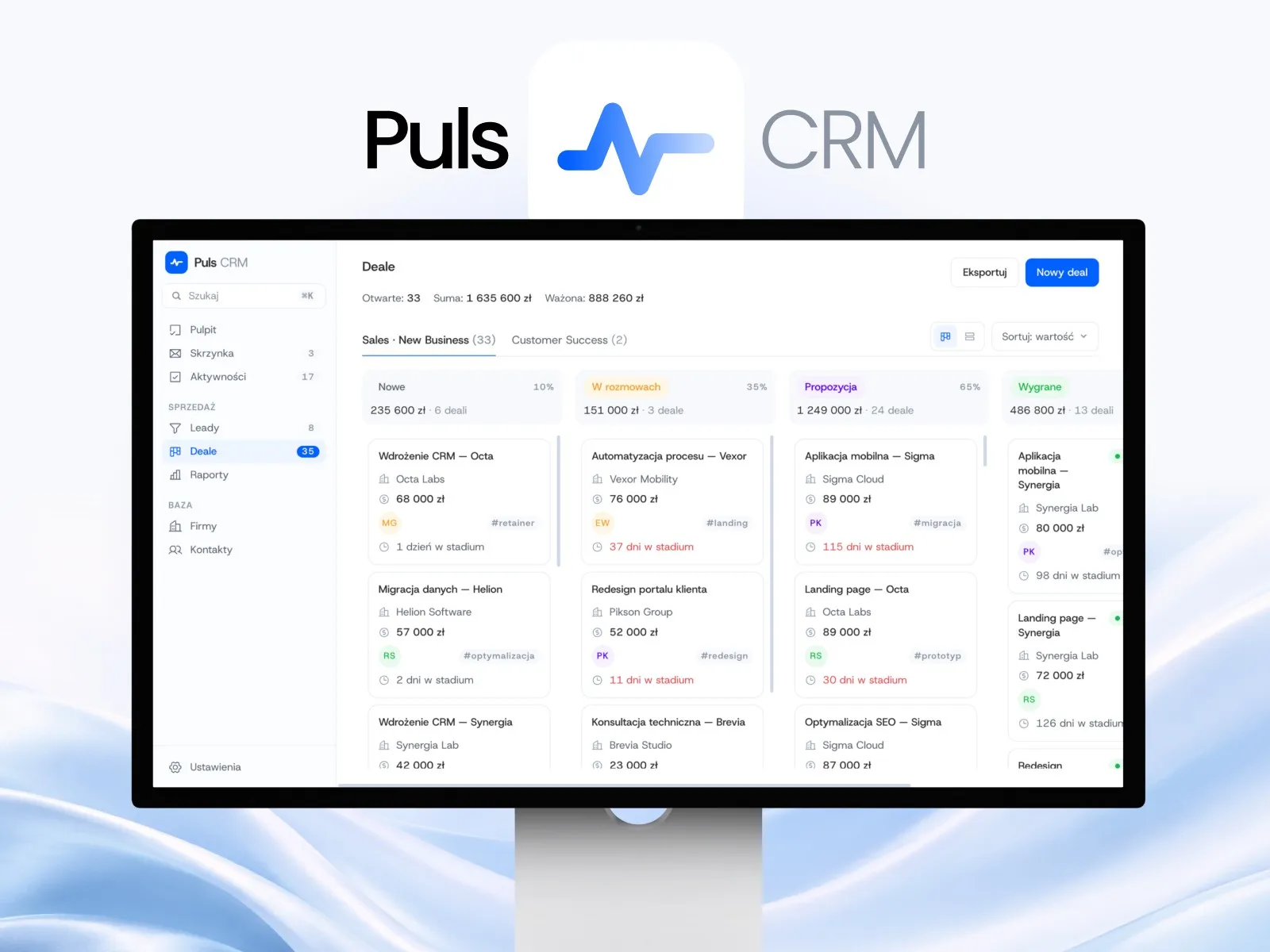
Puls CRM - CRM app concept for a sales team
-
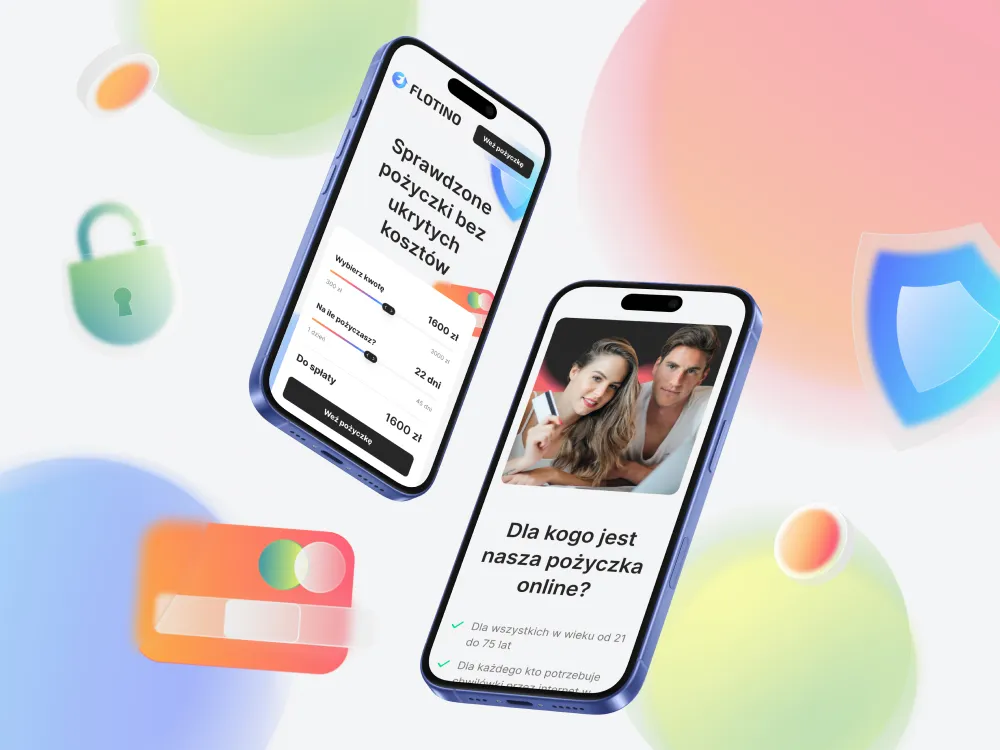
Flotino - Online cash loan service
-
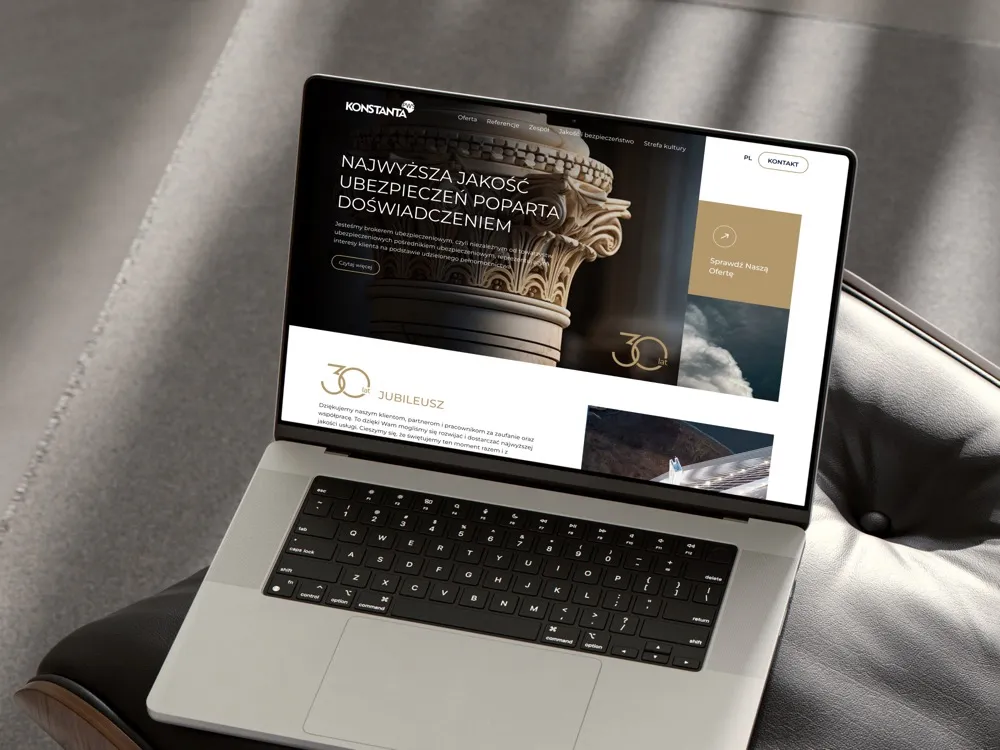
PWS Konstanta - Website for an insurance broker
-
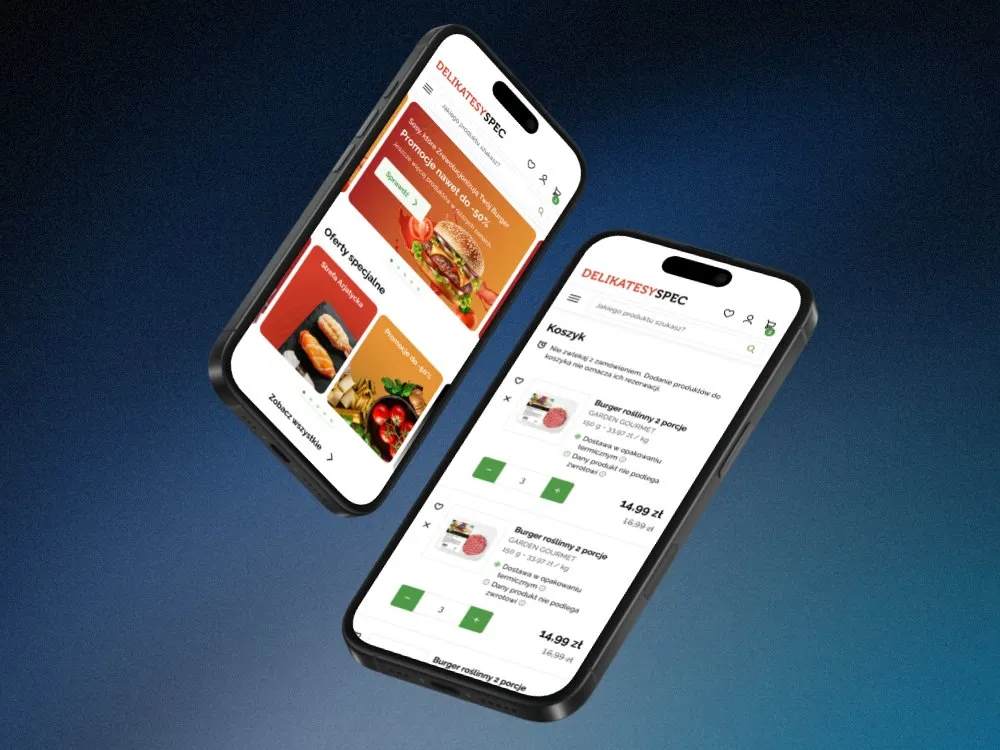
SPEC Food - Online store for a food delicatessen
-
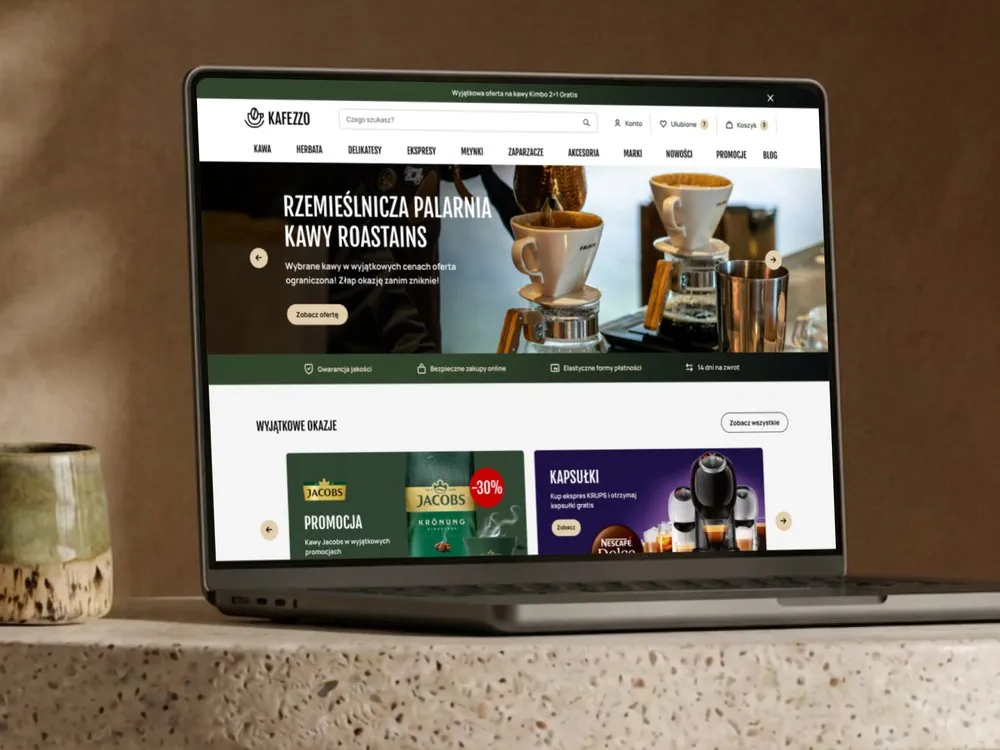
Kafezzo - Online store for coffee and tea
-
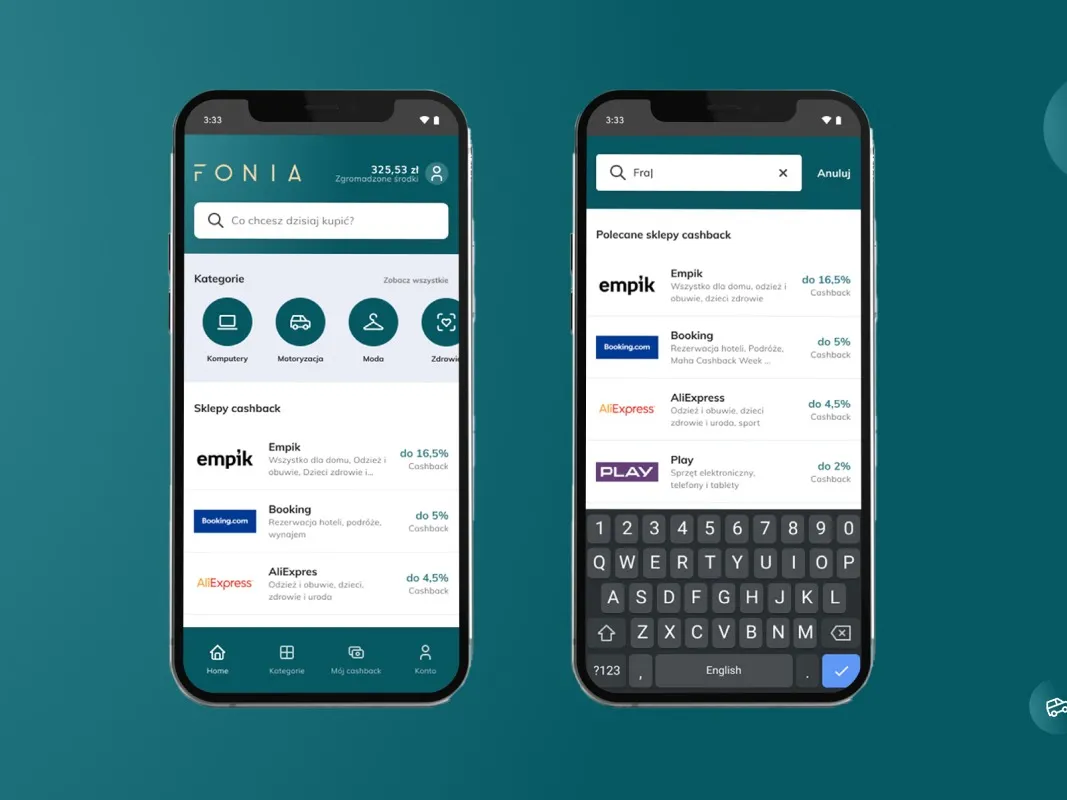
Fonia - A cashback app for online shoppers
-
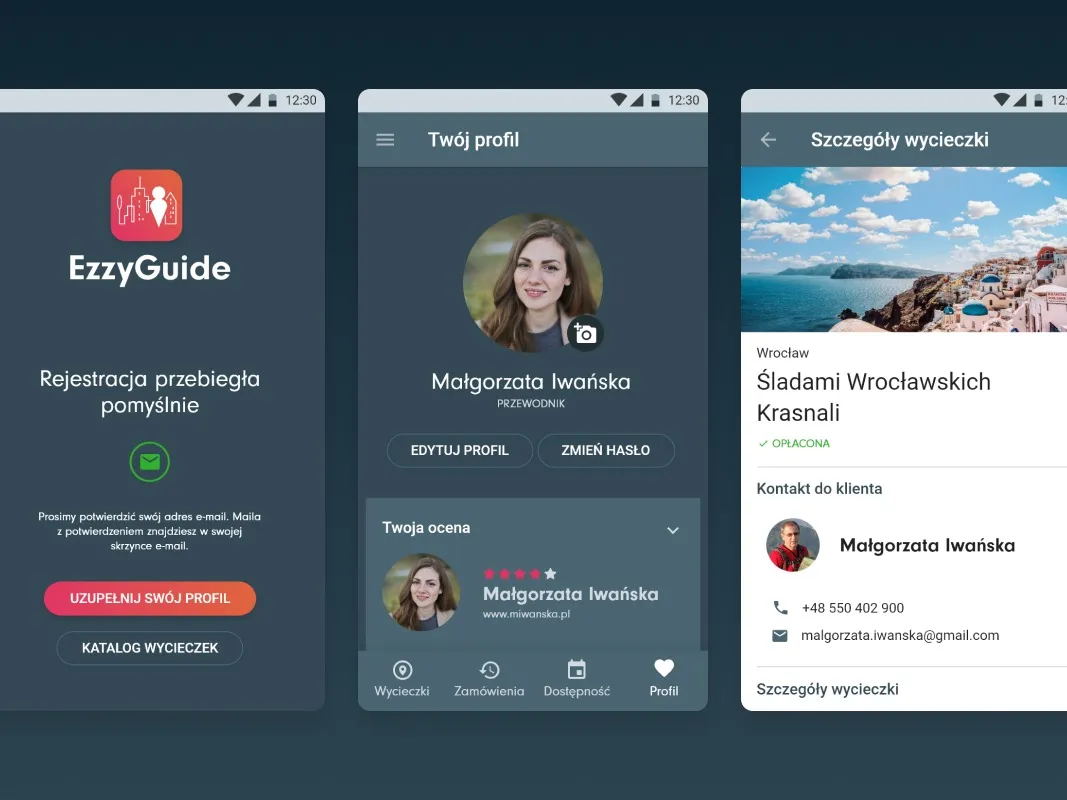
EzzyGuide - A tours app connecting guides with travellers
-
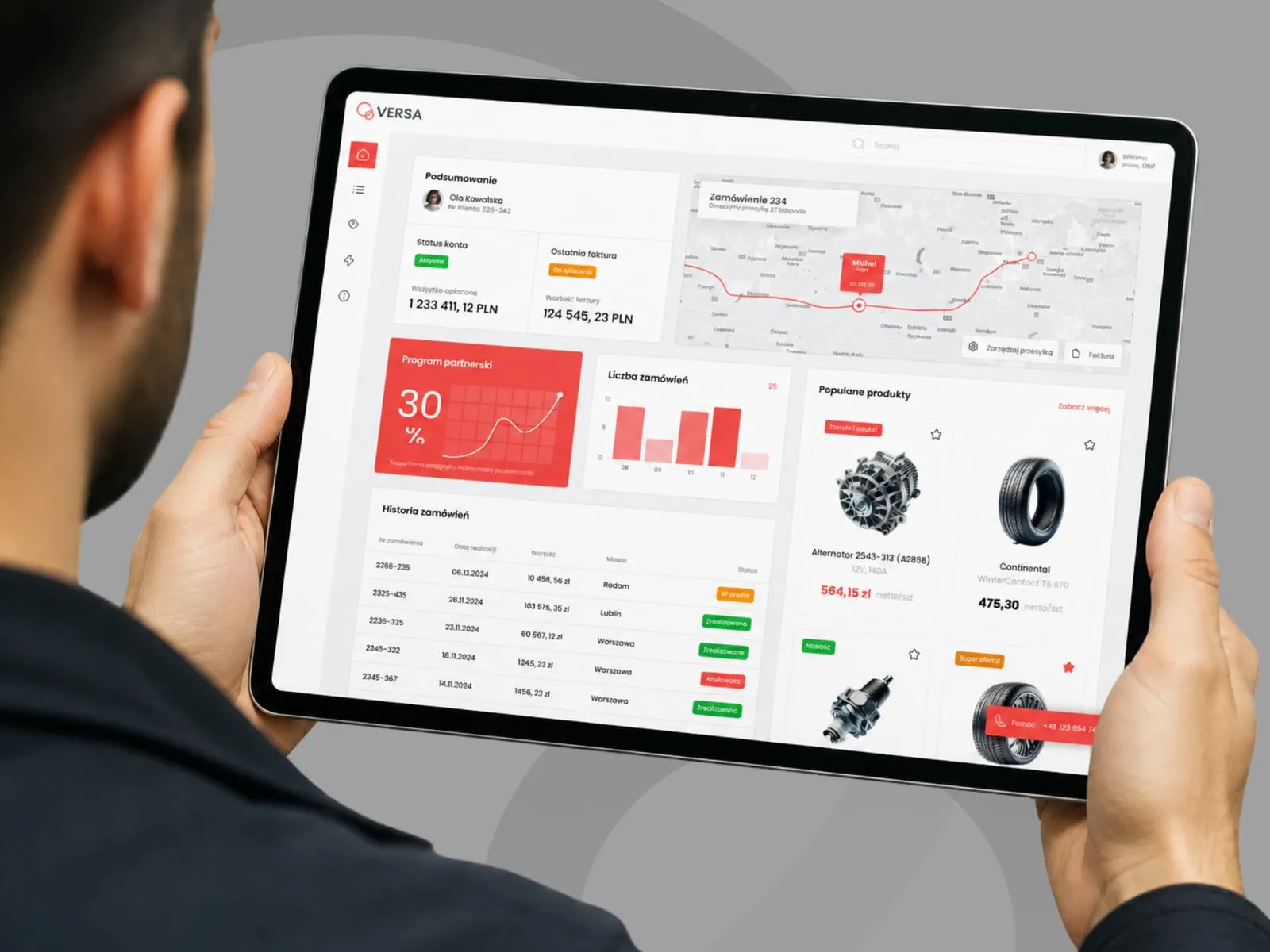
VERSA - B2B panel concept for a parts distributor
-
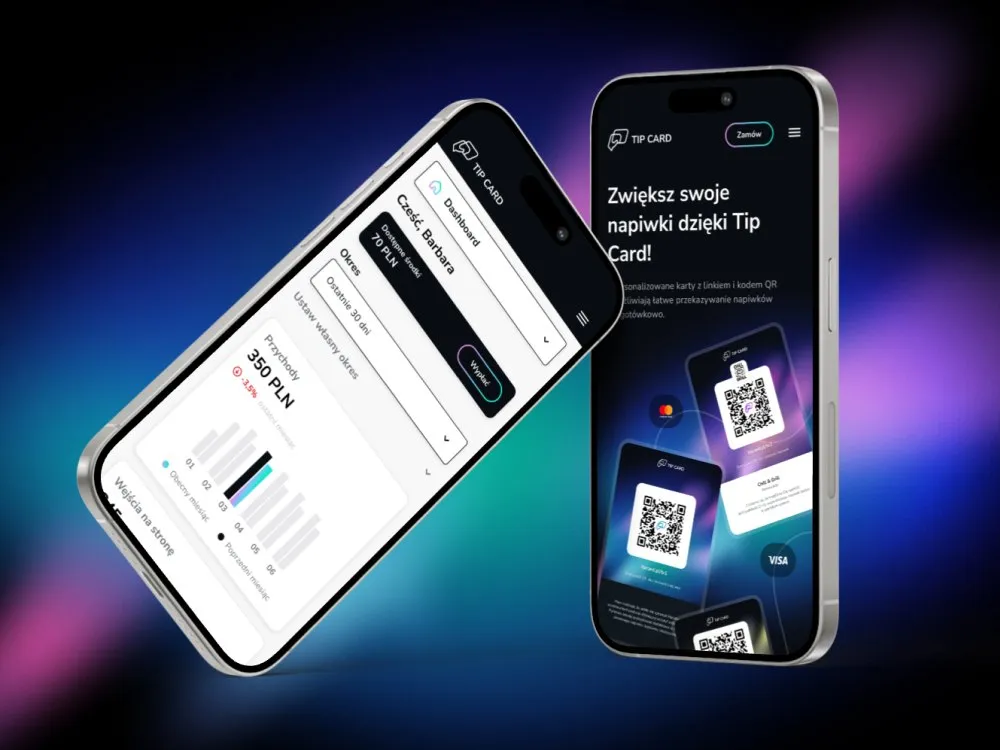
Tip Card - Cashless tipping platform
-
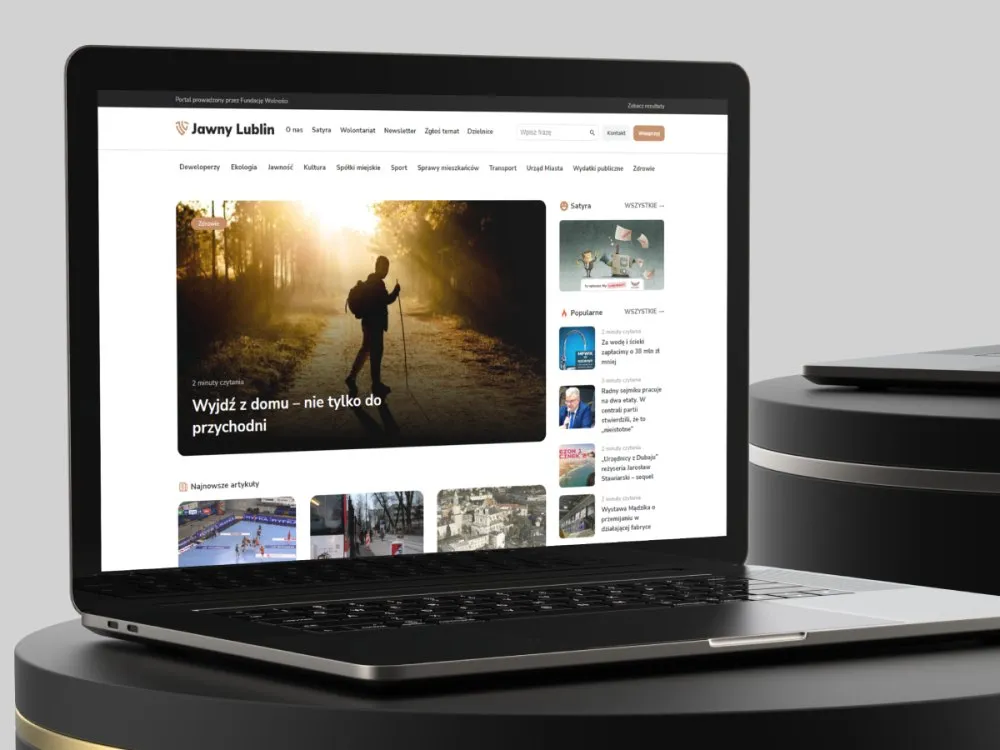
Jawny Lublin - A watchdog portal on city transparency
-
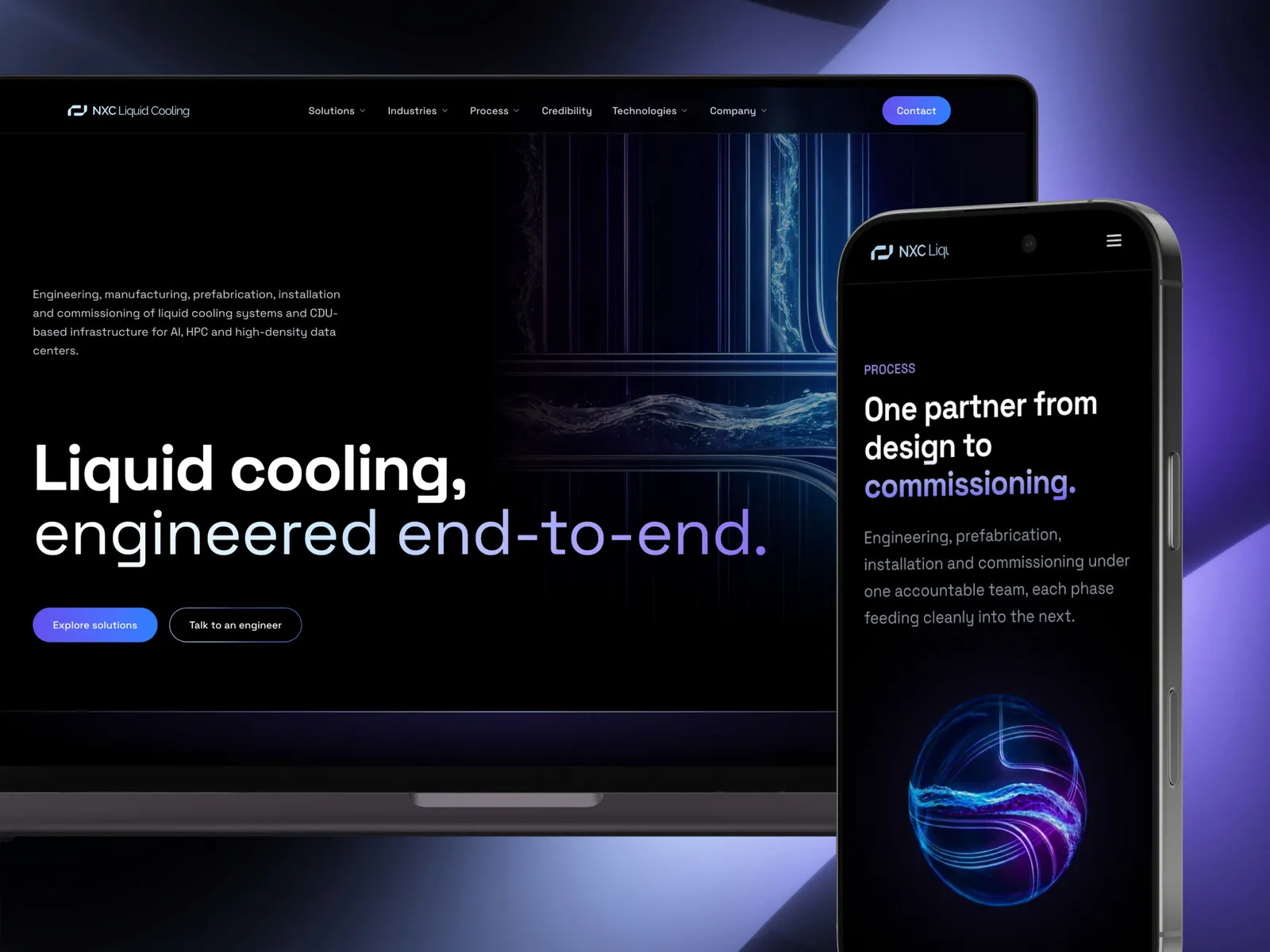
NXC Liquid Cooling - A liquid cooling systems website
-
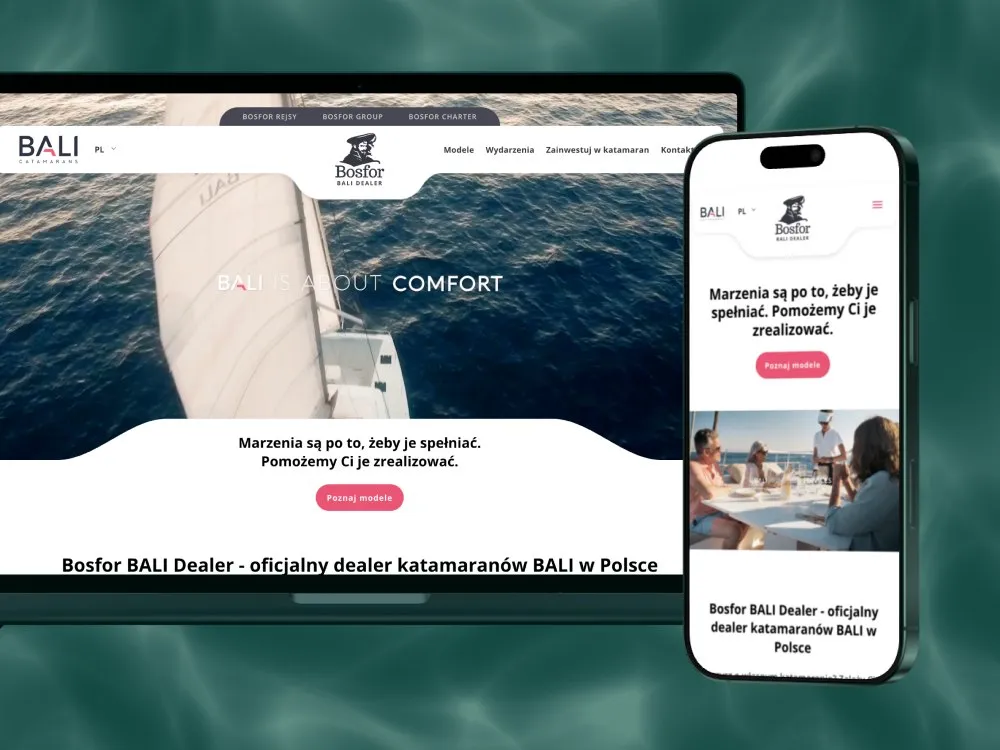
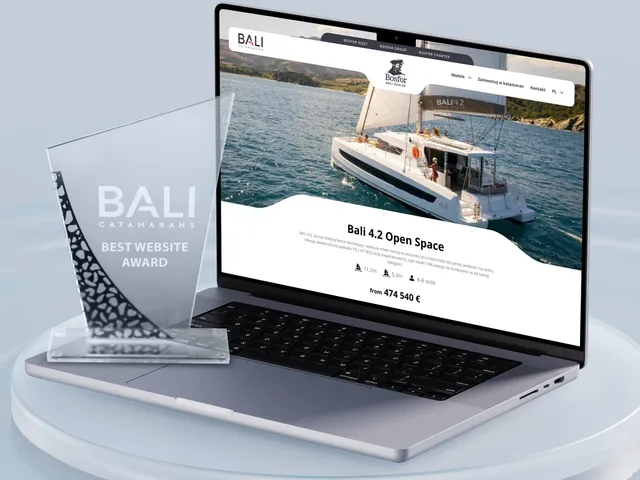
Bosfor BALI Dealer - Website for a BALI catamaran dealer
-
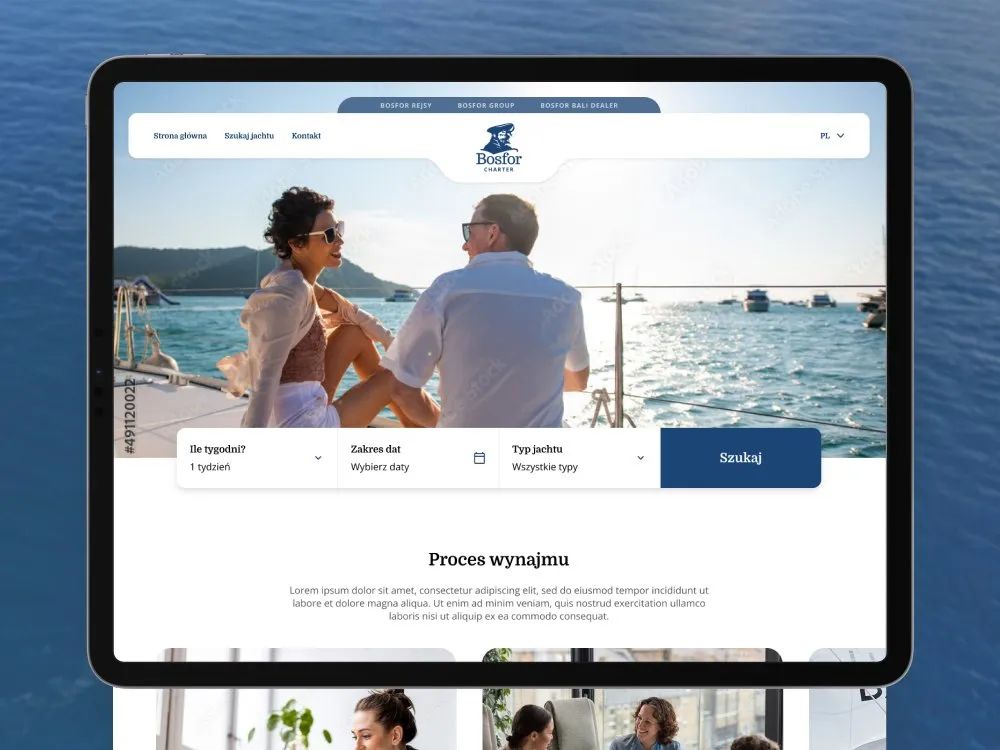
Bosfor Charter - Yacht charter platform with booking
-
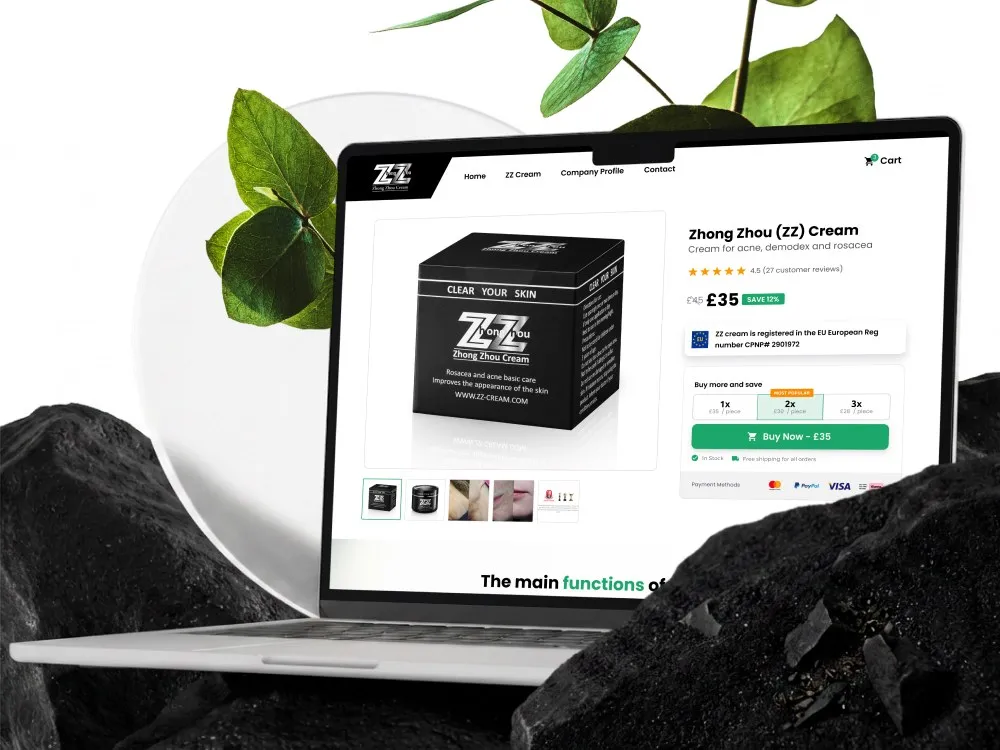
ZhongZhou - Online store for an acne, demodex and rosacea cream
-
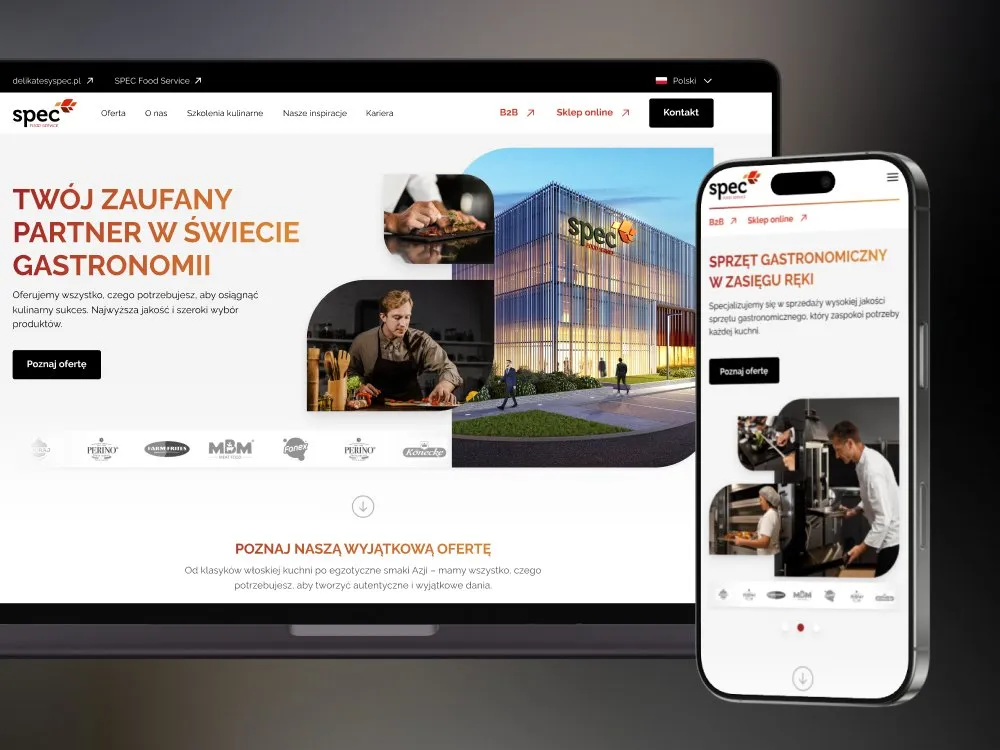
SPEC Food - Website for gastronomy - SPEC Food Service
-
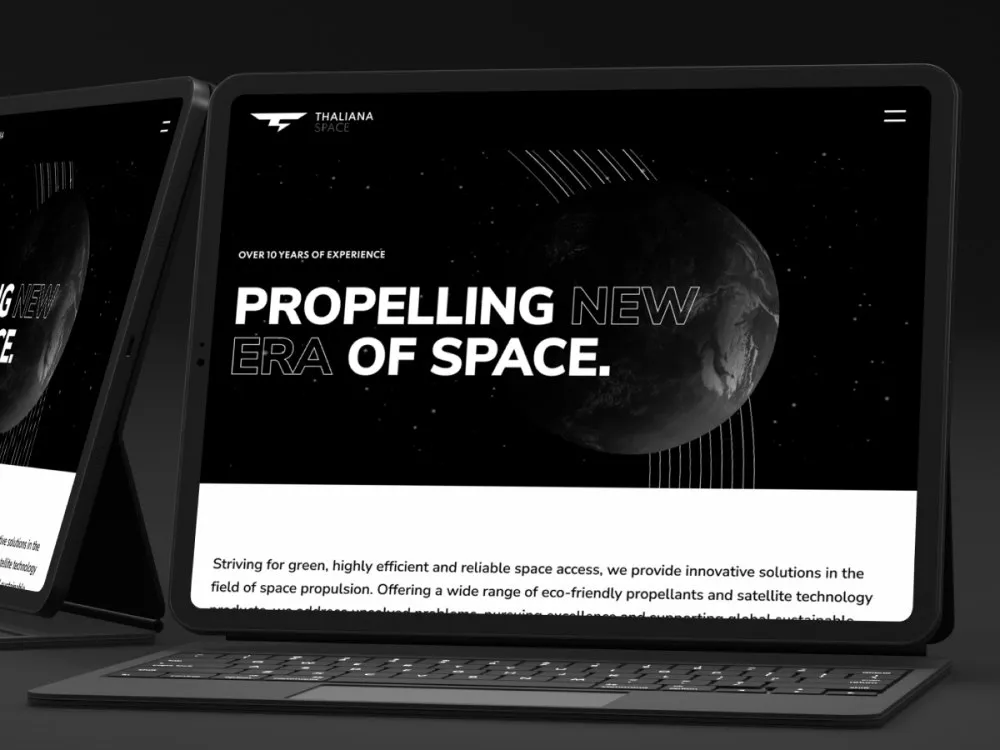
Thaliana Space - Website for a space-propulsion company
-
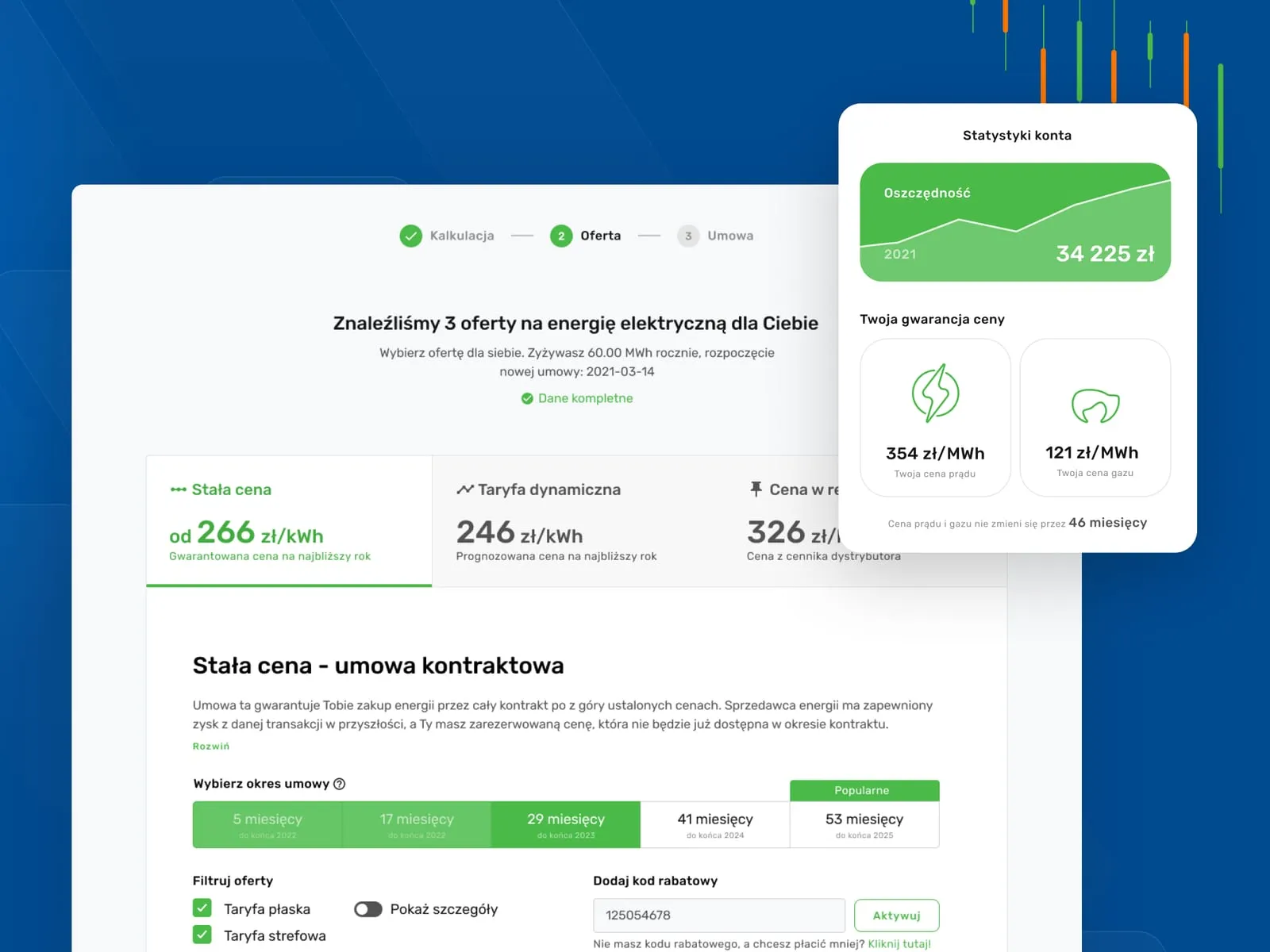
Wolumen - Energy and gas price comparison for businesses
-
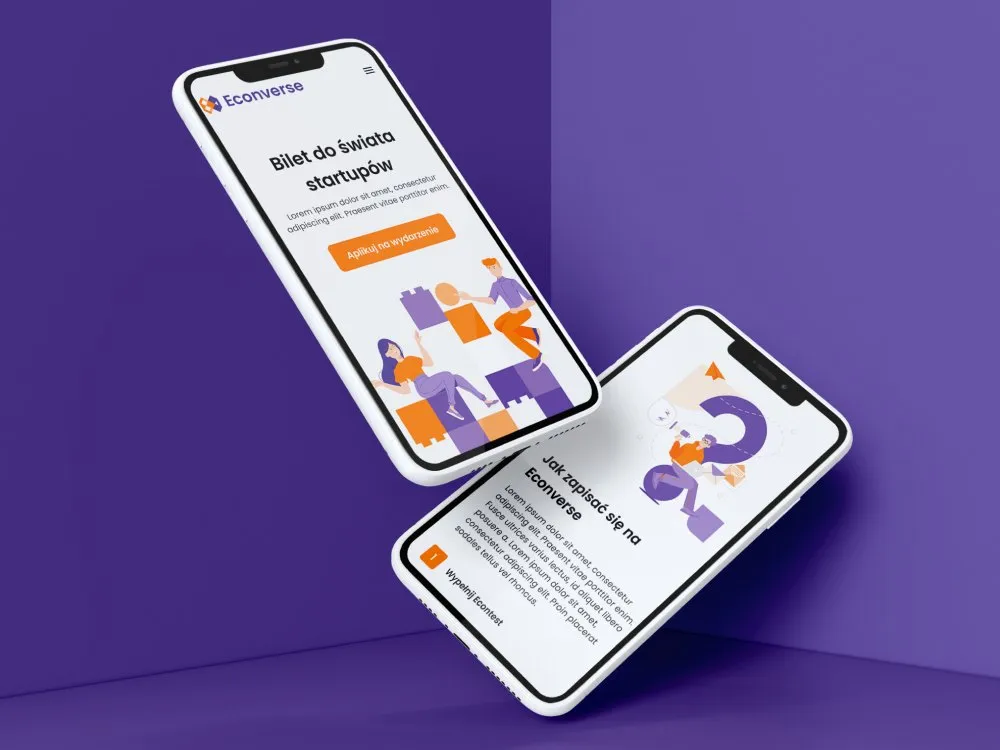
Econverse - Website for a start-up event
-
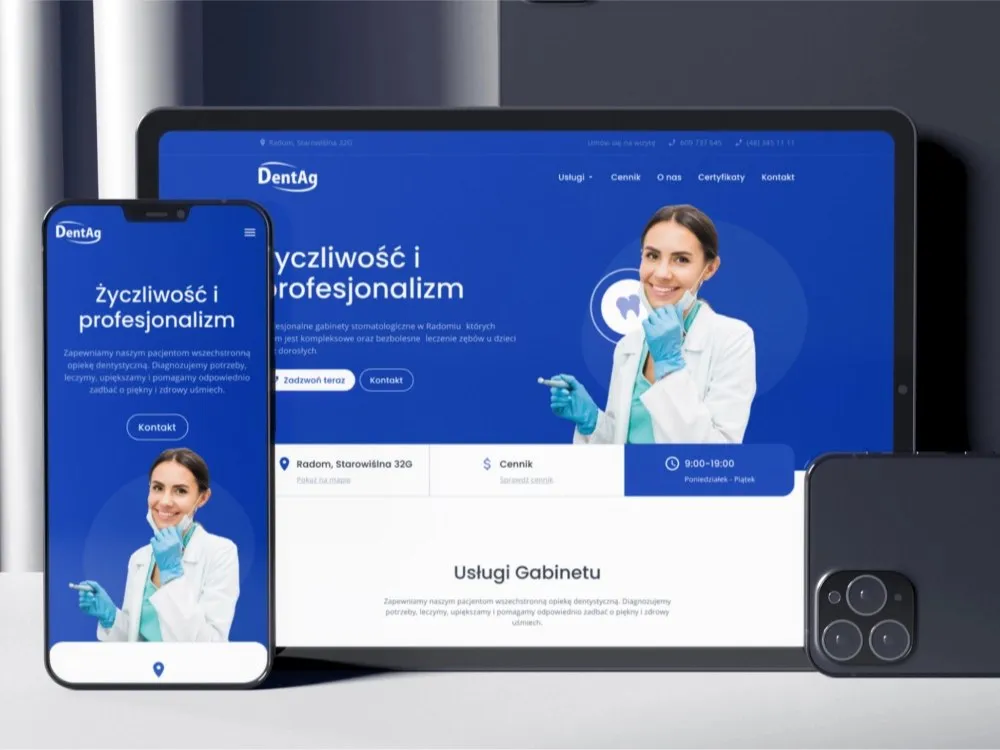
DentAg - Website for a dental clinic in Radom
-
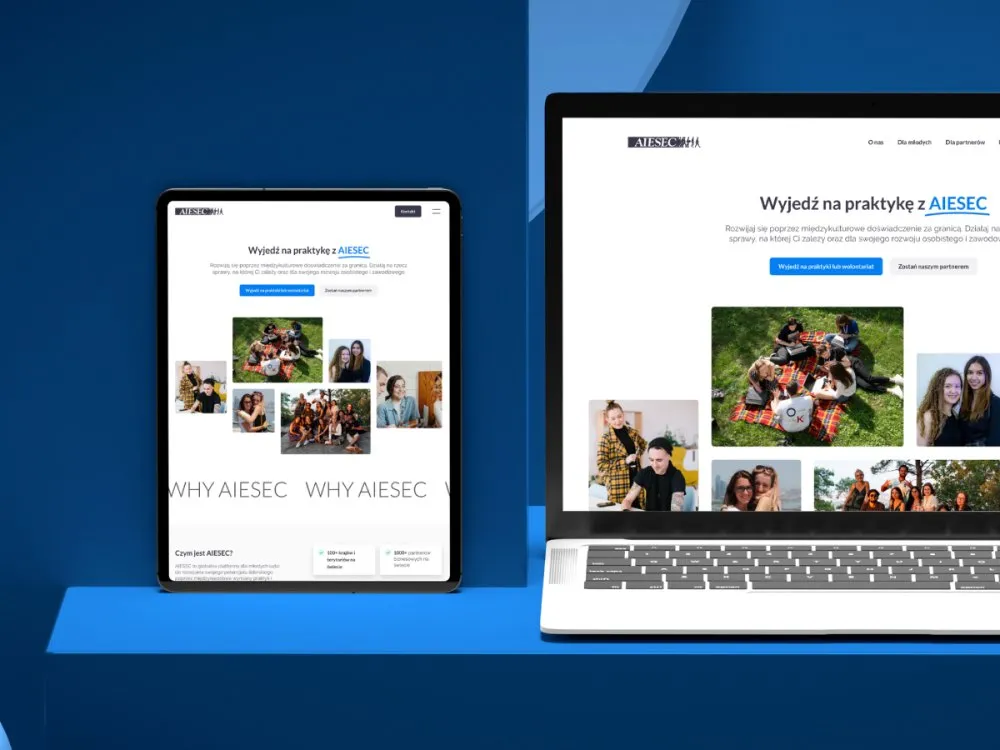
AIESEC - Website for internships and volunteering abroad
Outcomes
What you can count on before the sessions start
-
2-4 wks
From the brief to the report and the workshop - the calendar is decided by the pace of recruitment, not by the analysis itself
-
5
That many participants in one round is enough to surface most usability problems - Jakob Nielsen's rule, not a statistic of ours
-
GDPR
Consents, pseudonymisation and an NDA on request as standard, including for banking, healthcare and the public sector
-
101
Published projects in the portfolio - we do not publish research reports, so this is where you see what products we work on
The deadlines come from the schedule and the scope described above on this page, and the formal requirements from the list of standards we apply. The five-participant threshold is Jakob Nielsen's rule from the Nielsen Norman Group, not a measurement of ours. The project count is our public portfolio in the Projects section. We do not publish sales results after findings are implemented, and we do not make research reports public - participants agreed to take part in a study, not to publication.
Client voices
What our clients say
-
„Working with the Wzór team was a genuinely great experience! They always answered our questions quickly and were flexible about our comments. They have no shortage of creative ideas and are at the same time thoroughly reliable and on time. The end result fully met our expectations; we recommend them to anyone looking for professionals who care.”
 Maja Wieloch-Silecka Operations Director, Bosfor Group
 -
„Our clients expect us to act fast and effectively across a very wide scope - from building a brand, through a website with a store, to running an effective sales campaign. Not an easy task, but doable when you have a tight-knit team and partners who take on challenges on the fly. For us, quality, accountability and commitment are key, and working with UX Agency Wzór gives us that 100%.”
 Piotr Alberski Chief Operating Officer, Agencja XO Media
 -
„Our cooperation with UX Agency Wzór started with our own website. We really liked the way they work, so we decided to subcontract projects for our clients to them on a White Label basis. We loved their workflow, the way they hand projects over to our team, their documentation and their work on the design system. Now we can take on bigger risks.”
 Mateusz Swół Chief Operating Officer, Sellace


The team
Who talks to your users
The sessions are moderated by the same person who then writes the report - the analysis does not go to someone who knows the study only from a recording.
-

Aleksandra Bondar
Senior UX/UI Designer
-

Katarzyna Adamczuk
Prezes, Analityk Biznesowy
-

Patryk Korycki
CEO, Analityk Biznesowy
-

Tadeusz Wadas
Senior UX/UI Designer
Time and scope
How long the research takes and what drives the quote
2–4 weeks
Two weeks covers one user segment and one method, with participants who are easy to reach. A narrow professional profile, several segments at once or on-site sessions move the deadline towards four weeks, because the calendar is decided by the pace of recruitment, not by the analysis itself.
-
The number of user segments and methods in one project
-
How narrow the participant profile is and how hard it is to recruit
-
The session format - remote, on-site or with eye-tracking under lab conditions
-
The languages and markets we run the sessions in
-
Formal requirements on your side - consents, an NDA, access to a test environment
FAQ
Questions that come up most often
How many participants are enough?
In-depth interviews (IDI): 5-8 people per segment - the signal/cost optimum. Usability testing: 5-8 users catch ~80% of problems (Nielsen’s rule). Quantitative surveys: min. 100 respondents, ideally 300+ for statistical significance.
Do you recruit participants?
Yes - we have our own panels and recruitment partners. Participant honoraria are included in the project quote. You do not have to find people yourself.
Is the research GDPR-compliant?
Yes. Participants sign consent for recording and data processing. Personal data is pseudonymised in the report. Full methodology documentation and a privacy policy available on request - as standard for banking, healthcare and the public sector.
Can we observe the interviews live?
Yes - we provide a real-time stream (Lookback / Google Meet in observer mode) or recordings after the session. You can also take part actively in a second-chair role: ask follow-up questions via Slack to the moderator during the interview.
Which methods for my case?
Validating a concept before investment → IDI (in-depth interviews). Diagnosing a conversion drop → moderated usability testing. Validating information architecture → card sorting + tree testing. Enterprise strategic decisions → mixed-methods research (qual + quant). If in doubt, book a consultation - we will point to the cheapest method that answers the question.
What do I get at the end of the project?
A PDF report (executive summary + insights + recommendations), a Notion database with quotes and video clips (sortable, ready to plug into sprints), 2-4 personas (where the scope requires it), and a 90-minute debrief workshop with your product team.
Related services