
Hire UX/UI designers
A senior UX/UI designer joins your Figma, Jira and Slack and works in the rhythm of your sprints - openly, as Wzór. They take on the screens, the design system and readiness for implementation, and you are left with material your own team can carry the product on with. Start within 48 hours, capacity agreed month by month.
We have worked with leading companies and startups









Challenges
Four situations where this beats a permanent hire
Some design needs are best closed with a permanent hire, and some are not. Below are the four where the arithmetic falls on the side of hiring capacity - and where you most often come to us.
-
„Design is the bottleneck of an otherwise healthy team”
Developers wait for screens while the one designer has every hour booked. We widen the throughput at exactly that point and leave the rest of the process untouched.
-
„The product grows faster than recruitment”
A designer is needed now and the hiring process takes a quarter. We start within 48 hours and stay until you hire someone permanently - or as long as the model keeps working.
-
„The work is uneven across the year”
One intense month, two quiet ones. A permanent hire costs the same in each; here you pay for the hours actually worked and move capacity along with the roadmap.
-
„One specific skill is missing”
The team has UI but needs a researcher. Or it has designers and the design system is waiting for an owner. We add the missing role instead of another generalist.
Who it is for
Three levels of engagement
-
Support - from 20 hours a month
For teams that have a designer but need more of one. Day-to-day screens, fixes and design QA on the test environment, with a report of the hours used.
-
Designer in the team - from 80 hours
A full member of the product team. They join planning and sprint reviews, run their own topics from discovery to hand-off, and own interface consistency.
-
Design team - from 160 hours
Several roles at once when the scope exceeds one person - design, research, interface, running the process. We assemble the team around the scope, not the other way round.
-
You change the level between months
Each level contains everything from the one below, so moving up is a decision rather than a fresh conversation. Changes are notified a month ahead - up and down alike.
Our difference
You hire a designer. You keep a system
-
What stays is an asset, not a folder of screens
The designer starts from what your team will use after us - components, tokens, rules and documentation. When the engagement ends you carry the product on, including in the hands of someone who never met us.
-
A hand-off a coding agent can read too
Named components, explicit states, described behaviours. The same description is read by a developer and by a code-generating tool, and today that is the difference between one sprint and two.
-
A specific person, not a resource
You meet the designer by name, see their portfolio and talk to them before the start. The same person stays for the whole engagement, so product knowledge accumulates instead of restarting every month.
-
A whole agency stands behind them
When the project needs research, an accessibility audit or an extra pair of hands for two weeks, we add them from our own bench and in the same working rhythm. Holidays and sick leave have cover.
Process
From the first call to the first screen
- 30 minutes
You tell us what the team is missing
The call is led by Katarzyna Adamczuk, President of the Board. We want to know the product stage, the team composition and where the work stalls today. You leave with a proposed role and capacity aimed at one specific gap.
- The days after
You meet a specific person
We show the portfolio and experience of the designer we want to assign and set up a call between you. If the fit is not obvious we propose someone else, or the date the right person frees up.
- 48 hours
We move into your tools
Access, a Slack channel, a place in the backlog, a Figma seat. Product onboarding is on us - before the first task the designer walks the user paths and reads the documentation themselves.
- Every month
We work in your rhythm
Your meetings, your priorities, your tracker. Once a month you get a statement of hours together with what came out of them, and we agree the capacity for the next period.
Deliverables
Which roles you can add
-
Product designer
User paths, information architecture, the scope of the first release. The role for moments when deciding what to build matters more than how the screen looks.
-
Interface designer
The visual layer and readiness for implementation - grid, typography, states, responsive behaviour and material a developer can take straight to work.
-
UX researcher
User testing, interviews, analysis of paths and product data. The role for scopes with more hypotheses than certainties, where a wrong decision is expensive.
-
Design system owner
Components, tokens, rules and documentation the whole team works from. It holds consistency when several people work on the interface at once.
-
Accessibility auditor
Conformance with WCAG and the digital accessibility act, a fix list ranked by impact, and testing with a screen reader and with the keyboard alone.
-
Implementation support
A review of the built interface on the test environment and work side by side with developers until the screen behaves the way it was designed.
Toolkit
We work in your tools
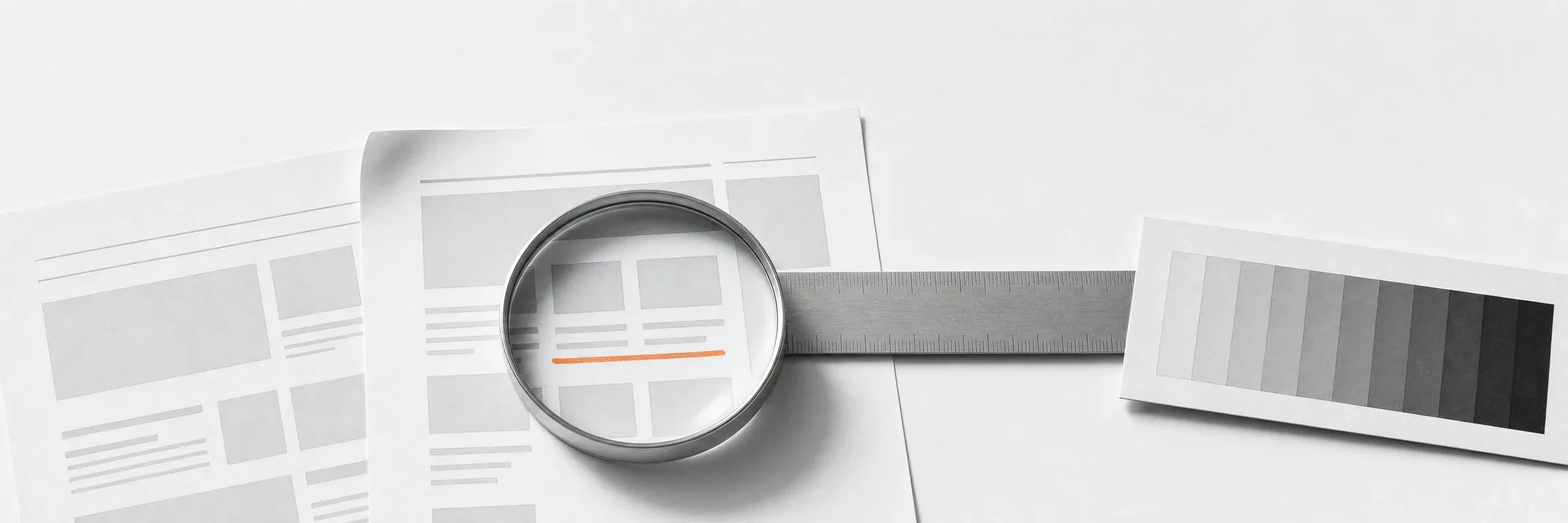
The designer joins the environment you already have - no moving your team into our tools and no new licences on your side.
- Figma and FigJam
- Jira, Linear or your tracker
- Slack, in your channels
- Design system and tokens
- Design QA on the test environment
- A monthly statement of hours

Next step
Let us talk about your project
Tell us what you have to do. We will come back with scope and a quote.
Selected work
Work by the same team
Work done inside a client’s team stays their property and rarely carries a public credit. Below is a cross-section of projects the same people ran under the Wzór banner.
-
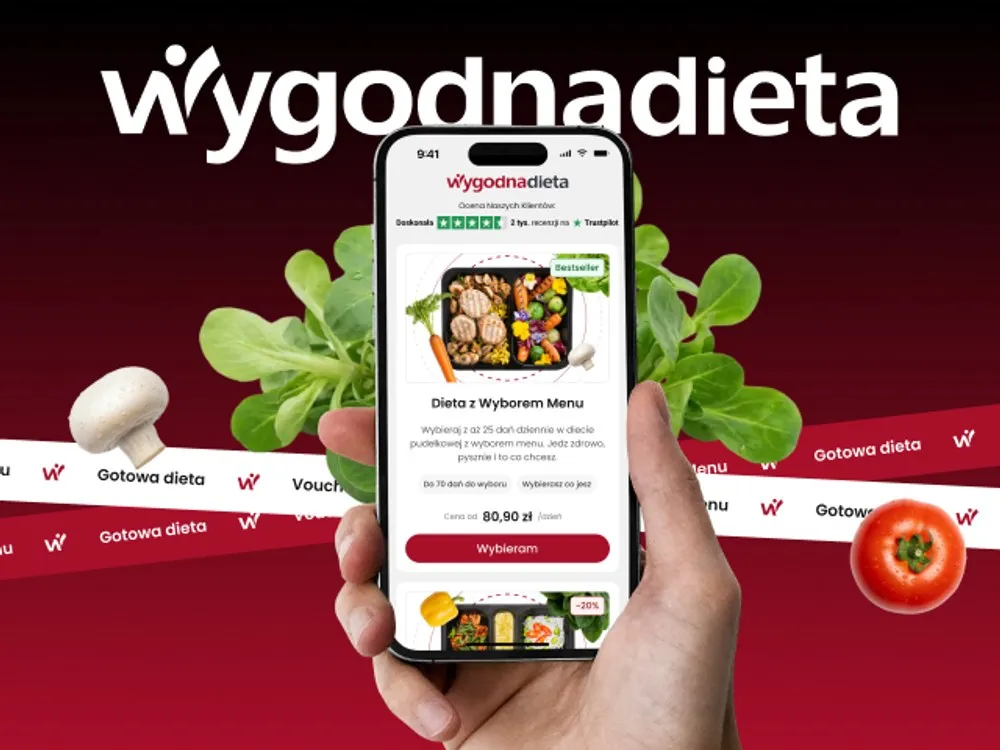
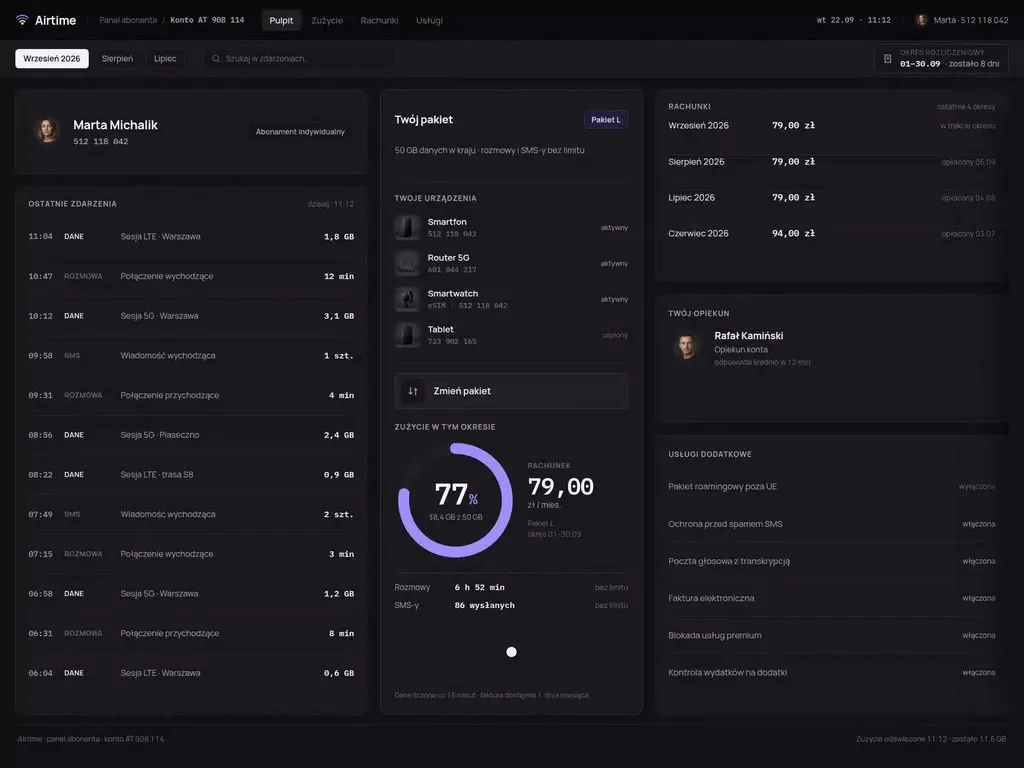
WygodnaDieta - App and online store for a meal-box diet service
-
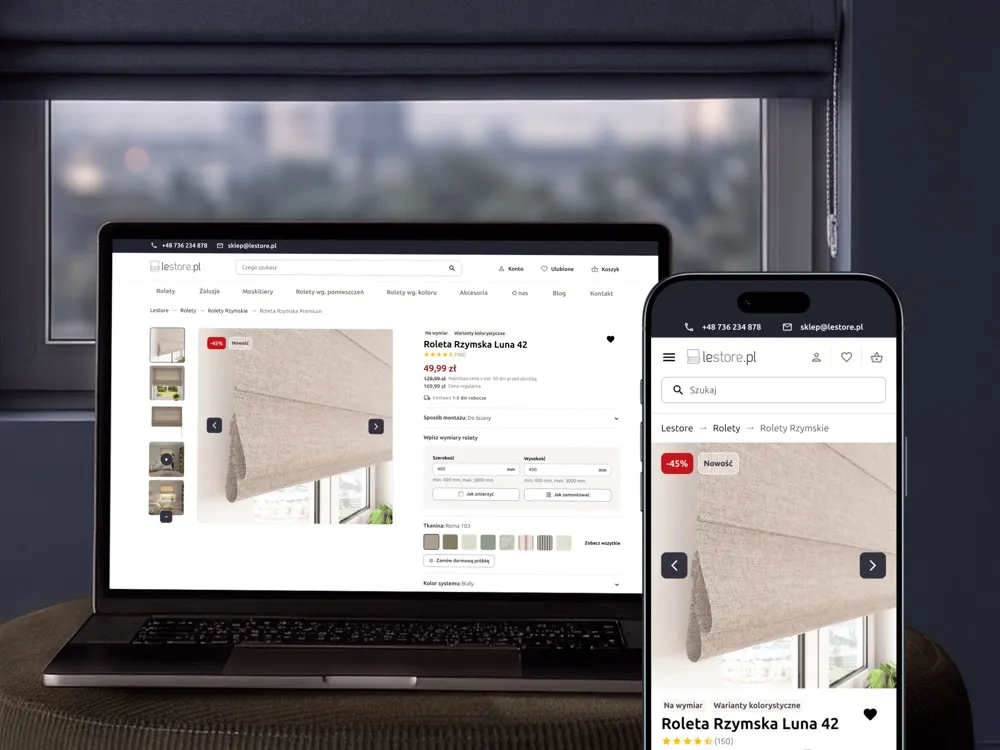
Lestore - Online store for blinds and shades
-
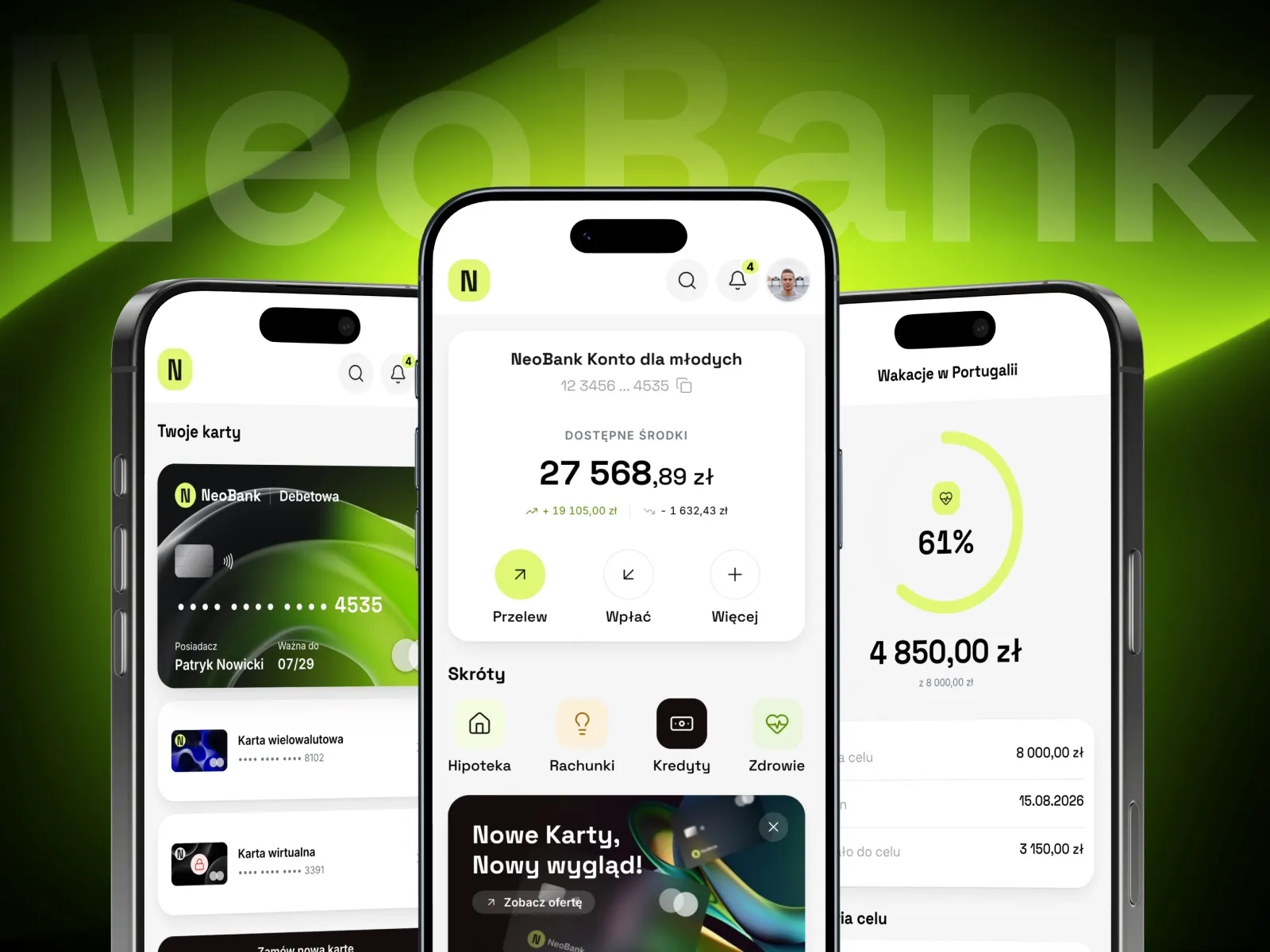
NeoBank - A banking app concept for young customers
-
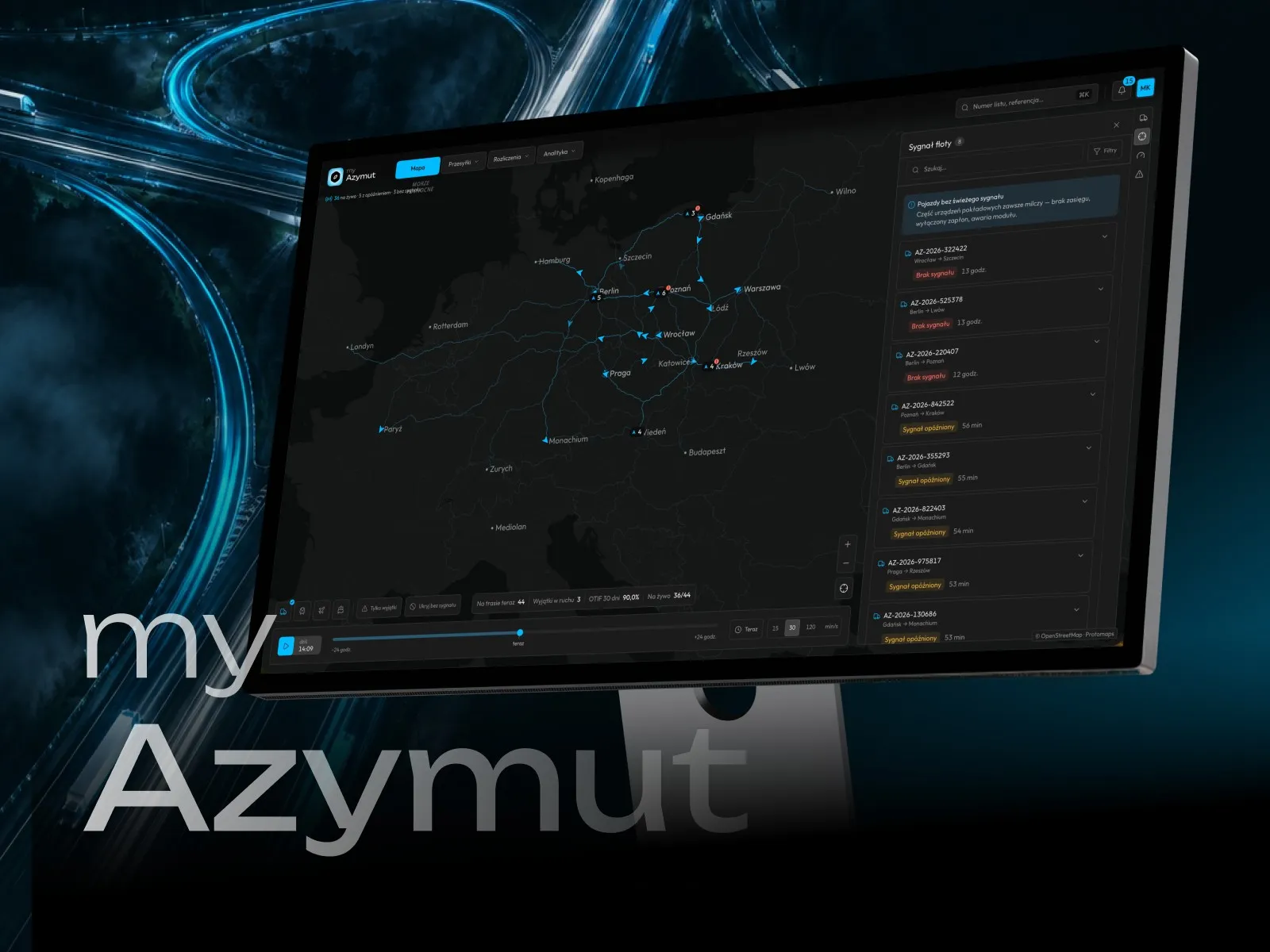
myAzymut - Client portal concept for a freight carrier
-
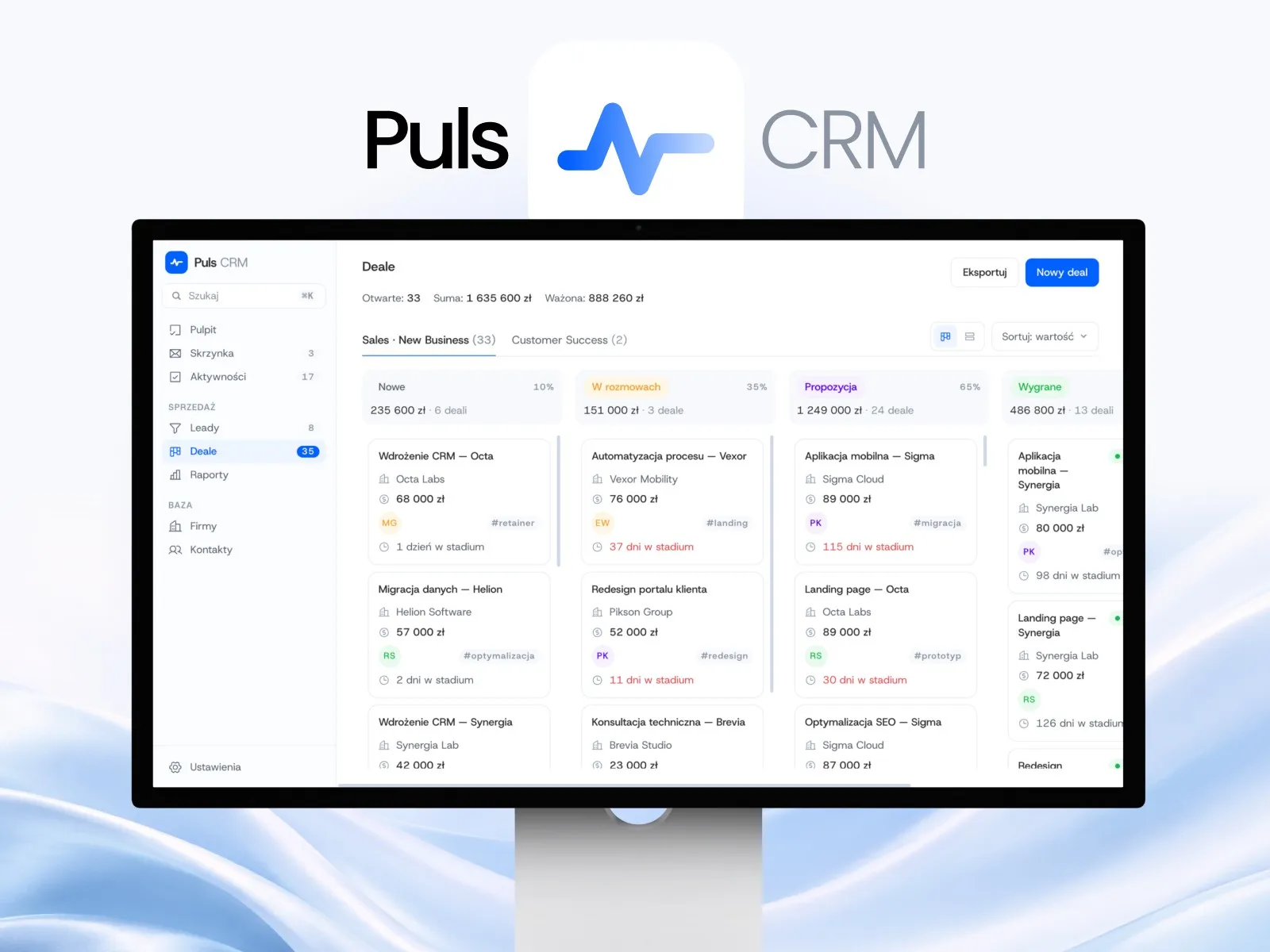
Puls CRM - CRM app concept for a sales team
-
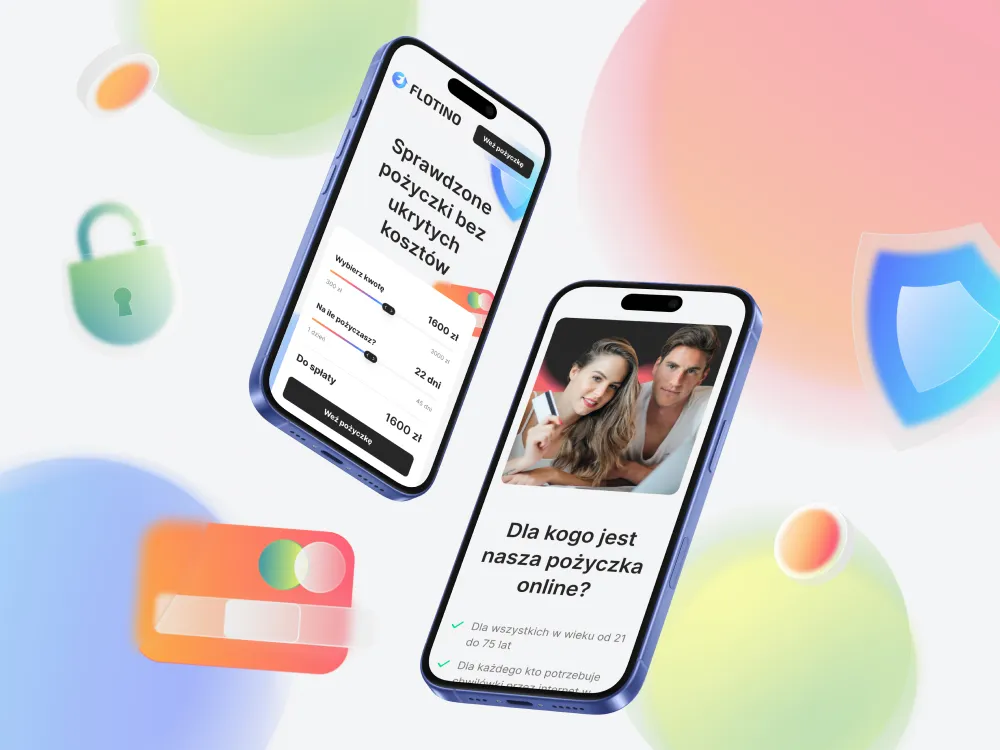
Flotino - Online cash loan service
-
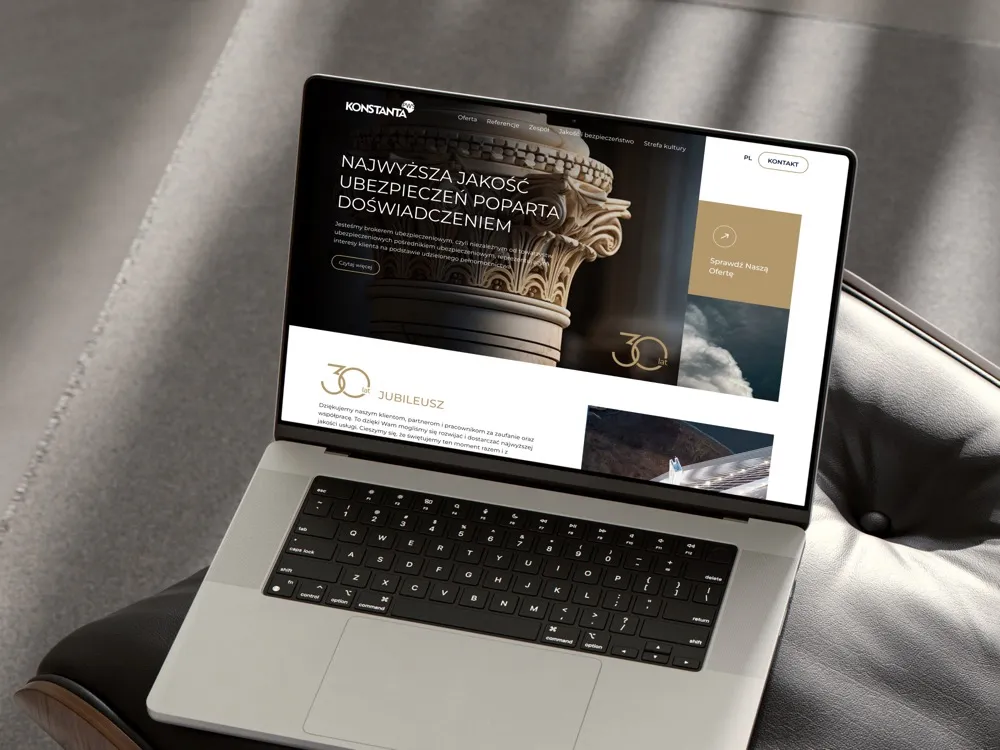
PWS Konstanta - Website for an insurance broker
-
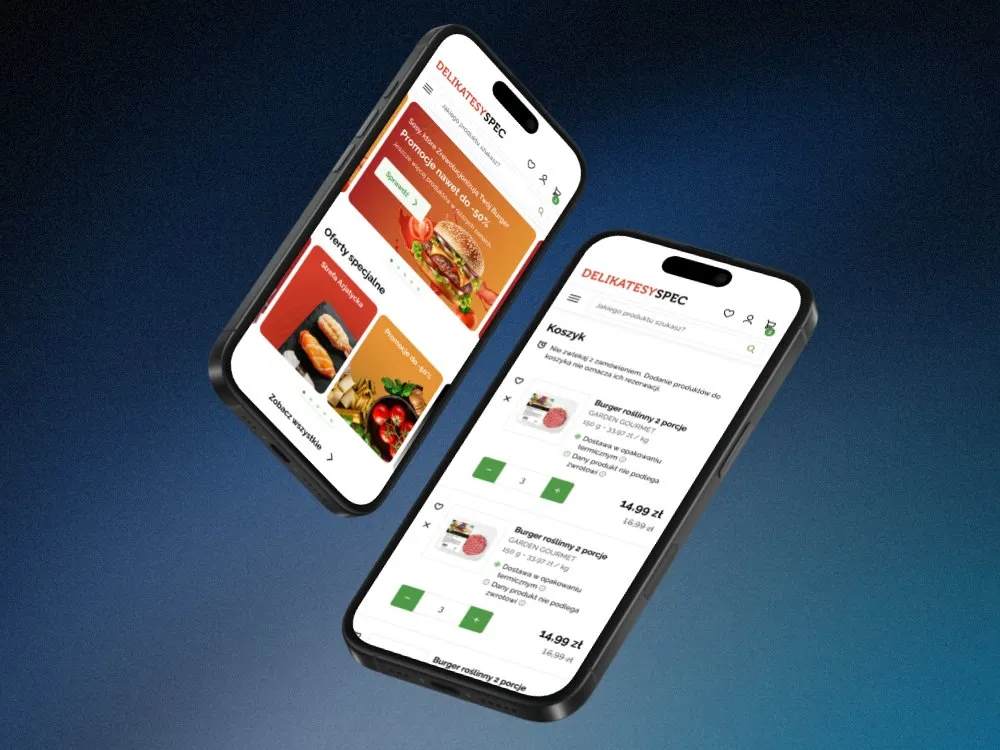
SPEC Food - Online store for a food delicatessen
-
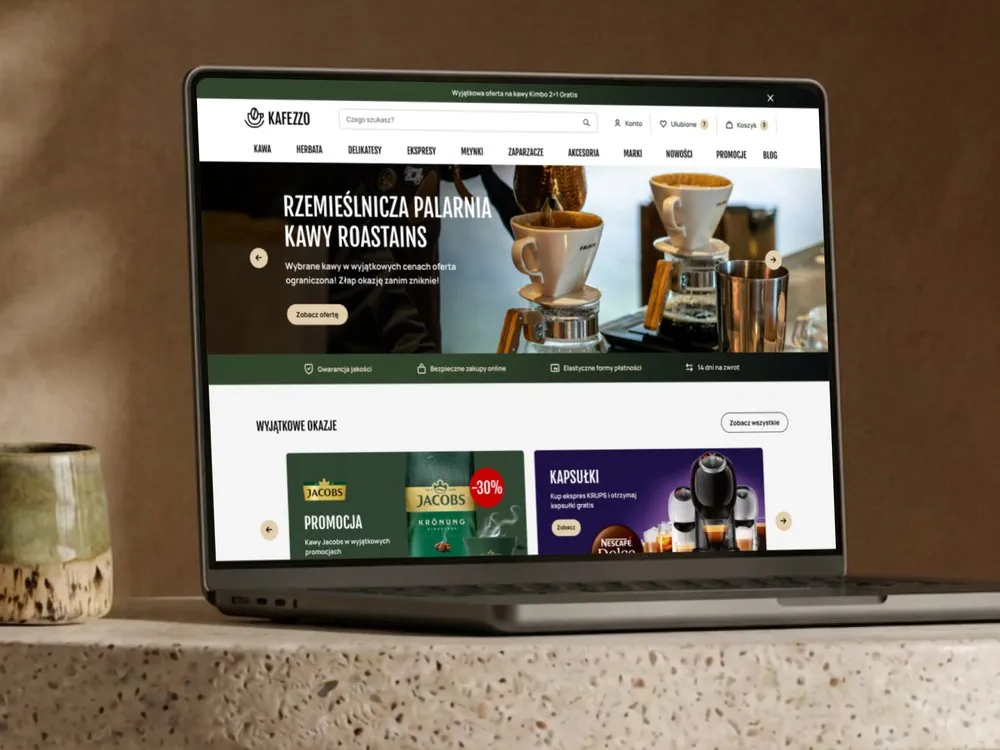
Kafezzo - Online store for coffee and tea
-
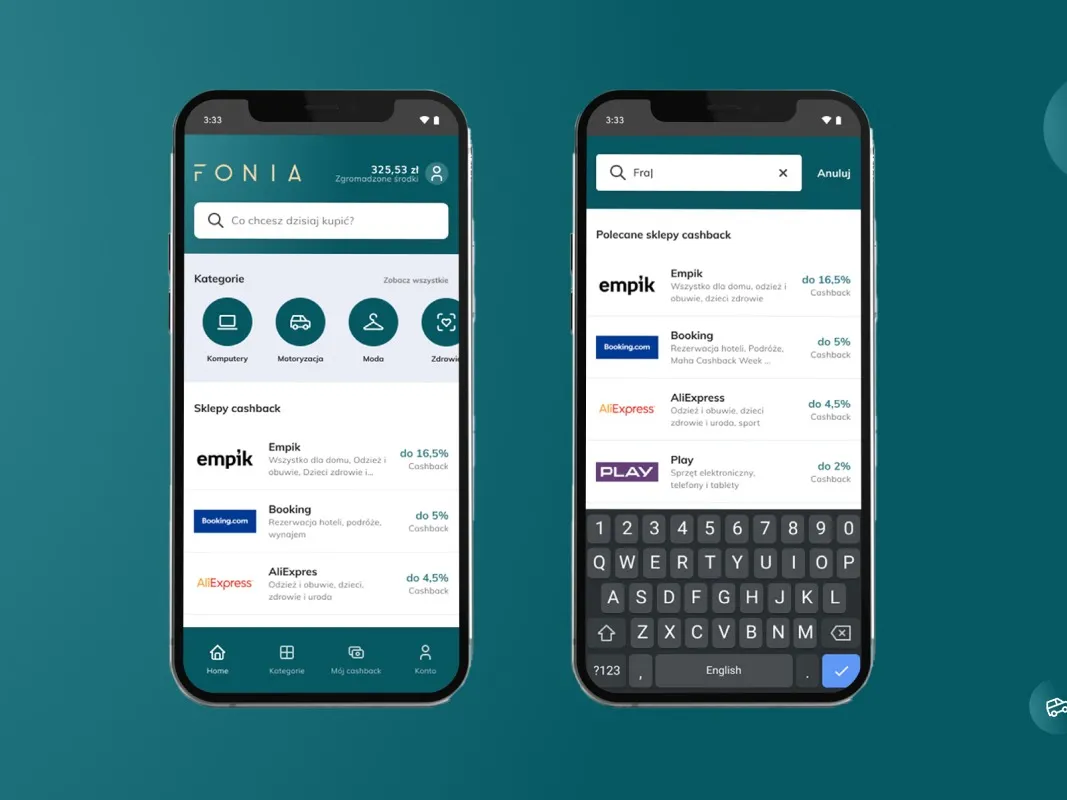
Fonia - A cashback app for online shoppers
-
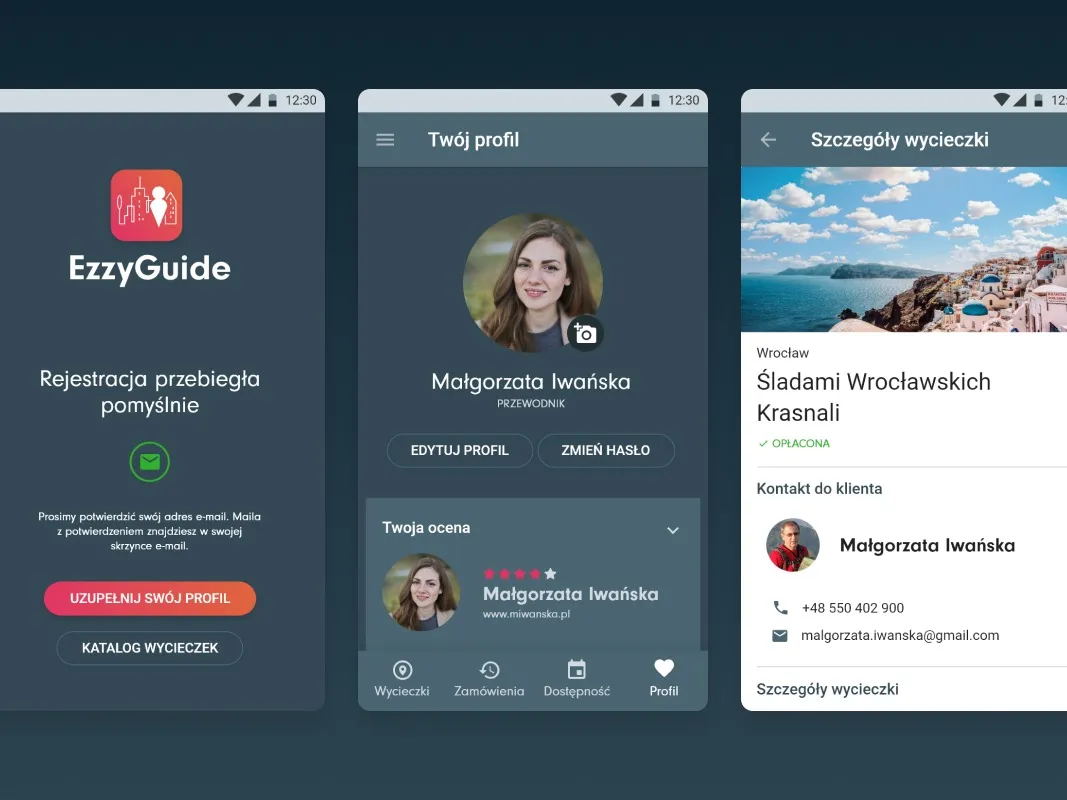
EzzyGuide - A tours app connecting guides with travellers
-
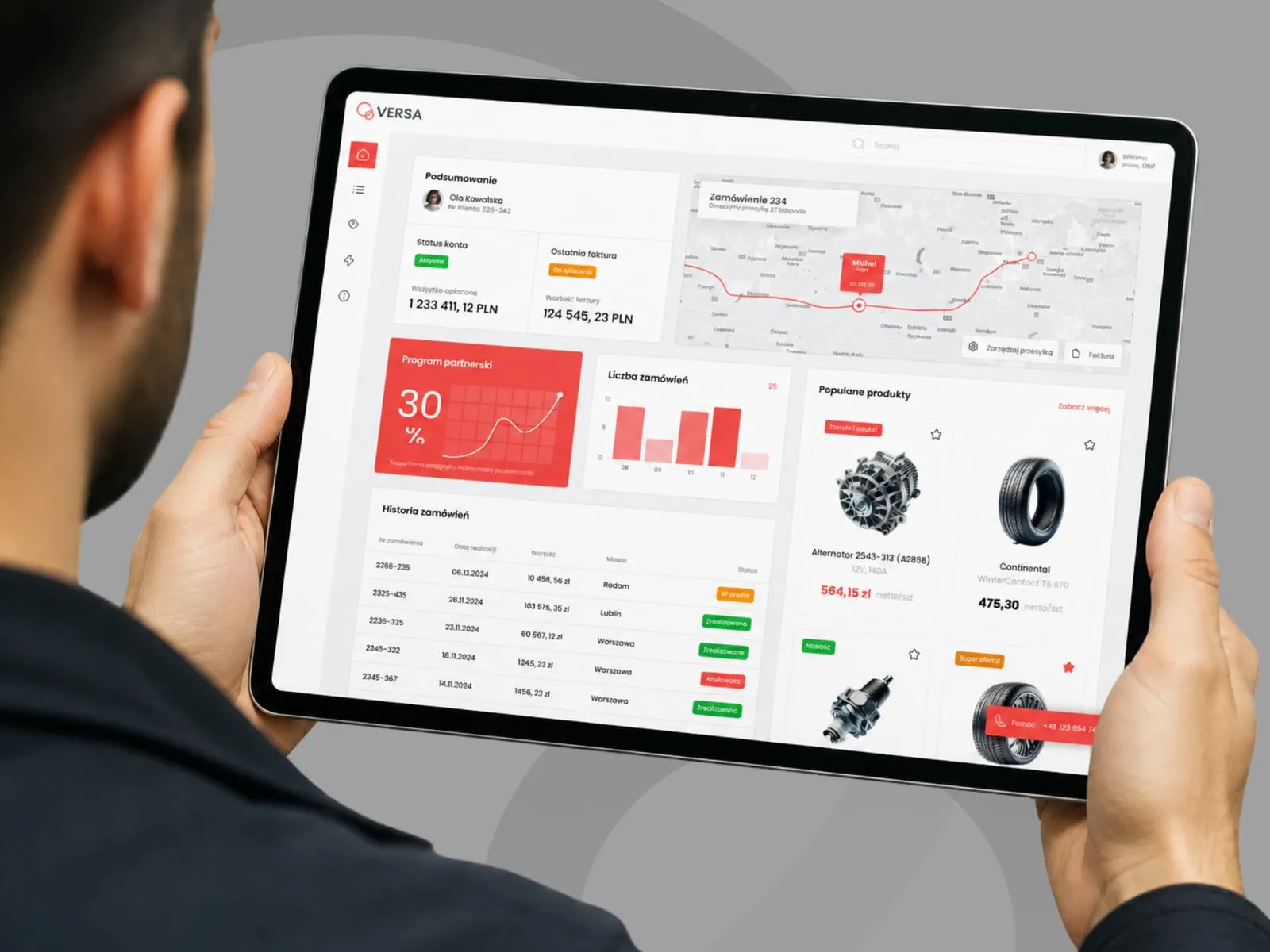
VERSA - B2B panel concept for a parts distributor
-
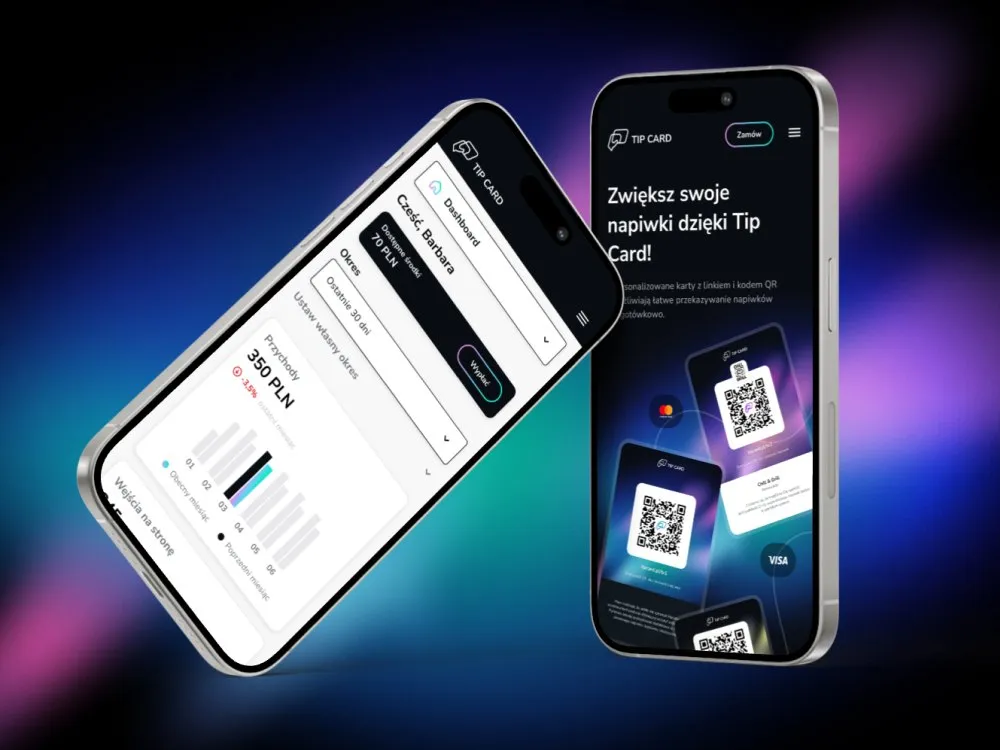
Tip Card - Cashless tipping platform
-
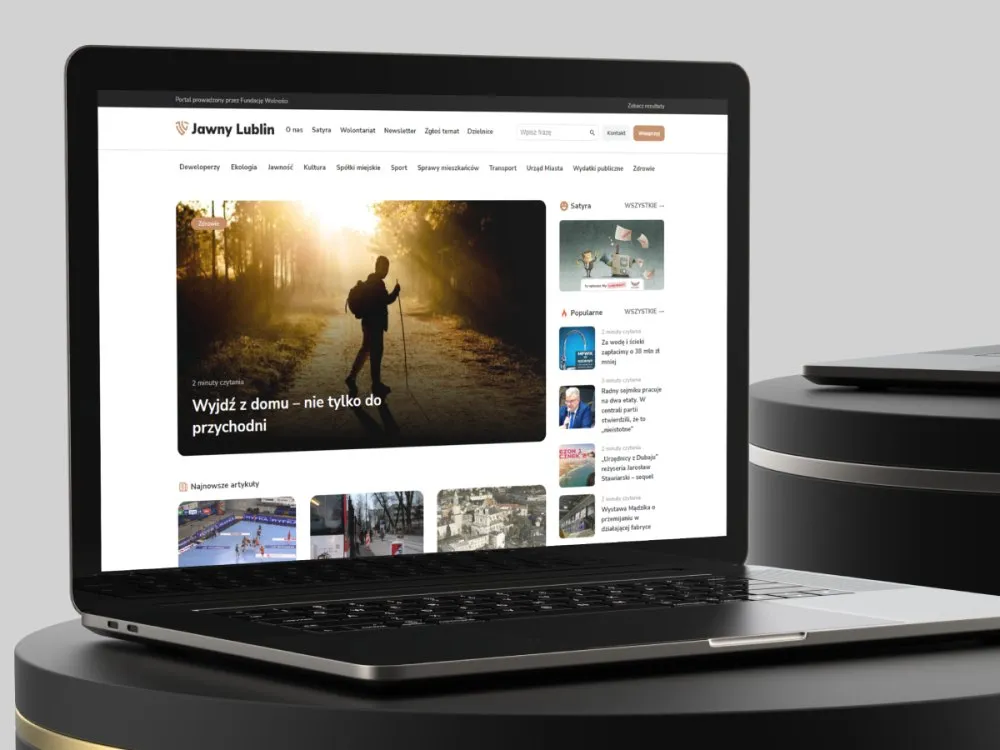
Jawny Lublin - A watchdog portal on city transparency
-
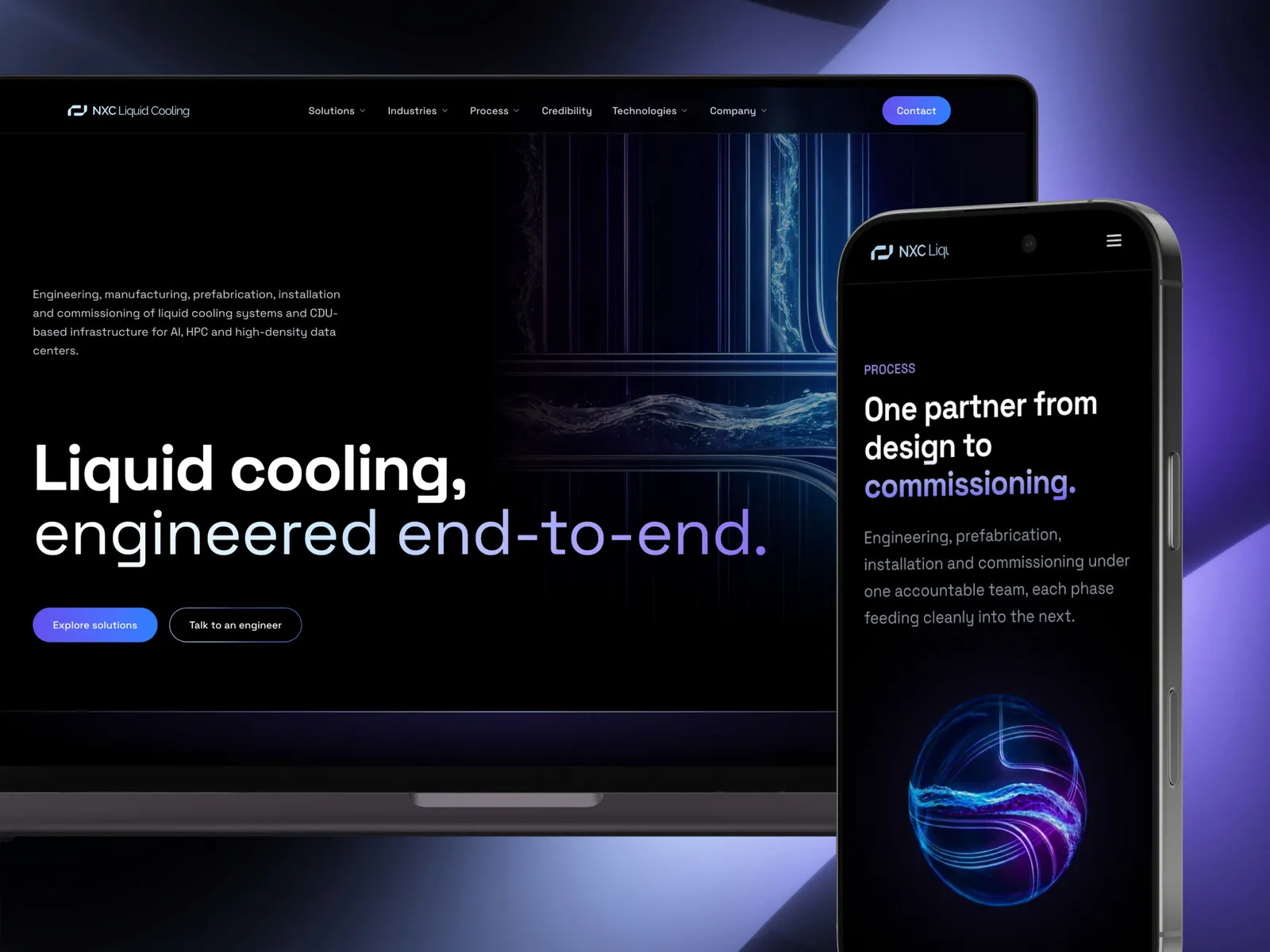
NXC Liquid Cooling - A liquid cooling systems website
-
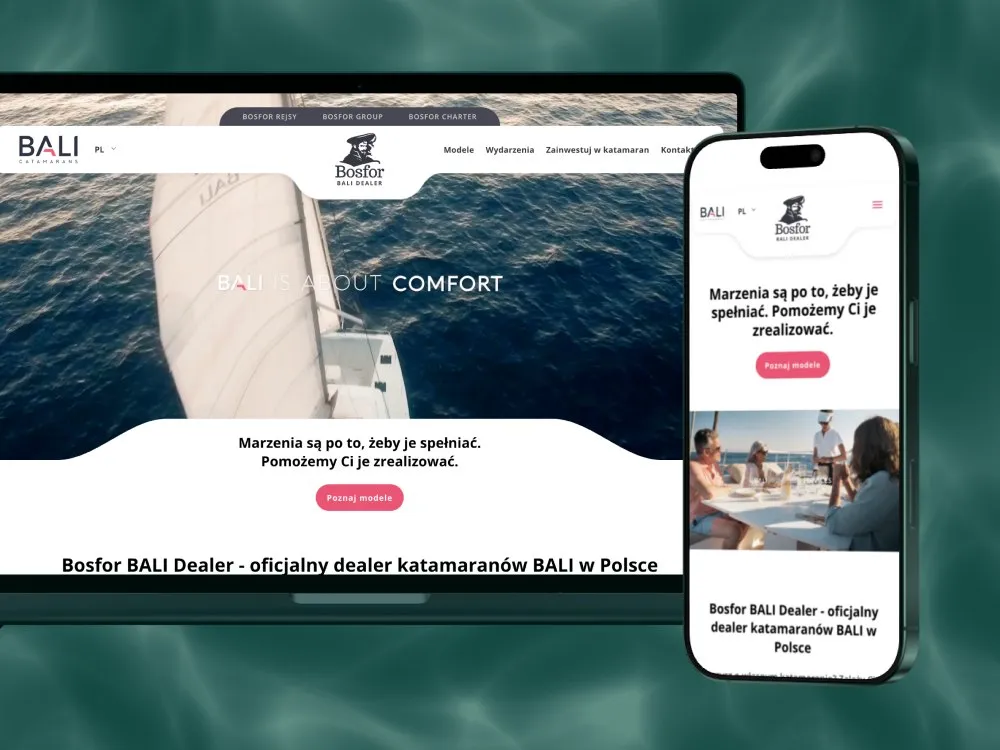
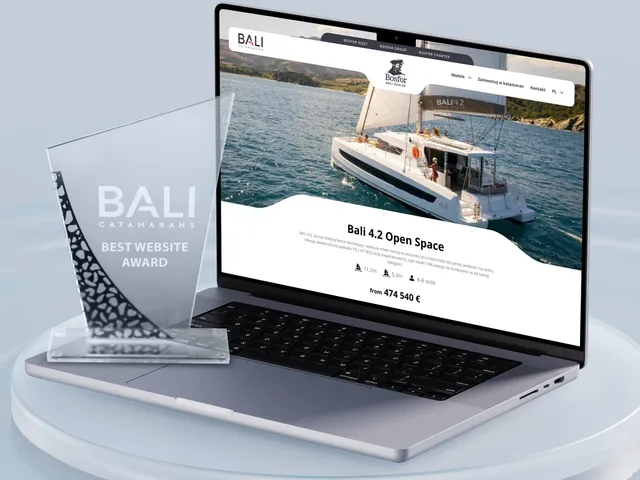
Bosfor BALI Dealer - Website for a BALI catamaran dealer
-
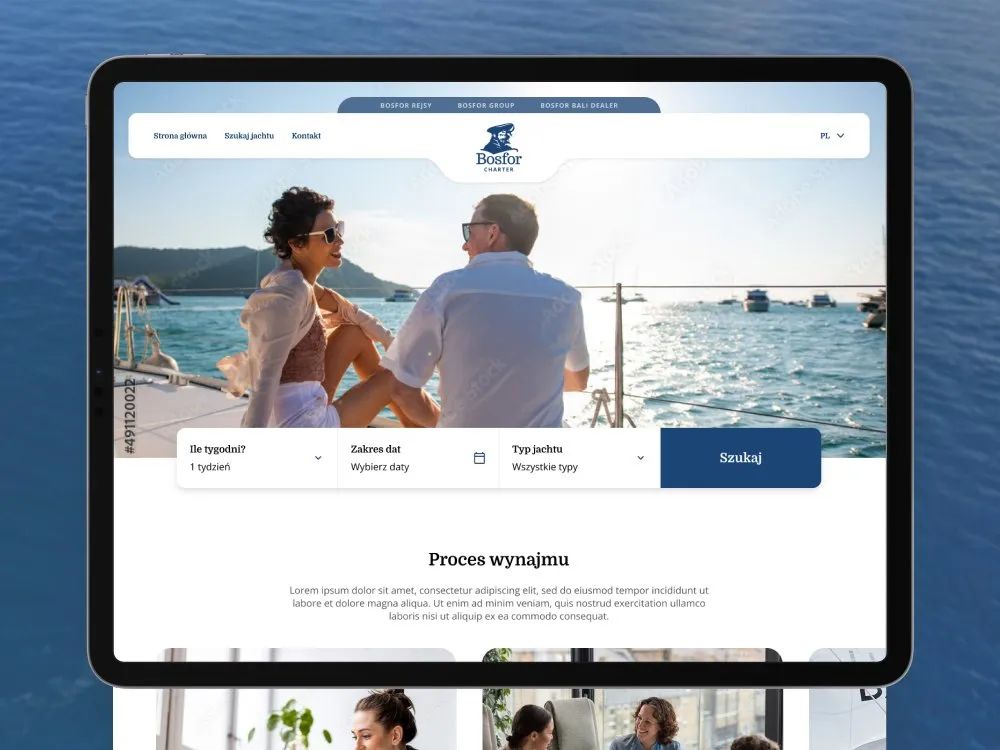
Bosfor Charter - Yacht charter platform with booking
-
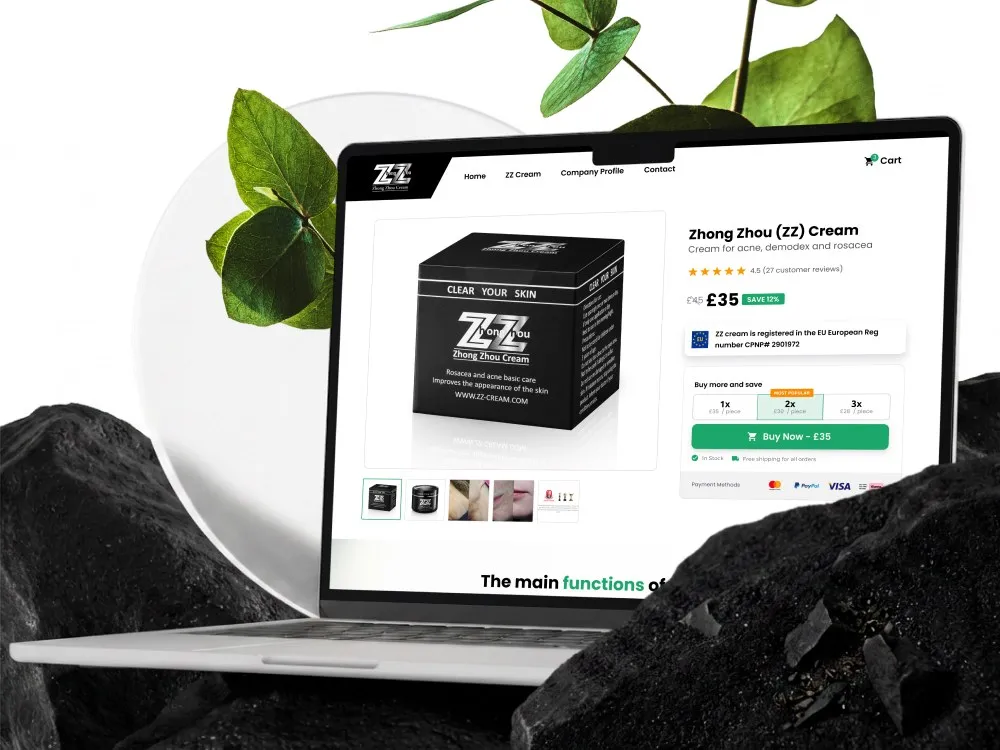
ZhongZhou - Online store for an acne, demodex and rosacea cream
-
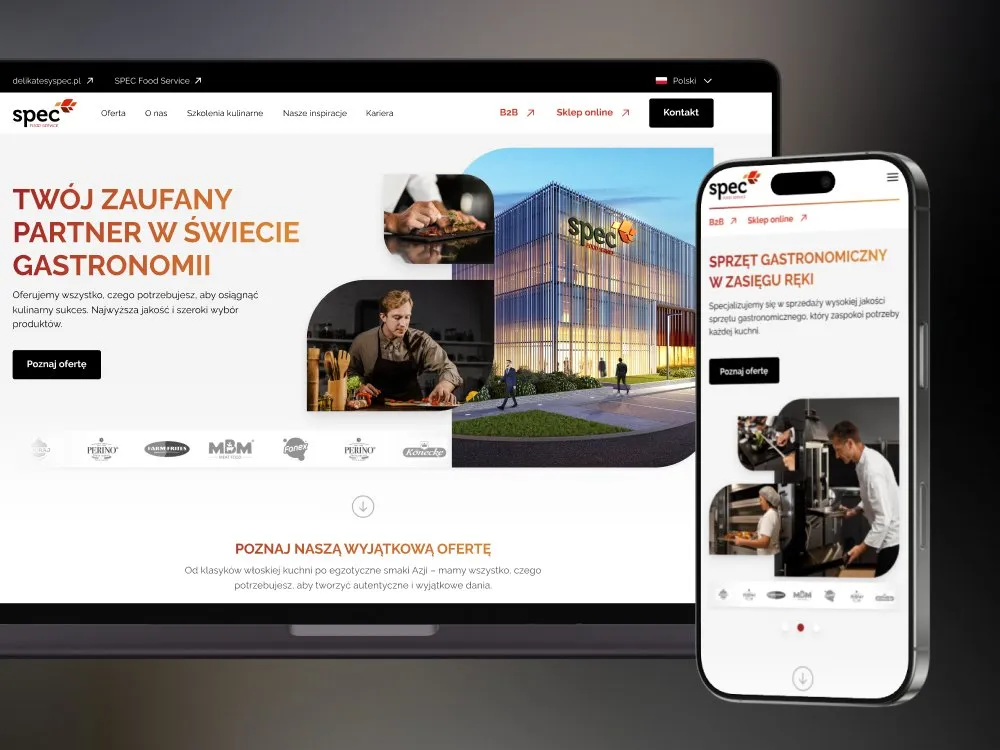
SPEC Food - Website for gastronomy - SPEC Food Service
-
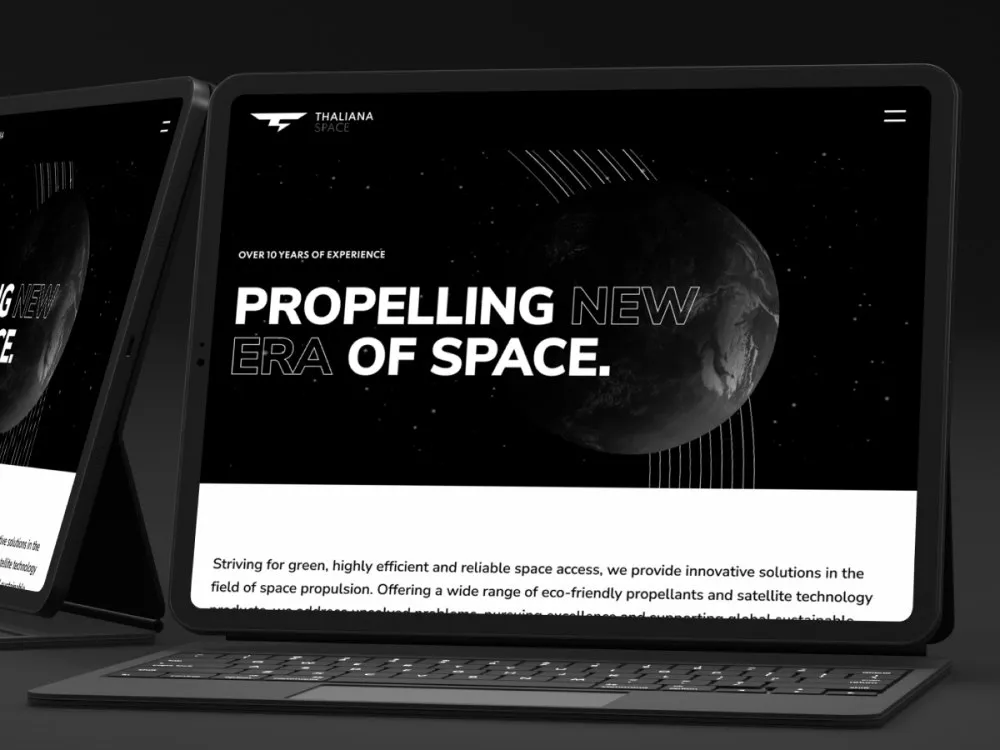
Thaliana Space - Website for a space-propulsion company
-
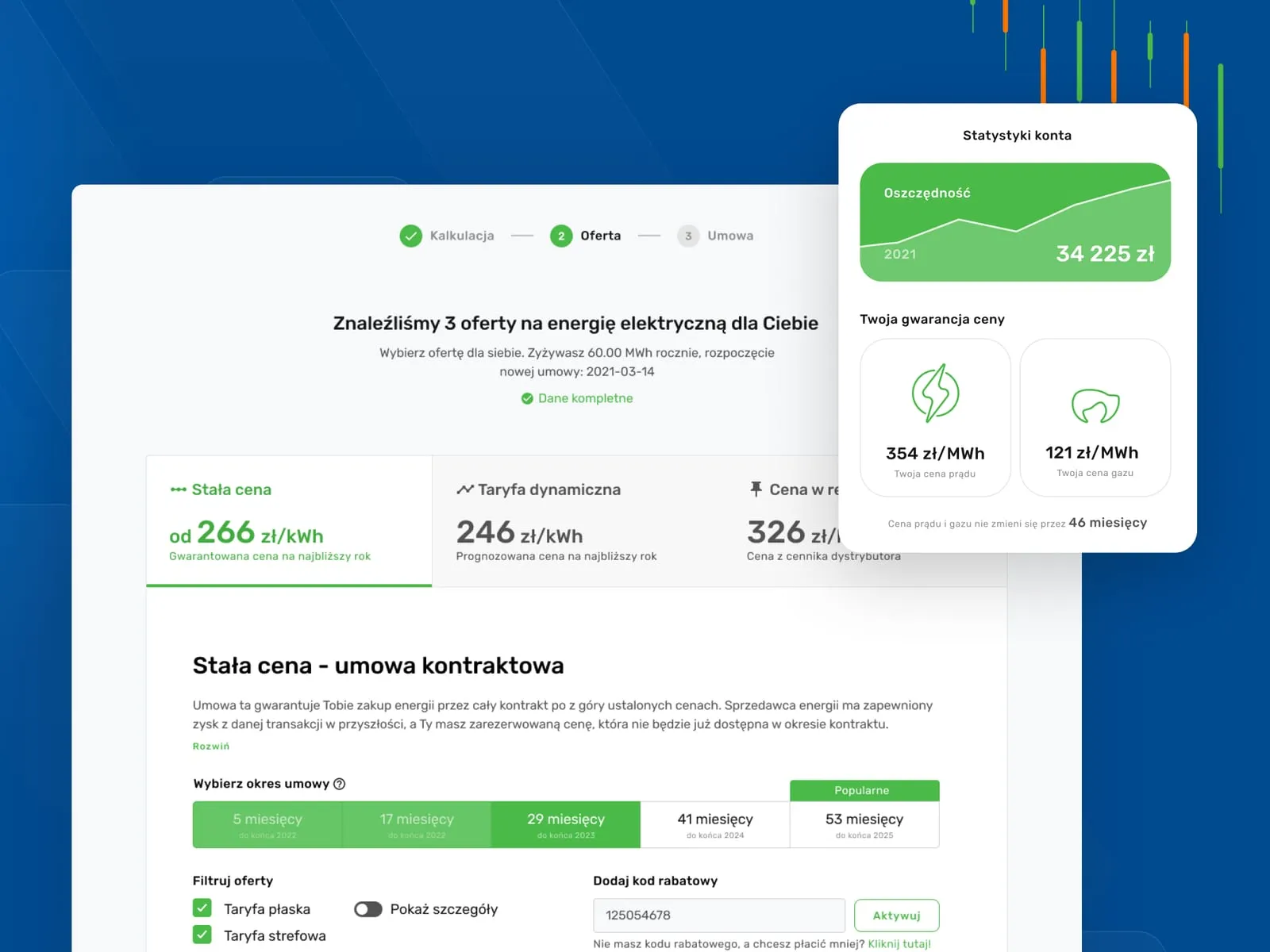
Wolumen - Energy and gas price comparison for businesses
-
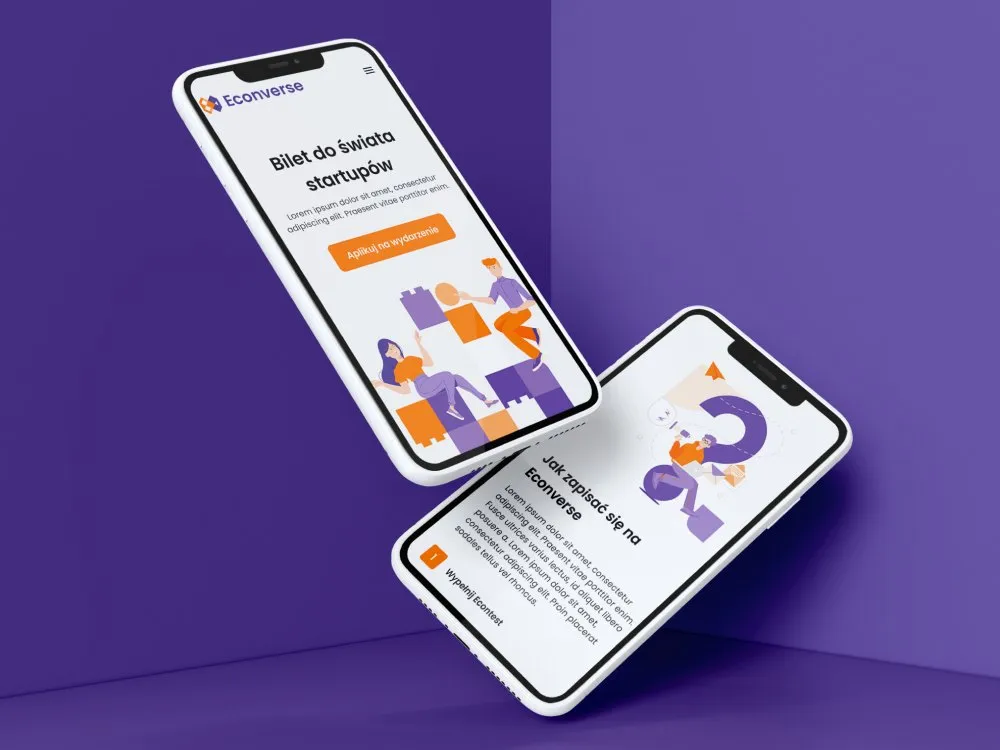
Econverse - Website for a start-up event
-
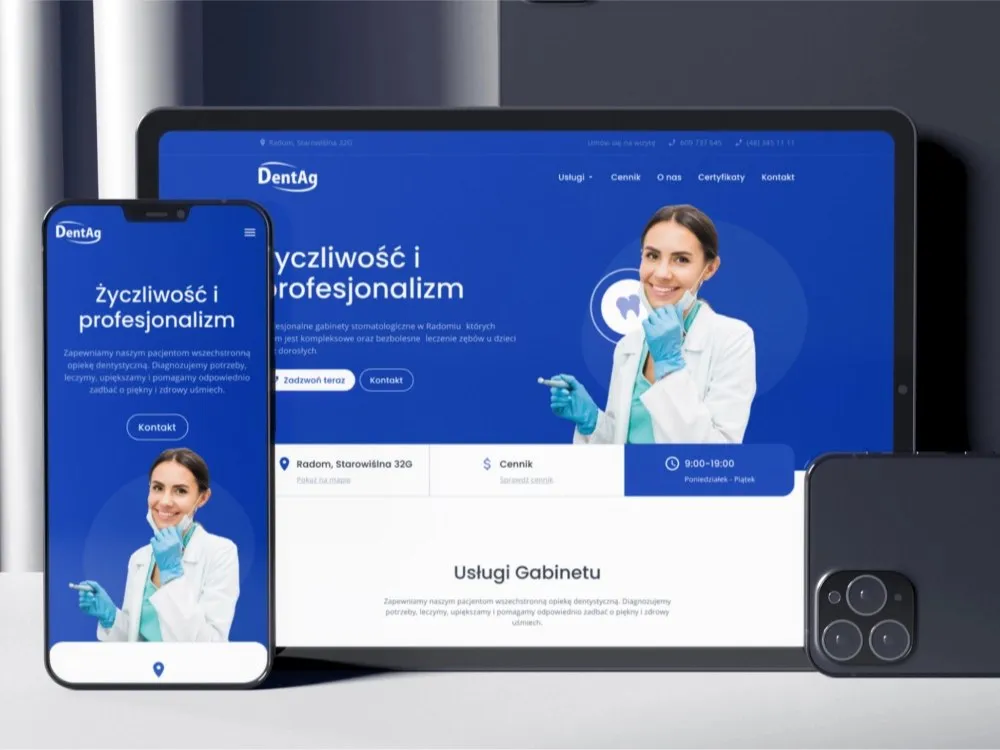
DentAg - Website for a dental clinic in Radom
-
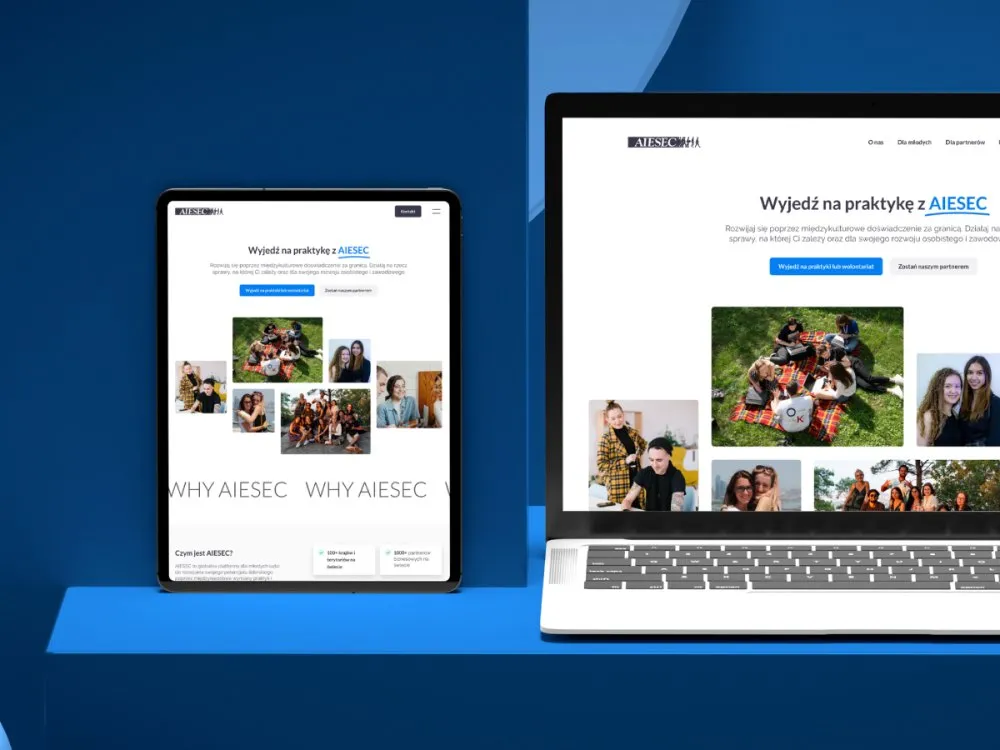
AIESEC - Website for internships and volunteering abroad
Outcomes
The terms we agree on
-
48 hours
from the green light to the designer’s first working day
-
20 / 80 / 160 h
three monthly capacity levels to choose from at the start
-
one month
the notice for changing capacity - up and down alike
-
zero
cost in a month with no project; we bill the hours actually worked
These are the terms written into the contract you sign, not the results of anyone’s implementation. Unused hours roll over to the next month, and any overrun is agreed in advance, before the work starts.
Client voices
What our clients say
-
„Working with the Wzór team was a genuinely great experience! They always answered our questions quickly and were flexible about our comments. They have no shortage of creative ideas and are at the same time thoroughly reliable and on time. The end result fully met our expectations; we recommend them to anyone looking for professionals who care.”
 Maja Wieloch-Silecka Operations Director, Bosfor Group
 -
„Our clients expect us to act fast and effectively across a very wide scope - from building a brand, through a website with a store, to running an effective sales campaign. Not an easy task, but doable when you have a tight-knit team and partners who take on challenges on the fly. For us, quality, accountability and commitment are key, and working with UX Agency Wzór gives us that 100%.”
 Piotr Alberski Chief Operating Officer, Agencja XO Media
 -
„Our cooperation with UX Agency Wzór started with our own website. We really liked the way they work, so we decided to subcontract projects for our clients to them on a White Label basis. We loved their workflow, the way they hand projects over to our team, their documentation and their work on the design system. Now we can take on bigger risks.”
 Mateusz Swół Chief Operating Officer, Sellace



The team
Specific people, not a team description
We show the line-up straight away, by name - the same people who run our own projects. Each card opens a full CV with the projects behind it.
-

Aleksandra Bondar
Senior UX/UI Designer
-

Katarzyna Adamczuk
Prezes, Analityk Biznesowy
-

Tadeusz Wadas
Senior UX/UI Designer
Time and scope
Scope and billing
48 hours to start
Capacity is agreed month by month and changed with a month’s notice. We bill the hours worked in monthly periods; enquiries are answered within one working day.
-
The role or roles missing from the team
-
The monthly hour capacity and how much it is likely to vary
-
How long the engagement runs and when it ends
-
The maturity of the design system being worked on
-
The product type and industry - they decide which person we assign
-
The need for extra skills: research, accessibility, design QA
FAQ
Questions that come up most often
How is hiring a designer different from commissioning a project?
A commission has a closed scope and an end date - you get a set of screens and we part ways. Hiring means a capability permanently available inside your team: the designer sits in your backlog, attends your meetings and works on whatever is the current priority. We bill the hours worked, not a deliverable defined upfront.
Is this UX/UI outsourcing?
In economic terms yes - you get the capability without hiring. The difference is what remains afterwards. Standard outsourcing hands over files and ends in dependency on the supplier; here the designer builds a design system and documentation from the start, so once the engagement ends your team keeps developing the product without us.
Do I get a specific person, or "someone from the team"?
A specific one. Before the start we show the portfolio and experience of the designer we want to assign and set up a call between you. That same person runs the engagement to the end, so product knowledge does not start over with every task. If you do not see the fit, we propose someone else.
What happens when our designer is on holiday or off sick?
Someone from our team covers, and you do not lose a week. This is the advantage of the model over both a permanent hire and a freelancer, where one person's absence stops the work. The cover works on the same documentation and the same design system, so getting up to speed takes hours, not days.
How many hours a month do we need to commit to?
We start from 20 hours a month - enough for ongoing screens and design QA. Full participation in your sprints is around 80 hours, and a scope requiring several roles starts at 160. You set the volume at the start and change it between months, up and down.
How do you handle hours we do not use?
Unused hours roll over to the next month. If demand exceeds the agreed volume, we flag it in advance and agree the overage before doing the work - you never learn about it from the invoice. Once a month you get a statement of hours and what came out of them.
Who manages the designer day to day - us or you?
You do. The designer takes priorities from your product owner or PM and reports against them in your tracker - you decide what they work on in a given sprint. What stays on our side is the contract, the billing of hours, cover during absences and the person's development, so none of that lands on your team.
Will the designer work in our tools?
Yes - your Figma, your Jira or Linear, your Slack, your sprint rituals. We do not move you over to us and we do not create a parallel document flow. Product onboarding is on us: before the first task the designer walks the user journeys and reads the documentation themselves.
We work in a model where an AI agent writes part of the code. Is that a problem?
On the contrary, that is what we design for. Documentation and components are described explicitly - named elements, enumerated states, described behaviour - so the same material is read by a developer and by a coding agent, with no round of follow-up questions. This is the direction we are developing our own craft in, not an exception made for one client.
How is this different from your white label offer?
By audience and by disclosure. Here we work as Wzór, inside your team and on your product. Confidential cooperation is for software houses and agencies: we appear under your brand, in front of your clients, and it adds support in sales and estimation. That is a separate offer with separate rules.
How quickly can you start?
Within 48 hours of the decision, counting from the moment we have access. The first step is a thirty-minute call with Katarzyna Adamczuk, President of the Board - a focused conversation about your team and what it is missing today. If we have no one free with the right profile, we say so in our first reply and give you the date when that person becomes available.
Related services