
Aerospace & Defense
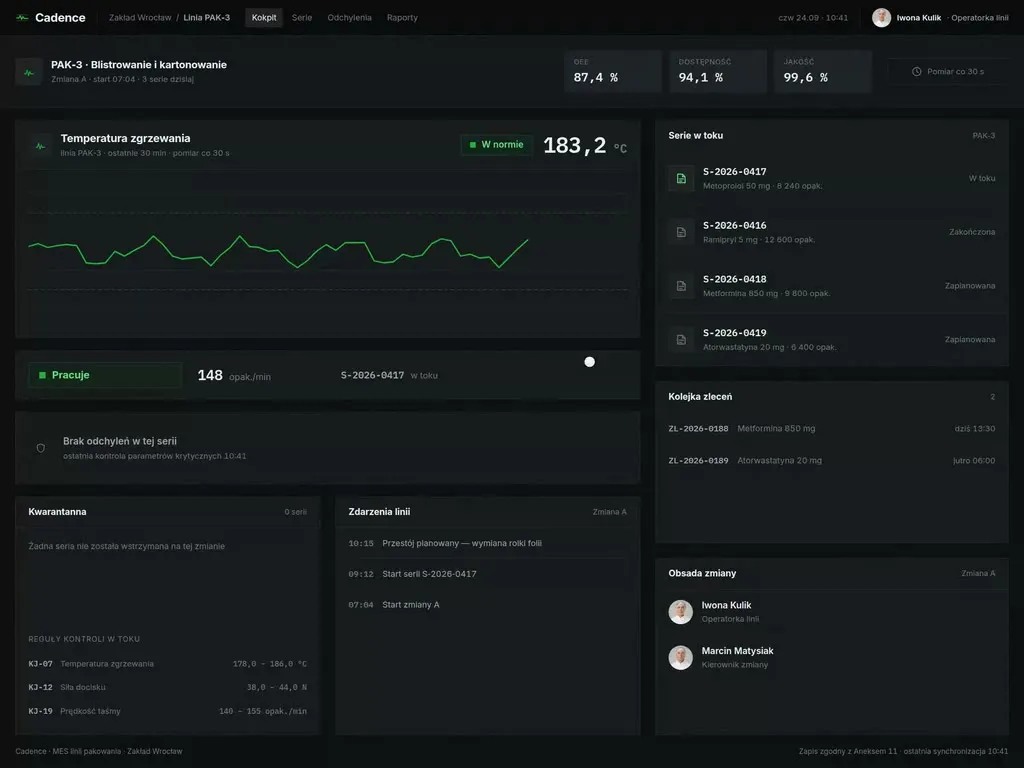
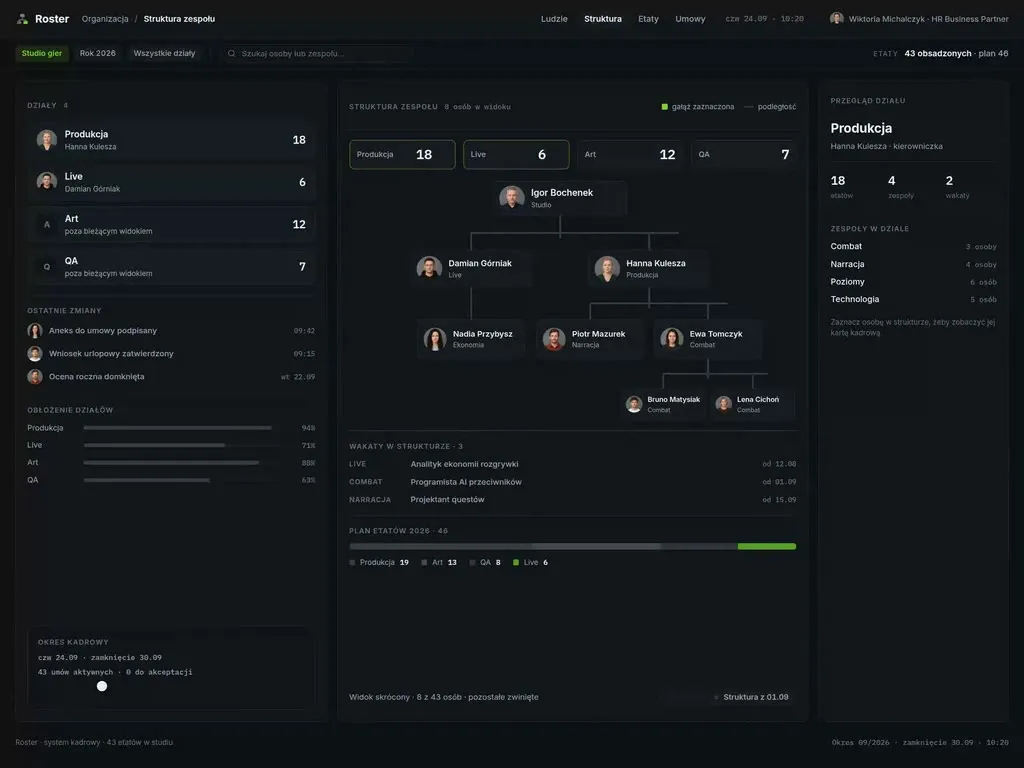
We design operational software for dispatchers, analysts and commanders. We combine dense data, alerting and auditability into journeys an operator reads in a second - even under pressure.
We have worked with leading companies and startups









Challenges
In a critical moment the interface should relieve the operator's attention, not compete for it
-
„The operator works under time pressure and at that load starts making mistakes.”
Cognitive audit of the interface, redesign of the alarm hierarchy and event prioritisation, validation with a prototype with operators. We reduce information overload without hiding critical data.
-
„The system is from another era, and the certification requirements are current.”
A staged migration strategy without a “big bang” rewrite. Design of new modules preserving operator continuity, a training plan, workflow documentation.
-
„Onboarding a new dispatcher drags on for months because the knowledge lives in people's heads.”
Workflow research with experienced operators, redesign of critical screens for the learning curve. We measure task time before and after rollout.
Who it is for
C2, OSINT, ATC - three worlds, one demand for reliability
We hand over the design in a format readable for development teams working in high-criticality environments - including air-gapped systems.
-
Command and dispatcher systems
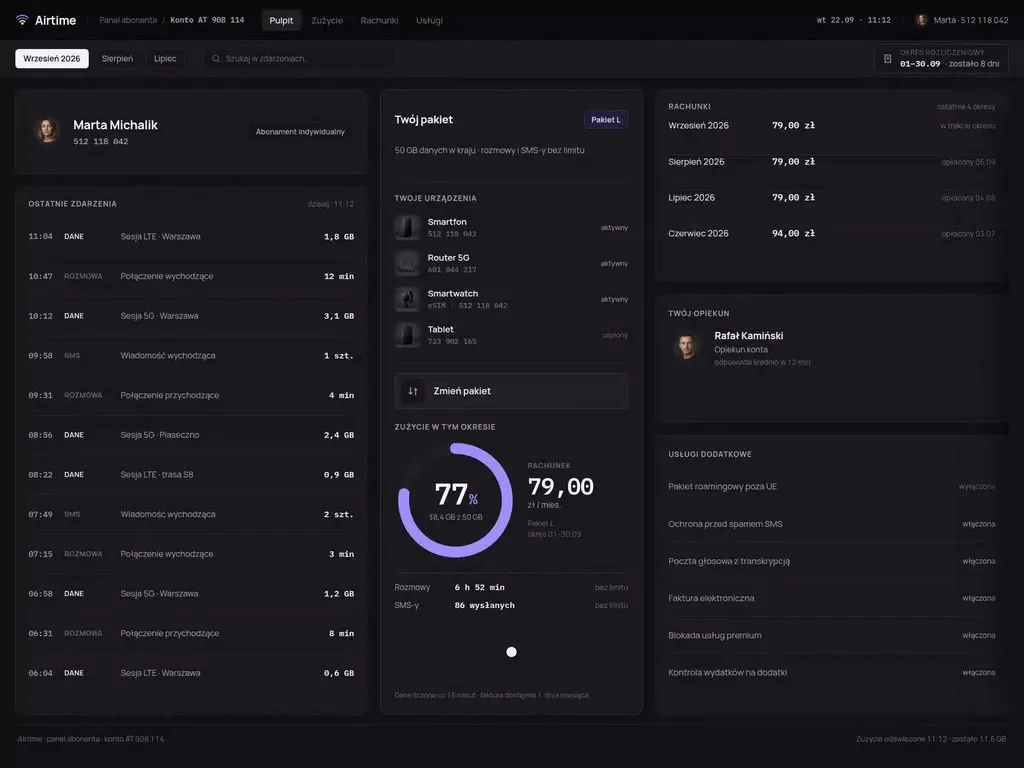
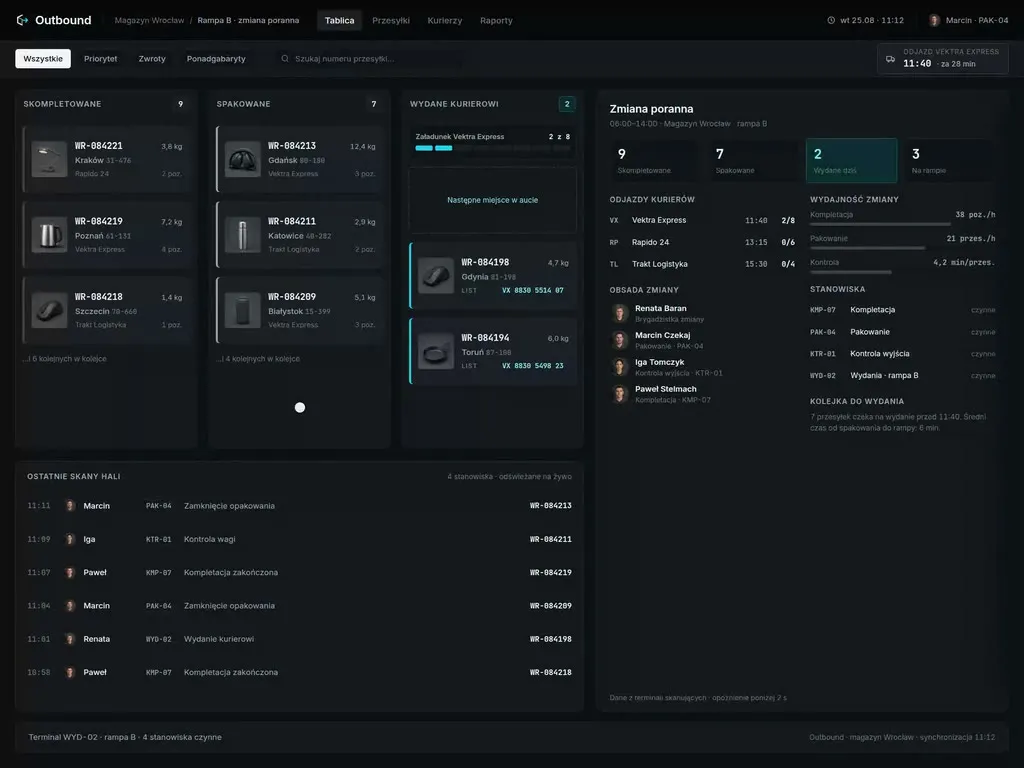
C2 panels and operational dashboards aggregating data from many sources in real time. Alarm hierarchy, event prioritisation, auditability of every operator action.
-
OSINT tools and intelligence analytics
Interfaces for Big Data software - relationship visualisation, anomaly detection, graph exploration. UX designed to prevent information overload for analysts.
-
Apps for airport operators and ATC
Software for ground handling, electronic flight bags (EFB), logistics tools for fleets. HMI ergonomics, readability in alarm situations, compliance with EASA/FAA guidelines.
Process
Five steps - from the first conversation to post-launch measurement
We scale scope to the product. For dispatcher tools the emphasis is on reaction time and the alarm hierarchy. For intelligence analytics (OSINT) - on relationship visualisation and anomaly detection. For airport-operator apps - on HMI ergonomics and preventing use errors.
- 30 min
Discovery call - 30 minutes
Online, with the lead designer. We get to know the product, the metrics you judge it by, and the regulatory context it operates in.
- Week 1–2
Audit and discovery
Analytics, session recordings, user interviews, heuristic review. The barriers people actually hit become design hypotheses.
- Week 3–6
UX/UI design
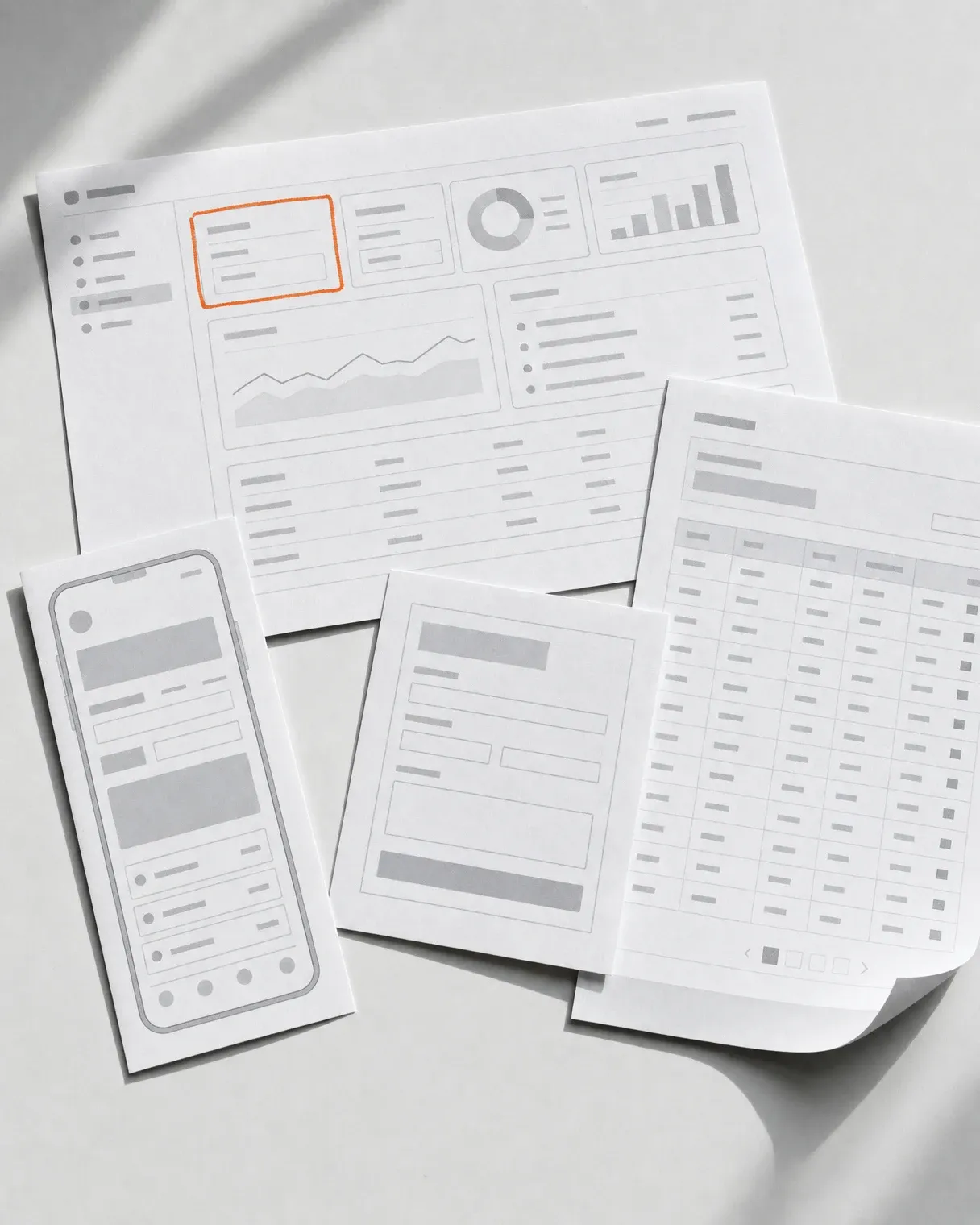
Wireframes, a prototype you can click through, the final interface. Documentation written for the team that will ship it - tokens, states and responsive behaviour included.
- Week 6–7
Validation
Tests with real users, or an A/B test in production. The design changes on the strength of what we saw, before it reaches code.
- After launch
Delivery and care
We work side by side with your developers - implementation review, fixes, additions to the library. After launch we measure and come back with the next hypotheses.
Toolkit
Standards, regulations and environments we work with
- MIL-STD-1472 (Human Engineering)
- NATO STANAG
- EASA / FAA (Human Factors)
- ISO 9241 (Ergonomics)
- Air-gapped environments
- AWS GovCloud / Zero Trust
- WCAG 2.1 AA
- NDAs and confidentiality clauses

Next step
Let us talk about your project
Tell us what you have to do. We will come back with scope and a quote.
Selected work
Selected work in Aerospace & Defense and adjacent fields
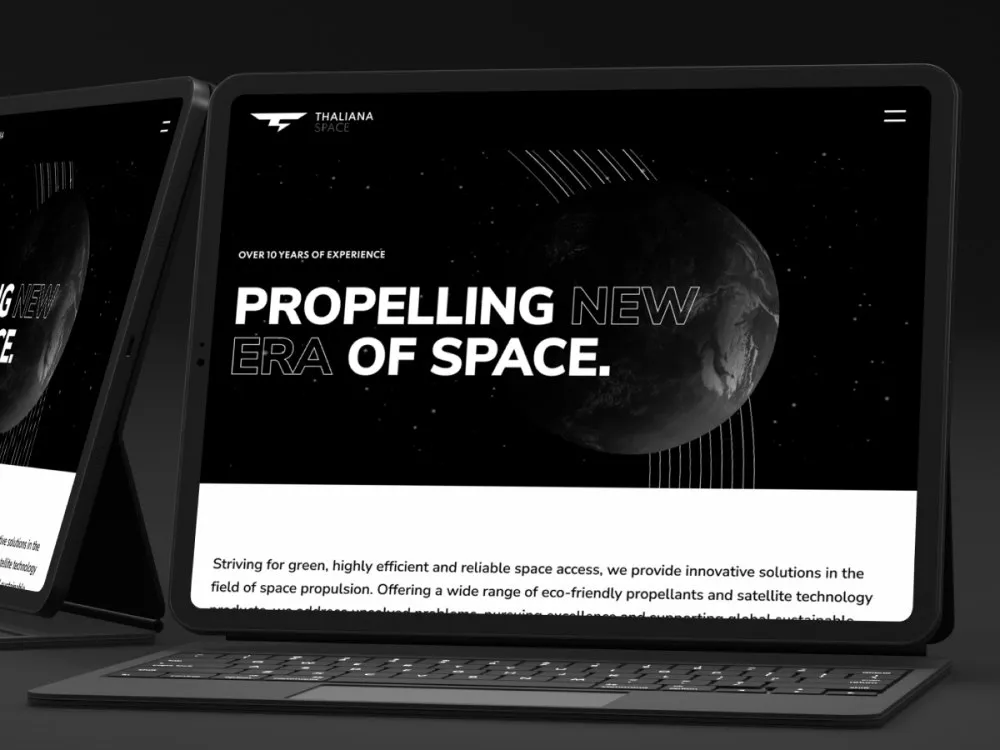
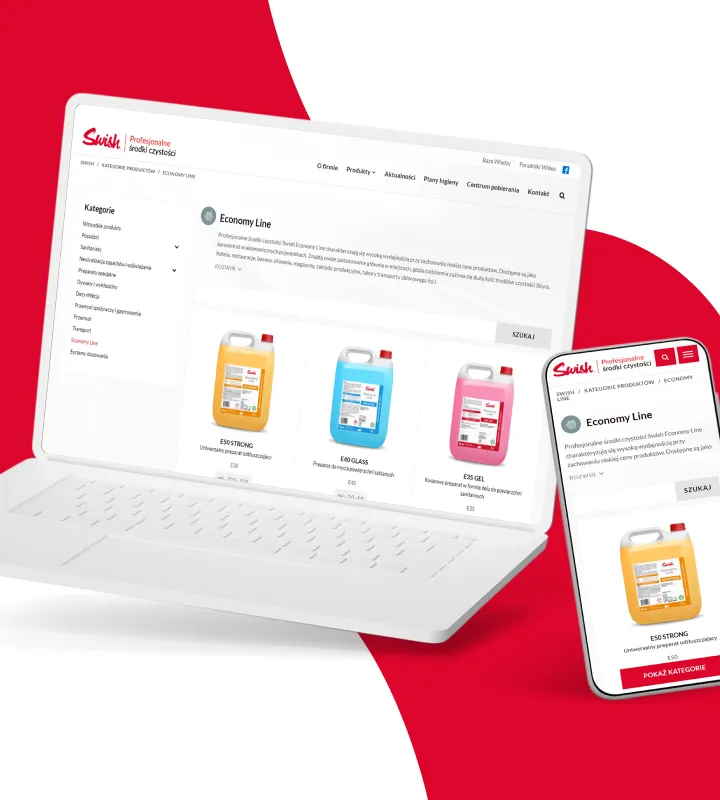
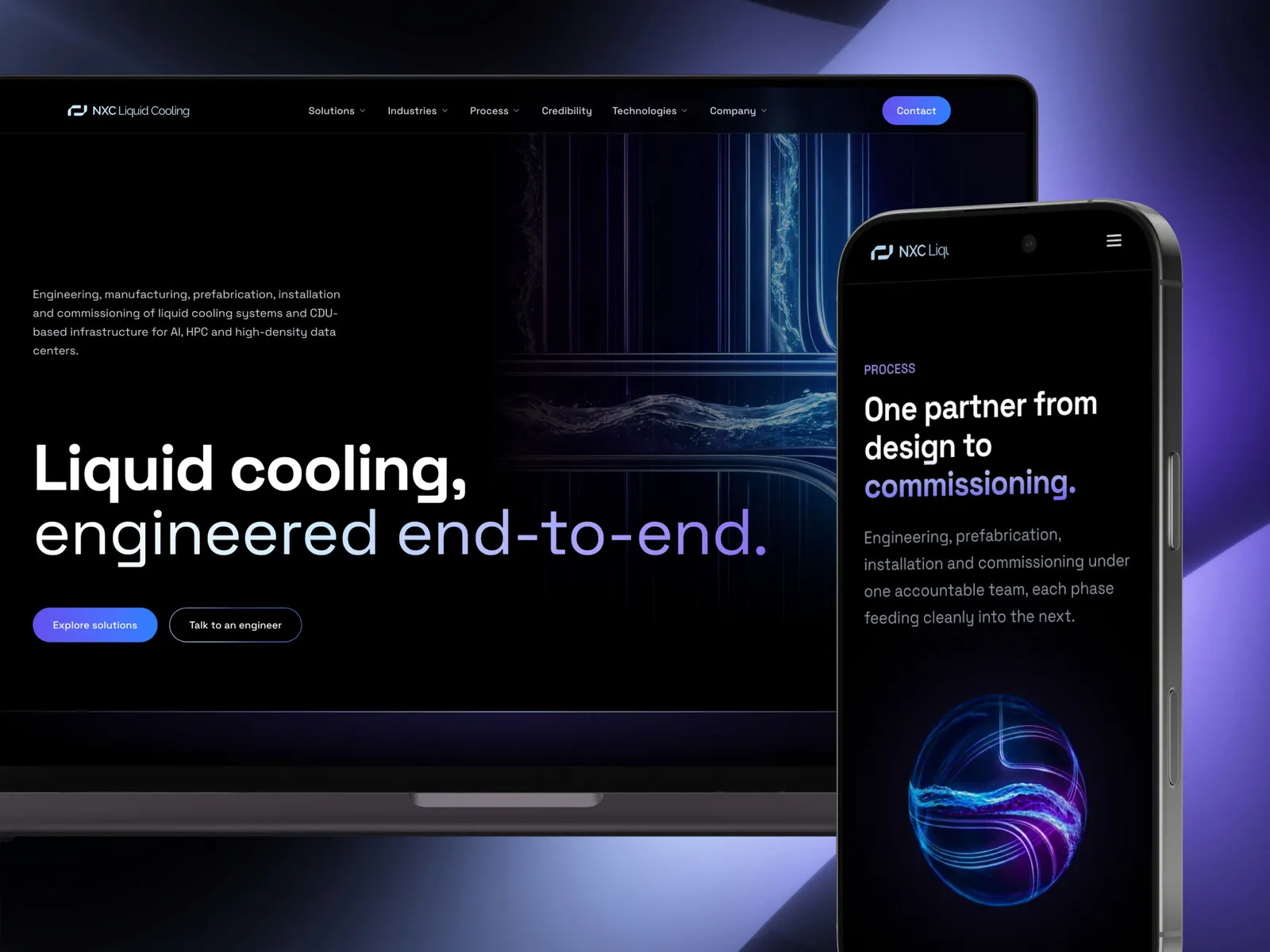
What follows is work from Aerospace & Defense together with fields that wrestle with the same design problems. The rest of our Aerospace & Defense work is under NDA - we walk you through it live during the discovery call.
Client voices
What our clients say
-
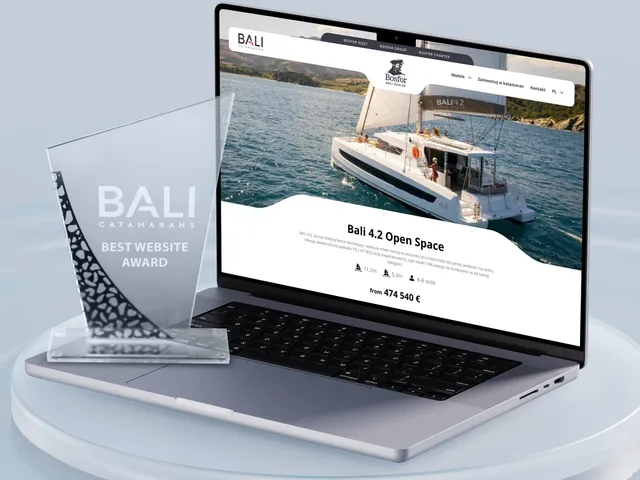
„Working with the Wzór team was a genuinely great experience! They always answered our questions quickly and were flexible about our comments. They have no shortage of creative ideas and are at the same time thoroughly reliable and on time. The end result fully met our expectations; we recommend them to anyone looking for professionals who care.”
 Maja Wieloch-Silecka Operations Director, Bosfor Group
 -
„Our clients expect us to act fast and effectively across a very wide scope - from building a brand, through a website with a store, to running an effective sales campaign. Not an easy task, but doable when you have a tight-knit team and partners who take on challenges on the fly. For us, quality, accountability and commitment are key, and working with UX Agency Wzór gives us that 100%.”
 Piotr Alberski Chief Operating Officer, Agencja XO Media
 -
„Our cooperation with UX Agency Wzór started with our own website. We really liked the way they work, so we decided to subcontract projects for our clients to them on a White Label basis. We loved their workflow, the way they hand projects over to our team, their documentation and their work on the design system. Now we can take on bigger risks.”
 Mateusz Swół Chief Operating Officer, Sellace



The team
Who runs it
The people who run the services this industry leans on most. You talk to them directly, from the first call through to delivery.
-

Aleksandra Bondar
Senior UX/UI Designer
-

Katarzyna Adamczuk
Prezes, Analityk Biznesowy
-

Patryk Korycki
CEO, Analityk Biznesowy
-

Tadeusz Wadas
Senior UX/UI Designer
FAQ
Questions that come up most often
How do you research when access to operators is restricted?
We work in a mode adapted to the client’s regime - interviews in the client’s environment, supervised shadowing, testing with substitute personnel of equivalent competence. NDAs and confidentiality clauses as standard, with additional terms on request (staff vetting, no materials leaving the environment).
Do you design for air-gapped environments and closed networks?
Yes - we understand the specifics of systems cut off from the public internet. We deliver the design in a format the client’s team can deploy in their network without dependencies on external services (fonts, icons, component libraries - all self-hosted).
Do you know HMI guidelines - MIL-STD-1472, EASA, FAA?
We work with human-factors guidelines used in the sector - interface ergonomics (ISO 9241), military standards (MIL-STD-1472), EASA and FAA guidelines for ATC and EFB. We prepare design documentation in a format that eases compliance audits.
Do you cover auditability and roles/permissions?
Yes - auditability of every operator action and role-based access control are standard for this sector. We design views for different permission levels (analyst, dispatcher, commander, auditor), logs readable for forensic review, and escalation of critical events.
Related services