

Conversion Optimisation
CRO for e-commerce, SaaS and B2B lead-gen. A data-driven funnel audit, an A/B test roadmap, implementation + analysis. A measurable business uplift, not just design recommendations.
We have worked with leading companies and startups









Challenges
Three moments when CRO delivers the biggest uplift
Not sure CRO is the right step now? Start with a UX audit - sometimes that is enough, without a systematic CRO programme.
-
„E-commerce with traffic, but low conversion”
You have 50k+ visits/month, PPC campaigns work, but conversion is flat. CRO will find the bottlenecks in the funnel (most often: PLP, product card, checkout) and lift CR by 25-50% in 6 months.
-
„SaaS with weak onboarding / trial-to-paid”
Users sign up, but conversion to payment is flat (typically <10%). We optimise onboarding (time-to-first-value), activation milestones, the upgrade path - typically +30-60% trial-to-paid.
-
„B2B lead-gen - low form-submit conversion”
A B2B service page with traffic (organic or paid), but a form-submit ratio <2%. We optimise the CTA, the form (length, friction), value proposition, social proof - typically +50-150% form-submit.
Who it is for
Who we run the testing programme for
-
Marketing teams measured on cost of acquisition
The media budget is already high, and every further zloty buys an increasingly expensive visit. We work on what happens after the click, so the same traffic starts delivering more orders or enquiries instead of demanding another round of bid increases.
-
Product teams arguing over backlog order
Two versions of a screen each have their defenders, and the argument is usually settled by the seniority of the person at the table rather than by evidence. A test turns that argument into a number everyone can see - including the case where both versions perform the same and the item leaves the list.
-
Teams just after a redesign or a migration
The new version is in production, some metrics went up, some went down, and a comparison with the previous quarter mixes seasonality with the effect of the design change. We set up measurement on parallel variants, so it is clear what caused the drop and it can be recovered point by point, without rolling the whole release back.
-
Large organisations where a production change needs approvals
Every modification to a key path goes through a committee, because the risk is counted in millions of turnover. A variant exposed to part of the traffic limits that risk to a known slice and produces the material on which the decision to roll out fully rests on a result rather than on a presentation.
Our difference
What makes our CRO programme different
-
The decision criterion is written down before the test starts
The primary metric, the minimum sample and the closing date are agreed before the variant sees its first user. That way nobody declares a win on day three, when the chart happens to look favourable, and nobody extends a test until it finally shows the expected result.
-
Every hypothesis states where it came from
Next to each hypothesis we record its origin - a session recording, a usability test with five people, support tickets or abandonment data. It is then clear exactly what the test challenges, and the result can be interpreted instead of leaving everyone guessing why the variant won.
-
The hypothesis register stays on your side
We keep one list where every hypothesis carries a result, a date and conclusions - including the inconclusive ones. A year later, with a different line-up in the team, it is visible what has already been checked, so the same idea does not return to the roadmap a second time.
-
The winning variant goes into the product code
Once a test is settled we hand over the design and the specification for a permanent implementation, and switch the testing tool's overlay off. A layer of scripts that swaps the interface costs loading time, and after a few months nobody knows which version is the real one.
Process
A CRO programme - 4 phases, continuous iteration every month
- Week 1–2
Analytics + funnel audit
We check the GA4, Hotjar and custom events setup. We identify the funnel bottlenecks (top drop-offs). Plus a benchmark vs the industry standard.
- Week 3
Hypotheses + roadmap
We generate 20+ test hypotheses (from the audit + best practices + design intuition). We prioritise by ICE. We pick the top 12-20 tests for the first year.
- Week 4+ (continuous)
Design + implementation
We design the A/B variants (Figma), implement them in the tool (Optimizely / VWO / Google Optimize), QA before launch. 2-4 tests in production in parallel.
- Continuous
Analysis + scaling
Every 2-4 weeks an analysis of results, a statistical significance check (min. 95% confidence). We roll out the winning variants, plan the next wave. A monthly report with learnings.
Deliverables
Three things. A measurable uplift, not a pretty report
-
Conversion funnel audit
An analysis of every funnel step with drop-off metrics, Hotjar heatmaps, session recordings. Identifying bottlenecks + 20+ test hypotheses prioritised by an ICE matrix (Impact × Confidence × Ease).
-
A/B test roadmap
12-20 tests prioritised by ICE - with hypotheses, KPIs, change designs, a planned duration. Plus implementation in Optimizely / VWO / Google Optimize. Plus mapping to the North Star Metric.
-
Monthly results report
Each month a detailed report: test results, statistical significance, learnings, recommendations for the next month. Plus a quarterly business impact (CR uplift × LTV).
Toolkit
What we use
Standard CRO tools + our own ICE prioritisation methodology with mapping to the North Star Metric (not random tests).

- GA4, Mixpanel, Amplitude
- Hotjar, Microsoft Clarity (heatmaps + recordings)
- Optimizely, VWO, Google Optimize
- ICE prioritisation (Impact × Confidence × Ease)
- Statistical significance ≥95% confidence
- Mapping to the North Star Metric

Next step
Let us talk about your project
Tell us what you have to do. We will come back with scope and a quote.
Selected work
Projects from the areas where we optimise conversion
A selection from the product types we test most often - online stores, web applications and B2B service sites. Results covered by an NDA we discuss during a consultation.
-
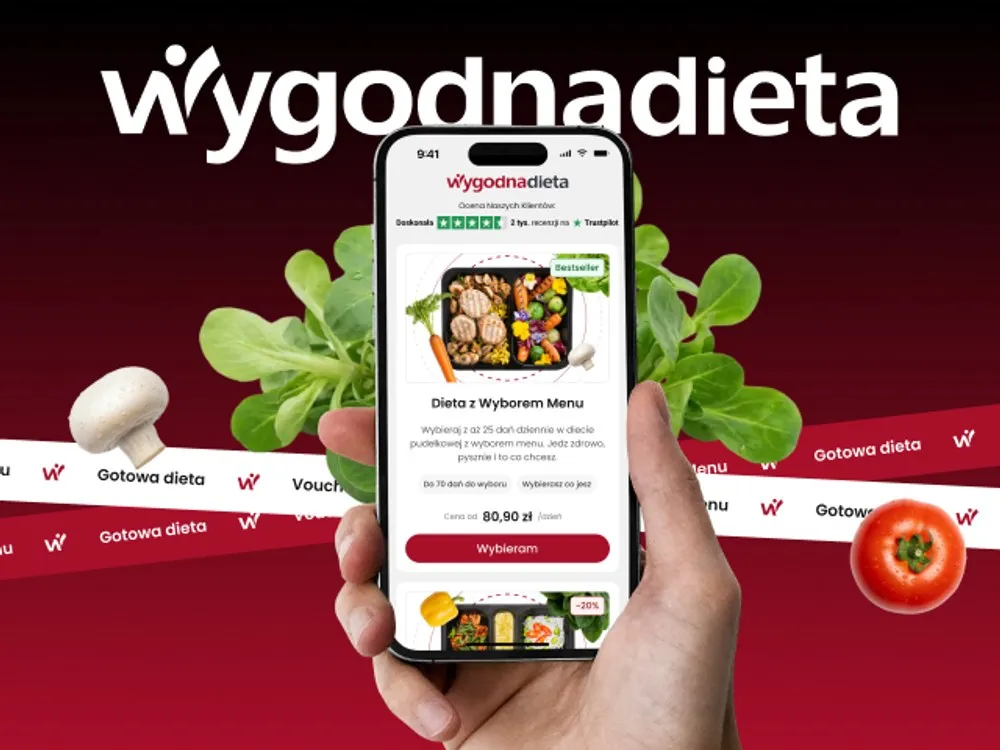
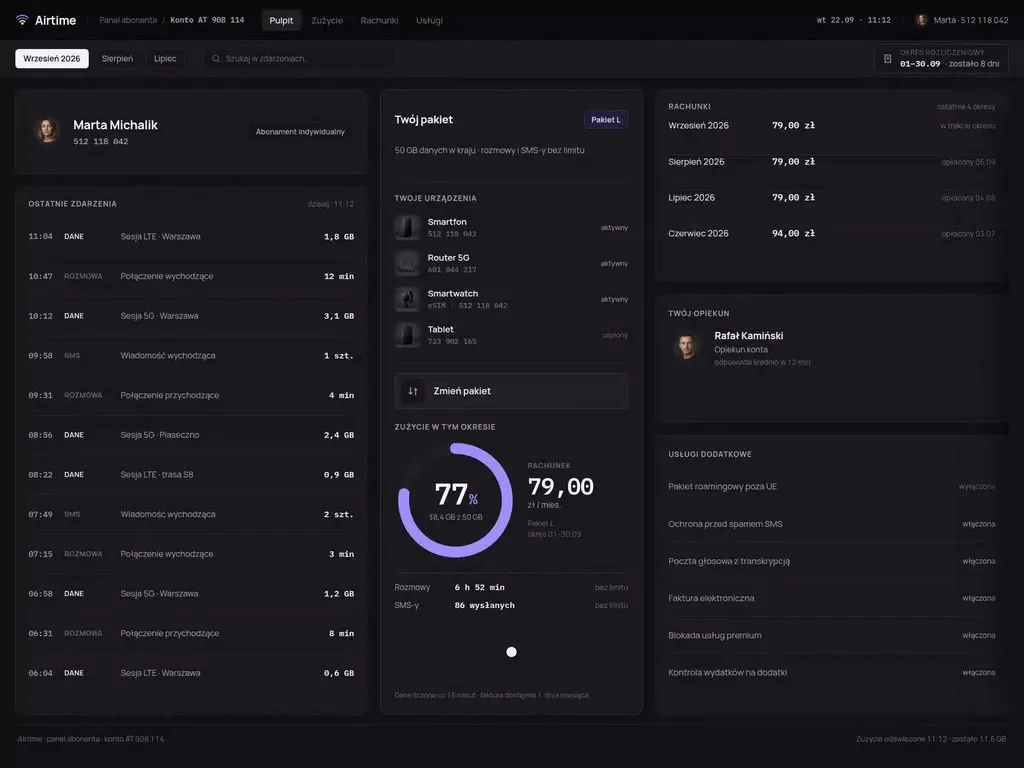
WygodnaDieta - App and online store for a meal-box diet service
-
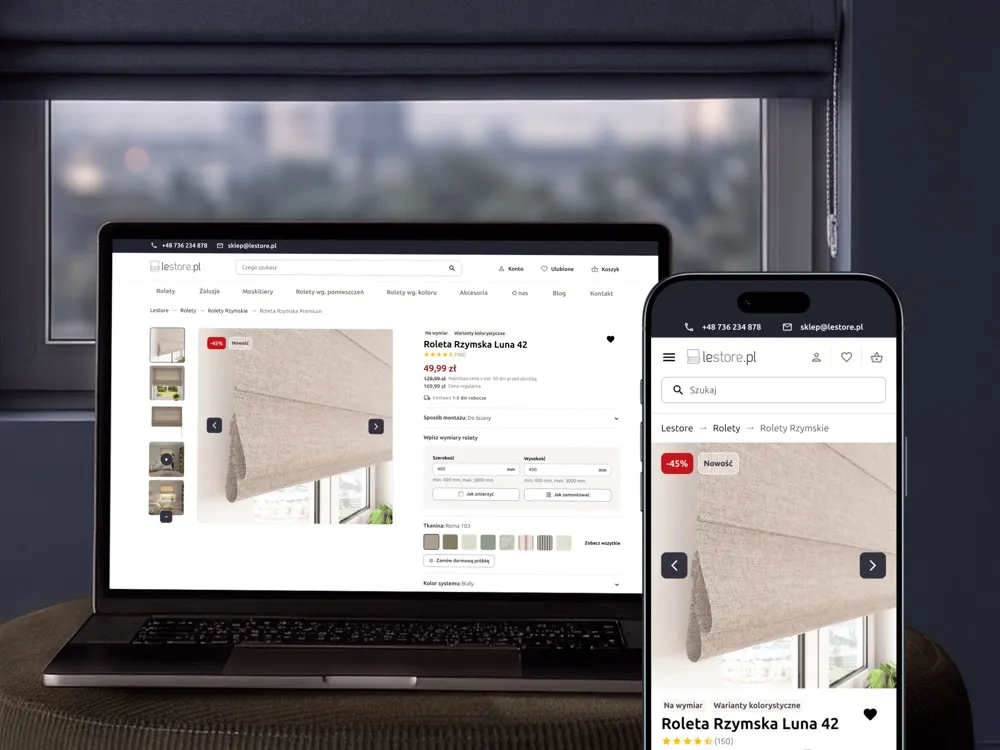
Lestore - Online store for blinds and shades
-
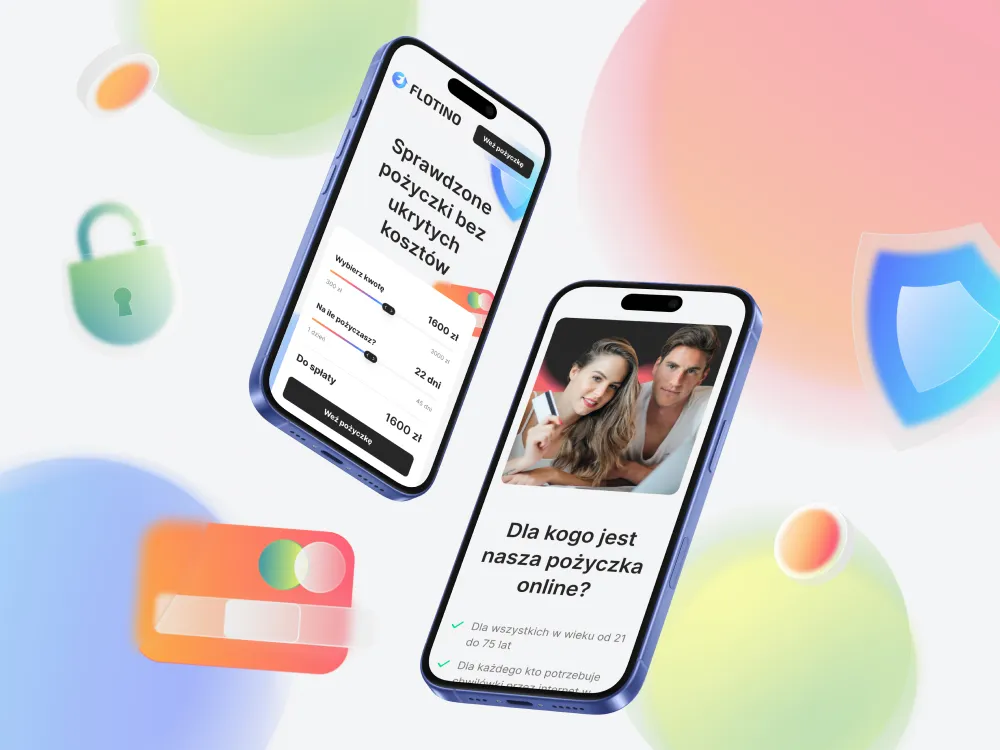
Flotino - Online cash loan service
-
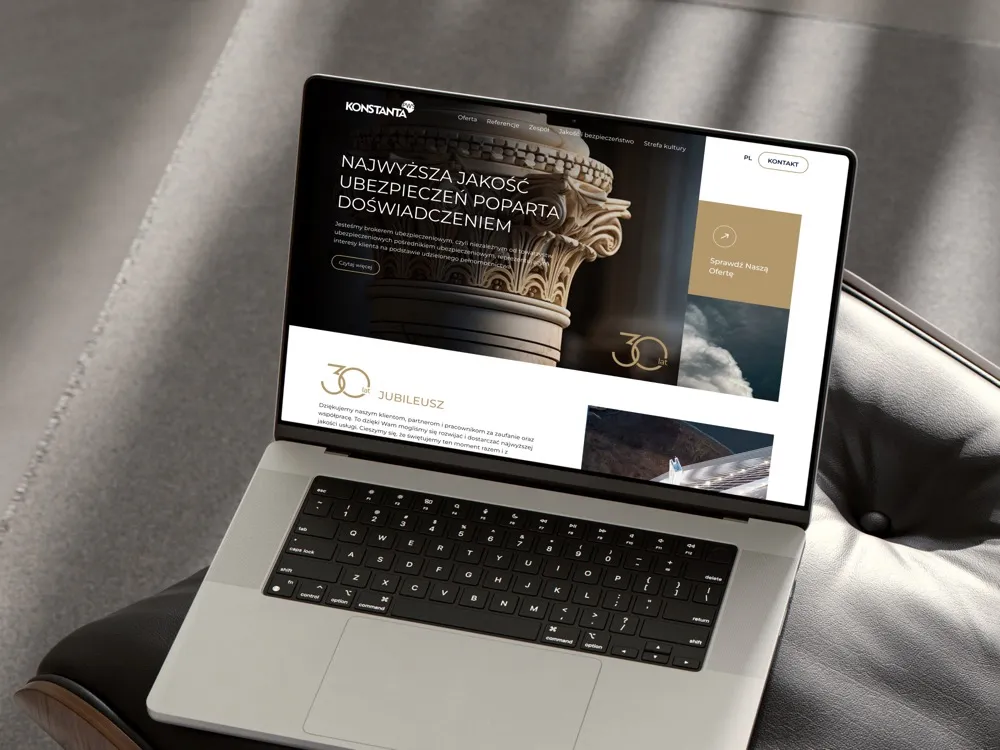
PWS Konstanta - Website for an insurance broker
-
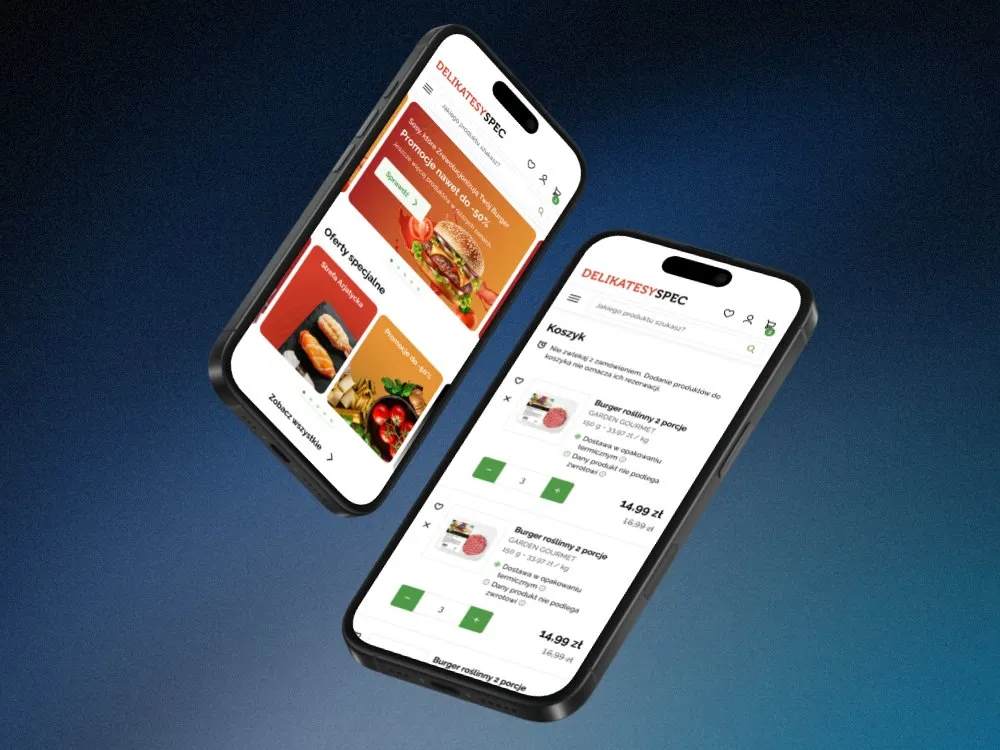
SPEC Food - Online store for a food delicatessen
-
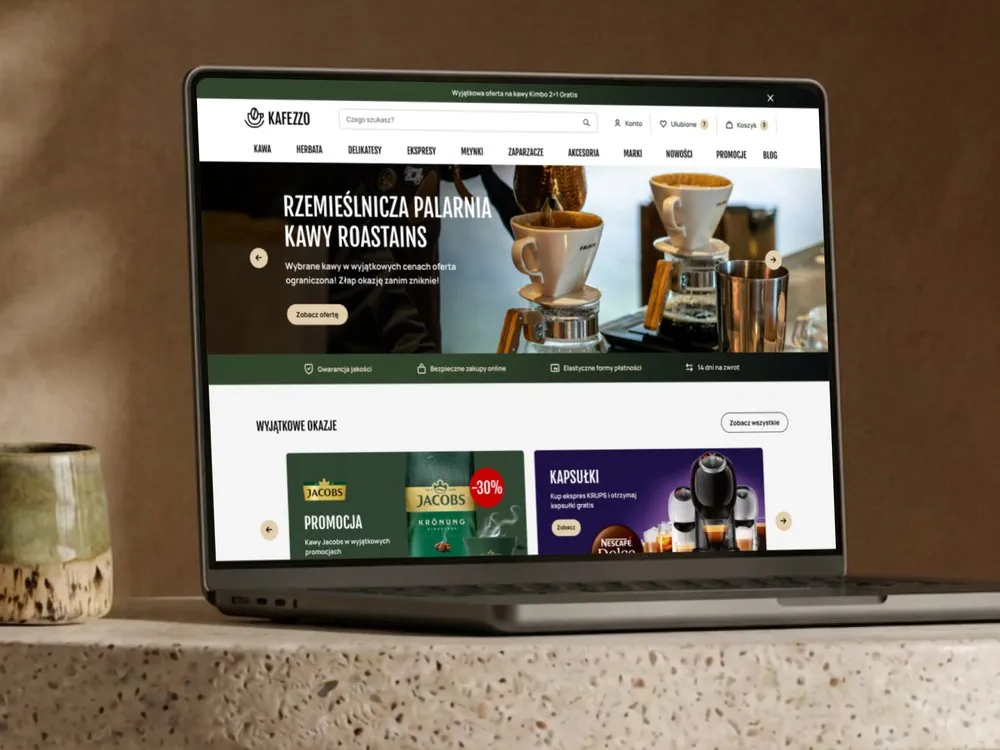
Kafezzo - Online store for coffee and tea
-
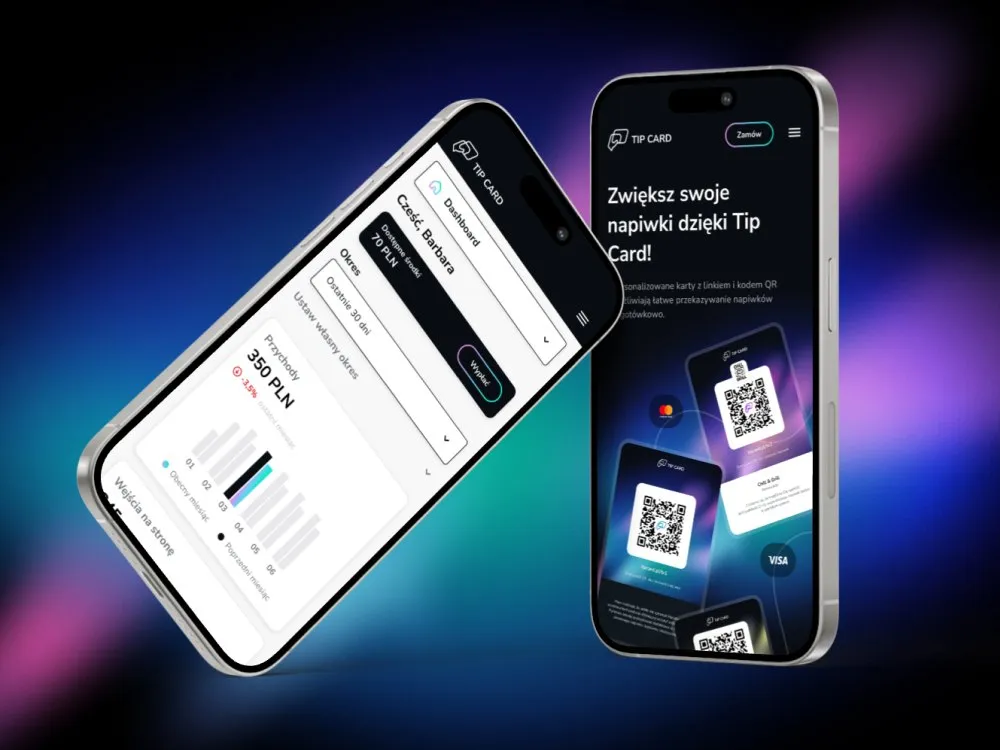
Tip Card - Cashless tipping platform
-
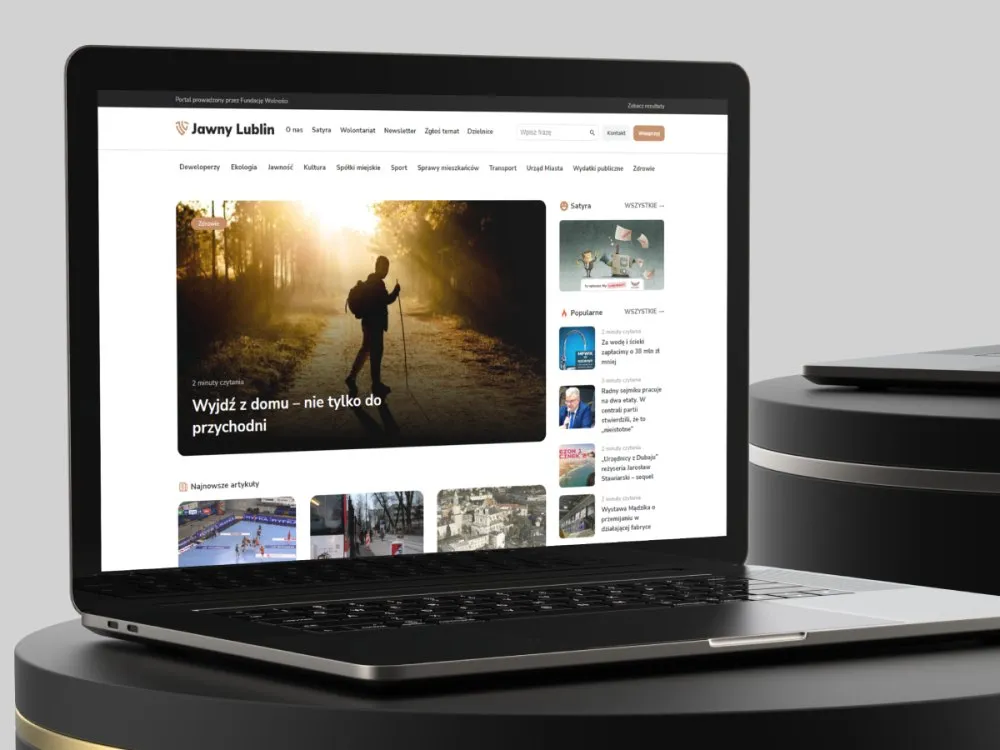
Jawny Lublin - A watchdog portal on city transparency
-
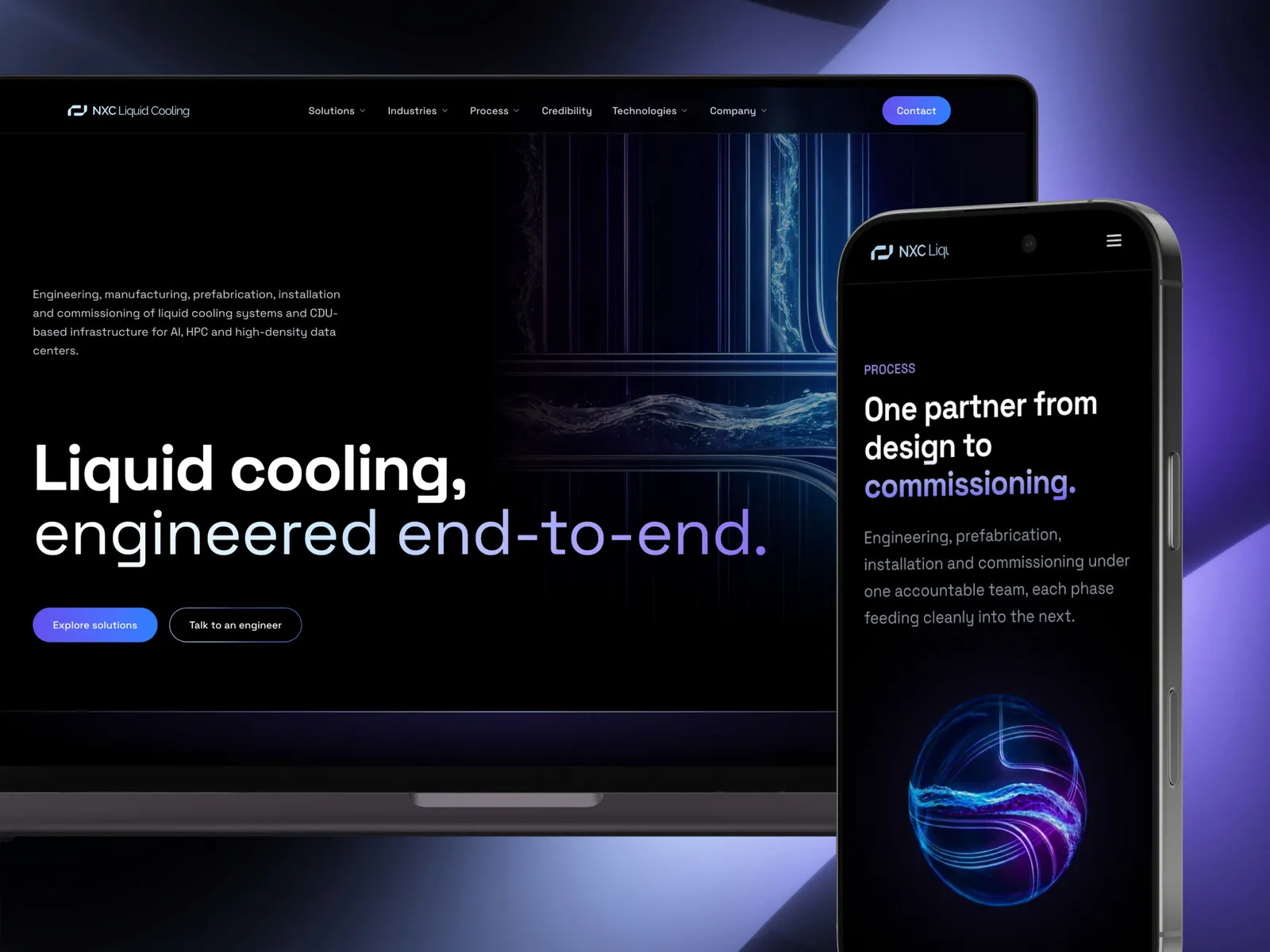
NXC Liquid Cooling - A liquid cooling systems website
-
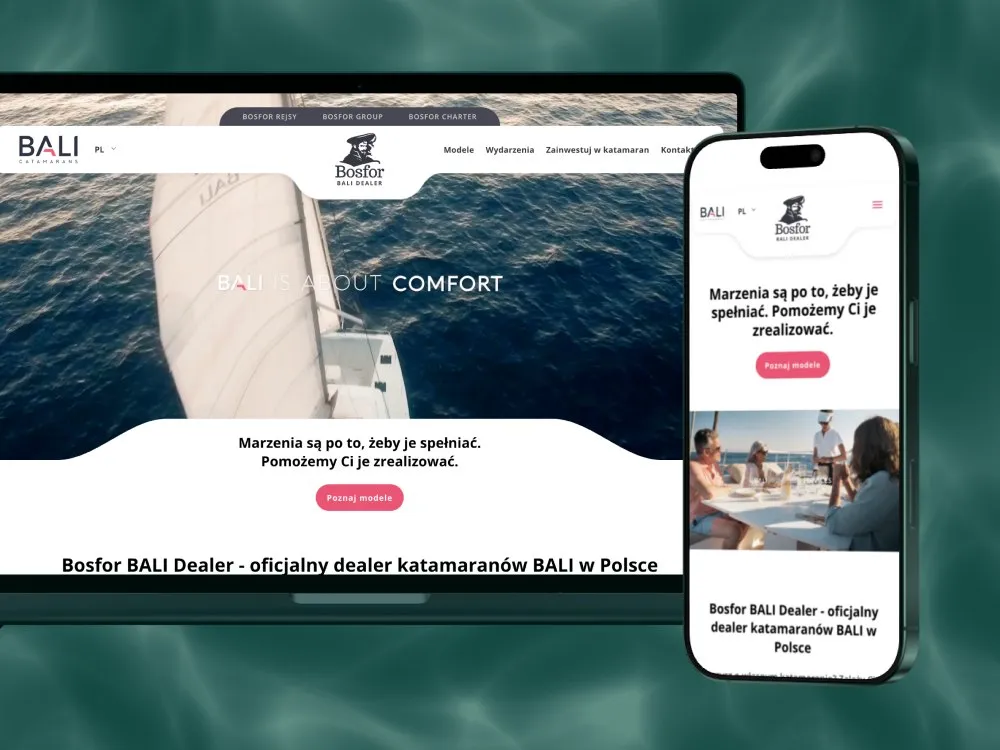
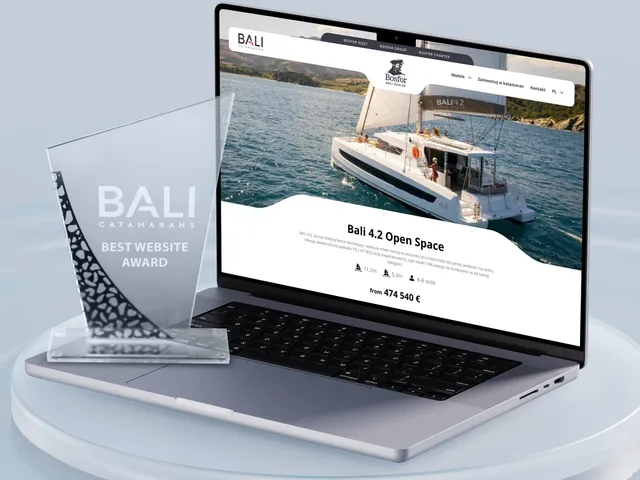
Bosfor BALI Dealer - Website for a BALI catamaran dealer
-
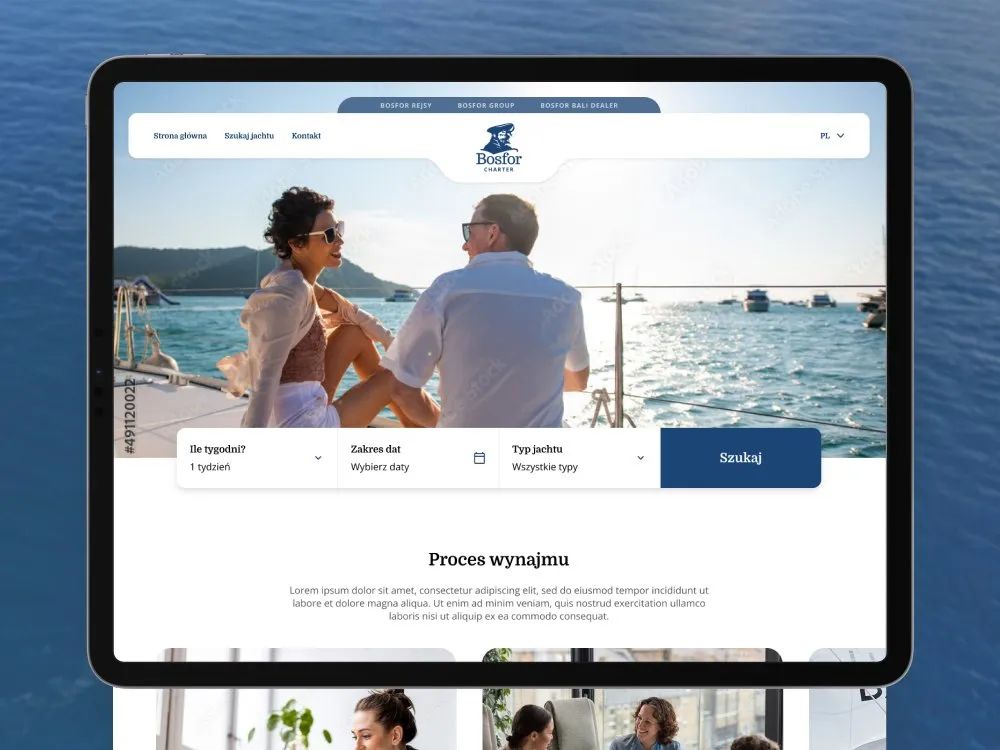
Bosfor Charter - Yacht charter platform with booking
-
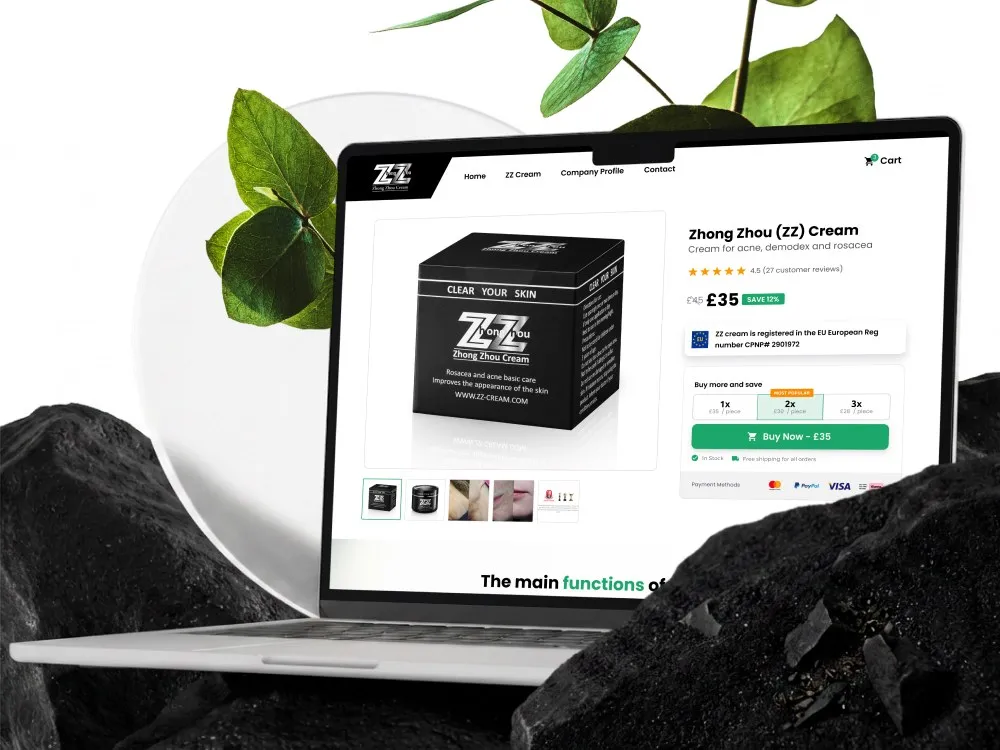
ZhongZhou - Online store for an acne, demodex and rosacea cream
-
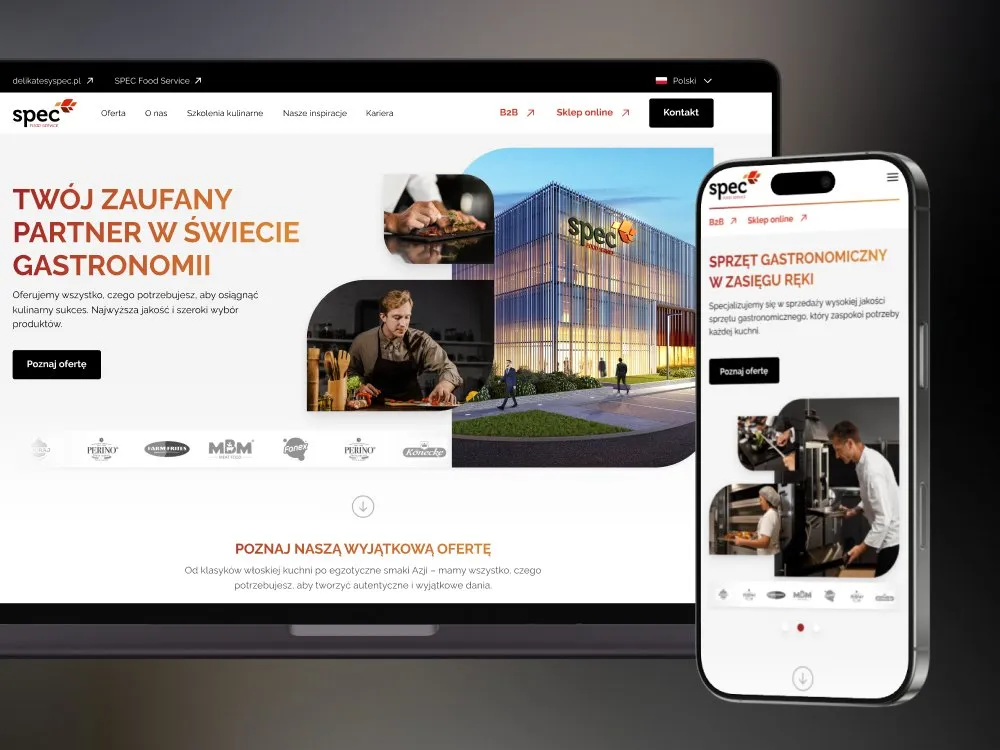
SPEC Food - Website for gastronomy - SPEC Food Service
-
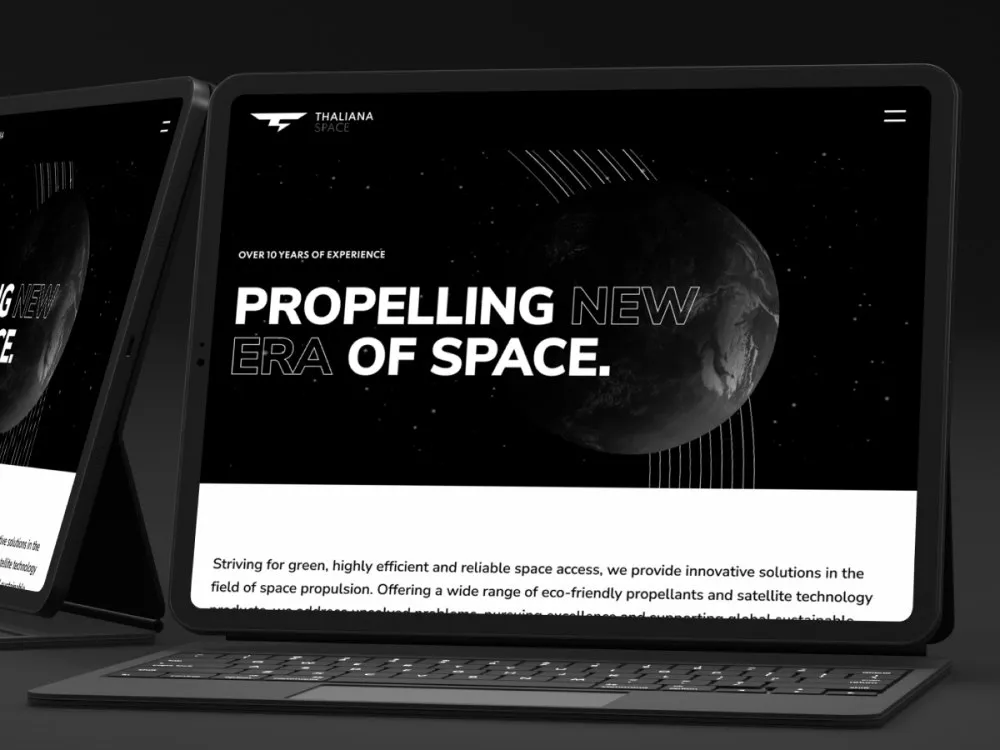
Thaliana Space - Website for a space-propulsion company
-
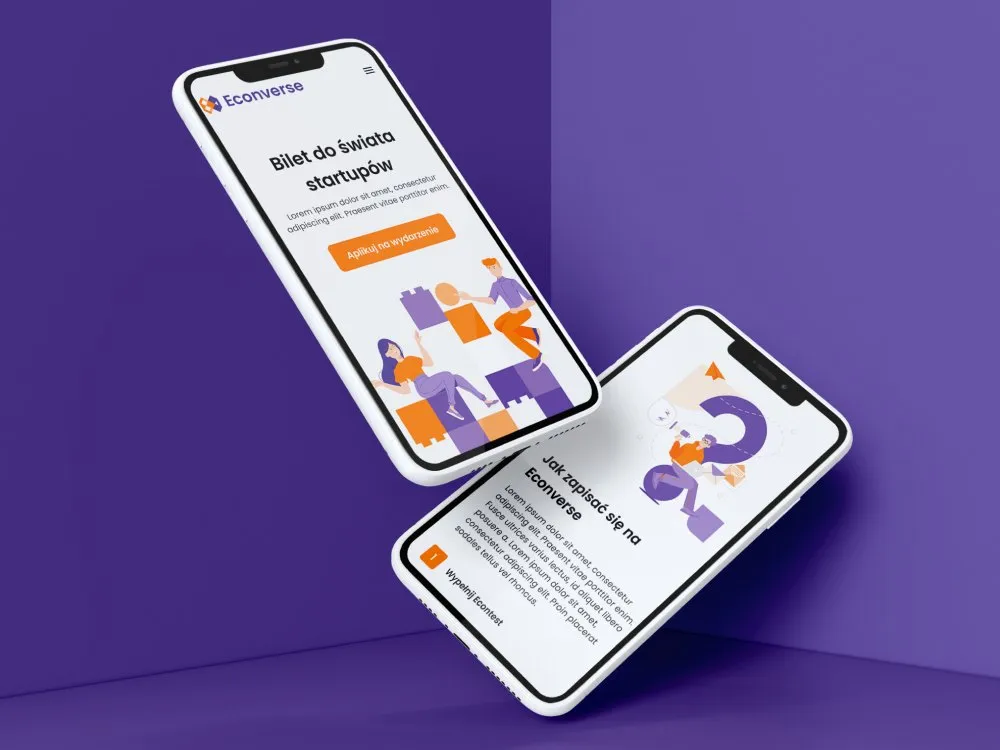
Econverse - Website for a start-up event
-
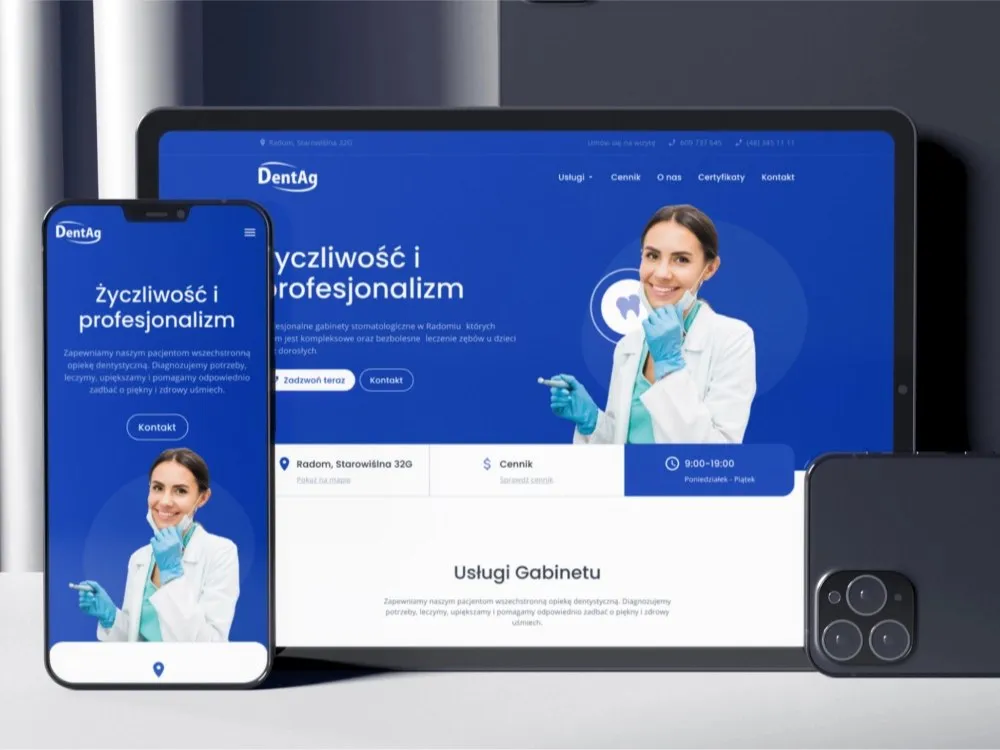
DentAg - Website for a dental clinic in Radom
-
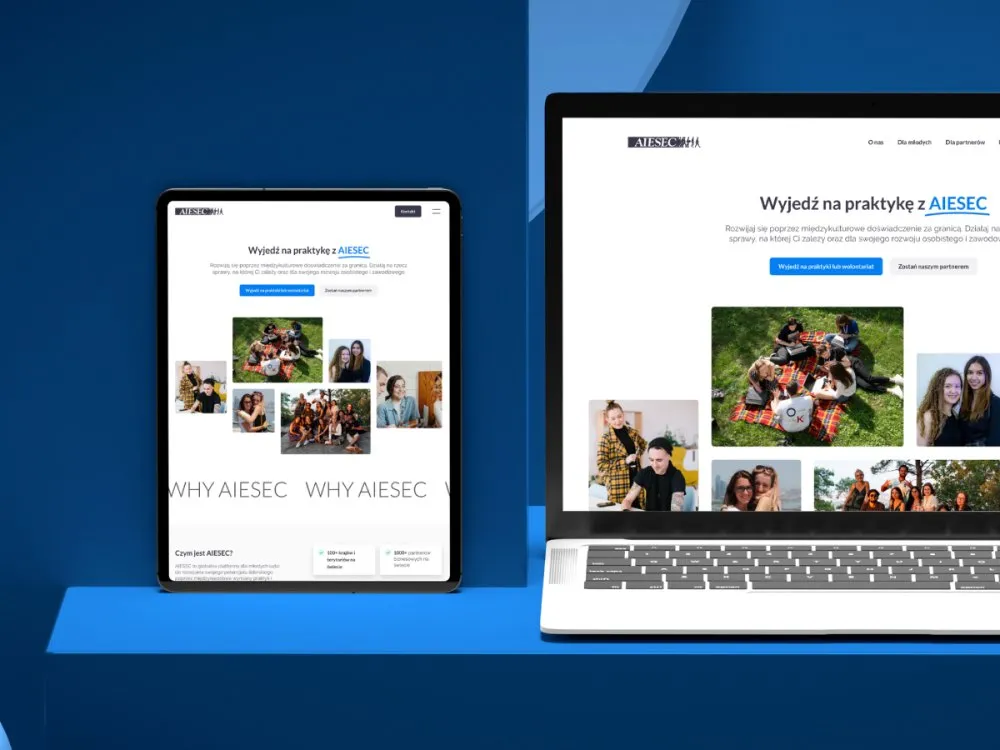
AIESEC - Website for internships and volunteering abroad
-
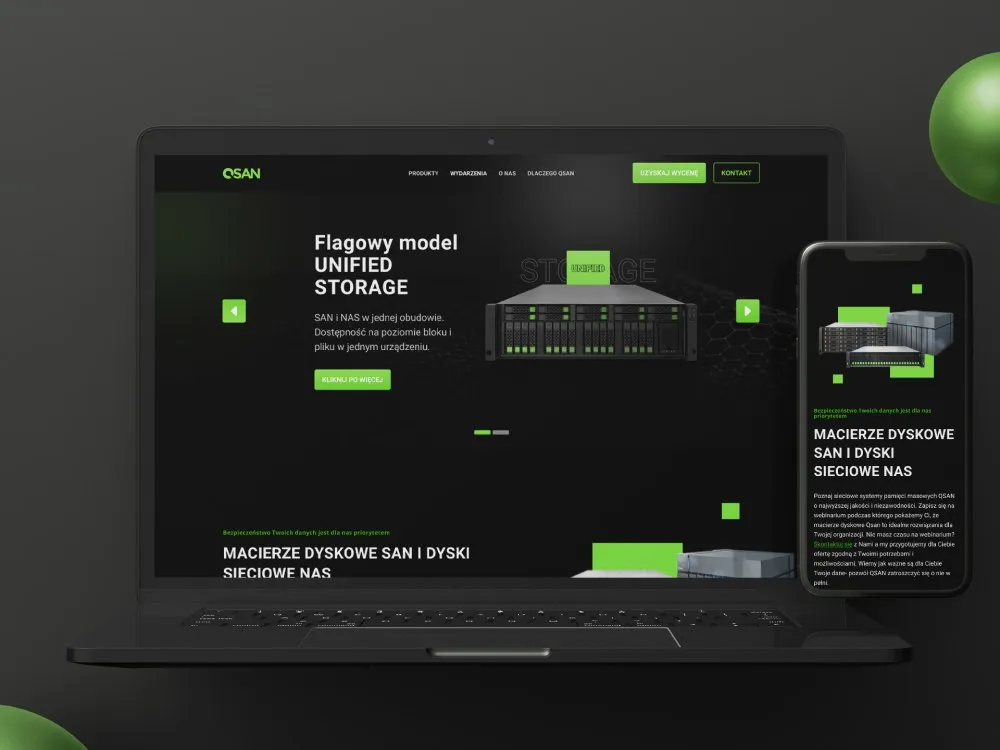
DAGMA - Product page for disk arrays and storage systems
-
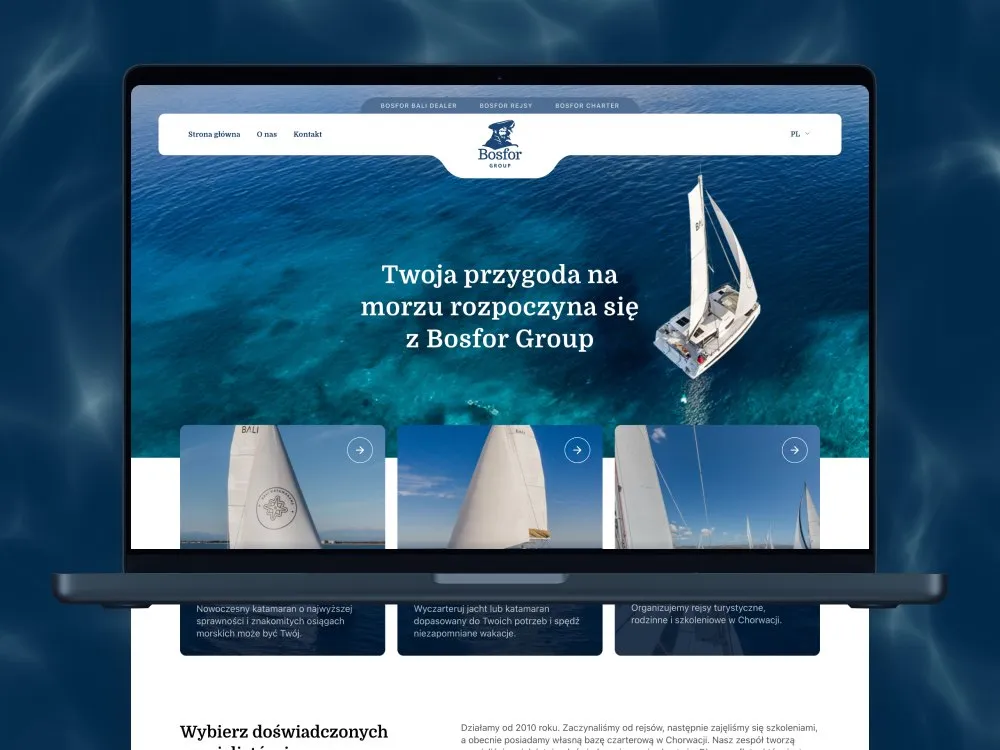
Bosfor Group - Website for the Bosfor sailing group
-
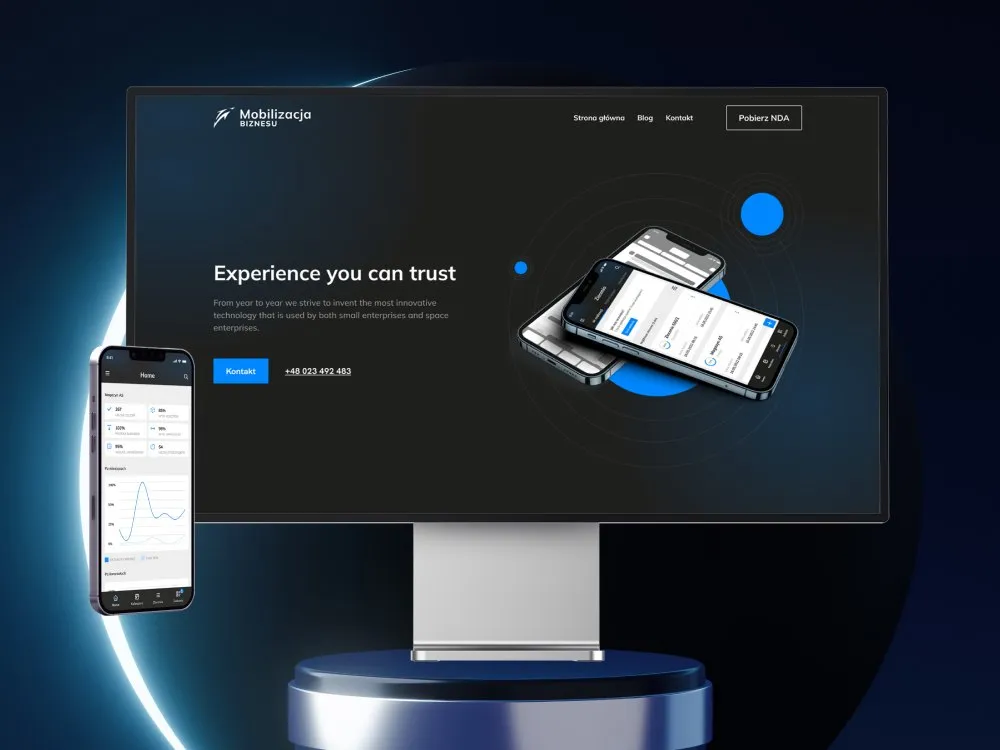
Mobilizacja Biznesu - Website for a mobile-tools firm
-
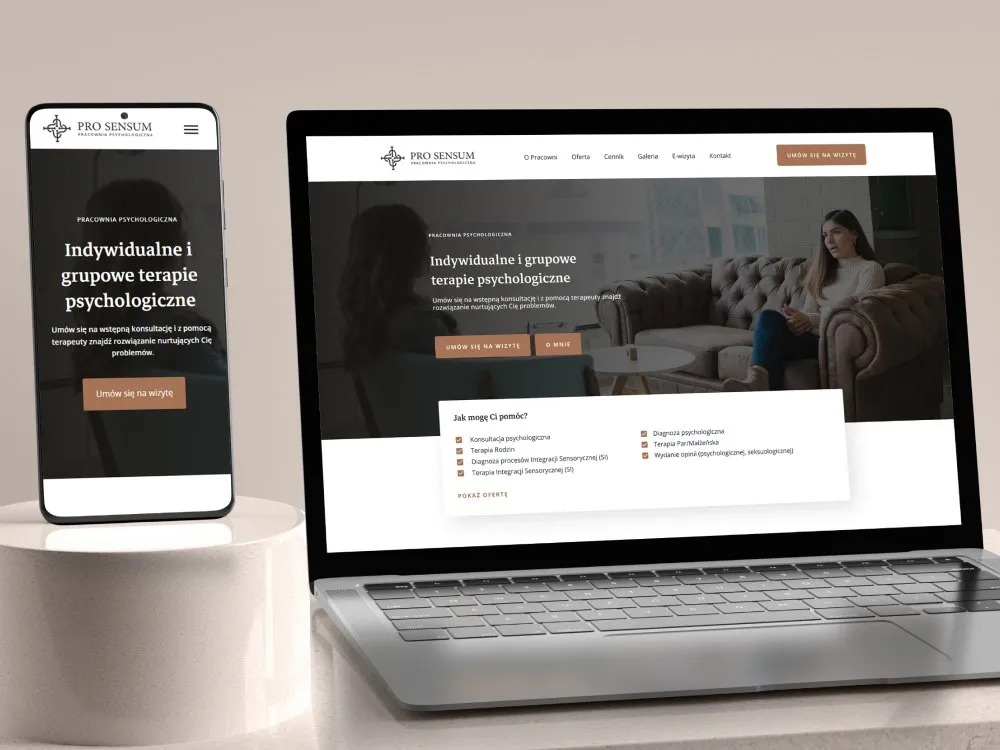
Pro Sensum - Website for a psychology practice
-
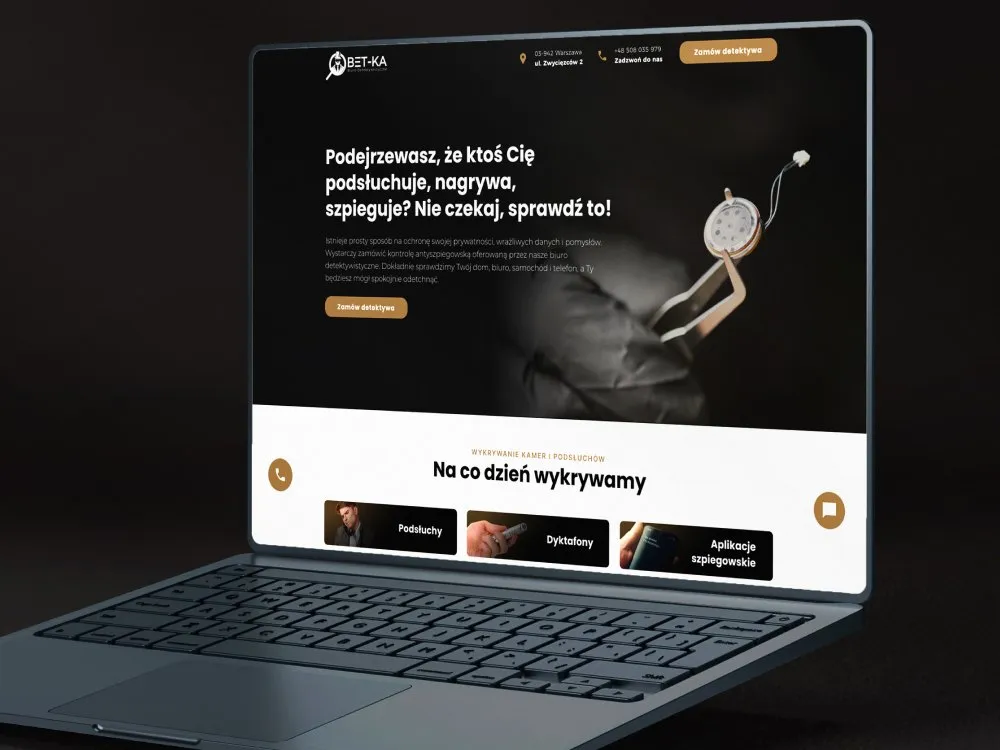
Biuro Detektywistyczne BET-KA - Detective agency website
-
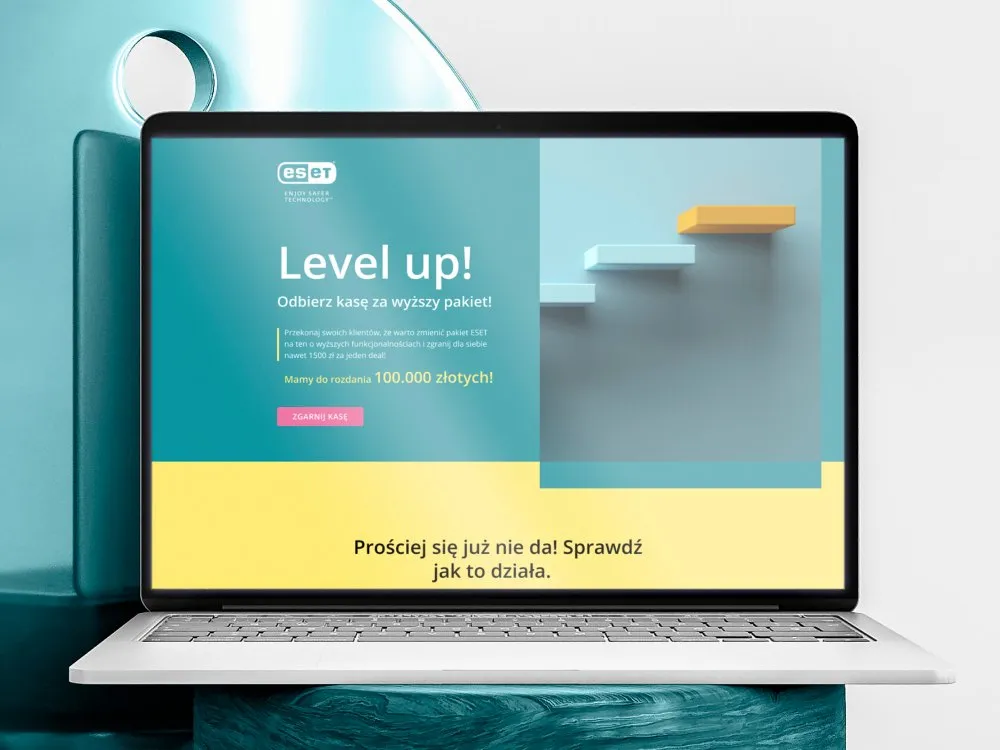
ESET - Landing page for a partner promotion campaign
-
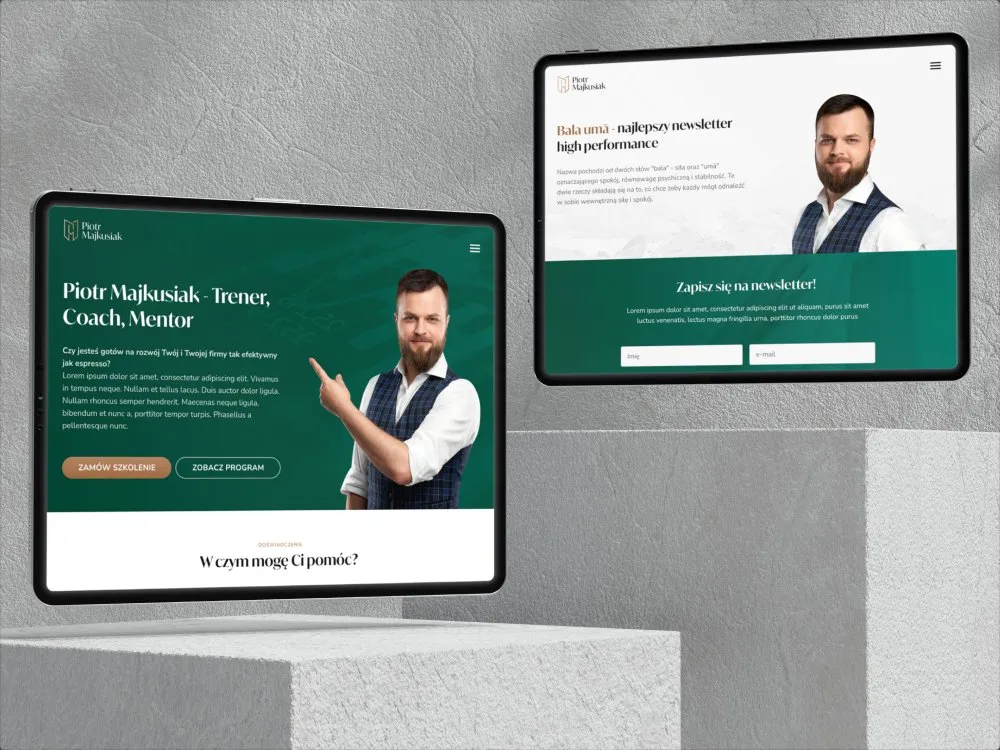
Piotr Majkusiak - Personal site for a business trainer
Outcomes
The rules and deadlines set before the first test
-
3-4 wks
From the brief through the funnel audit to the first variant in production, with analytics that already track the right events
-
12-20
Tests in the roadmap for the first year - each with a hypothesis, a primary metric and a closing date agreed before it starts
-
≥95%
Below that significance threshold we do not call a result, so no variant ships permanently on the strength of a favourable day-three chart
-
1
Hypothesis register with a result, a date and a conclusion next to every entry - it stays on your side, together with the specification of the winning variants
The deadlines, the number of tests in the roadmap and the significance threshold come from the scope, the process and the standards described above on this page. We do not state an average conversion uplift here - it depends on traffic, the conversion base and the industry, and the results of specific implementations are partly covered by an NDA, so we go through them by name during a consultation.
Client voices
What our clients say
-
„Working with the Wzór team was a genuinely great experience! They always answered our questions quickly and were flexible about our comments. They have no shortage of creative ideas and are at the same time thoroughly reliable and on time. The end result fully met our expectations; we recommend them to anyone looking for professionals who care.”
 Maja Wieloch-Silecka Operations Director, Bosfor Group
 -
„Our clients expect us to act fast and effectively across a very wide scope - from building a brand, through a website with a store, to running an effective sales campaign. Not an easy task, but doable when you have a tight-knit team and partners who take on challenges on the fly. For us, quality, accountability and commitment are key, and working with UX Agency Wzór gives us that 100%.”
 Piotr Alberski Chief Operating Officer, Agencja XO Media
 -
„Our cooperation with UX Agency Wzór started with our own website. We really liked the way they work, so we decided to subcontract projects for our clients to them on a White Label basis. We loved their workflow, the way they hand projects over to our team, their documentation and their work on the design system. Now we can take on bigger risks.”
 Mateusz Swół Chief Operating Officer, Sellace



Time and scope
How long it takes and what drives the quote
3–4 weeks to the first test
Three weeks is the route from the brief through the funnel audit to a variant in production, with analytics that already track the right events. When the measurement has to be set up first and baseline data collected, the start of the first test moves by about a month.
-
The number of paths and templates in the programme - checkout alone or the whole route from the catalogue
-
Traffic and the number of conversions on the tested path, which decide how many tests can run in parallel
-
The state of analytics at the outset - whether the events are in place and whether the data is trustworthy
-
How variants are deployed - a testing tool or changes in the code on your team's side
-
The scope of qualitative research alongside the tests, for example user sessions before the roadmap is set
FAQ
Questions that come up most often
How much traffic is needed for A/B tests?
A minimum of 5,000 visits a month on the tested page and 100+ conversions a month - then a test reaches statistical significance in 2-4 weeks. With less traffic we focus on qualitative research (interviews, moderated tests) instead of A/B.
How long does an A/B test take?
Typically 2-4 weeks to reach statistical significance (min. 95% confidence). Longer for niche segments or a small difference between variants (e.g. +5% vs control). Shorter for strong changes (+30%+).
How do you bill CRO?
A monthly retainer covers the audit, test design, implementation, analytics and a monthly report. For smaller projects: a fixed-price CRO Audit (without implementation). The quote depends on traffic, funnel complexity and testing cadence - you get a concrete proposal within 48 hours of a short brief.
Do you guarantee a conversion uplift?
We do not guarantee a specific number, as it depends on the starting base (a store with CR 0.5% has more room to grow than one with CR 5%). On average our clients see +25-50% in 3-6 months. Every report shows the results transparently - including tests that lost.
Do I need GA4 / Hotjar before starting?
Ideally yes - Phase 1 is an audit based on existing data. If you do not have them: the first 2-3 weeks are an analytics setup + 4 weeks to gather baseline data. Together audit + setup = a month’s delay, still within one CRO Audit.
Do you work with our dev team when implementing tests?
Yes - typically the client’s dev implements tests in Optimizely / VWO (fastest). Or we deploy via Google Optimize / VWO. Bigger changes (like a checkout redesign) require the client’s dev team - we help with the design and specification.
Related services