
UX Audit
A priority list of fixes for your website, app or e-commerce. An expert report, an observation database and an implementation meeting - in 10 working days.
We have worked with leading companies and startups









Challenges
Three moments when an audit really pays for itself
If none of these fit your case - an audit may not be the first step. Let's talk - we will tell you what is.
-
„Conversion dropped after an update or migration”
Something changed - and you do not know exactly what. We will point to the specific places where users get lost, plus a fix priority.
-
„You are planning a redesign - and want to know where to start”
Before you spend the budget on a full project - an audit tells you which paths genuinely need rebuilding and which just need polishing.
-
„The internal team has a blind spot”
You work with the product every day. It is easy to miss what a new user sees in the first minute. A fresh, bias-free eye.
Who it is for
Who this audit is for
-
SaaS product teams
Analytics show which step users drop out of, but not why. An audit turns those drop-off points into named causes, described concretely enough to enter the backlog as tasks rather than as hypotheses.
-
E-commerce teams
Paid traffic delivers sessions at a high cost, and some of them get lost between the product page and the order confirmation. We walk the whole purchase path and show which steps lose users and what exactly stops them.
-
Software houses and IT vendors
You are handing a client a product your own team designed, and you need an assessment from outside that team before sign-off. We work as a third party - under your brand or openly, depending on how you run the client relationship.
-
Teams maintaining large sites and internal systems
The product grew for years, every department added its own part, and the list of user complaints is longer than the team's capacity. An audit orders that list by impact, so the sequence of fixes can be defended in front of a steering committee rather than justified by instinct.
Our difference
What makes our audit different
-
Two senior auditors, cross-checked
Two auditors of equal seniority review the product separately, and we compare observations only at the end. An issue flagged by both is a strong signal, and where they disagree we say so instead of averaging it out.
-
Priority calculated in an impact × effort matrix
Every observation gets an estimated impact on a metric and an estimated implementation cost, and those two values produce a sequence, not just a list of remarks. You know what makes sense in the next sprint and what can wait for the following quarter.
-
Accessibility in the standard scope
We check WCAG 2.2 AA in every audit, not as a separately priced service. Companies covered by the European Accessibility Act get those findings in the same report and in the same priority matrix.
-
The audit is separate from the implementation
Recommendations are written independently of who implements them afterwards - your team, your agency or us. If the analysis concludes that a given path should be left alone, we write that down too.
Process
10 working days. No overruns, no shifting deadlines
- Day 1
Brief - 30 min
Business goals, success metrics, scope. We agree which paths we audit first.
- Day 2–4
Path analysis
A cognitive walkthrough on desktop and mobile. We step into the role of a user with a specific goal - where they get stuck, where they give up.
- Day 4–7
Heuristic audit
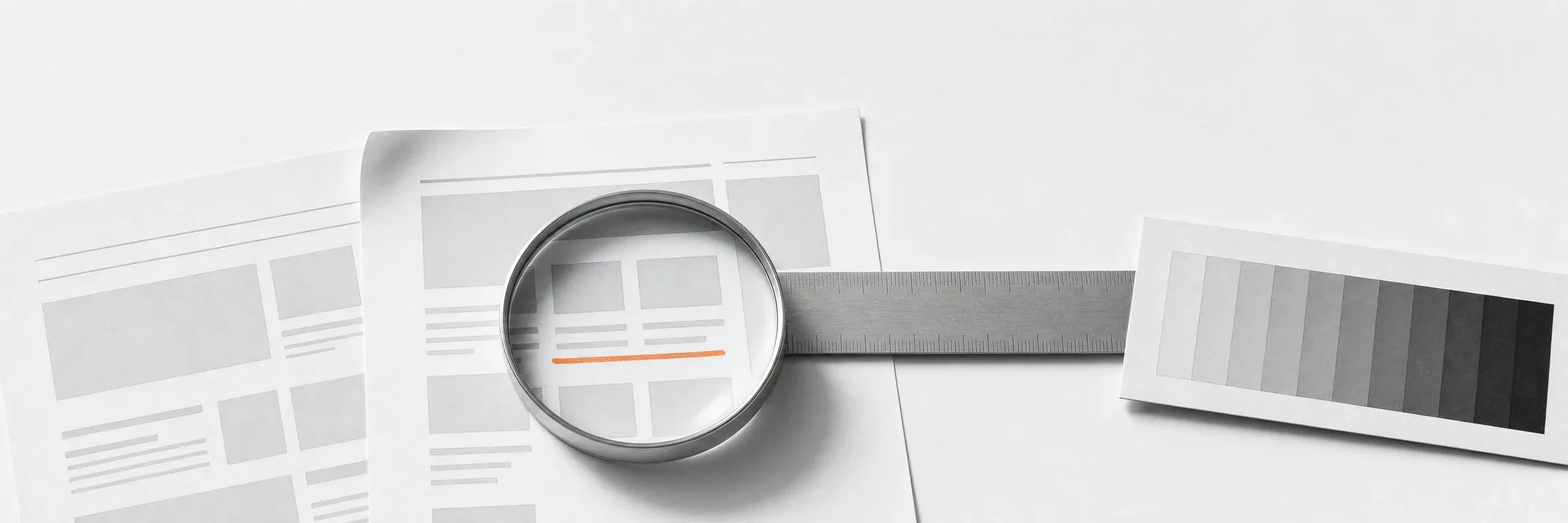
Nielsen, Molich, WCAG 2.2. Our own 80+ point checklist. Two auditors cross-checking - eliminating any single person's bias.
- Day 8–9
Synthesis and prioritisation
Every issue gets a priority in the impact × implementation-effort matrix. You know what to fix this sprint and what in Q3.
- Day 10
Report + debrief meeting
90 minutes to walk through the report with your product team. We answer questions and refine the recommendations.
Deliverables
Three things. Not a report that ends up in a drawer
-
A priority report in PDF
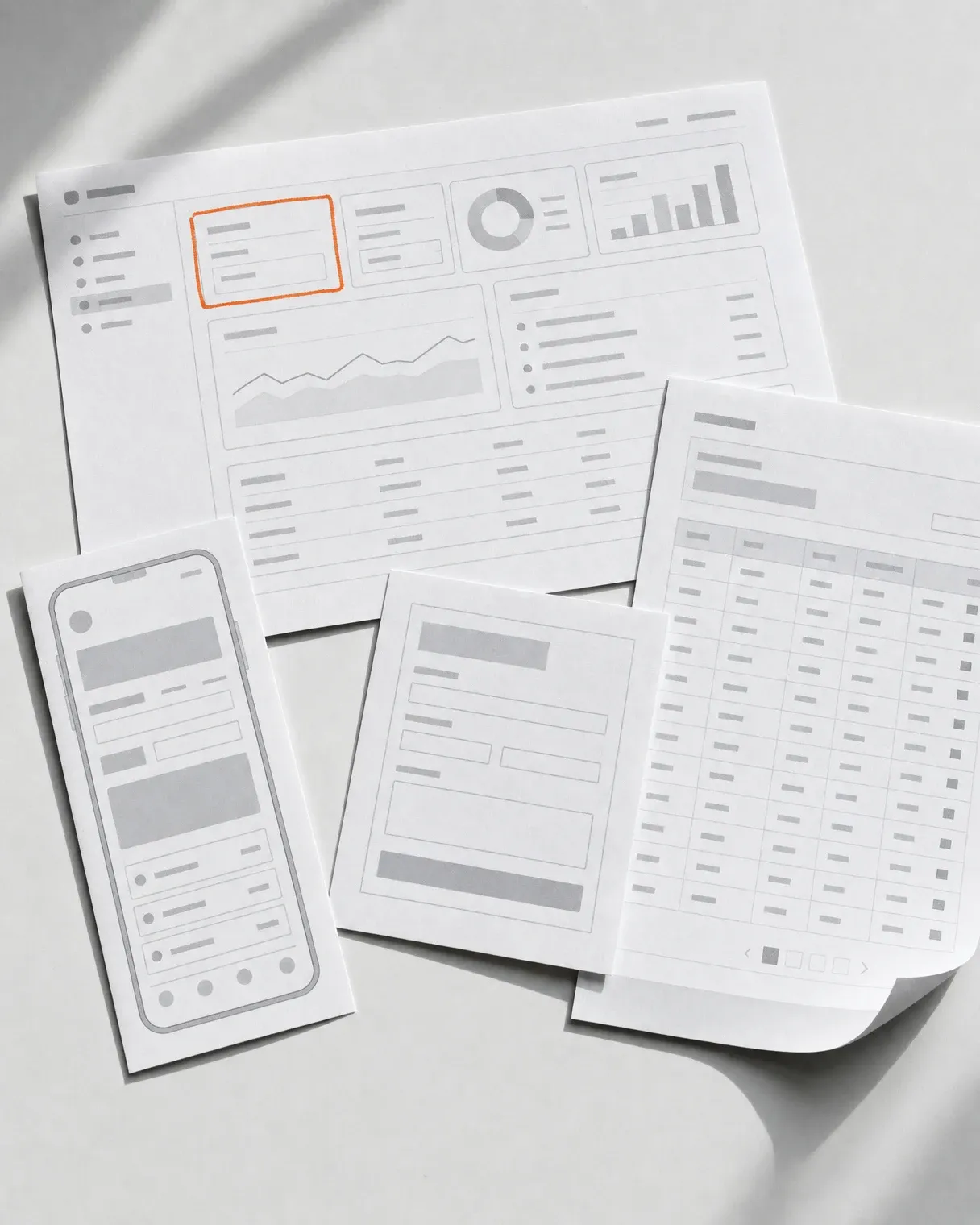
An executive summary, a list of issues with priorities (P0/P1/P2), annotated screenshots, concrete recommendations - not vague advice like "improve the UX".
-
An observation database in Airtable
Every issue as a separate record: area, description, screenshot, priority, suggested fix, estimated impact. Sortable, filterable, ready to plug into sprints.
-
A 90-min debrief meeting
With your product team and developers. We explain each recommendation in context - what to do, why, and when.
Toolkit
What we use
We do not reinvent the frameworks - we build on proven standards, but add our own list of checks honed across 60+ audits.
- Nielsen's 10 heuristics
- Molich's rules
- WCAG 2.2 AA
- Cognitive walkthrough
- Our own 80+ point checklist
- 2 auditors cross-checking

Next step
Let us talk about your project
Tell us what you have to do. We will come back with scope and a quote.
Selected work
Projects from the areas we audit
A selection from the product types we audit most often - corporate sites, online stores and web applications. Work covered by an NDA we show during a consultation.
-
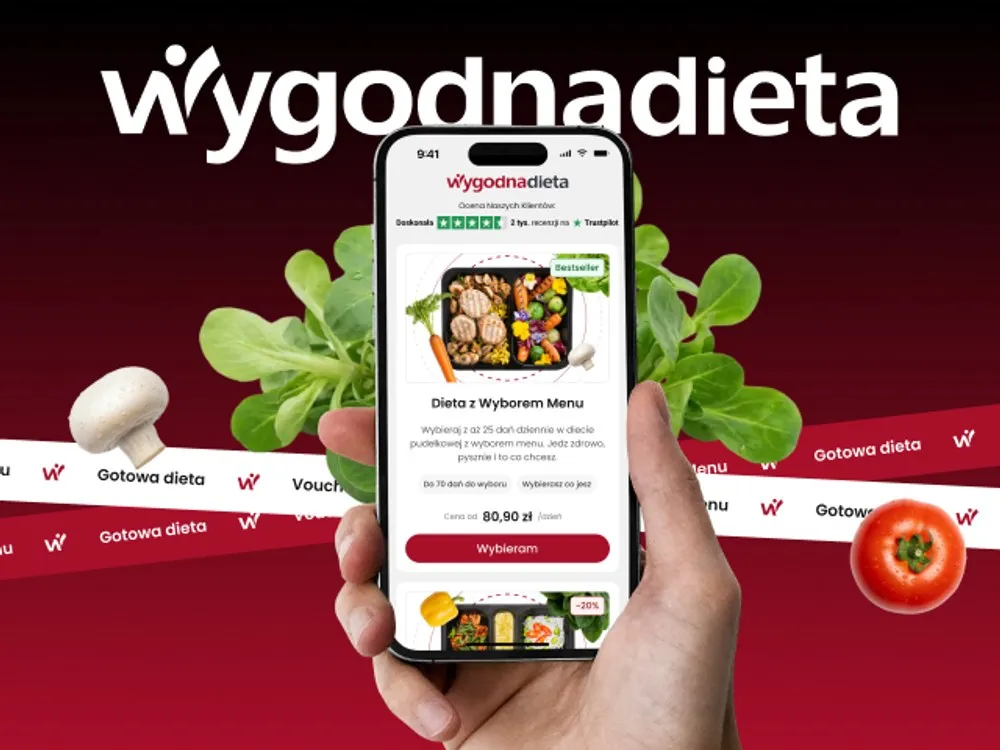
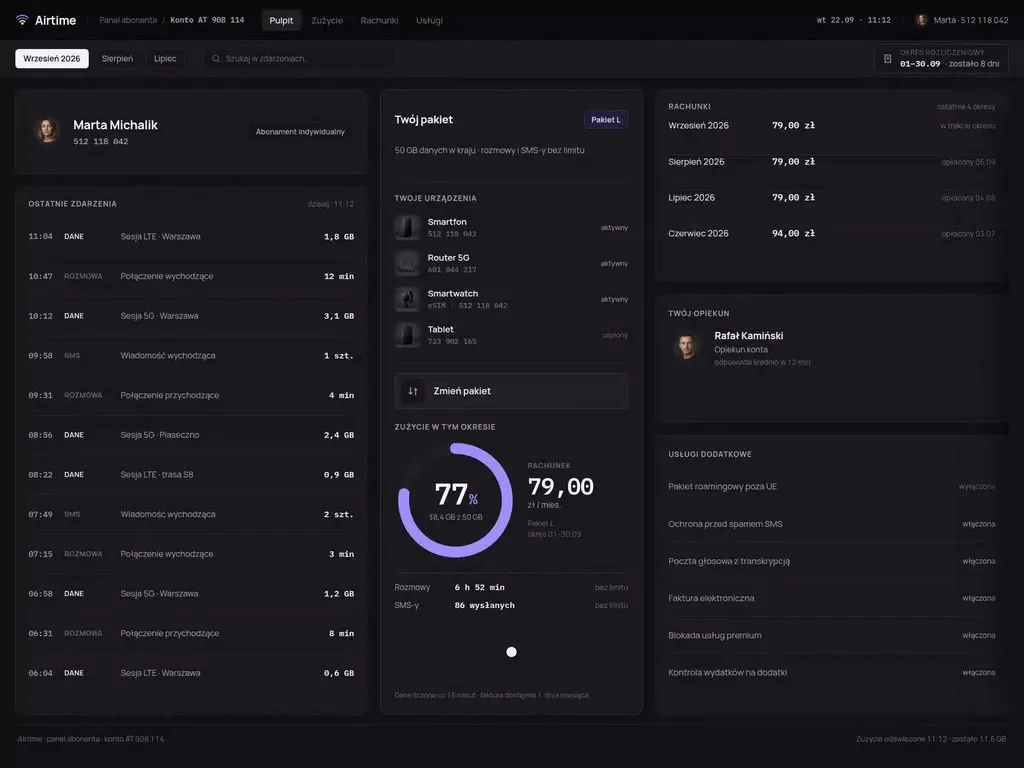
WygodnaDieta - App and online store for a meal-box diet service
-
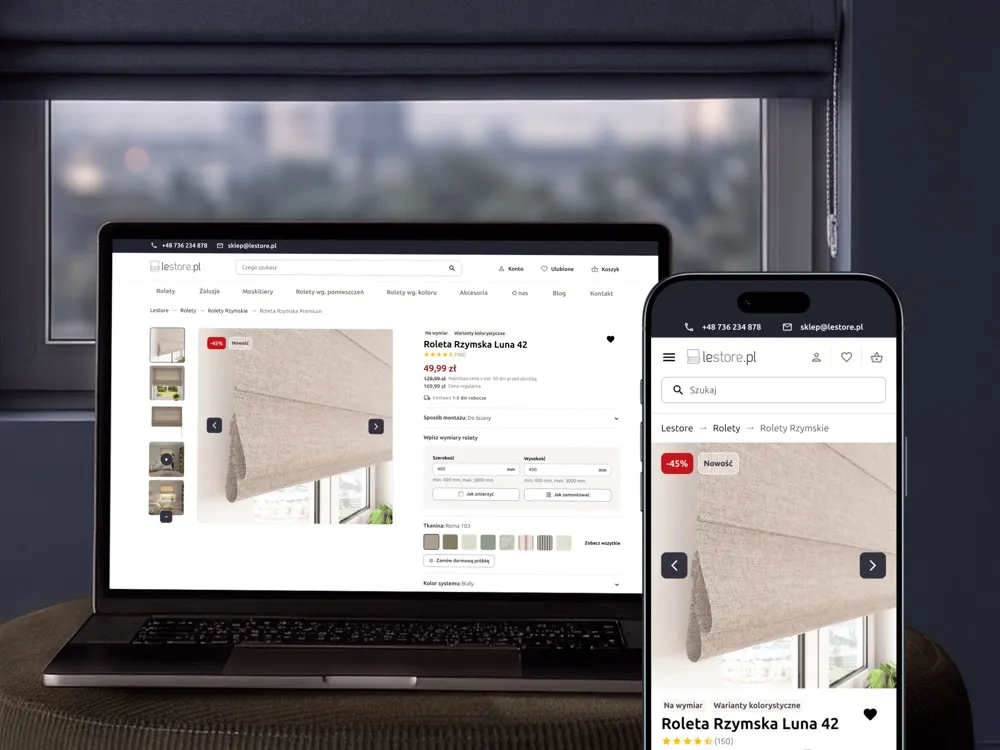
Lestore - Online store for blinds and shades
-
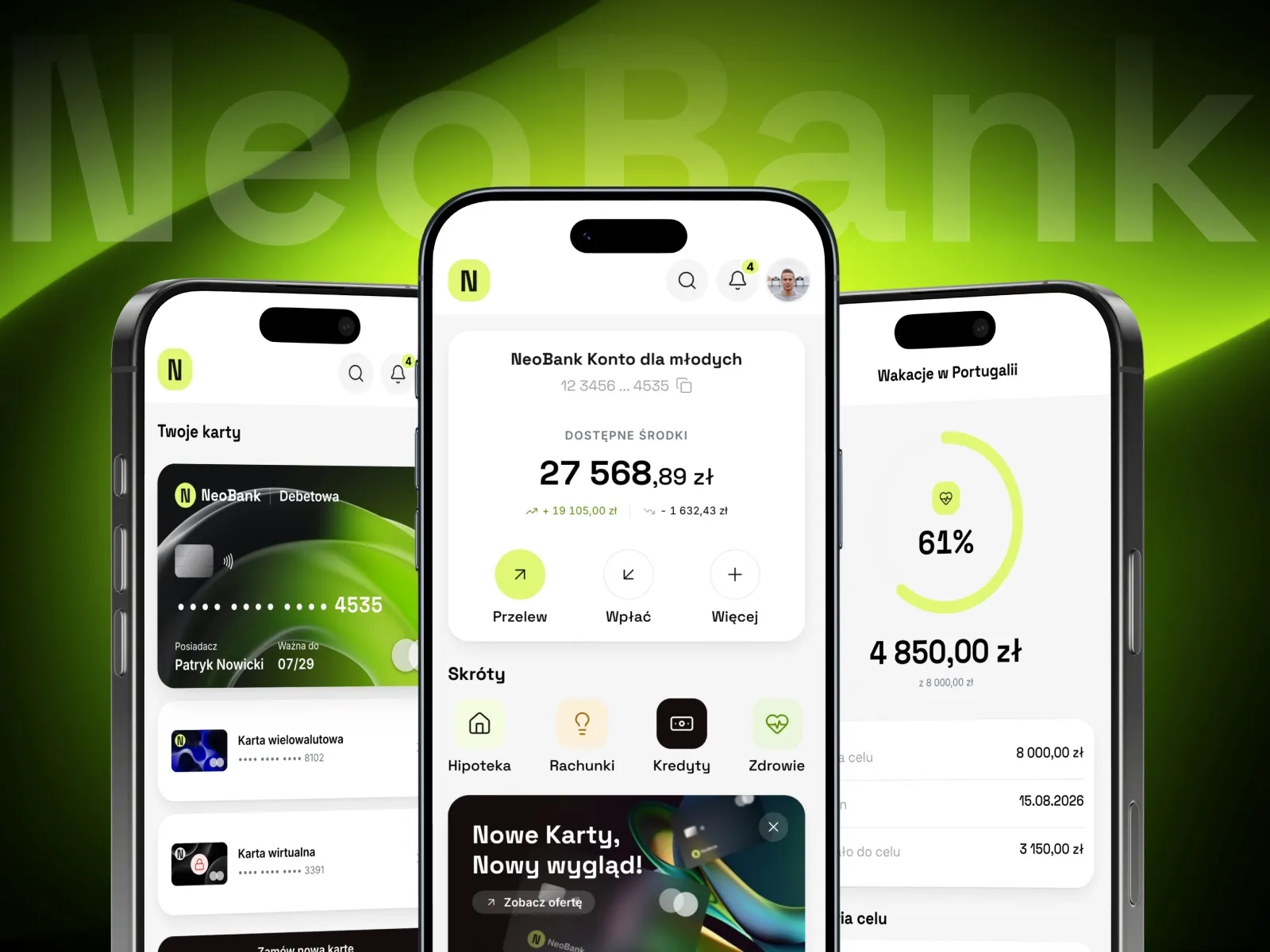
NeoBank - A banking app concept for young customers
-
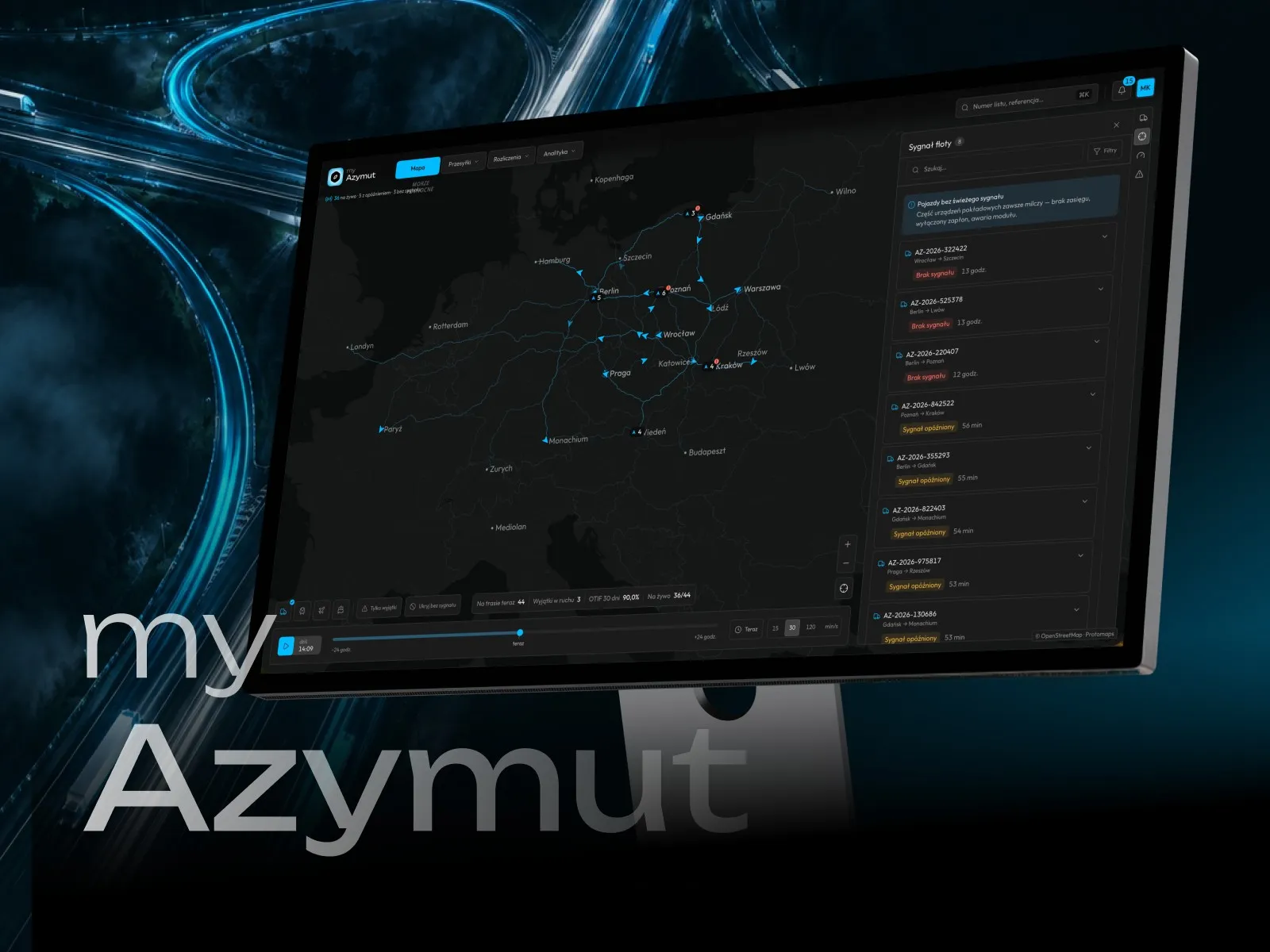
myAzymut - Client portal concept for a freight carrier
-
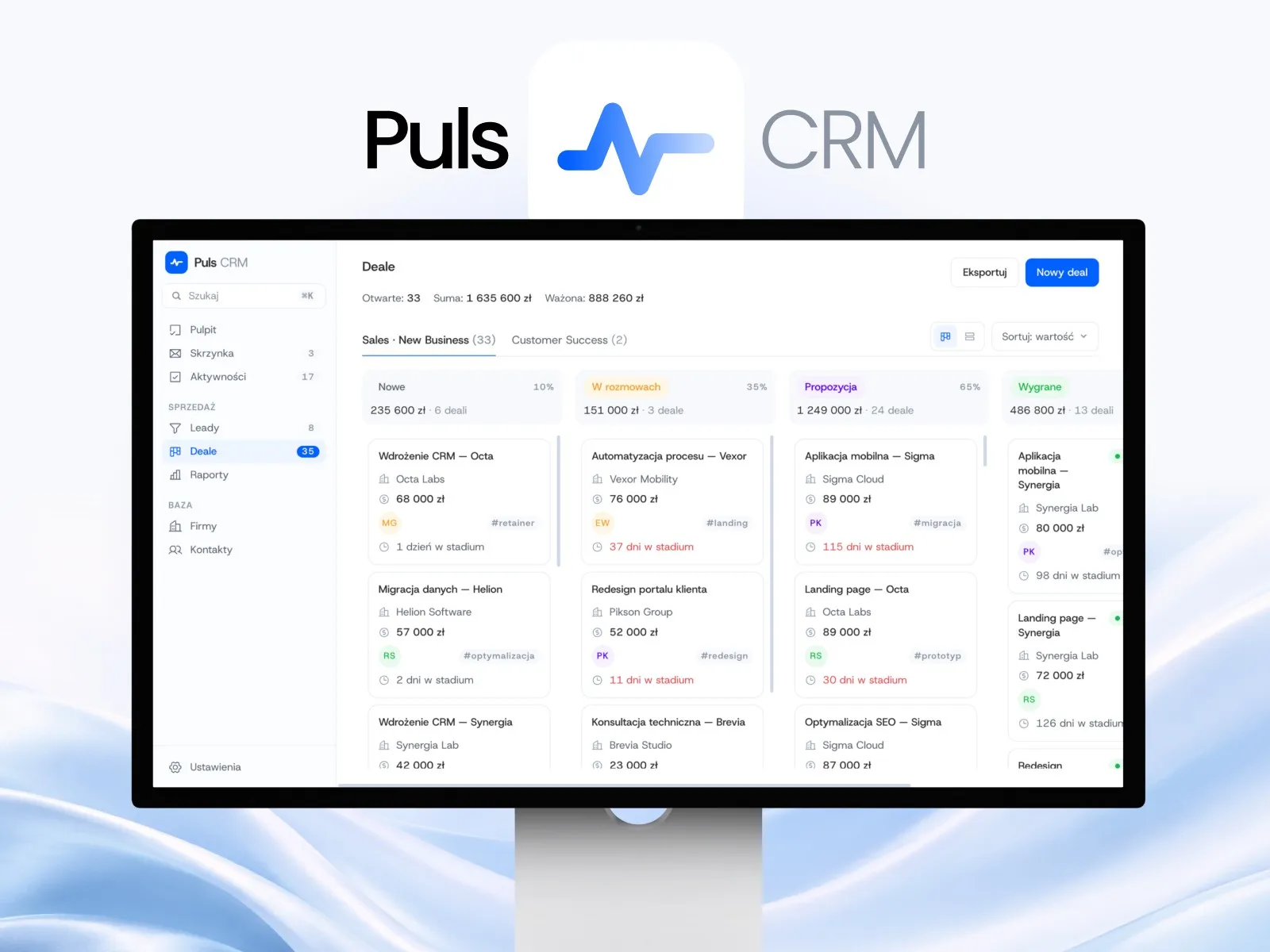
Puls CRM - CRM app concept for a sales team
-
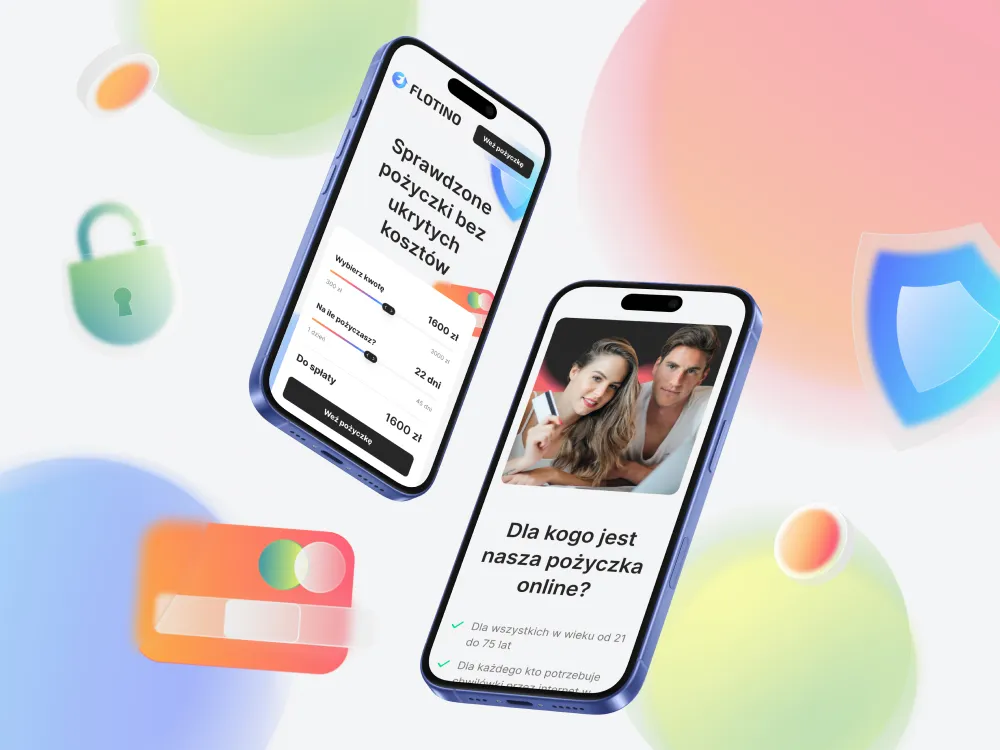
Flotino - Online cash loan service
-
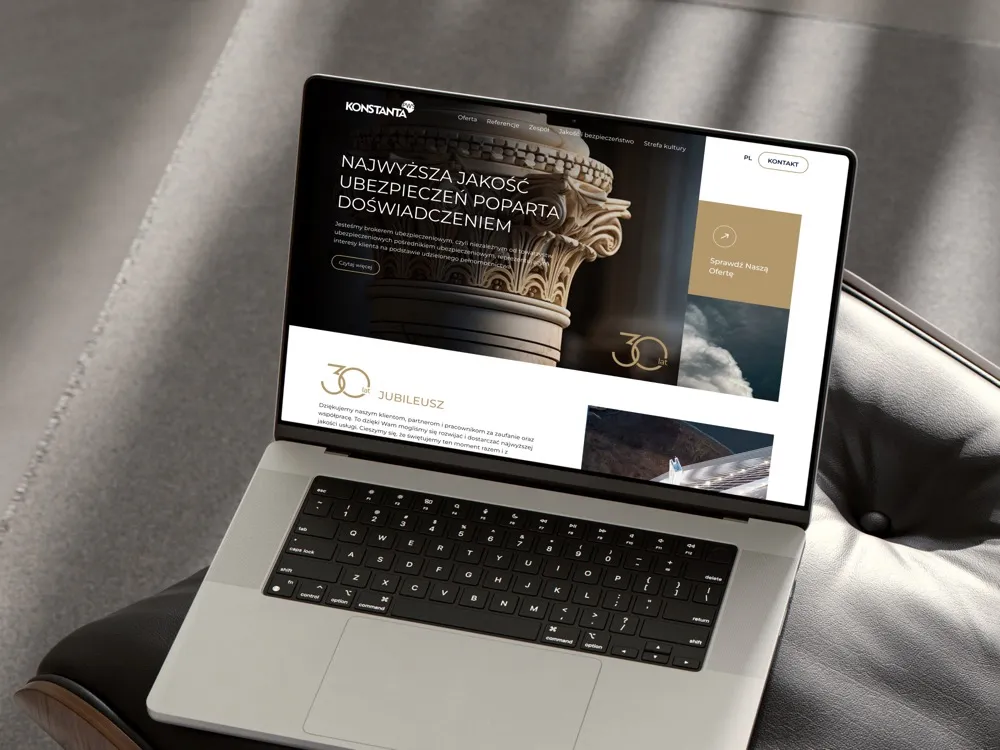
PWS Konstanta - Website for an insurance broker
-
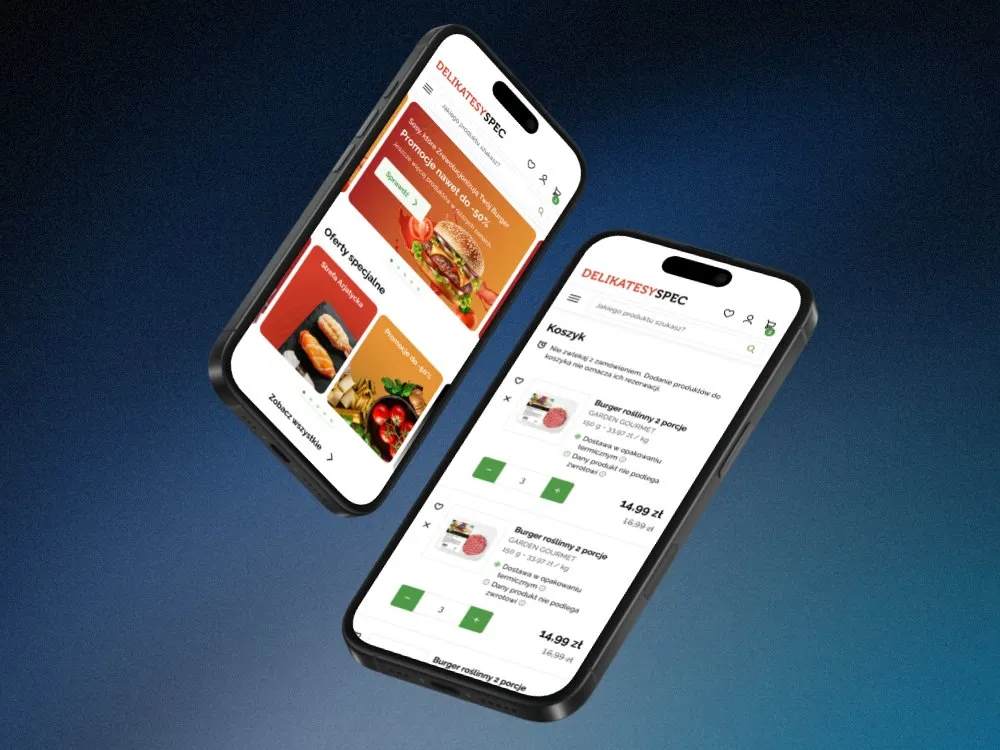
SPEC Food - Online store for a food delicatessen
-
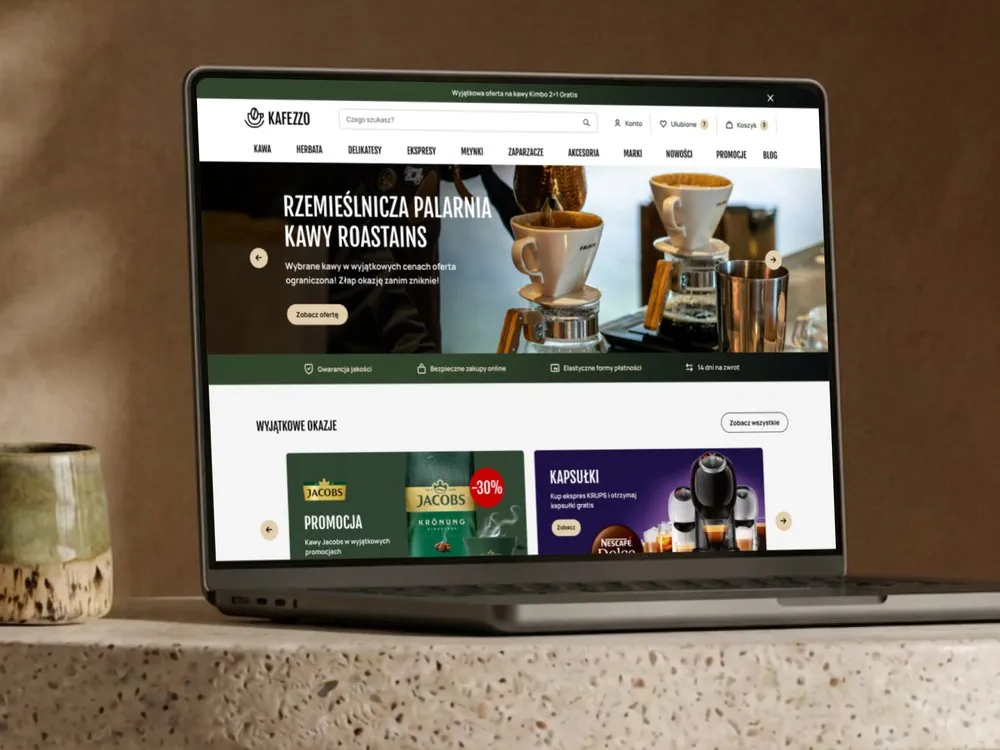
Kafezzo - Online store for coffee and tea
-
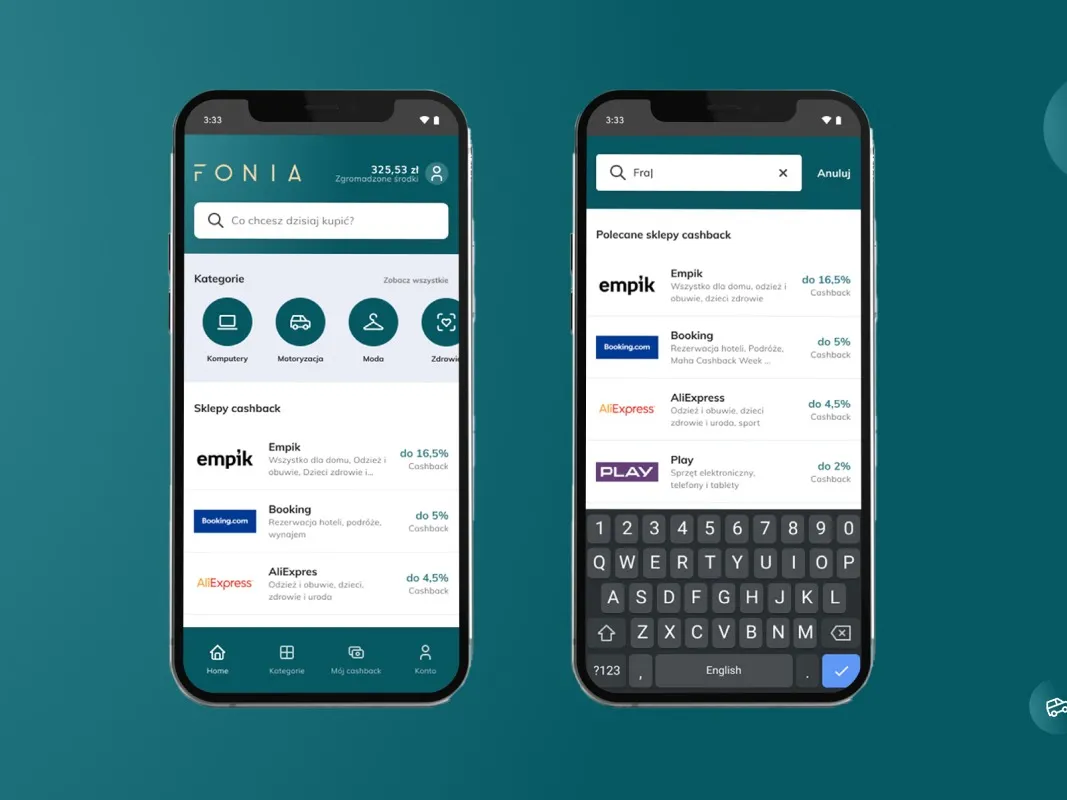
Fonia - A cashback app for online shoppers
-
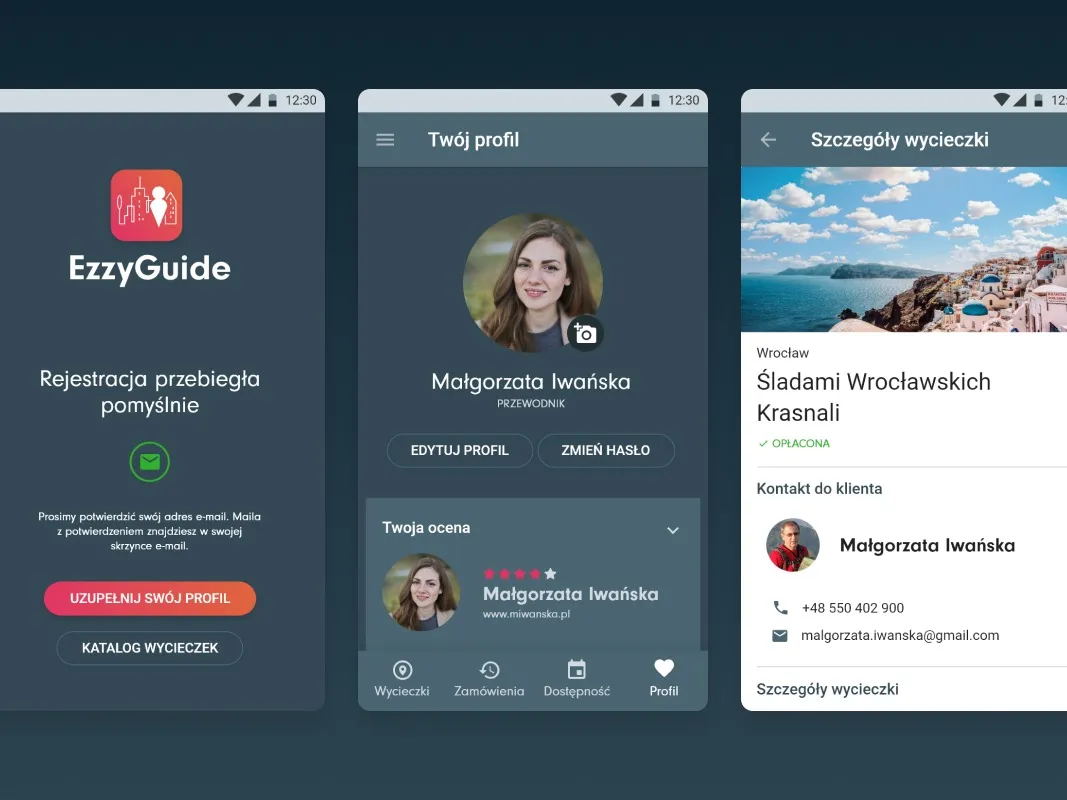
EzzyGuide - A tours app connecting guides with travellers
-
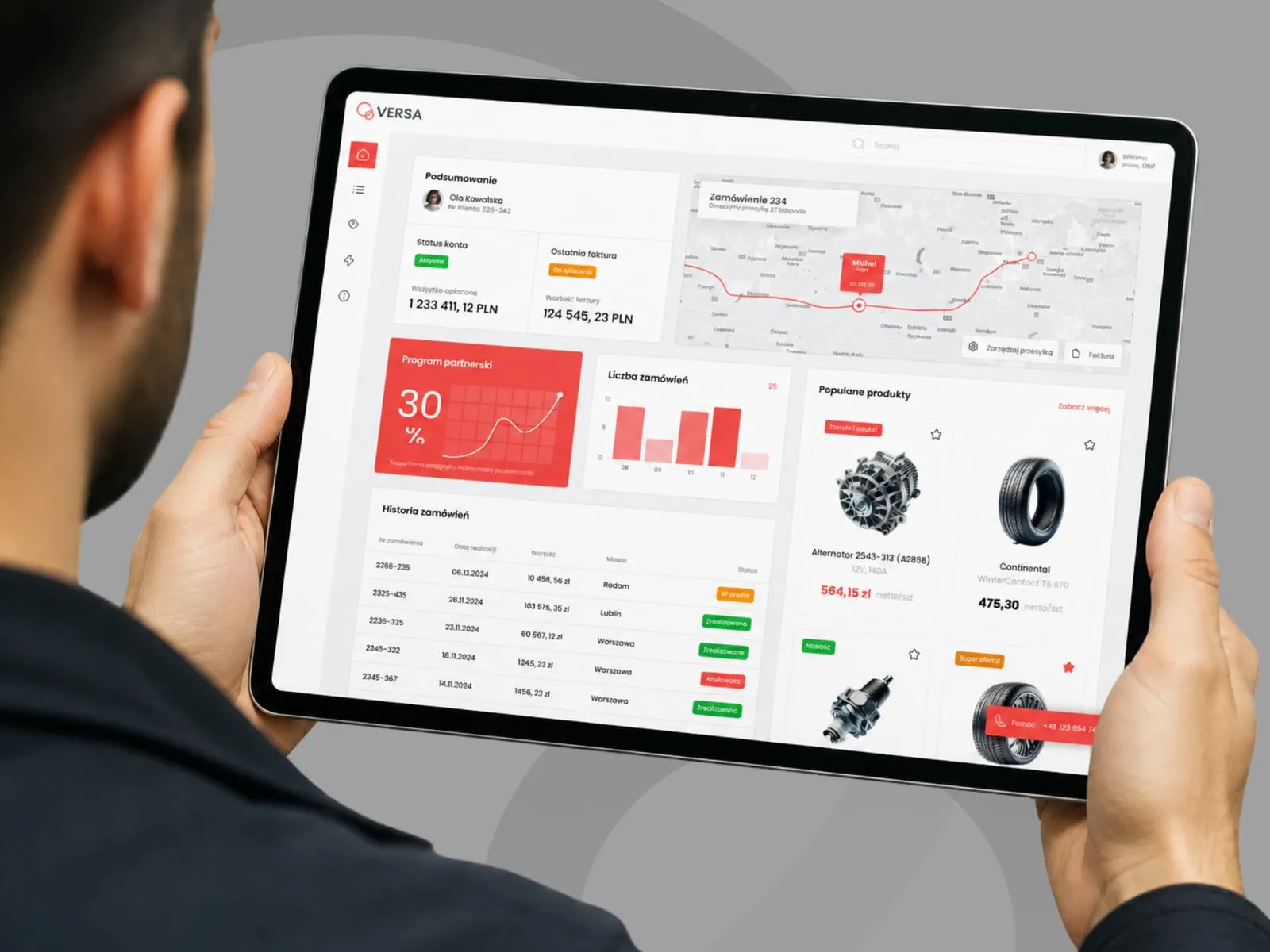
VERSA - B2B panel concept for a parts distributor
-
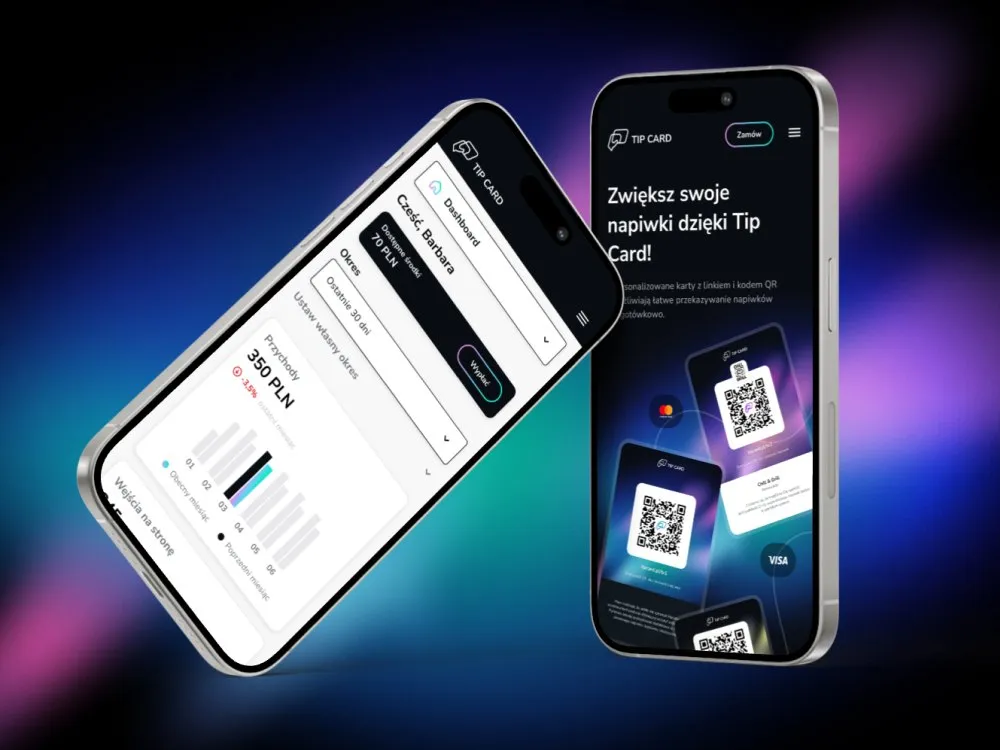
Tip Card - Cashless tipping platform
-
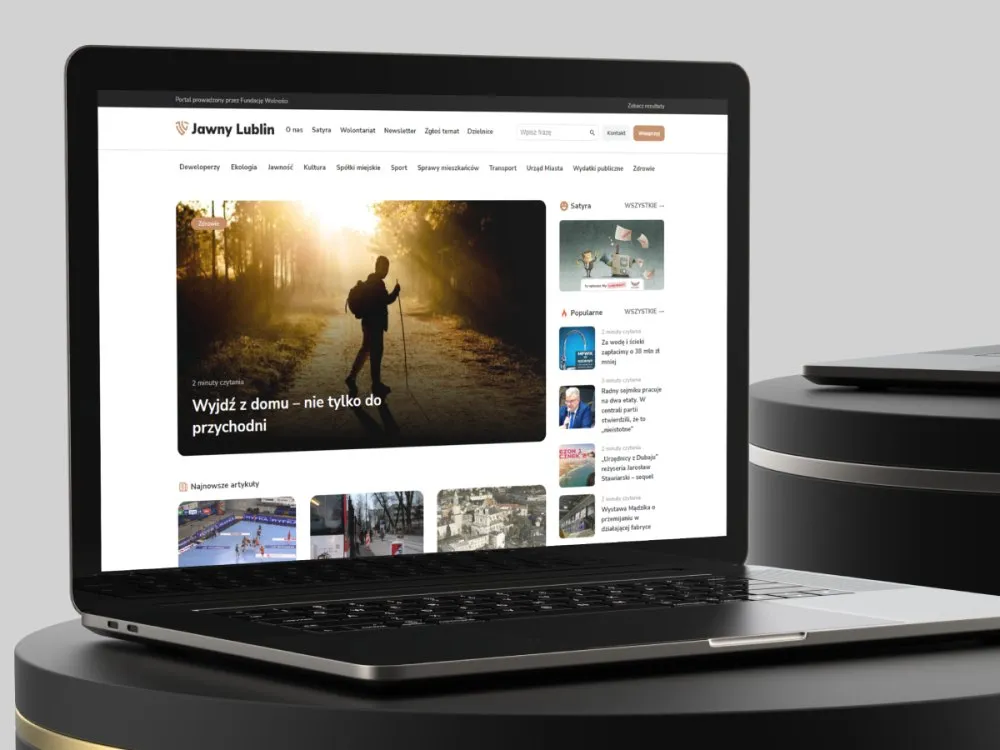
Jawny Lublin - A watchdog portal on city transparency
-
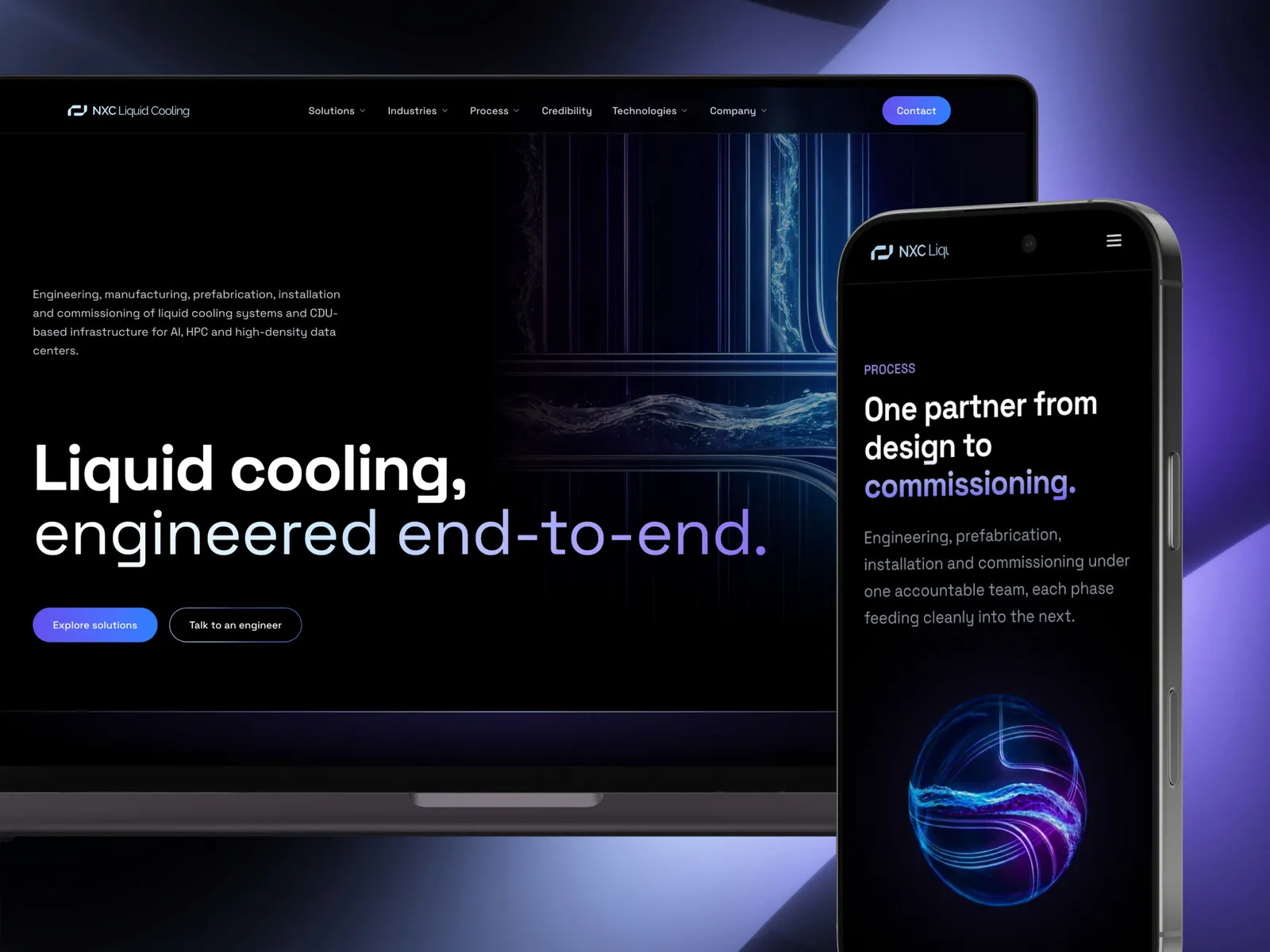
NXC Liquid Cooling - A liquid cooling systems website
-
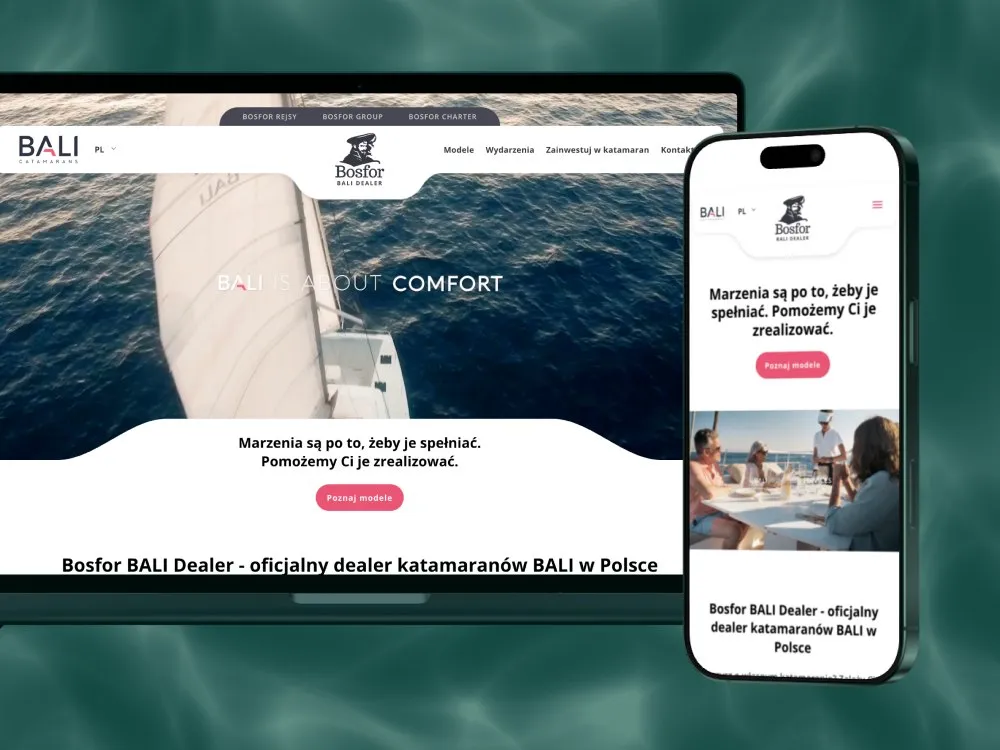
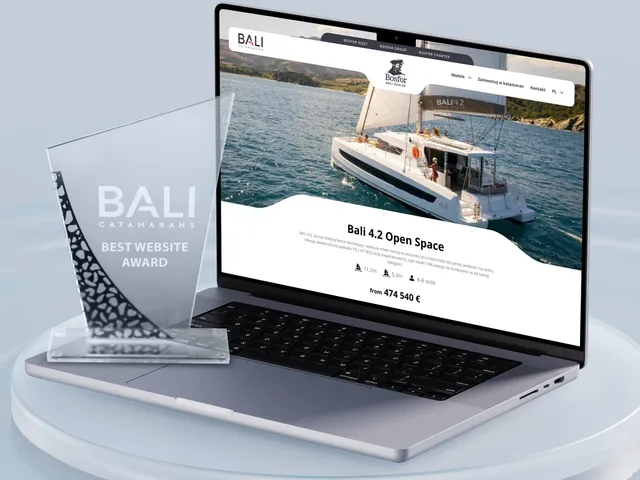
Bosfor BALI Dealer - Website for a BALI catamaran dealer
-
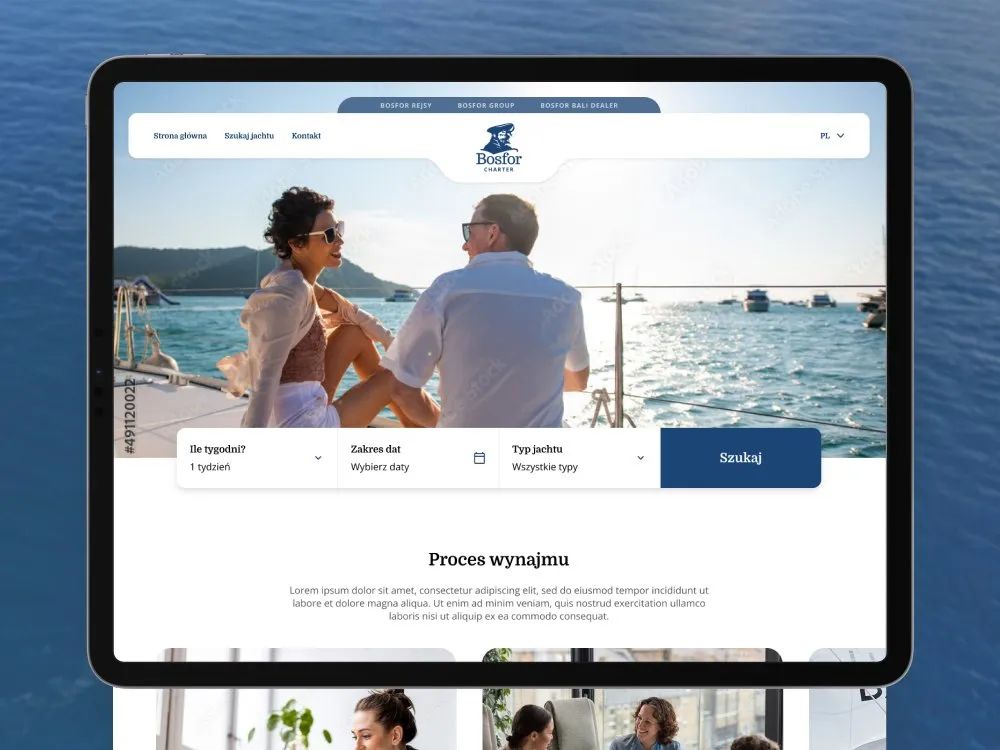
Bosfor Charter - Yacht charter platform with booking
-
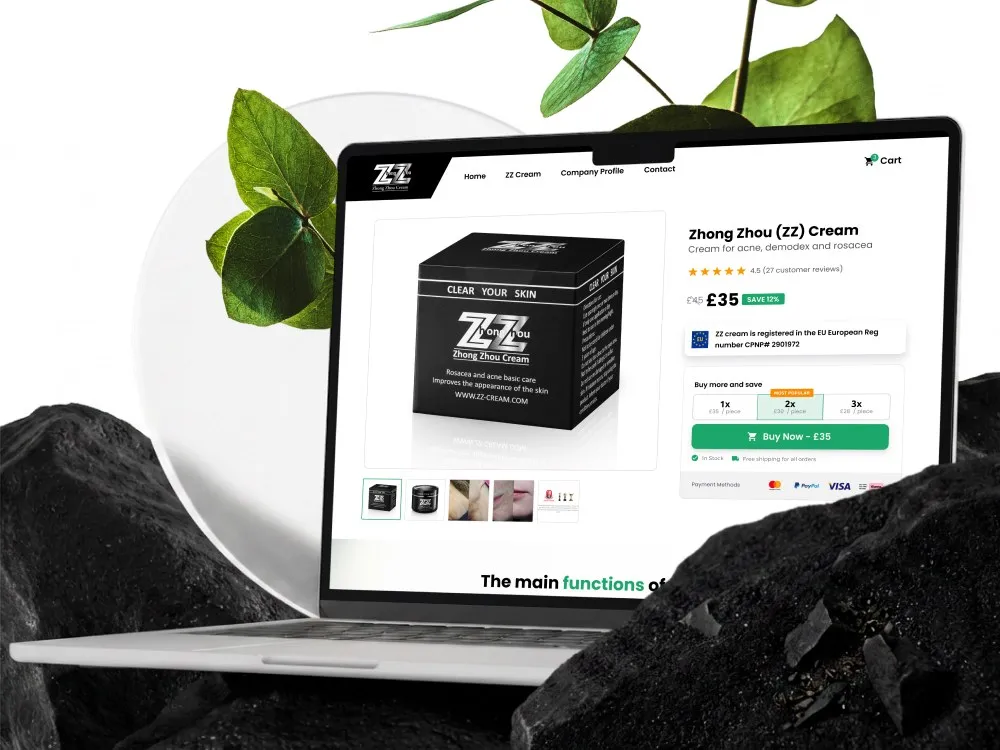
ZhongZhou - Online store for an acne, demodex and rosacea cream
-
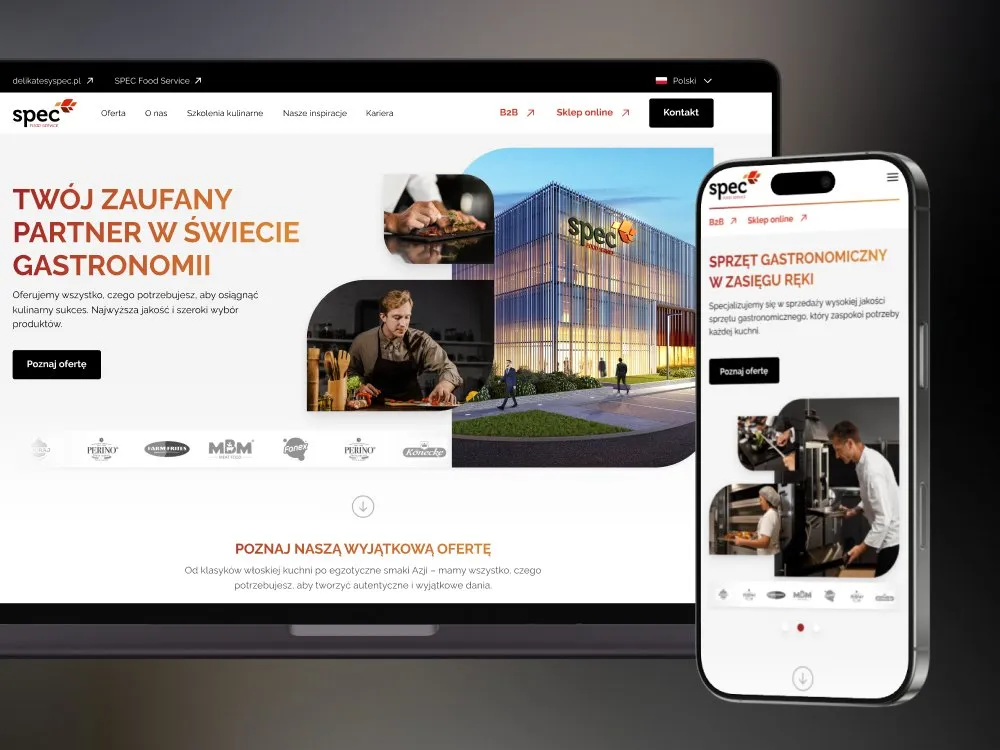
SPEC Food - Website for gastronomy - SPEC Food Service
-
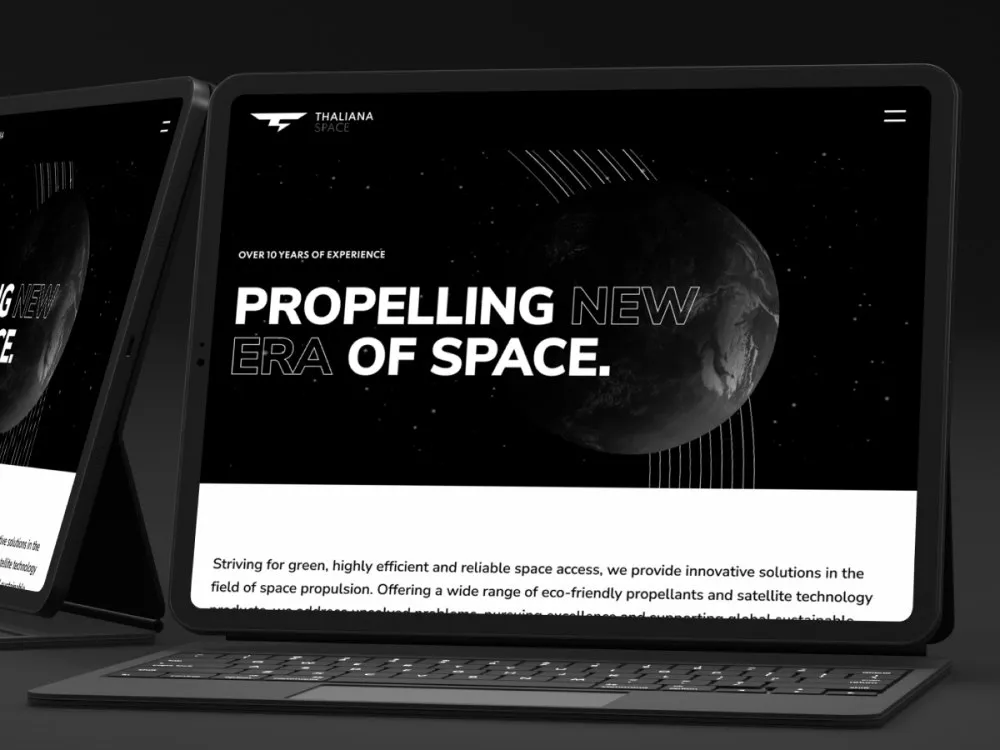
Thaliana Space - Website for a space-propulsion company
-
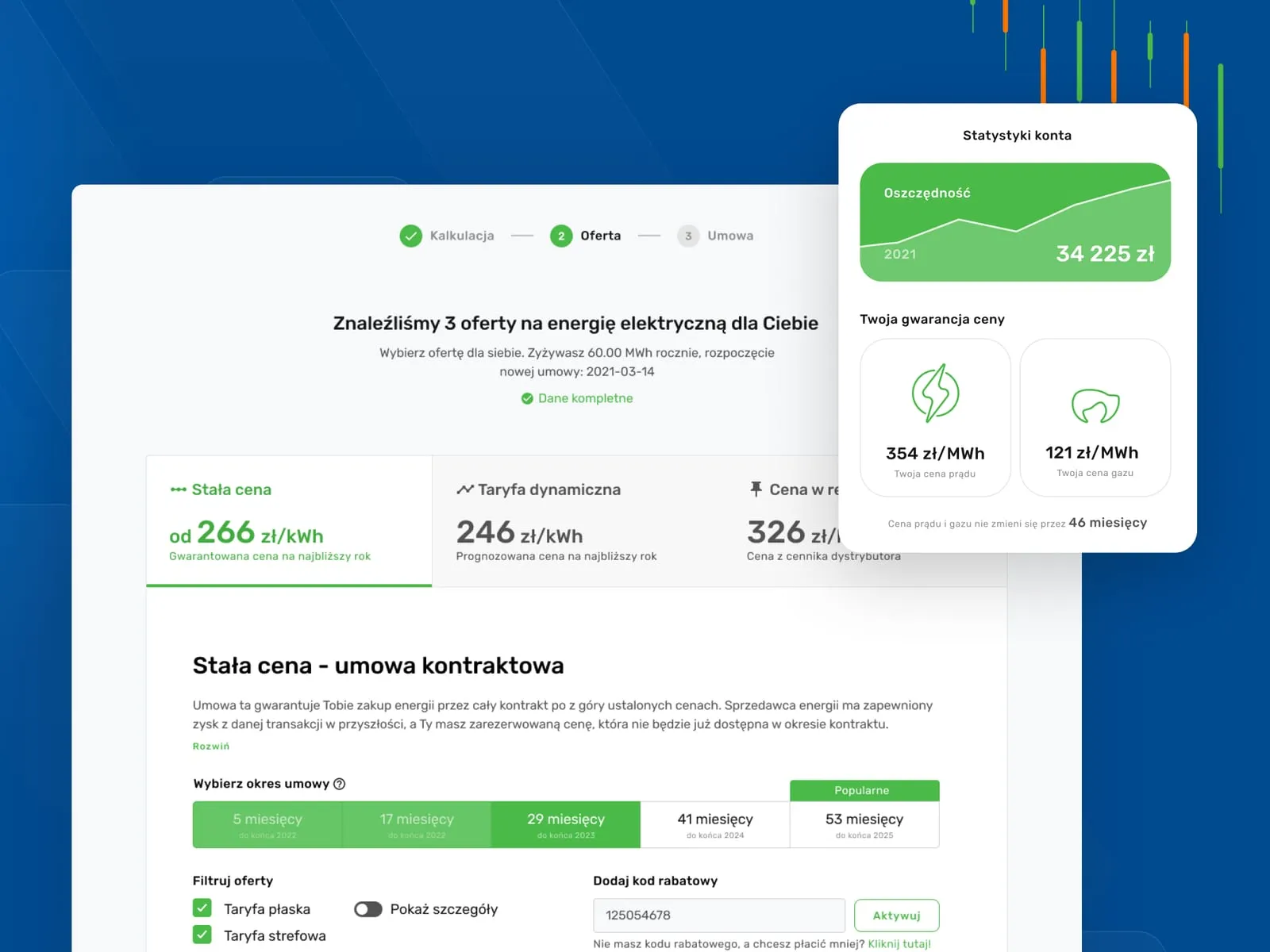
Wolumen - Energy and gas price comparison for businesses
-
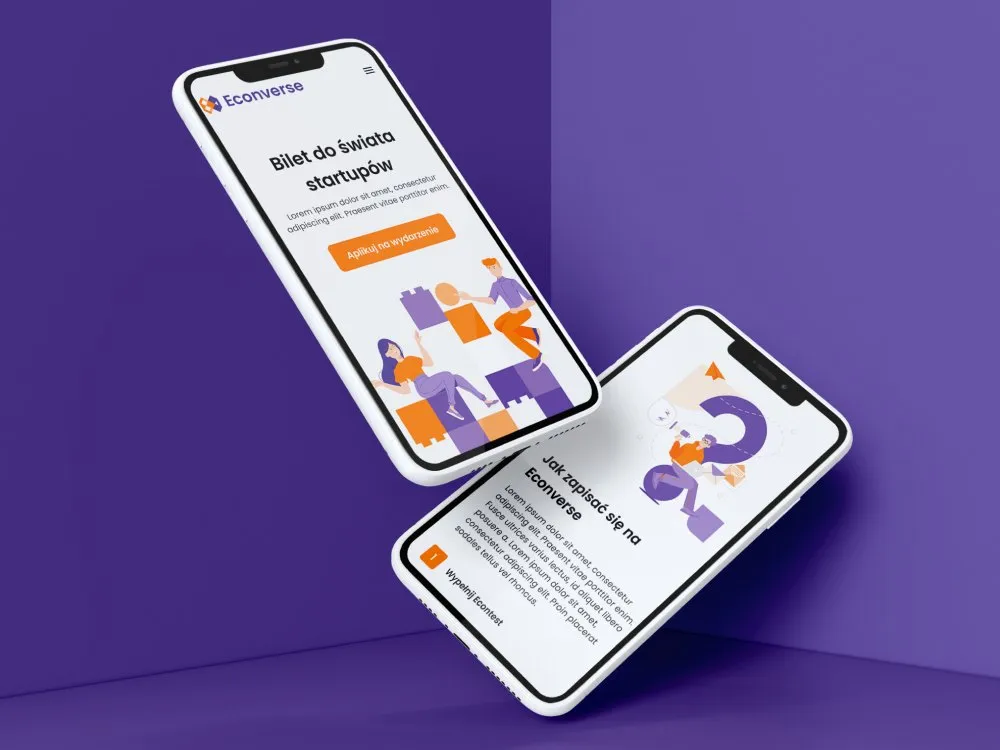
Econverse - Website for a start-up event
-
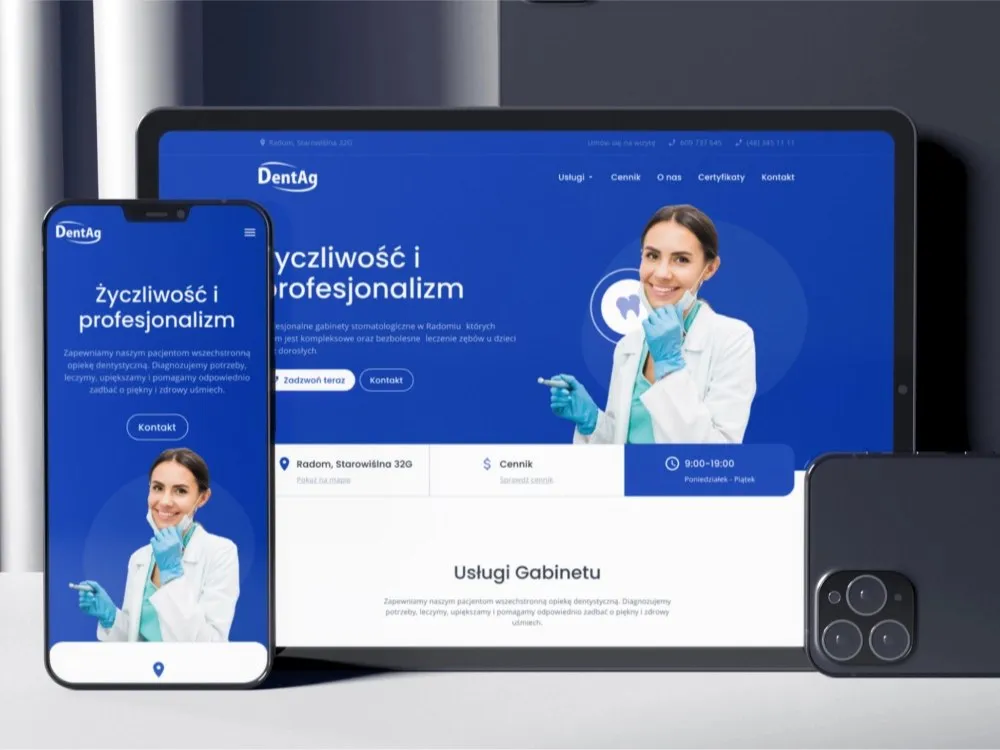
DentAg - Website for a dental clinic in Radom
-
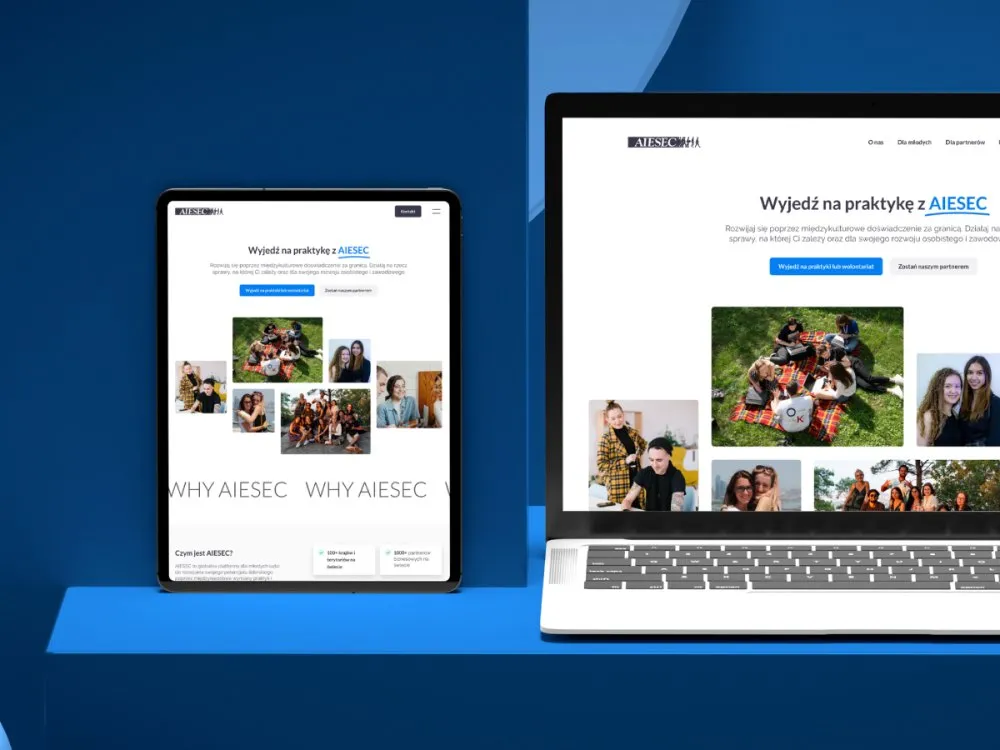
AIESEC - Website for internships and volunteering abroad
Outcomes
What is known about the audit before you order it
-
10 days
From the brief to the report and the debrief meeting in the standard scope - a wider scope moves the deadline towards fourteen days
-
2
Auditors review the product separately and we compare observations only at the end, so an issue flagged by both is a strong signal
-
WCAG AA
Accessibility at version 2.2 is checked in every audit at no separate charge, in the same priority matrix as the rest of the findings
-
101
Published projects in the portfolio - you can go through them before the call and judge for yourself what products we work on
The deadlines and the way we work come from the schedule and the scope described above on this page, the accessibility level from the list of standards we apply. The project count is our public portfolio in the Projects section, verifiable without contacting us. We do not publish sales results after recommendations are implemented - part of that work is covered by an NDA, and we go through specific implementations by name during a consultation.
Client voices
What our clients say
-
„Working with the Wzór team was a genuinely great experience! They always answered our questions quickly and were flexible about our comments. They have no shortage of creative ideas and are at the same time thoroughly reliable and on time. The end result fully met our expectations; we recommend them to anyone looking for professionals who care.”
 Maja Wieloch-Silecka Operations Director, Bosfor Group
 -
„Our clients expect us to act fast and effectively across a very wide scope - from building a brand, through a website with a store, to running an effective sales campaign. Not an easy task, but doable when you have a tight-knit team and partners who take on challenges on the fly. For us, quality, accountability and commitment are key, and working with UX Agency Wzór gives us that 100%.”
 Piotr Alberski Chief Operating Officer, Agencja XO Media
 -
„Our cooperation with UX Agency Wzór started with our own website. We really liked the way they work, so we decided to subcontract projects for our clients to them on a White Label basis. We loved their workflow, the way they hand projects over to our team, their documentation and their work on the design system. Now we can take on bigger risks.”
 Mateusz Swół Chief Operating Officer, Sellace



The team
Who reviews your product
The audit is run by two senior specialists from this team - you know upfront who looks at the product and who puts their name on the recommendations.
-

Aleksandra Bondar
Senior UX/UI Designer
-

Katarzyna Adamczuk
Prezes, Analityk Biznesowy
-

Patryk Korycki
CEO, Analityk Biznesowy
-

Tadeusz Wadas
Senior UX/UI Designer
Time and scope
How long it takes and what drives the quote
10–14 working days
Ten days is the standard scope - one product, the key paths, desktop and mobile. A wider scope, for example an admin panel alongside the customer panel or a native app alongside the web, moves the deadline towards fourteen days.
-
The number of paths and platforms in scope
-
The roles and account types the product serves
-
Language versions and markets
-
Access to analytics, session recordings and earlier research
-
How deep the accessibility check goes - a WCAG review or a full conformance audit
FAQ
Questions that come up most often
Does an audit replace user research?
No. An expert audit catches issues against heuristics and good practice - roughly 80% of typical errors. The remaining 20% (specific to your audience) require interviews or moderated tests. We often recommend an audit as the first step and research to dig into selected hypotheses.
Can I commission an audit of just part of the product?
Yes. We do scoped audits - e.g. just the checkout process, just onboarding, just the admin panel. In the brief we set the boundaries - what we audit and what we leave alone. The price scales with scope.
Who will audit our product?
Two senior UX people from our team, cross-checking. Not one specialist plus a junior helper - two equal auditors who then compare observations. This eliminates any single person’s bias and signals that an issue is real when both flag it.
What exactly is in the report?
An executive summary for leadership (2 pages), a full list of issues with P0/P1/P2 priorities, annotated screenshots, concrete recommendations (not "improve the UX" - instead "reorder these 3 form fields, because the user currently adds the company before the product"). Plus an Airtable database to track implementation.
Do you offer to implement the recommendations?
Yes - but as a separate service. The audit is independent. You can implement the recommendations internally, hand them to your agency, or commission us. We do not tailor the audit as an upsell to design - the report has value on its own.
What are the next steps after the report?
It depends on the outcome. Typically: (1) you implement the P0s internally in the next sprint, (2) we design new mockups for the P1s, (3) the P2s go to the backlog for Q3/Q4. 3 months after the P0 implementation we run a follow-up - checking which recommendations moved the metrics.
Related services