

Product Strategy
A product strategy with concrete KPIs, a North Star Metric, a 6-24 month roadmap and a value proposition. Strategic decisions grounded in data, not just sticky-note workshops.
We have worked with leading companies and startups









Challenges
Three moments when strategy pays off most
Not sure strategy is the right step now? Book a call - in 30 minutes we will tell you whether you need strategy or rather tactics (an audit or redesign).
-
„A seed/A founder needs a strategic brief for VCs”
You have funding and the skills, but lack a coherent narrative of "where we are going in 12-24 months". Strategy with a roadmap and OKRs becomes defensible documentation for follow-up investor conversations.
-
„A CPO/PO is fighting for a project budget in the investment committee”
You need to show leadership in black and white: where we are going, how we measure success, which initiatives and why. Strategy with concrete OKRs and a North Star Metric is that documentation.
-
„A scale-up in growth - no single narrative in the team”
Every team pulls the product in its own direction. A strategy worked out together with founders, CPO and PMs plus a cascade session to the rest of the organisation aligns everyone on the same direction.
Who it is for
Who this strategy is for
-
SaaS teams with a backlog bigger than the team's capacity
There are several hundred items in the backlog, each with its own advocate and each described as urgent. A strategy gives you a criterion for choosing - one overarching metric and a set of goals against which you can say "not now" and justify it with something other than a lack of time.
-
A new CPO or head of product taking over a product
You are taking over a product built over years by people who have since left the company, and nobody can reconstruct why it looks the way it does. We establish the starting point in writing - what the product does today, for whom and how it is measured - before you change anything in it.
-
Software houses and vendors building a product to order
The client arrives with a feature list instead of a goal, and you are accountable for an outcome that list does not guarantee. We step in as a third party and translate their list into goals and a sequence that can be signed off before development starts.
-
Companies with several products in one portfolio
Every module has its own roadmap, its own owner and its own definition of success, while the budget is planned for all of them at once, once a year. We put that into one structure of goals that shows which product serves which outcome and where the scopes overlap.
Our difference
What makes our strategy different
-
A roadmap calculated from the team's capacity
We set every initiative against how many people can actually work on it and for how many weeks, so a quarter never receives more items than the team can build. A roadmap nobody delivers on stops being a decision-making tool by the second quarter.
-
Assumptions written down together with what would disprove them
For every assumption the strategy rests on, we note the result that would mean it is wrong - a specific value in the analytics or a specific answer from a client conversation. Revising the direction then no longer depends on who is brave enough to propose it first.
-
Information architecture is part of the strategy
The navigation tree, the split into modules and the naming are created alongside the goals, not after them in a separate project. As a result, the decision to "add this area" immediately has its place in the product structure instead of landing as one more menu item.
-
We record decisions together with the options we rejected
The document holds not only the chosen direction, but also the ones we considered and the reason for dropping each. When someone brings the same idea back to the committee six months later, the conversation starts from the recorded reasoning rather than from scratch.
Process
2-4 weeks from brief to an implemented strategy
- Day 1–5
Strategic interviews
Sessions with the founder, CPO, key PMs and optionally clients (3-5 interviews). We gather business context, hypotheses and tensions in the team. With optional full user research when fresh data is missing.
- Day 6–10
Data and market analysis
We analyse existing product data (Mixpanel, Amplitude, GA), a competitive benchmark (3-7 brands), industry trends. Plus desk-research market sizing when the strategy concerns entering a new market.
- Day 11–13
Strategy workshops
A 1-2 day session with the product team + leadership. We work out the Value Proposition Canvas, North Star Metric, quarterly OKRs, mapping initiatives to priorities (Now/Next/Later).
- Day 14–20
Documentation and synthesis
Writing up the full strategy documentation - VPC, positioning, roadmap, OKRs, a cascade plan. Format: PDF + an editable document in Notion / ProductPlan. Plus a presentation for leadership.
- Day 21–28
Cascade presentation
A session with leadership (60 min) + a cascade session to the rest of the team (90 min). Strategy is not meant to sit in a PDF - we implement it into the organisation so the team actually lives by it.
Deliverables
Three documents. Not an 80-page strategy for the drawer
-
North Star Metric + OKRs
One overarching product success metric (e.g. "active creators/month" for SaaS, "GMV/user" for a marketplace). Plus 3-5 OKRs per quarter with a measurement system and mapping to initiatives.
-
Product Roadmap 6-24 months
A visual roadmap with concrete initiatives per quarter, milestones, priorities (Now/Next/Later) and mapping to OKRs. Editable in Notion or ProductPlan.
-
Value Proposition + Positioning
A Value Proposition Canvas - a map of jobs-to-be-done, gains, pains. Plus a positioning statement, messaging framework, key differentiators vs competitors. Ready to plug into GTM and communications.
Toolkit
What we use
Sessions are run only by seniors with 10+ years of product strategy experience. Frameworks proven across 150+ projects, plus our own methodology for mapping initiatives to OKRs.

- Value Proposition Canvas (Osterwalder)
- Jobs-to-be-Done (Christensen)
- North Star Framework (Amplitude)
- OKRs (Doerr / Google)
- Now/Next/Later prioritisation
- Notion, Miro, ProductPlan, Mixpanel/Amplitude

Next step
Let us talk about your project
Tell us what you have to do. We will come back with scope and a quote.
Selected work
Projects from the areas we build strategy for
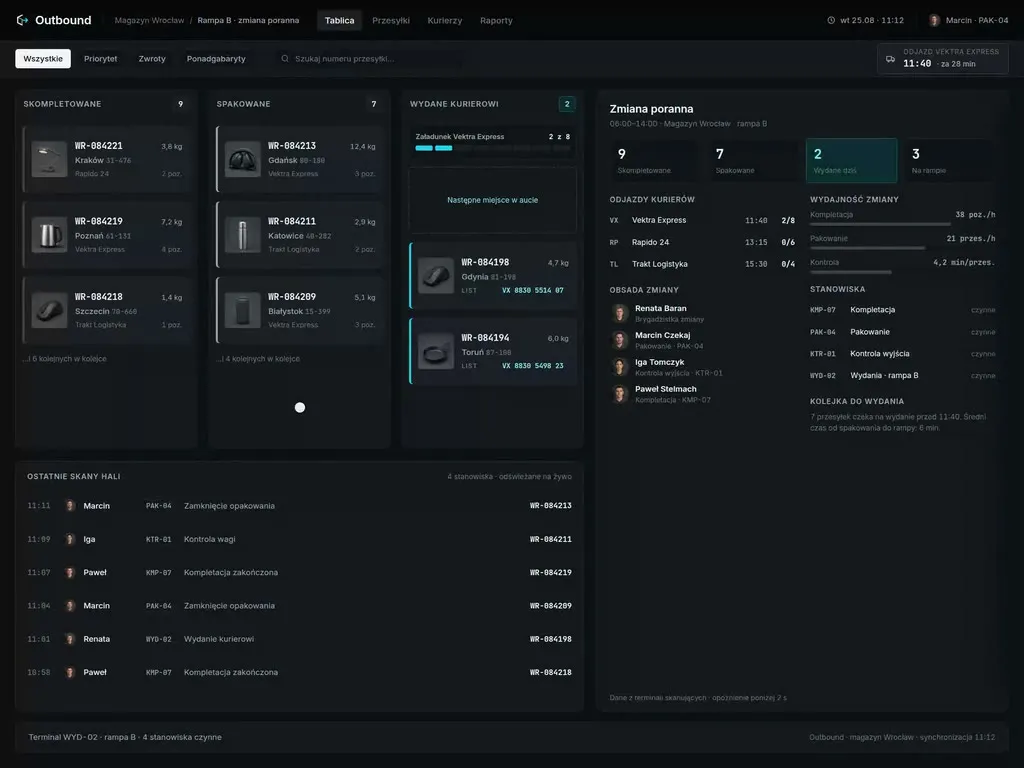
A selection from the product types we most often work on strategy for - web applications, B2B platforms and sales-driven sites. The strategy documents themselves we show during a consultation, as they are almost always covered by an NDA.
-
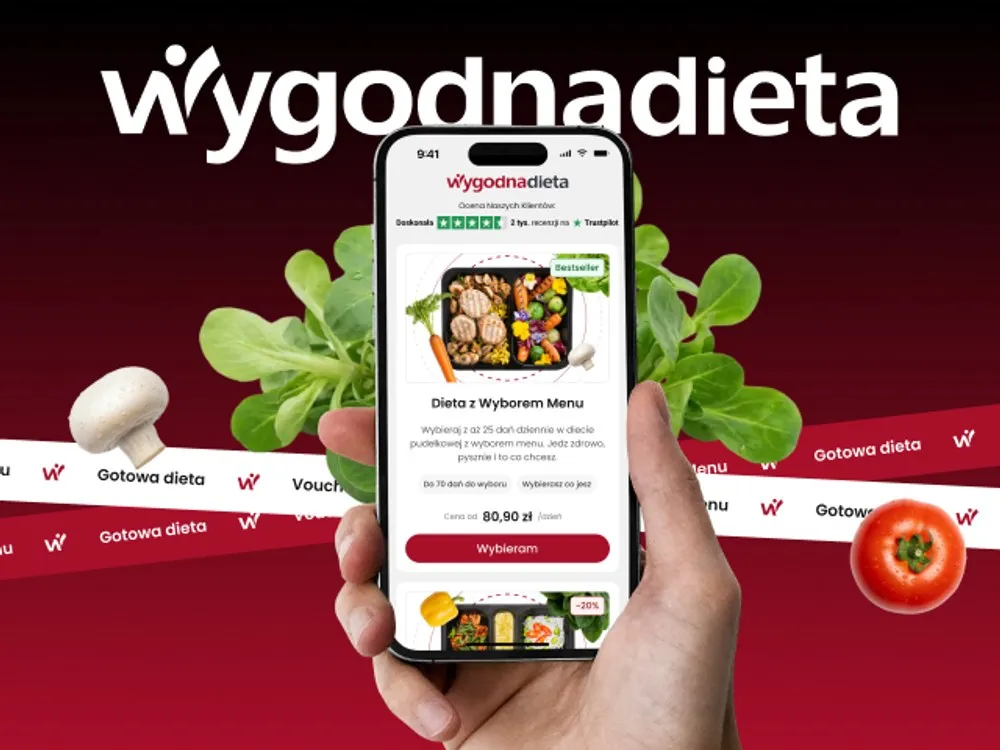
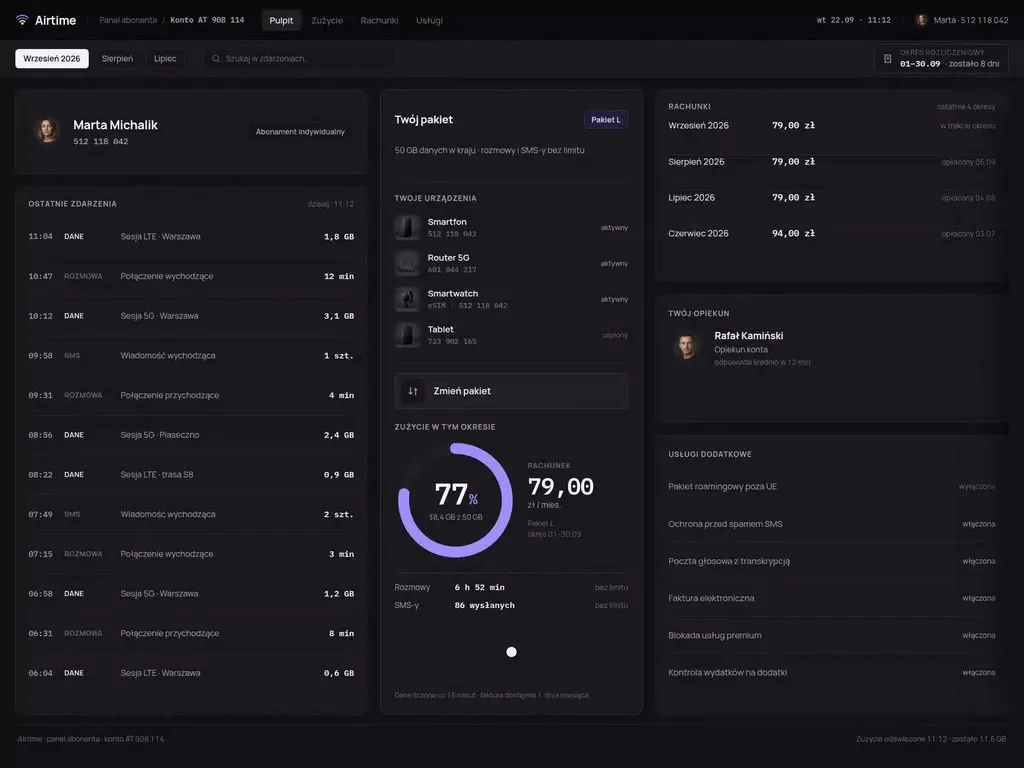
WygodnaDieta - App and online store for a meal-box diet service
-
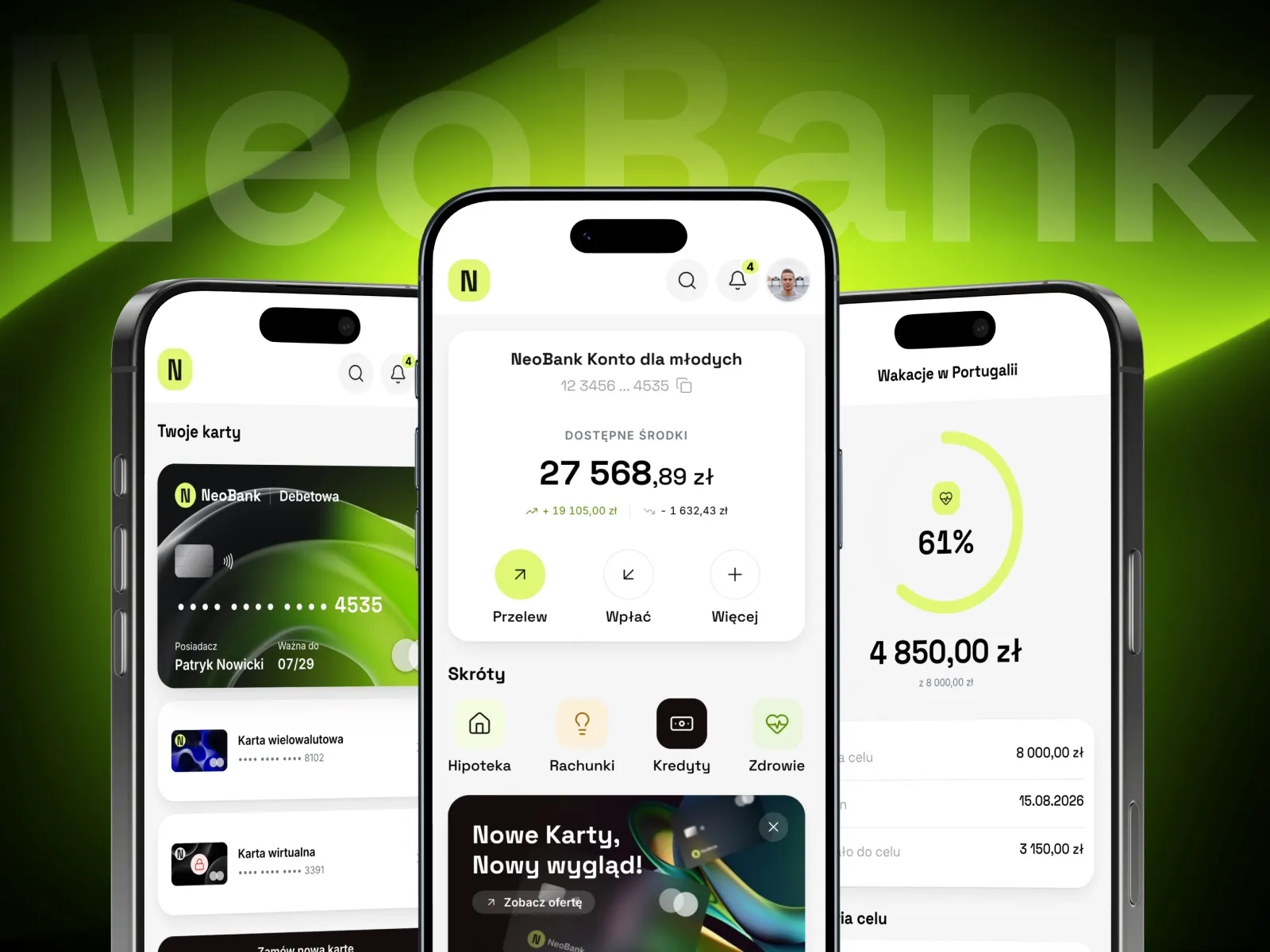
NeoBank - A banking app concept for young customers
-
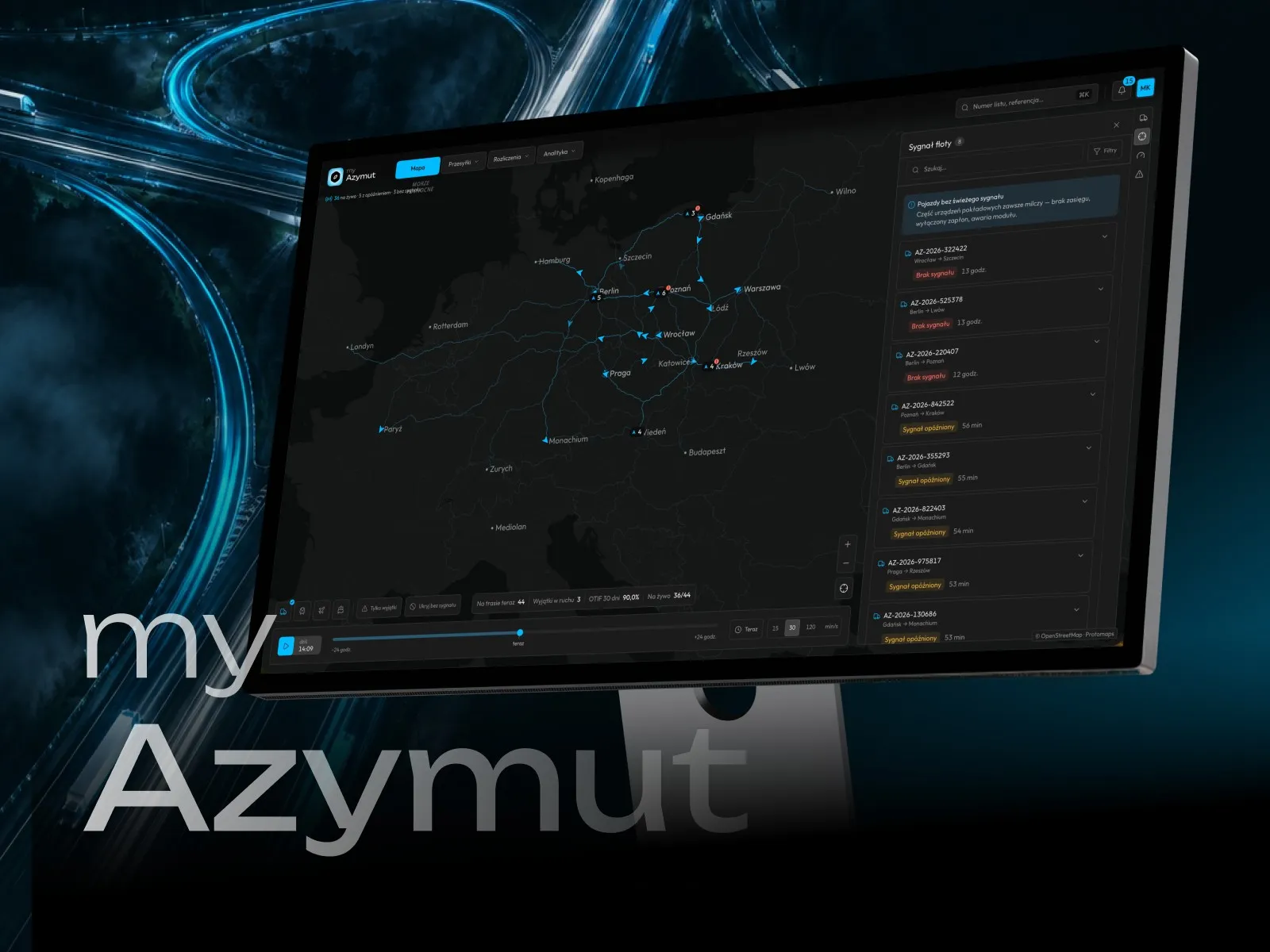
myAzymut - Client portal concept for a freight carrier
-
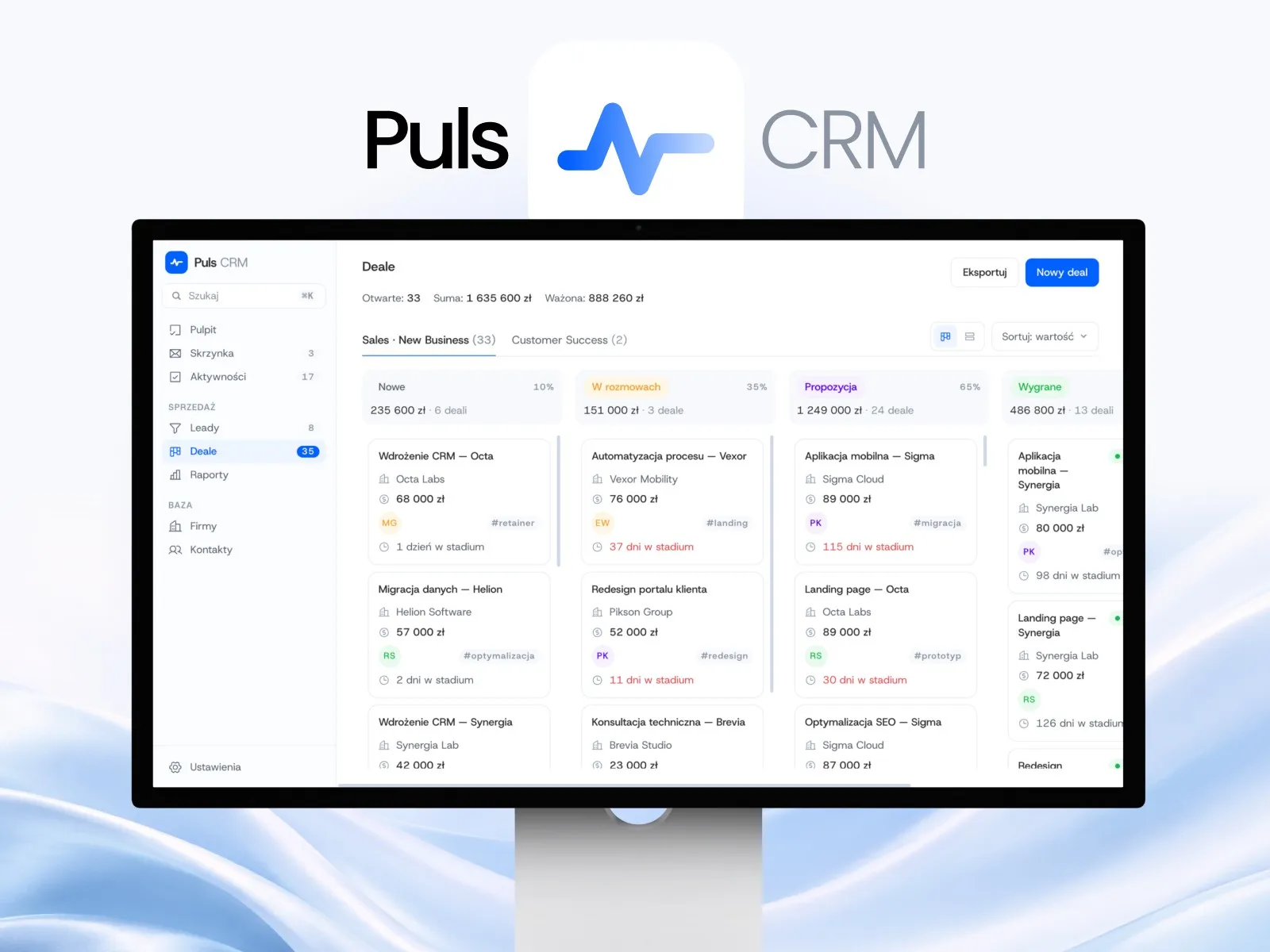
Puls CRM - CRM app concept for a sales team
-
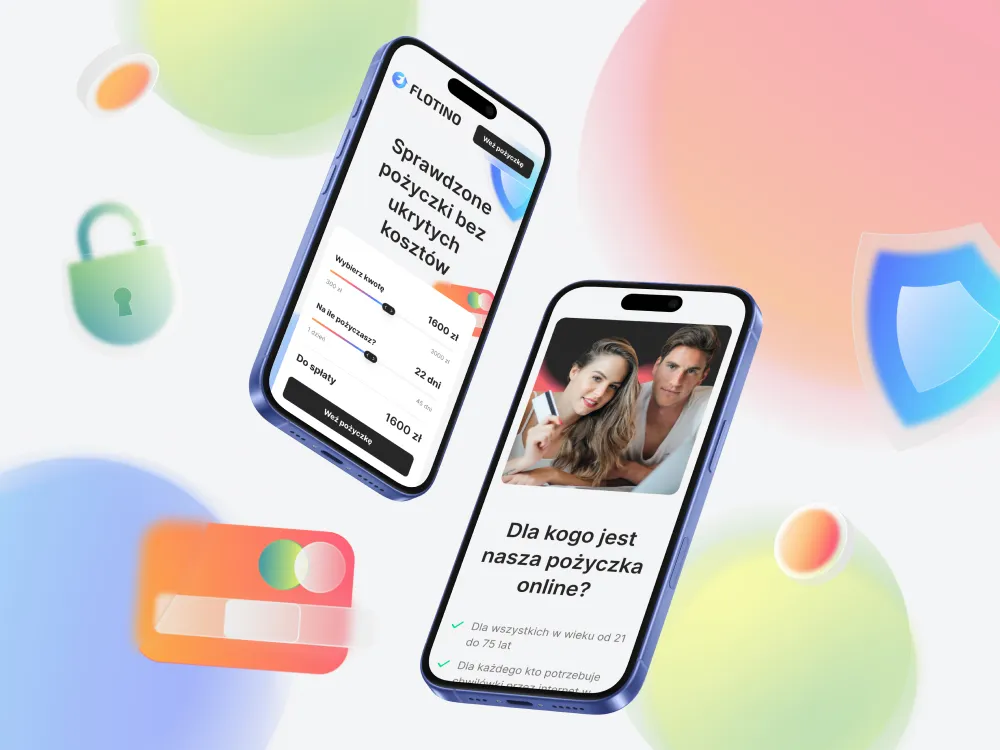
Flotino - Online cash loan service
-
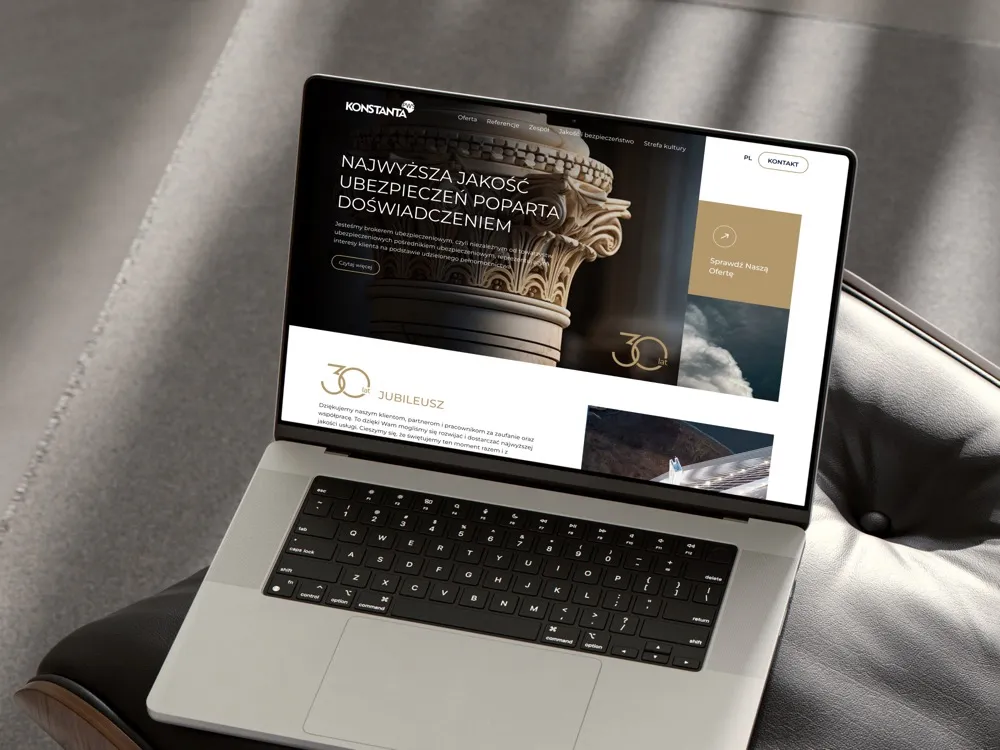
PWS Konstanta - Website for an insurance broker
-
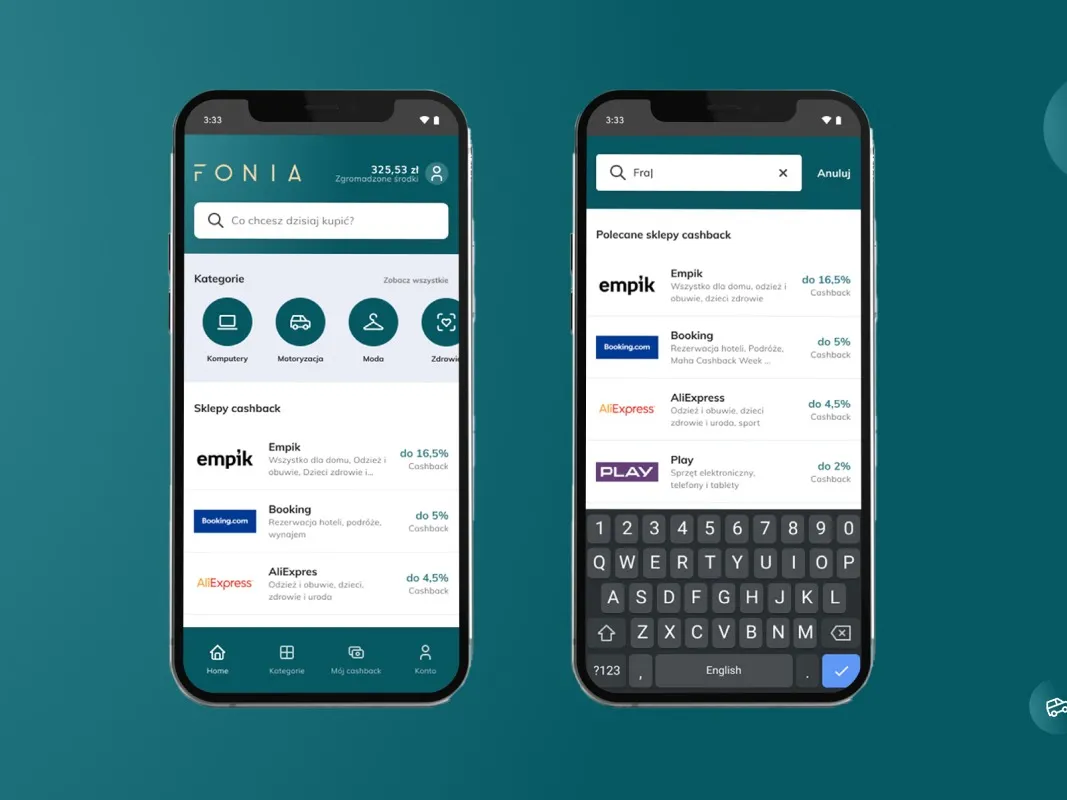
Fonia - A cashback app for online shoppers
-
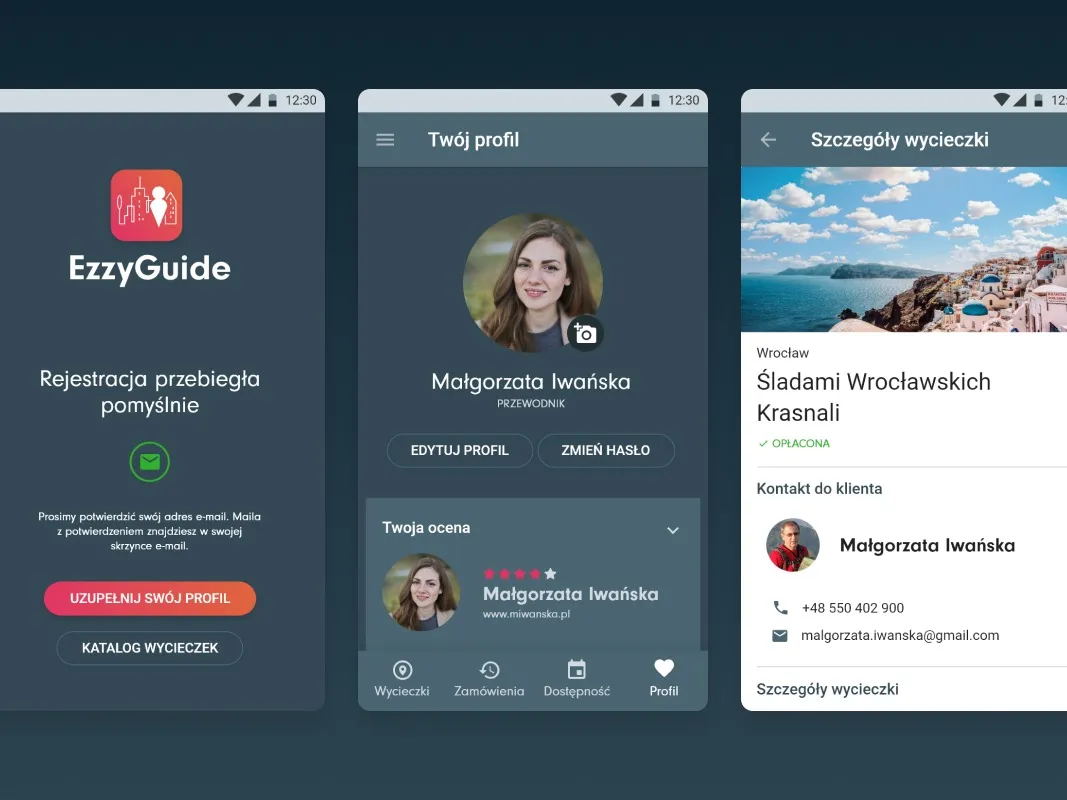
EzzyGuide - A tours app connecting guides with travellers
-
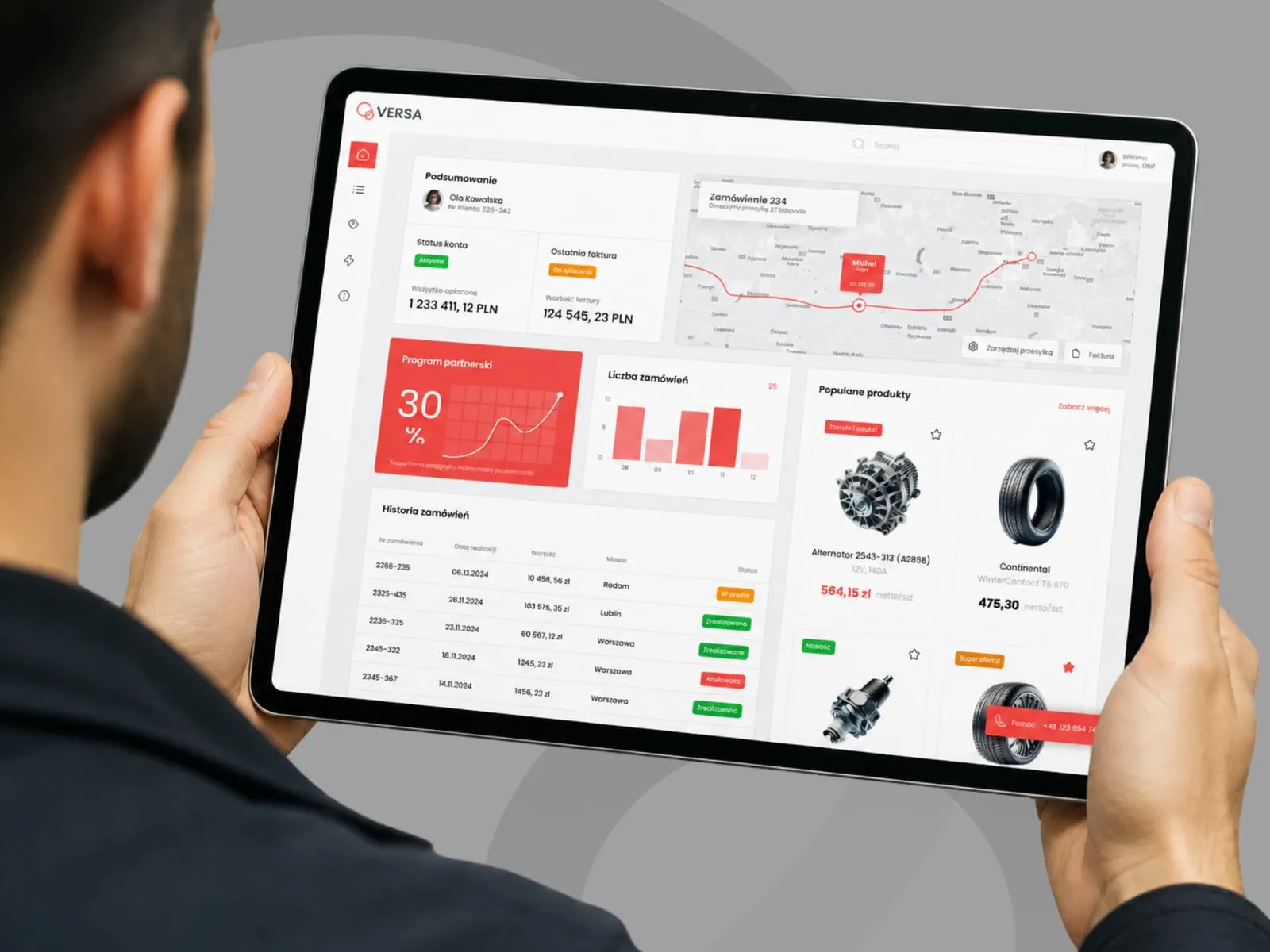
VERSA - B2B panel concept for a parts distributor
-
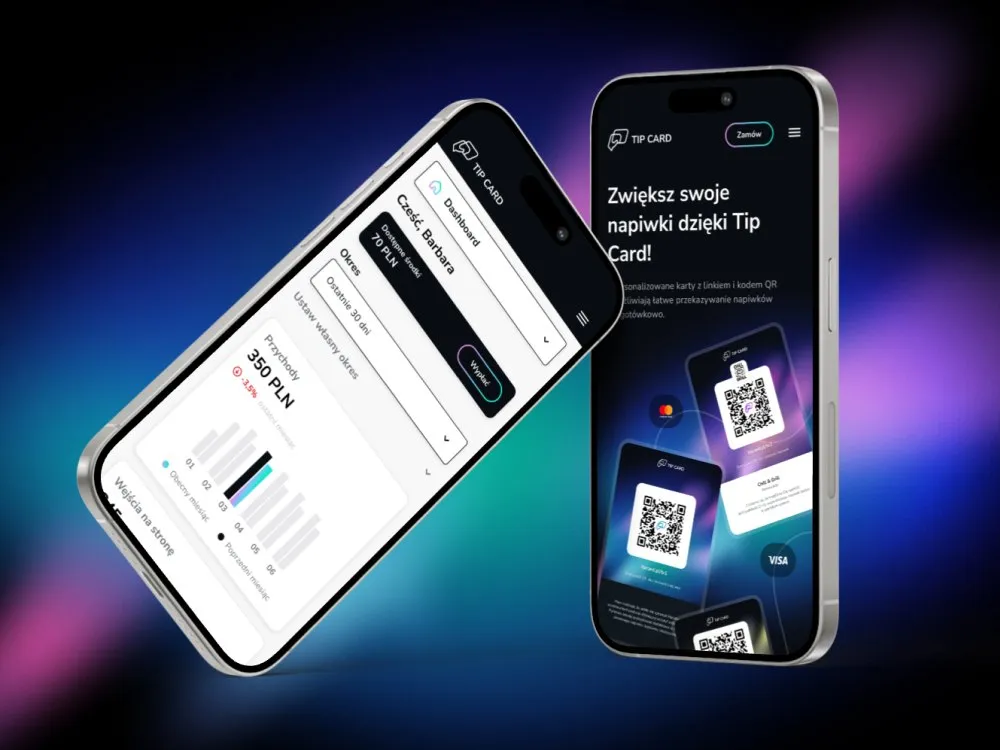
Tip Card - Cashless tipping platform
-
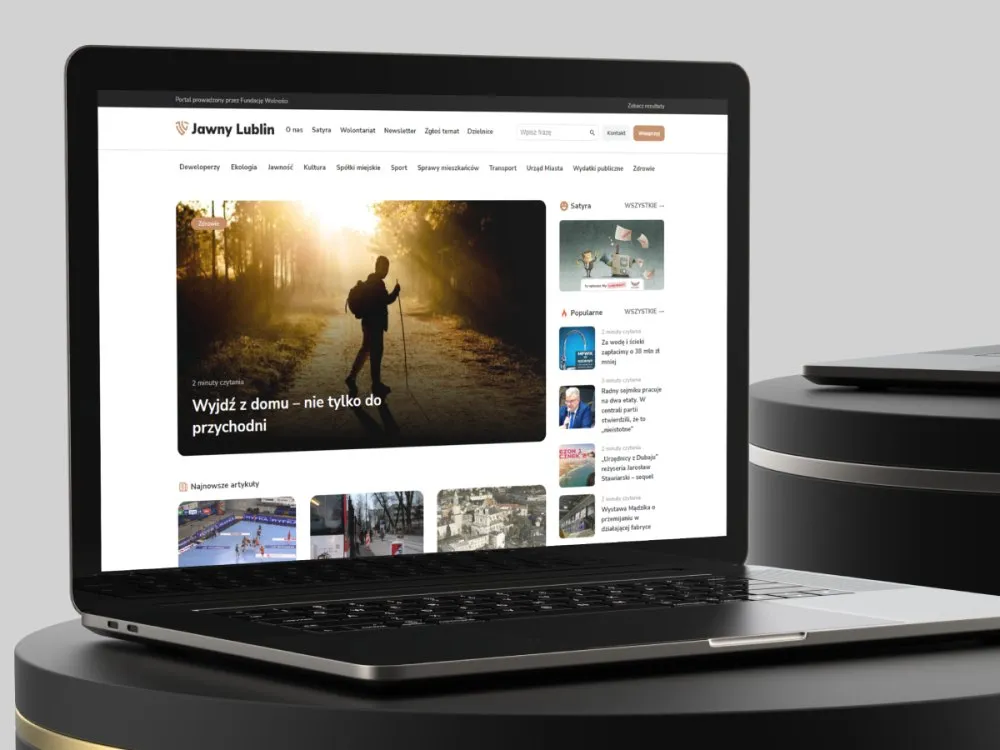
Jawny Lublin - A watchdog portal on city transparency
-
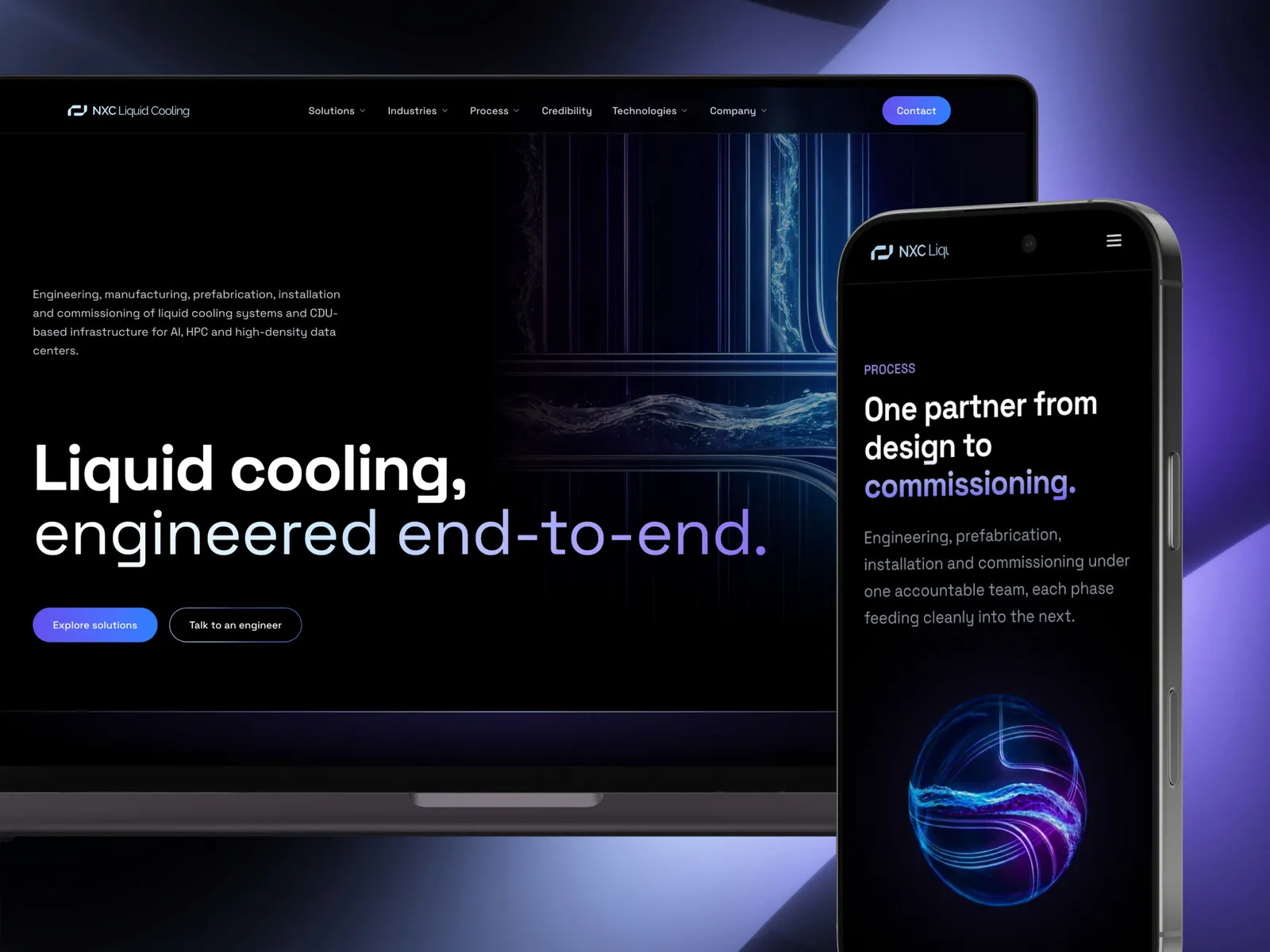
NXC Liquid Cooling - A liquid cooling systems website
-
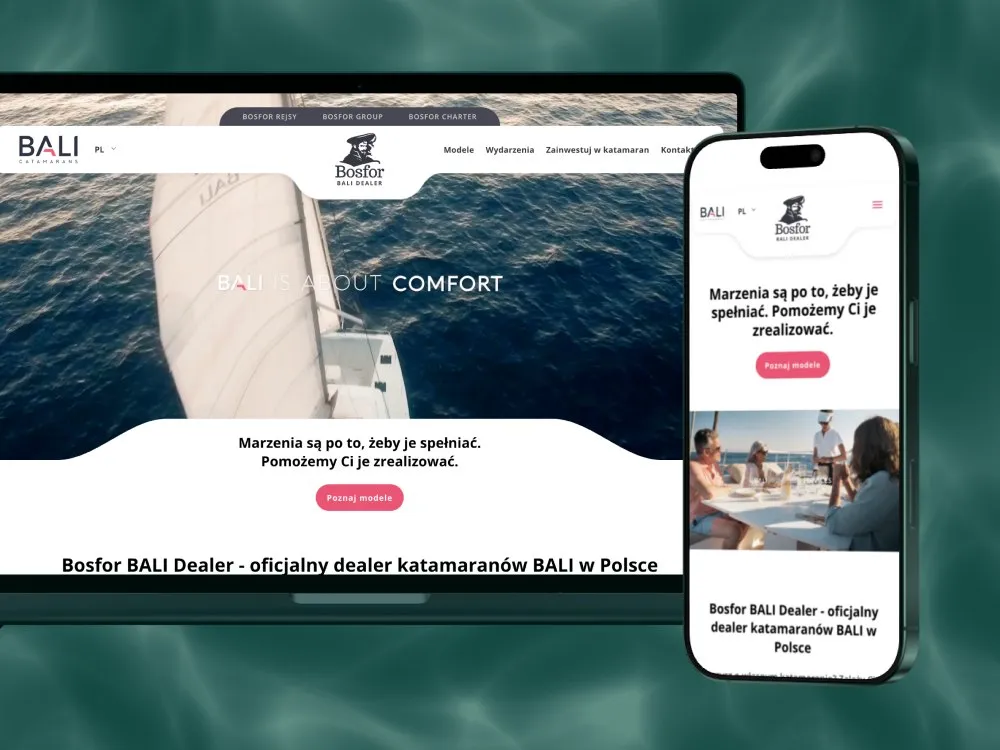
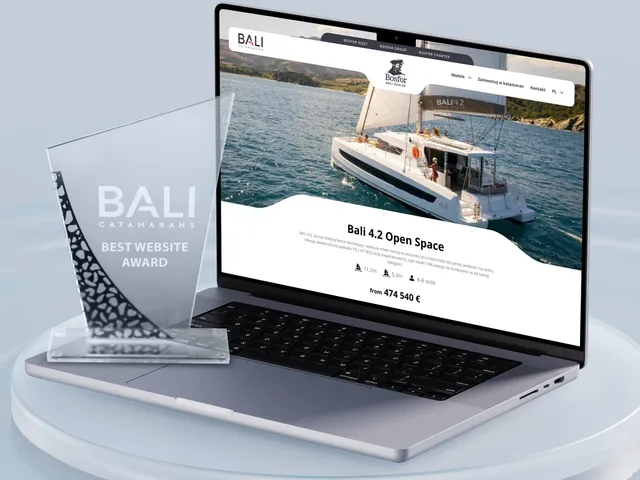
Bosfor BALI Dealer - Website for a BALI catamaran dealer
-
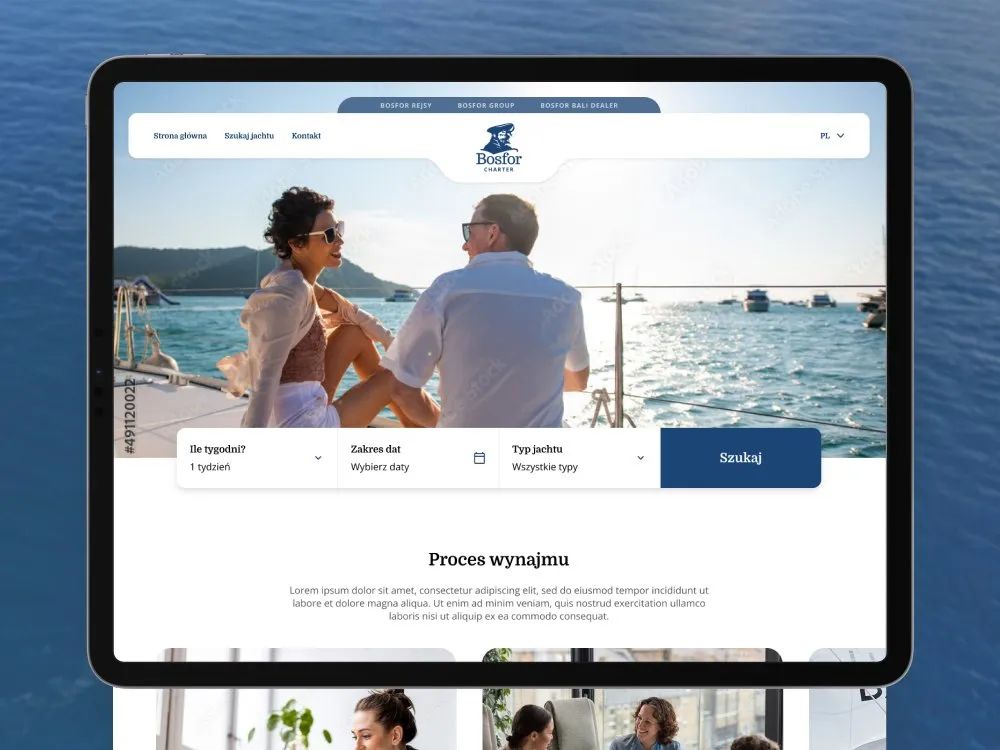
Bosfor Charter - Yacht charter platform with booking
-
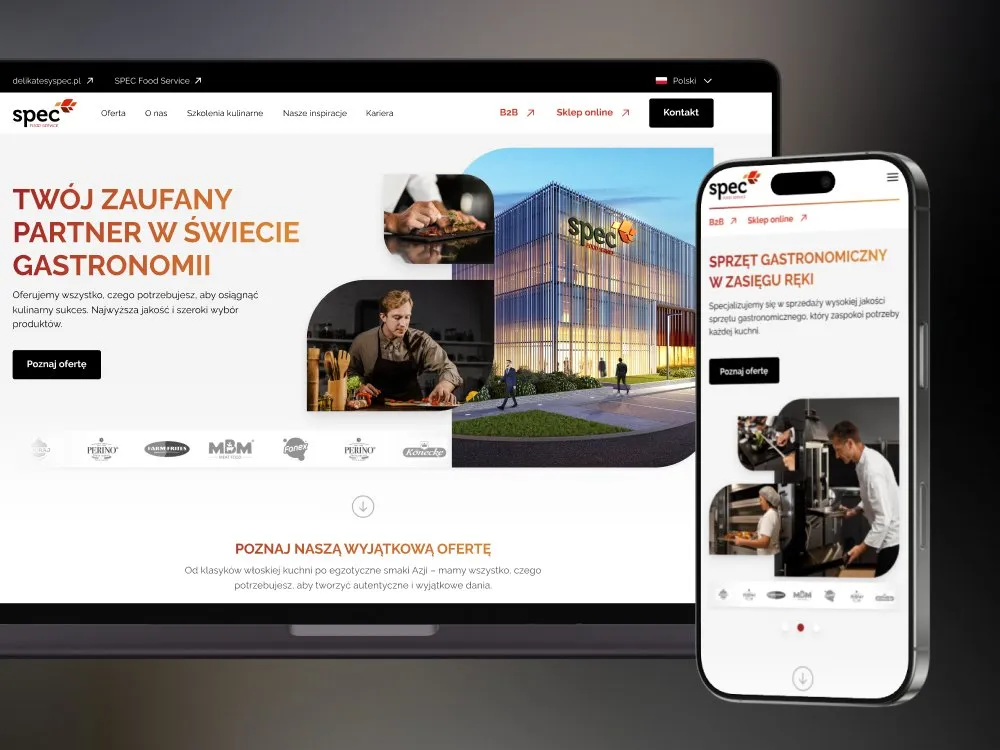
SPEC Food - Website for gastronomy - SPEC Food Service
-
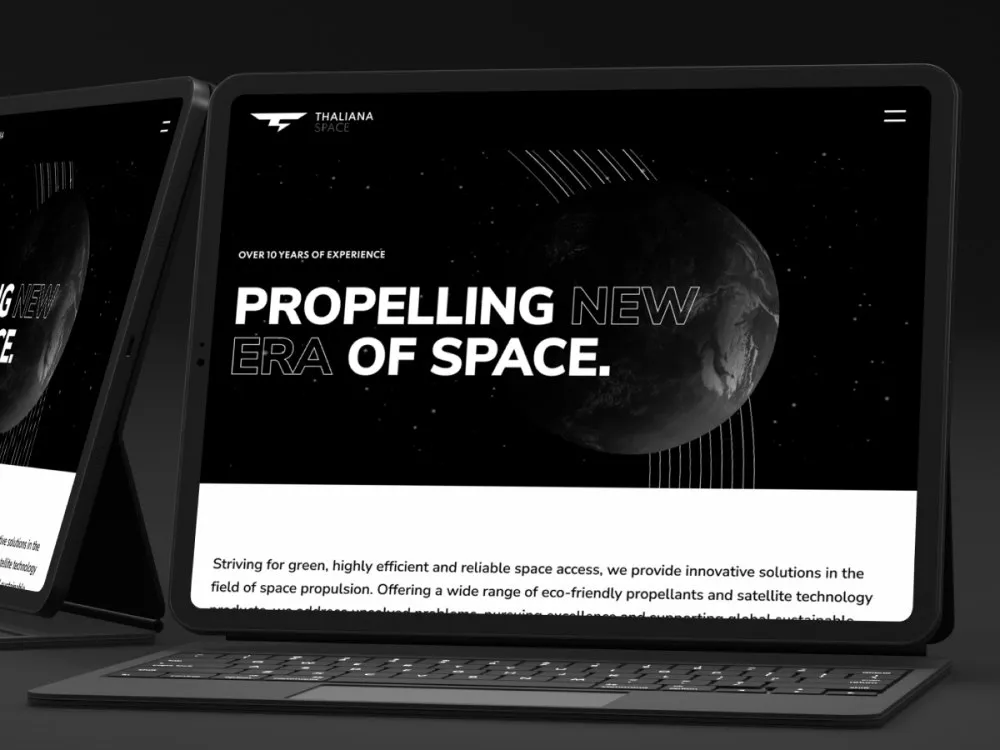
Thaliana Space - Website for a space-propulsion company
-
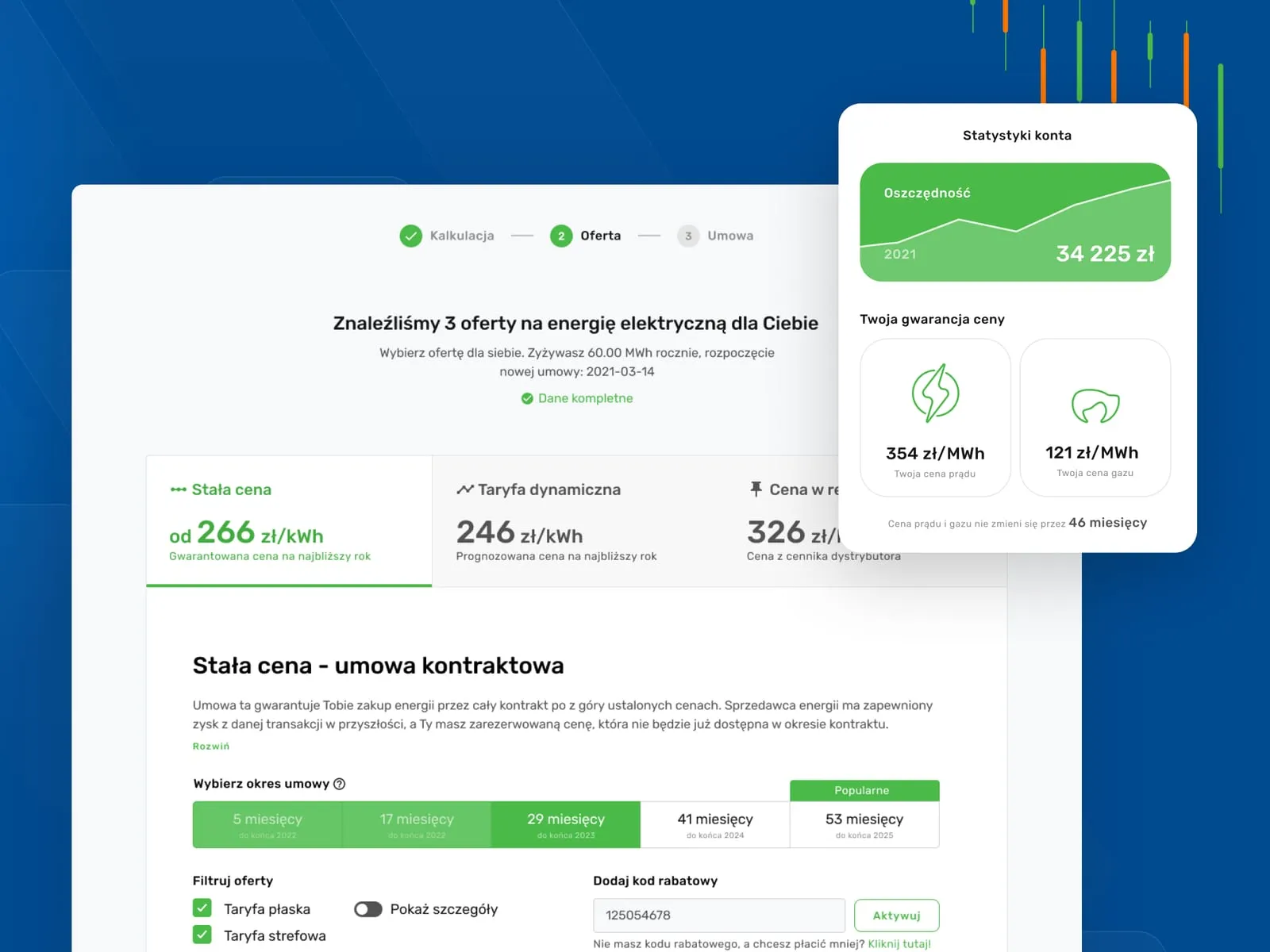
Wolumen - Energy and gas price comparison for businesses
-
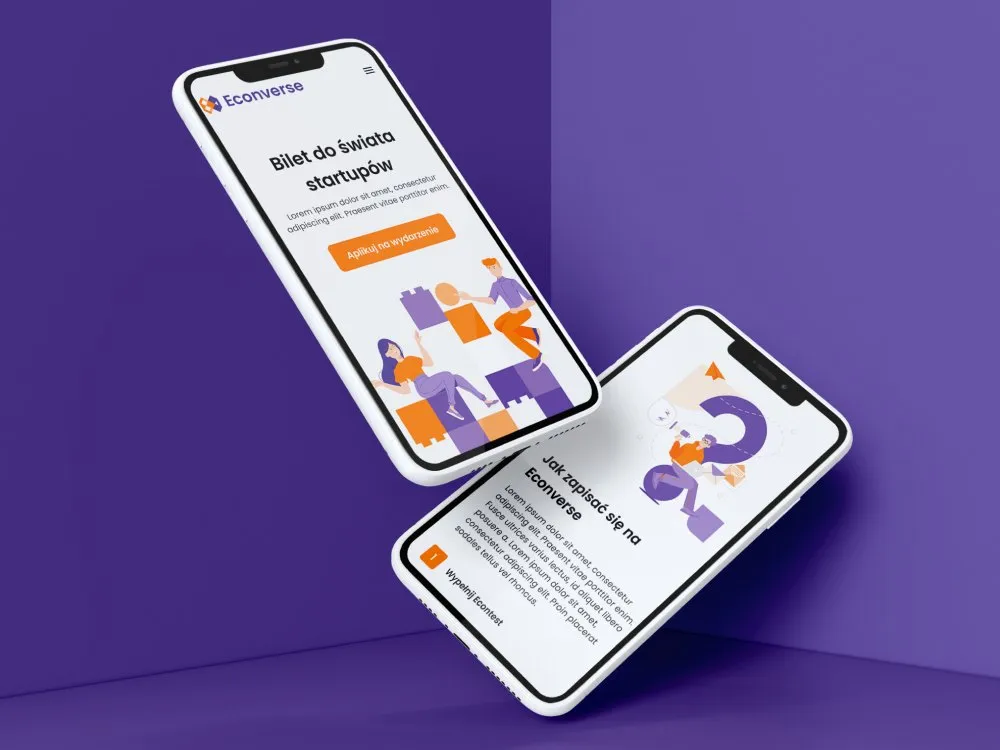
Econverse - Website for a start-up event
-
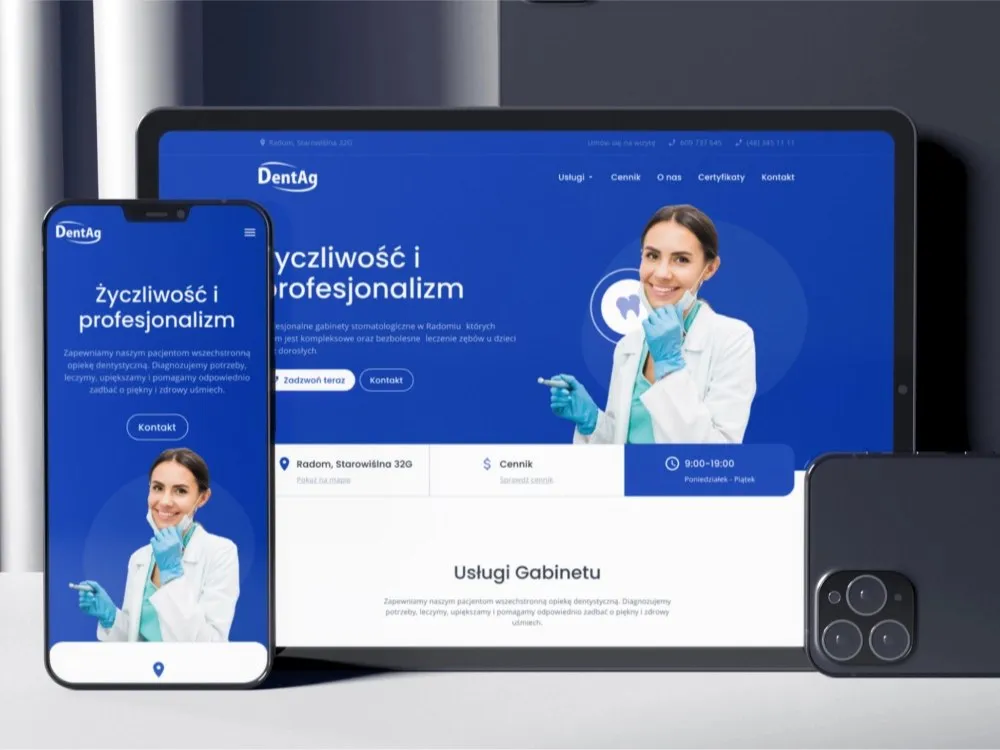
DentAg - Website for a dental clinic in Radom
-
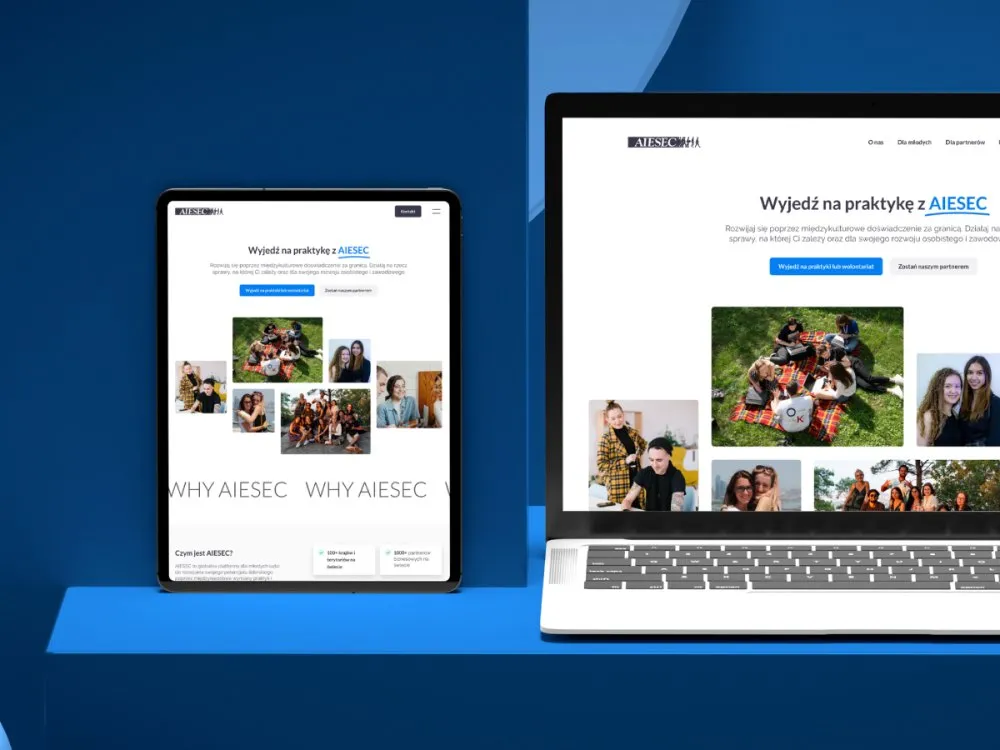
AIESEC - Website for internships and volunteering abroad
-
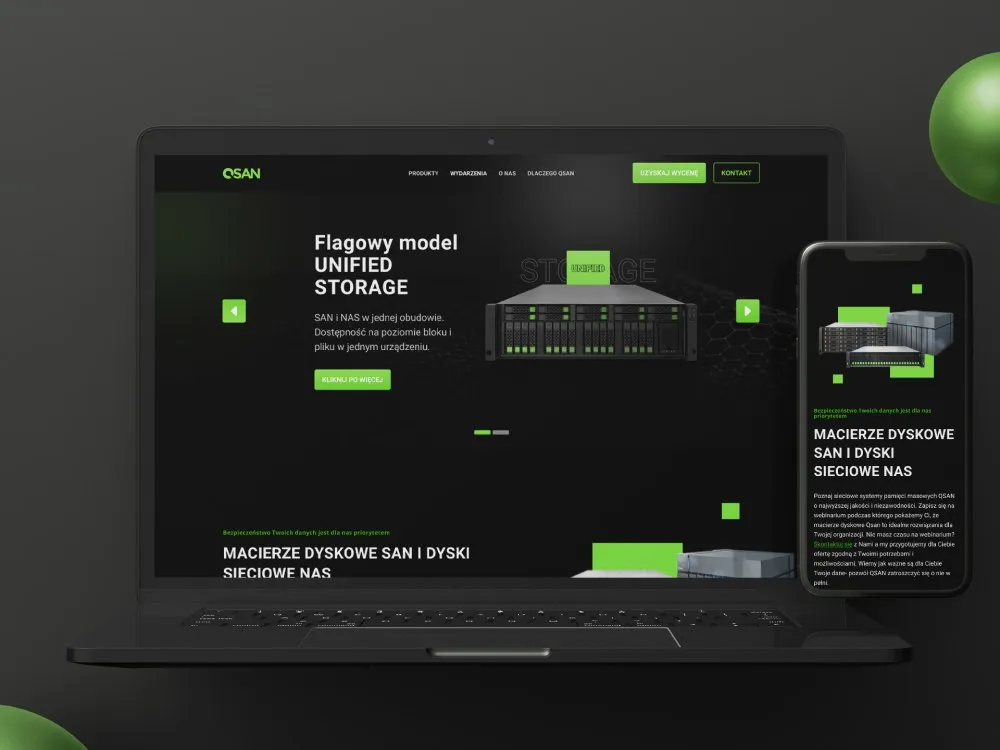
DAGMA - Product page for disk arrays and storage systems
-
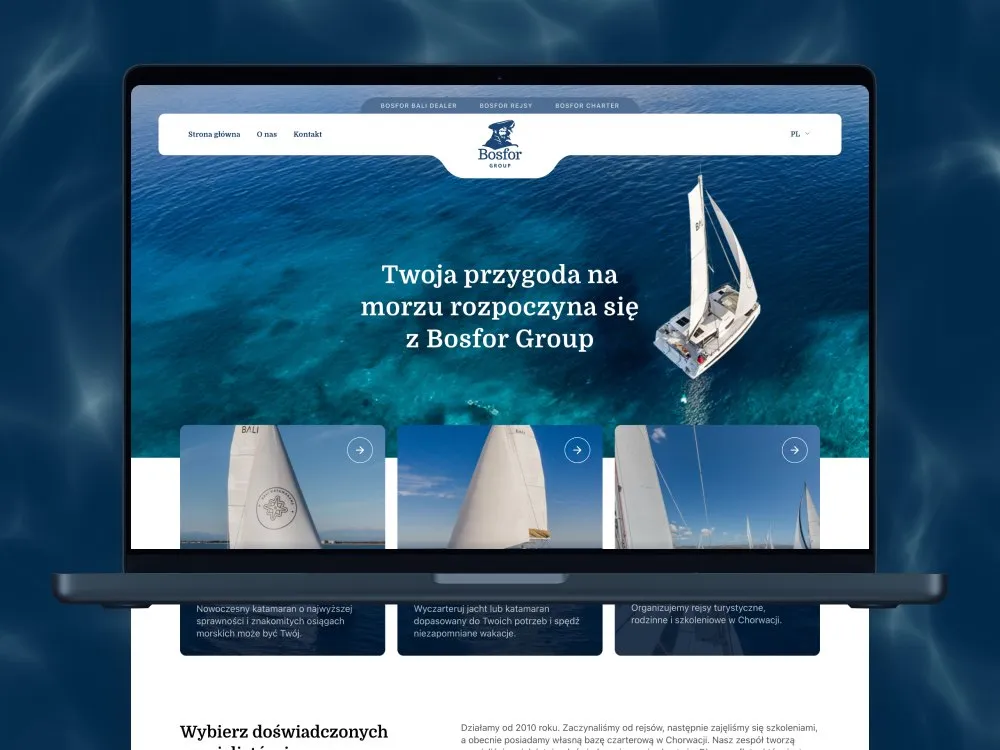
Bosfor Group - Website for the Bosfor sailing group
-
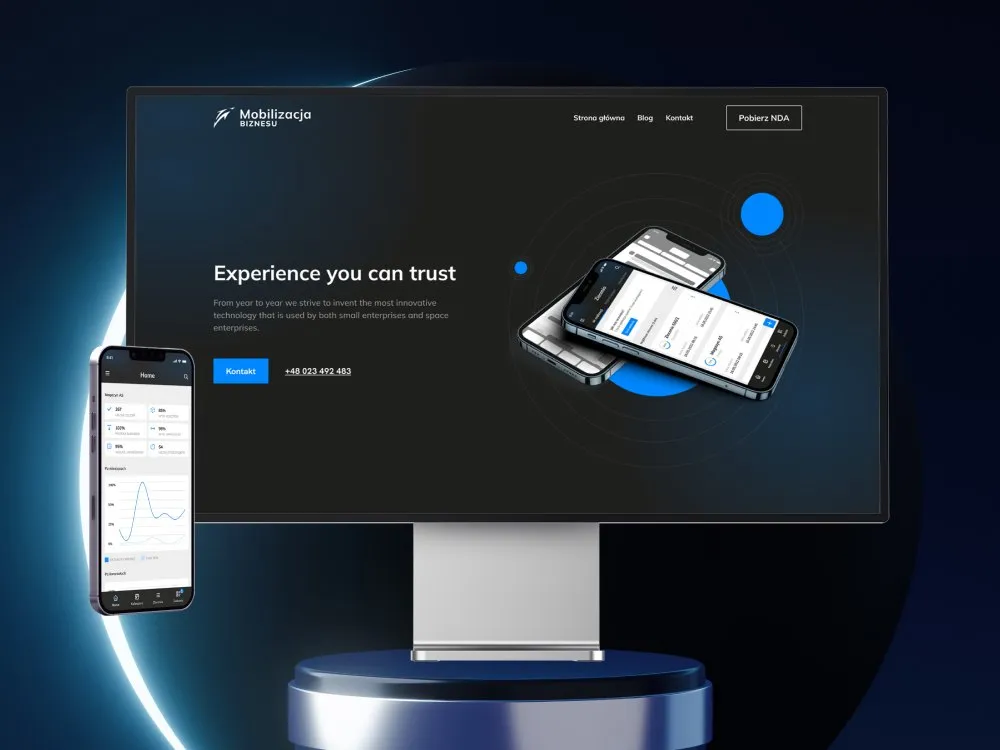
Mobilizacja Biznesu - Website for a mobile-tools firm
-
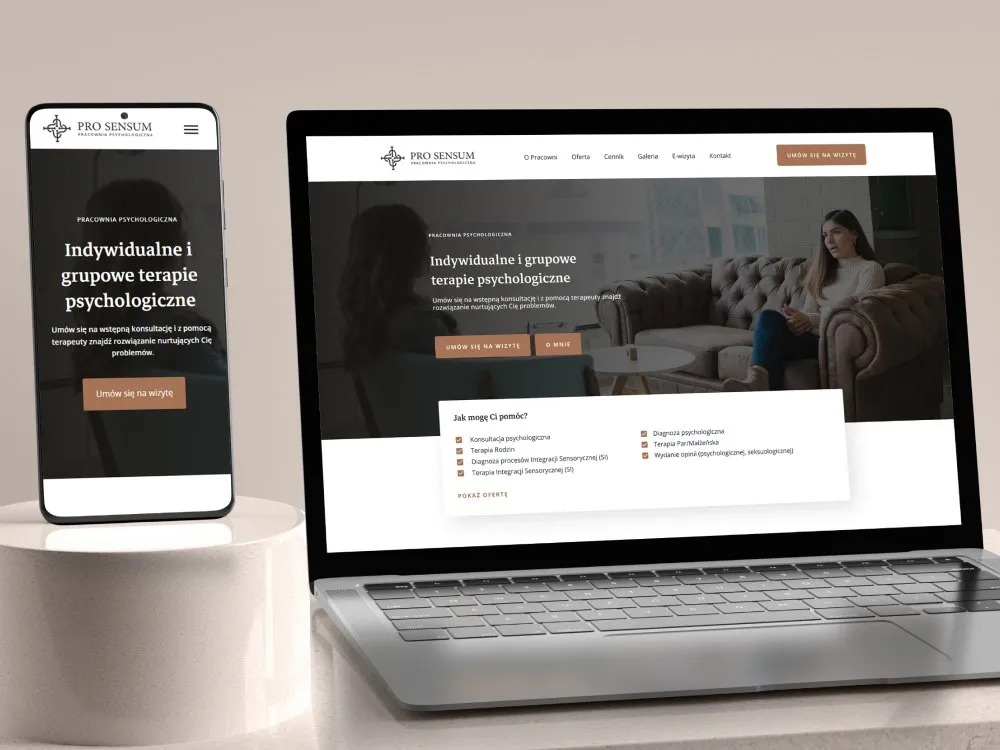
Pro Sensum - Website for a psychology practice
Outcomes
What the strategy contains and how long it takes to build
-
2–4 weeks
From brief to the cascade presentation - two weeks on one product and the data you already have, four with client interviews and a cascade across several departments
-
6–24 months
The roadmap horizon you receive as an editable document and carry on yourself, without coming back to us for every change
-
3–5
Quarterly goals with a metric attached - a list short enough that "not now" can be justified with something other than a lack of time
-
3–7 brands
The number of competing products we analyse in the benchmark before the positioning decision is made
All the figures come from the scope and schedule described above on this page. We publish no averaged return on investment and no client financial results - strategy documents are almost always covered by an NDA, so we go through specific cases by name during a consultation.
Client voices
What our clients say
-
„Working with the Wzór team was a genuinely great experience! They always answered our questions quickly and were flexible about our comments. They have no shortage of creative ideas and are at the same time thoroughly reliable and on time. The end result fully met our expectations; we recommend them to anyone looking for professionals who care.”
 Maja Wieloch-Silecka Operations Director, Bosfor Group
 -
„Our clients expect us to act fast and effectively across a very wide scope - from building a brand, through a website with a store, to running an effective sales campaign. Not an easy task, but doable when you have a tight-knit team and partners who take on challenges on the fly. For us, quality, accountability and commitment are key, and working with UX Agency Wzór gives us that 100%.”
 Piotr Alberski Chief Operating Officer, Agencja XO Media
 -
„Our cooperation with UX Agency Wzór started with our own website. We really liked the way they work, so we decided to subcontract projects for our clients to them on a White Label basis. We loved their workflow, the way they hand projects over to our team, their documentation and their work on the design system. Now we can take on bigger risks.”
 Mateusz Swół Chief Operating Officer, Sellace



The team
Who works on your strategy
The same team runs the interviews, the workshop and the presentation to the leadership - nobody hands the case over between gathering the material and defending the conclusions.
-

Aleksandra Bondar
Senior UX/UI Designer
-

Patryk Korycki
CEO, Analityk Biznesowy
Time and scope
How long it takes and what drives the quote
2–4 weeks
Two weeks is the scope where we work on one product and on the data you already have. Client interviews, an analysis of a new segment and a cascade across several departments move the deadline towards four weeks.
-
The number of products and modules covered by one strategy
-
The number of decision-makers and the levels at which decisions are taken
-
The state of the product data and access to analytics and earlier research
-
The reach of the cascade - one team or several departments and markets
-
Whether the information architecture of the existing product is in scope
FAQ
Questions that come up most often
How does product strategy differ from a roadmap?
Strategy answers "why" and "where to" - it defines the goal, direction, value proposition, target. A roadmap is the operational plan of "how" and "when" - concrete initiatives on a timeline. Strategy without a roadmap = an idea without execution. A roadmap without strategy = a list of features without the context of why they should exist.
Do we need user research before strategy?
Recommended. If you have fresh data (max 6 months of fresh research), we use it. If not - in the Strategy Sprint and Transformation, research (3-5 interviews) is built into the first week. A strategy based on unvalidated assumptions risks a 5-6 figure loss.
How much does product strategy cost?
We quote each engagement individually - the price depends on the format (Strategy Foundation, Product Strategy Sprint or Strategy Transformation) and the scope of research and analytics involved. After a short brief you get an exact, flat-fee offer within 48 hours. The fastest route: a free consultation.
Can strategy be done in stages?
Yes. We often start with Strategy Foundation (1-2 weeks) - VPC + positioning + baseline OKRs. Later (after 3-6 months) the full Sprint with a roadmap and cascade follows. This lets you make strategic decisions without waiting 3 months for a full strategy.
Who runs the strategy sessions?
Only a senior strategist with 10+ years of product strategy experience - not an account manager, not a junior. We name the person leading in the brief. You can request a specific person from the Wzór team after an initial call.
Do you keep working after delivering the strategy?
Yes - naturally. Clients usually come back for two reasons: (1) the need to design UX/UI for roadmap initiatives, (2) a strategy revision after 6-12 months (the market changed, the OKRs need an update). We can also run a "strategic advisory" retainer - 1-2 sessions a month with founders/CPO.
Related services