
Interactive design
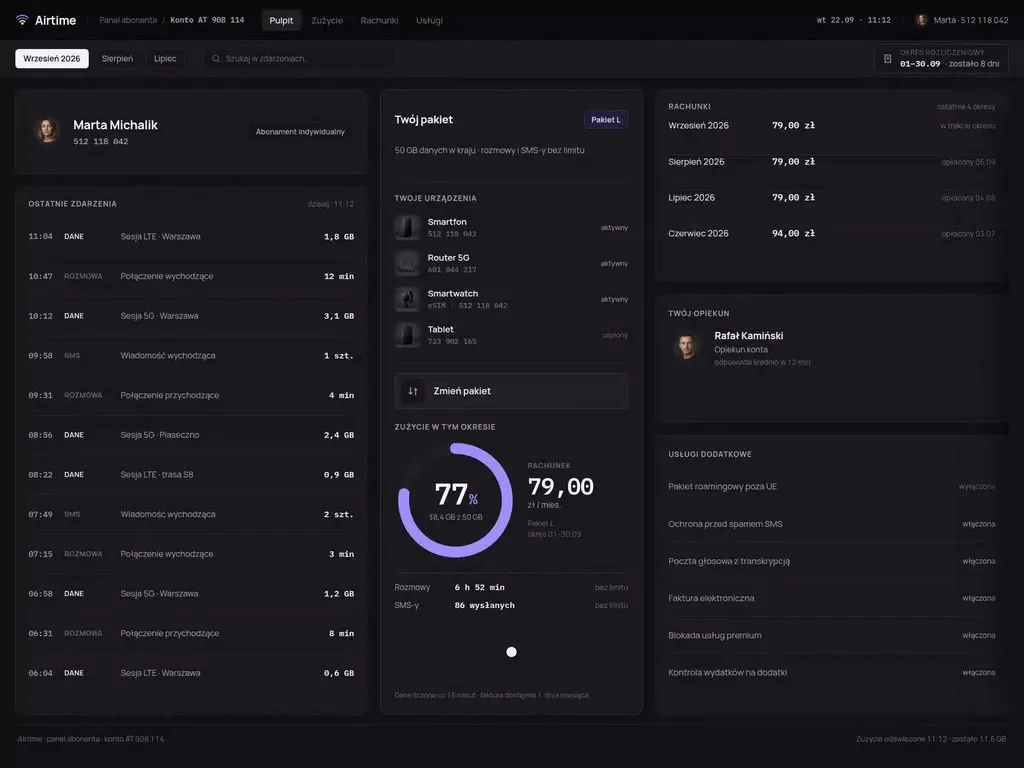
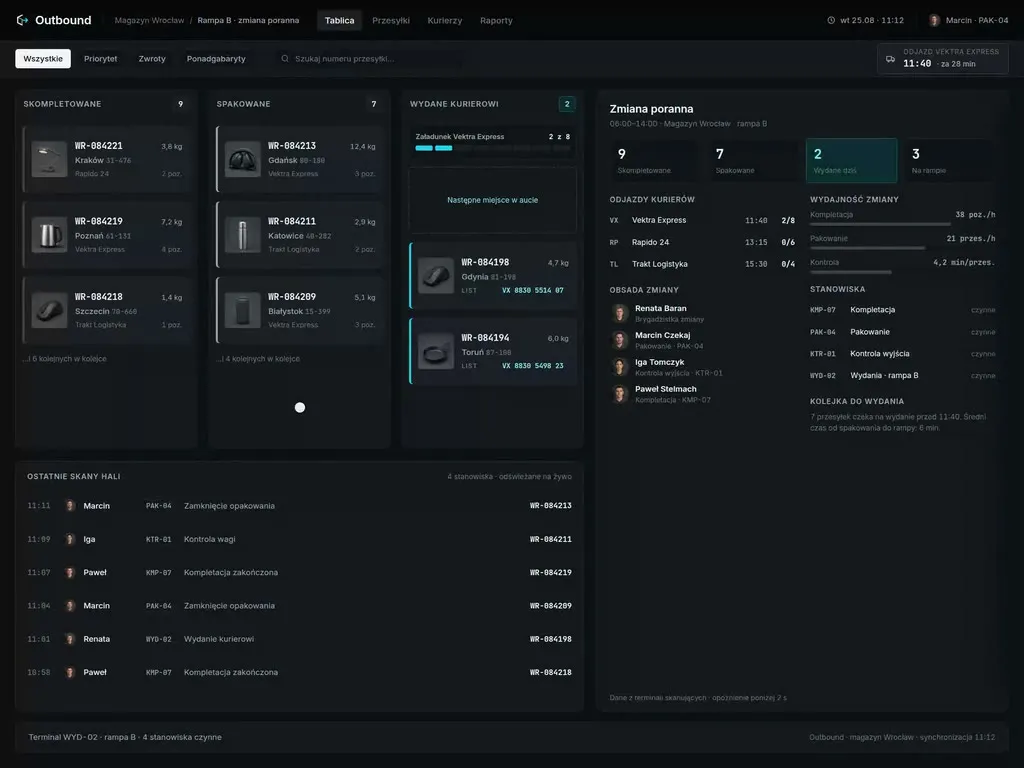
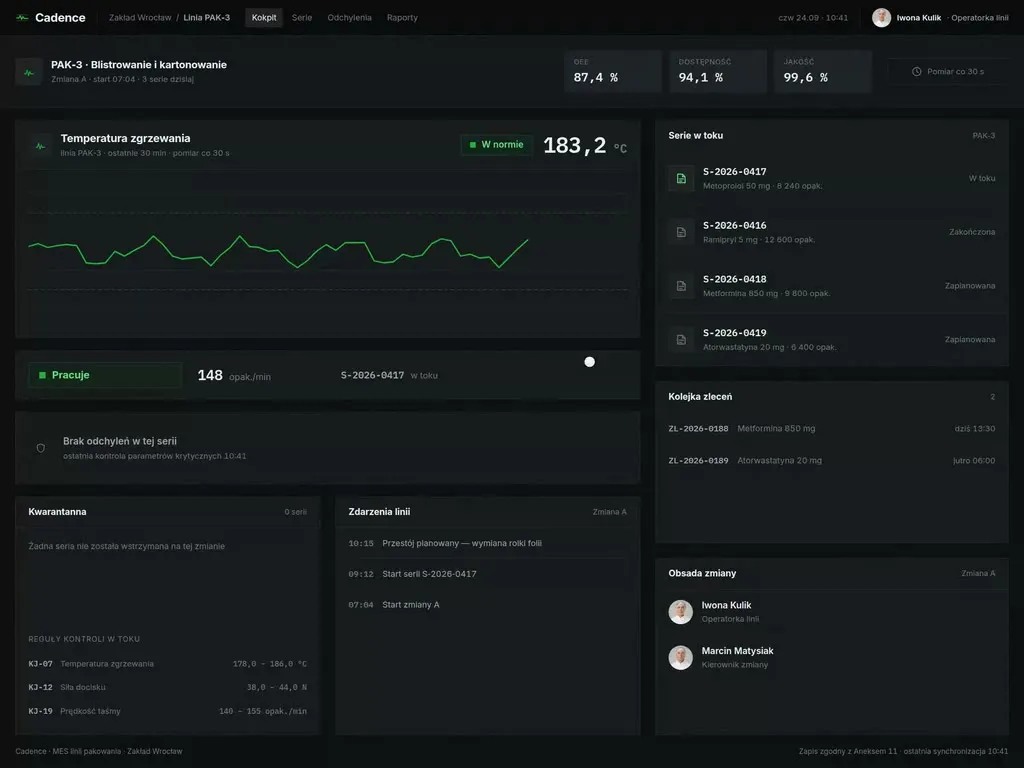
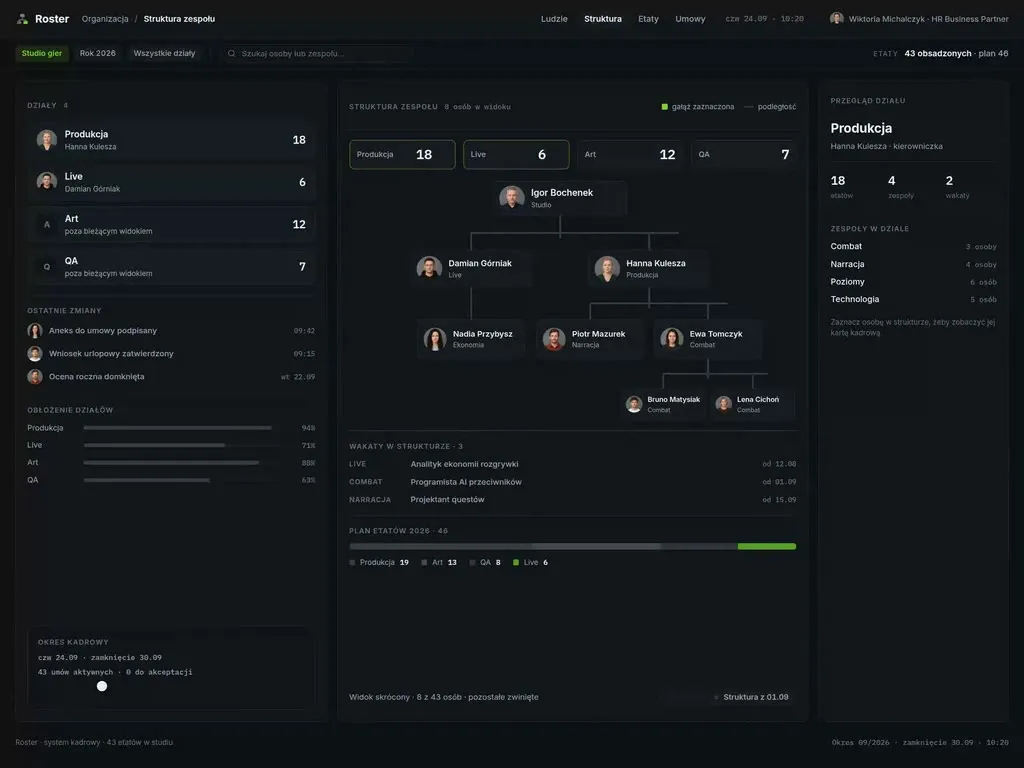
We design your app, website or SaaS so it works and clicks like a finished product right away - on desktop and on mobile. At the same price and in the same time as a regular graphic design.
We have worked with leading companies and startups









Challenges
You design twice and implement once
A graphic design is only an instruction - somebody then has to rewrite it into a working product. That is a second cost, usually close to the first, plus the friction where design meets code.
-
„Decisions are made on dead mockups”
The decision-maker approves pictures and then does not recognise the finished product. A static mockup cannot tell you whether a path actually works - only a version you can click through can.
-
„The deadline slips during the rewrite”
Weeks pass between having a design and having a working product, spent translating pictures into code. In that time the scope shifts, the energy drains, and the launch date stays where it was.
-
„Every fix is made twice”
The designer says it was built exactly as agreed; the developer says the code will not do that. Each change lands first in the design, then in the implementation - and the second time it already looks different.
-
„Automation stops at seventy per cent”
Generators (V0, Lovable, Bolt) assemble a shell in hours. The last thirty per cent - sign-in, error states, accessibility, consistency across screens - still needs a designer and a developer.
Who it is for
Who this is for
-
The owner or project sponsor
Four to eight hours a month. Strategic decisions and stage approvals - on a working demo rather than on slides.
-
The person responsible for the product
Two to four hours a week. Day-to-day calls, direction, and attendance at the weekly showing on the live version.
-
The person responsible for engineering
One to two hours a week. The technical view, integrations and taking the code over at the end - with repository access from day one.
-
When we advise against it
When a single person makes the decisions, when there is no team to take the code over, or when you are looking for the cheapest option. In all three the service will not pay for itself, and we say so on the first call.
Our difference
How it differs from a regular design
-
You approve a version you can click
Instead of a review of pictures you get a link. You walk the path the way a user will, and only then say yes - on desktop and on mobile.
-
The rewrite phase disappears
The design is built in the target code standard from the start, so there is no stage of translating a mockup into an implementation. The engineering team continues instead of starting over.
-
A fix lands in one place
One source of truth instead of a design file plus a repository. It removes the whole class of drift where production differs from the approved design because nobody synced the second copy.
-
A human does the last thirty per cent
A generator delivers the shell; we deliver what the shell breaks on - error and empty states, keyboard accessibility, component consistency and behaviour on real data.
Process
Four stages, a live showing every week
- Week 1
Kick-off
We meet the whole decision trio, agree the scope and the rhythm of the weekly showings. The stage ends with the scope approved.
- Weeks 1–2
Discovery and plan
Discovery, screen layout, visual direction and the foundations of the component system. You are left with a short plan, up to five pages, approved by all three.
- Week 3 onwards
A new version every week
We design and build the working version. Every week a showing on a live link, with approval after each round - you get value weekly rather than all at once after twelve weeks.
- Final week
Handover
A handover recording, documentation and start-up instructions. From that point the support window opens - we answer questions and make small fixes.
Deliverables
What stays on your side
-
A clickable product behind a private link
Password-protected, available on desktop and mobile. You test it internally and with users; several people can click at once, each on their own data, without collisions.
-
Production-ready code with full rights
Code in a widely used standard, ready to build on. Full economic rights pass to you on payment, so your team or your software house continues without a rewrite.
-
A visual system with documentation
Components, colours, typography and patterns as one base for the whole product family - documented so an engineering team can read it, not only a designer.
-
Handover and a support window
A recorded walkthrough and start-up instructions, followed by a few weeks in which we answer questions and make small fixes.
Toolkit
What it is built on
A widely used standard, not an in-house invention - your team should be able to take this code over without an induction course.
- React
- TypeScript
- Tailwind CSS
- Vite
- MSW (network request mocking)
- Faker.js with Polish data
- Zustand
- Storybook

Next step
Let us talk about your project
Tell us what you have to do. We will come back with scope and a quote.
Selected work
A selection from the portfolio
Work in this model runs under confidentiality, white-label under a partner’s brand, so we do not show it by name. Below is a cross-section of projects the same team ran under its own banner.
-
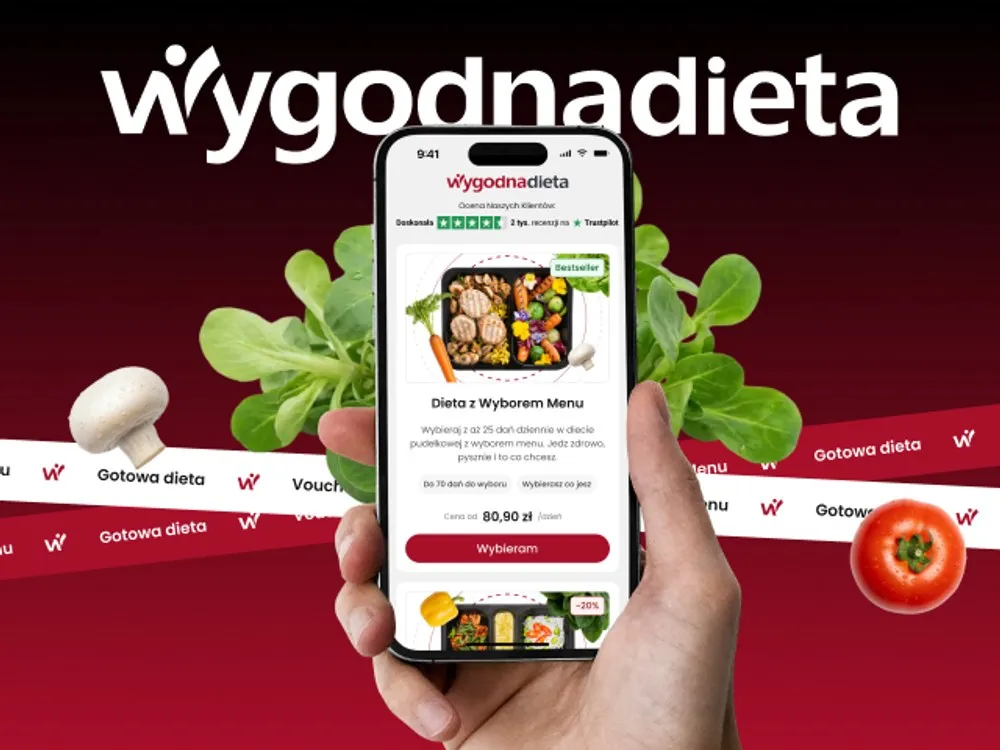
WygodnaDieta - App and online store for a meal-box diet service
-
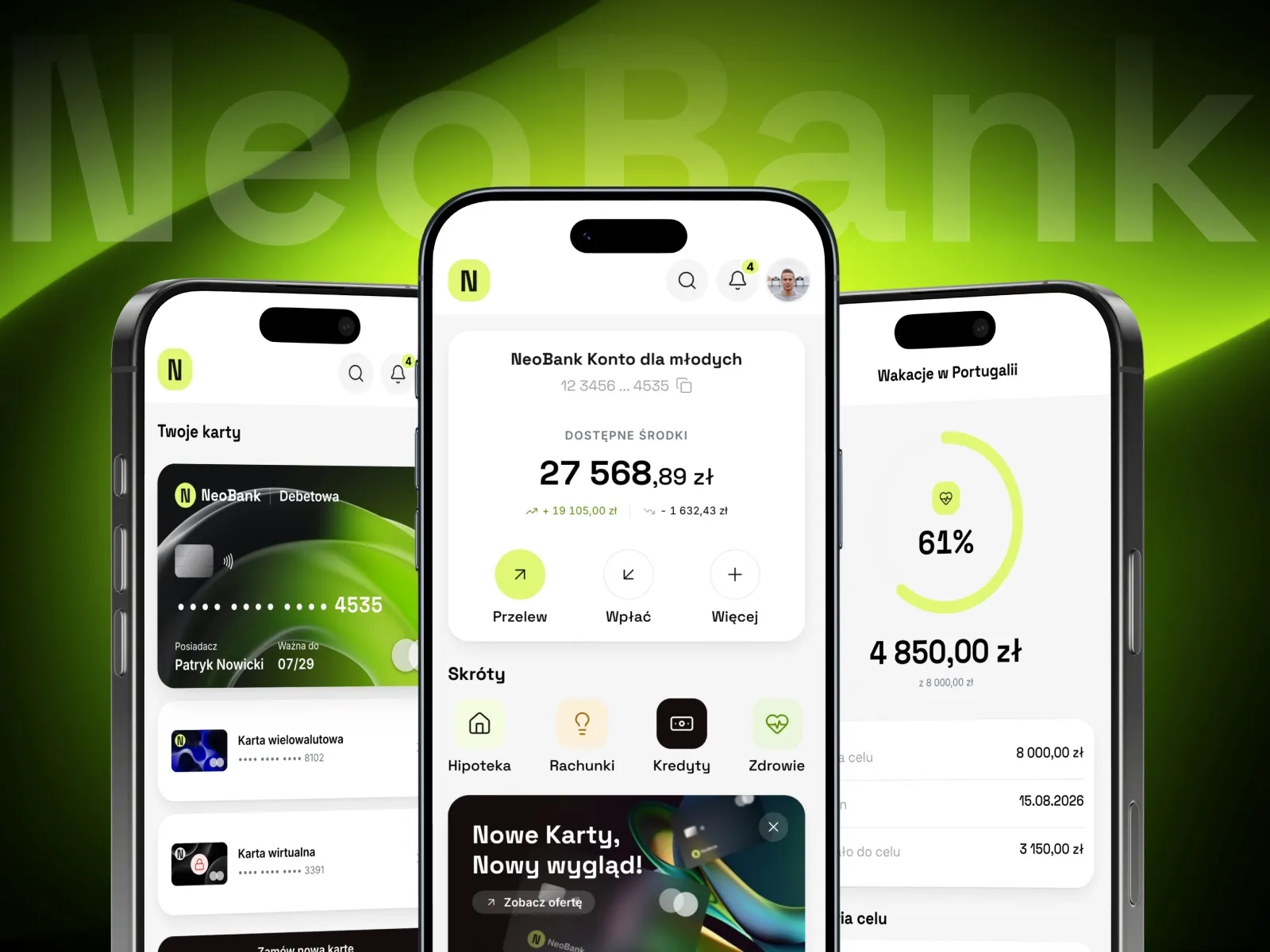
NeoBank - A banking app concept for young customers
-
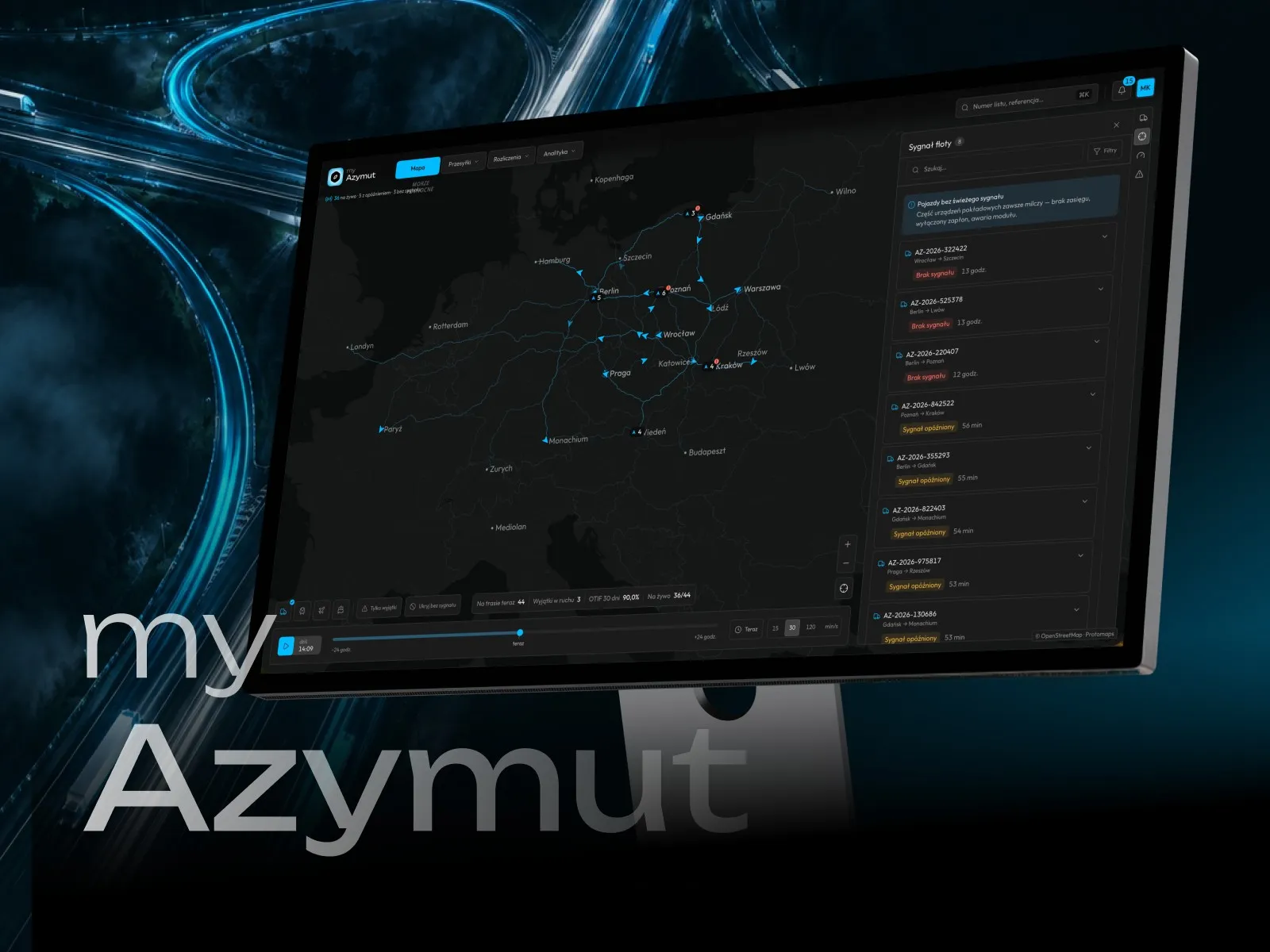
myAzymut - Client portal concept for a freight carrier
-
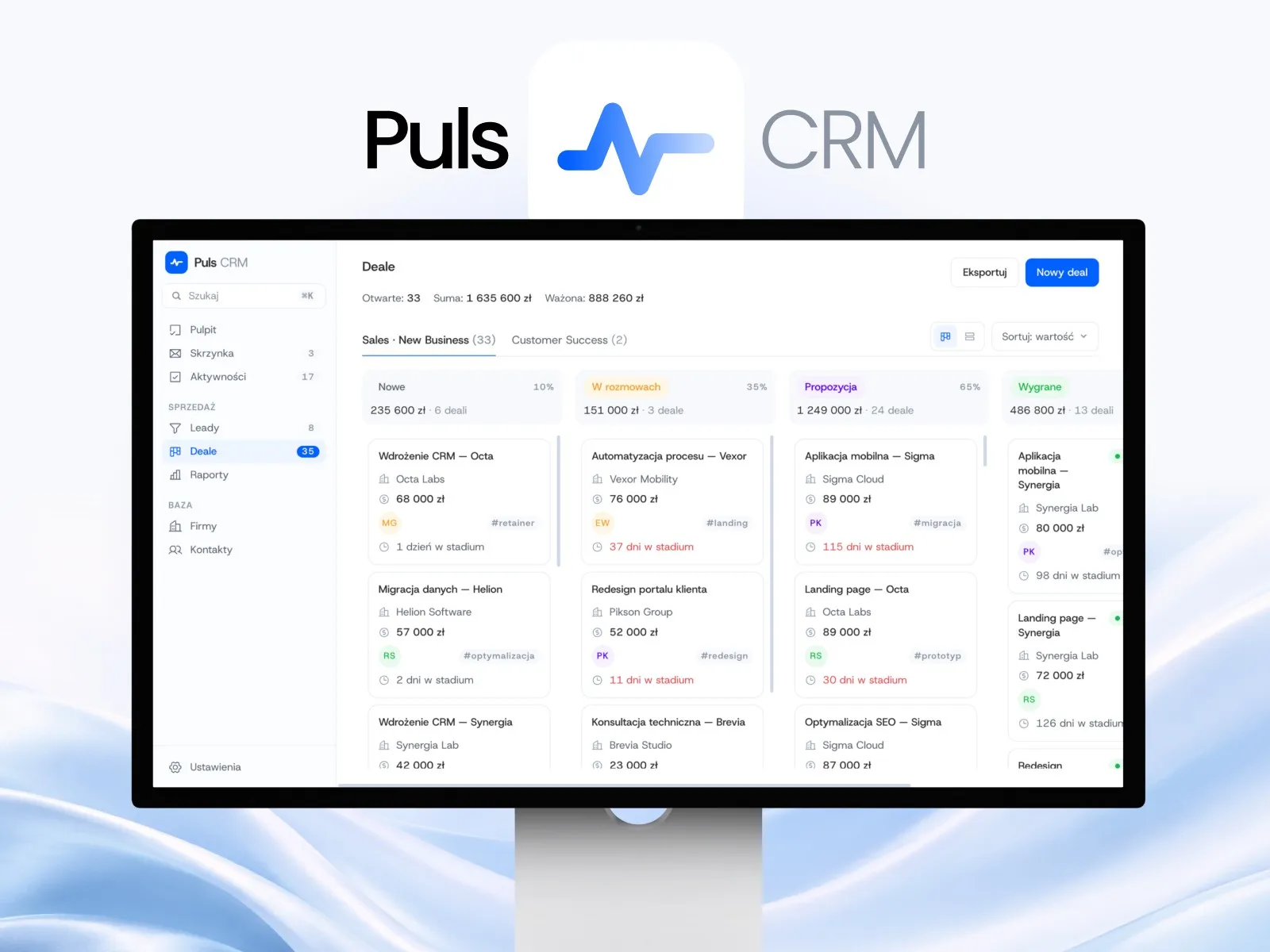
Puls CRM - CRM app concept for a sales team
-
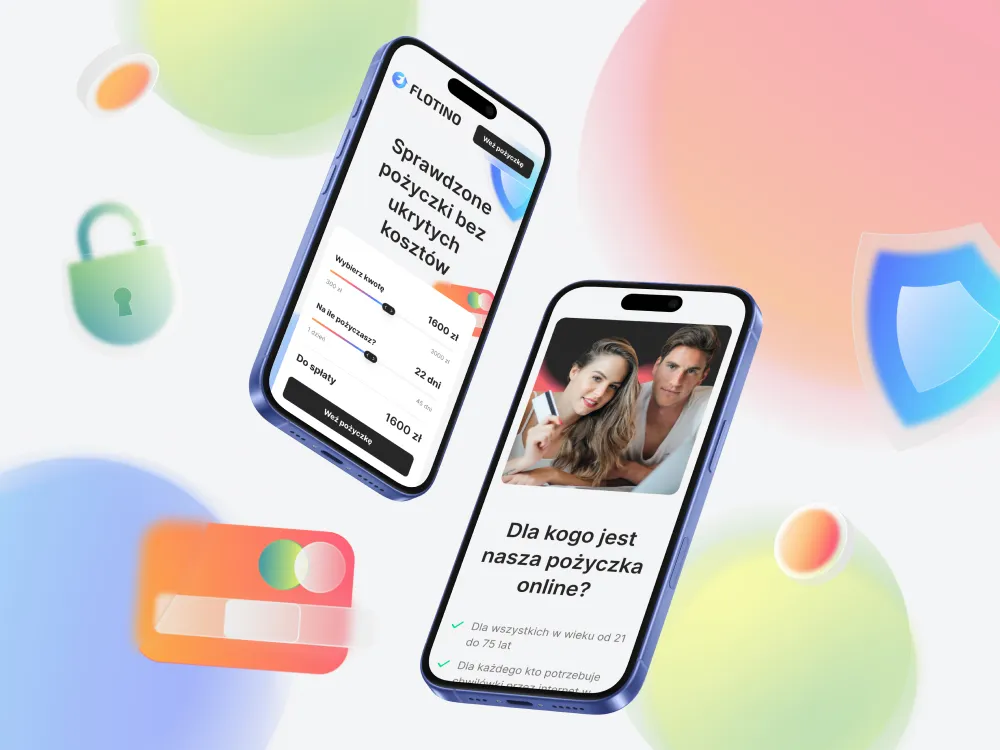
Flotino - Online cash loan service
-
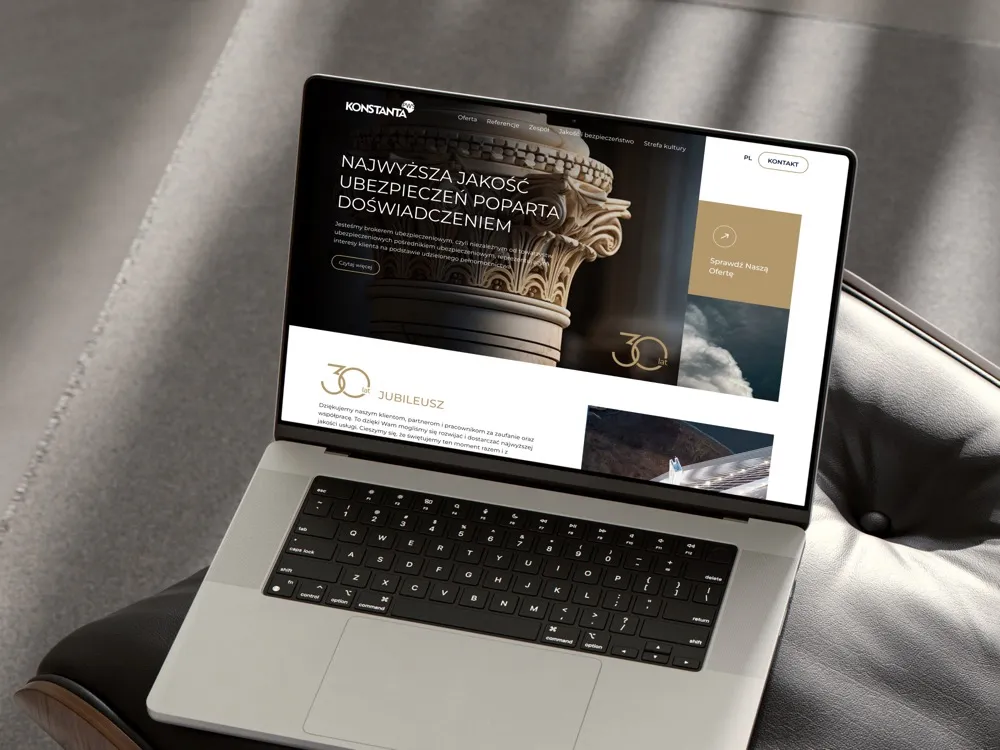
PWS Konstanta - Website for an insurance broker
-
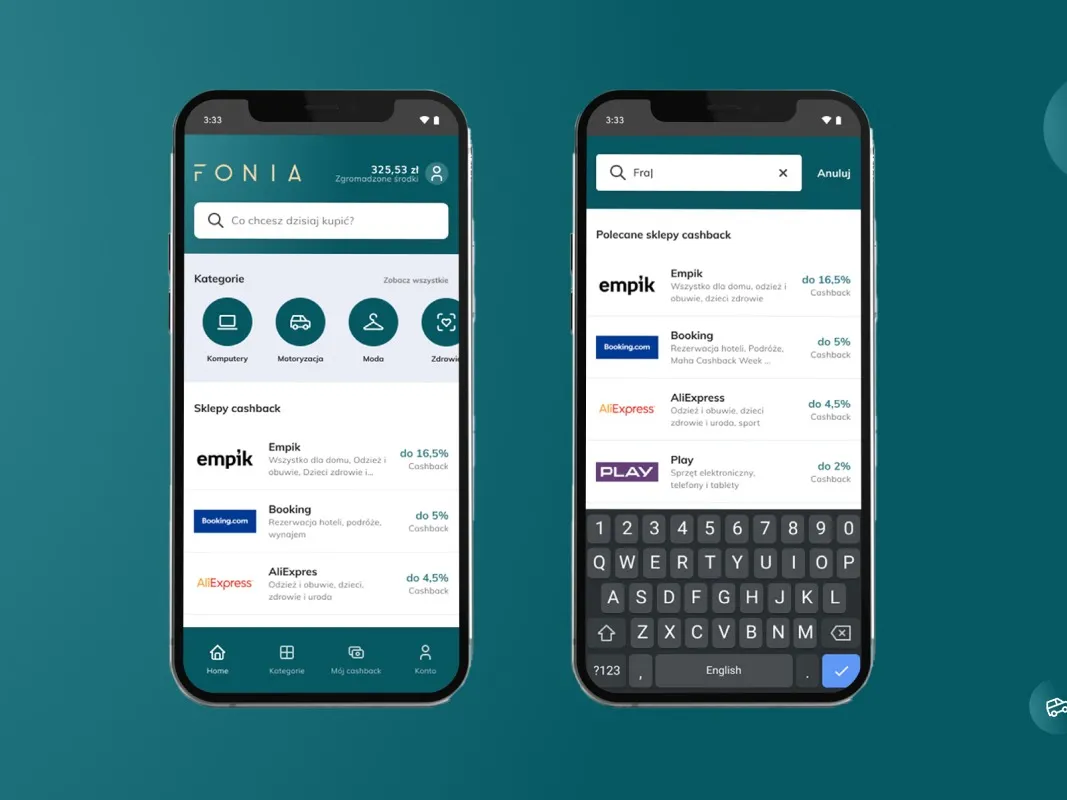
Fonia - A cashback app for online shoppers
-
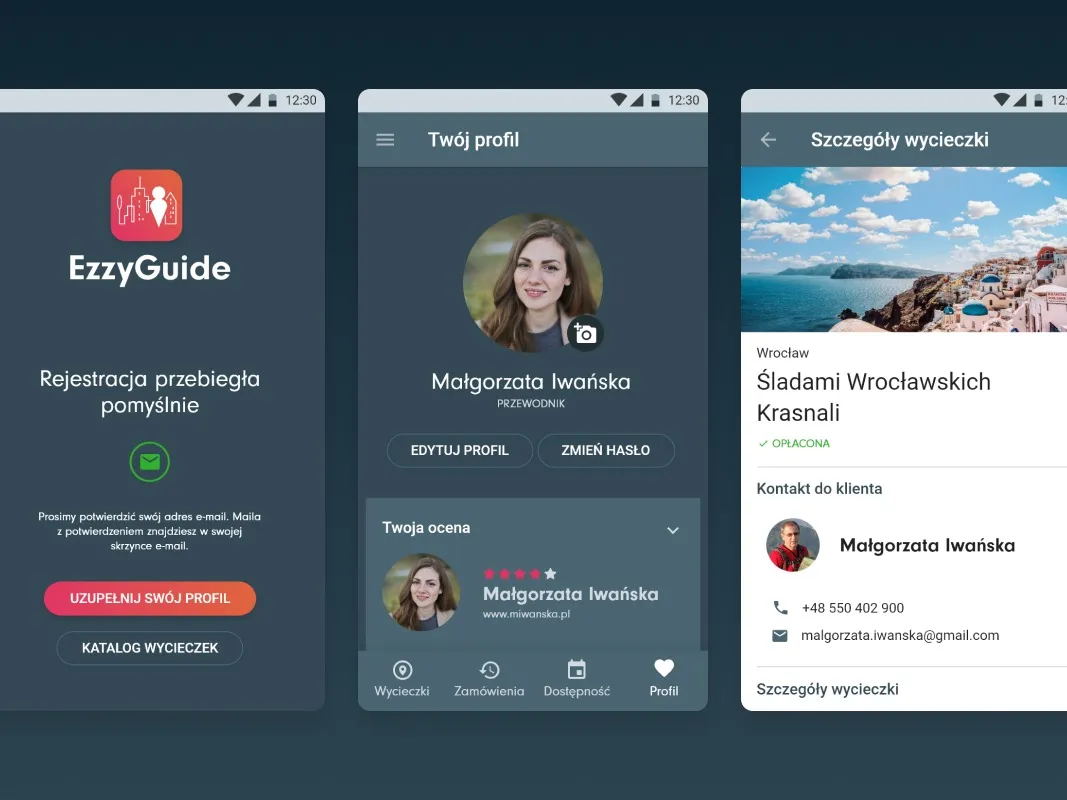
EzzyGuide - A tours app connecting guides with travellers
-
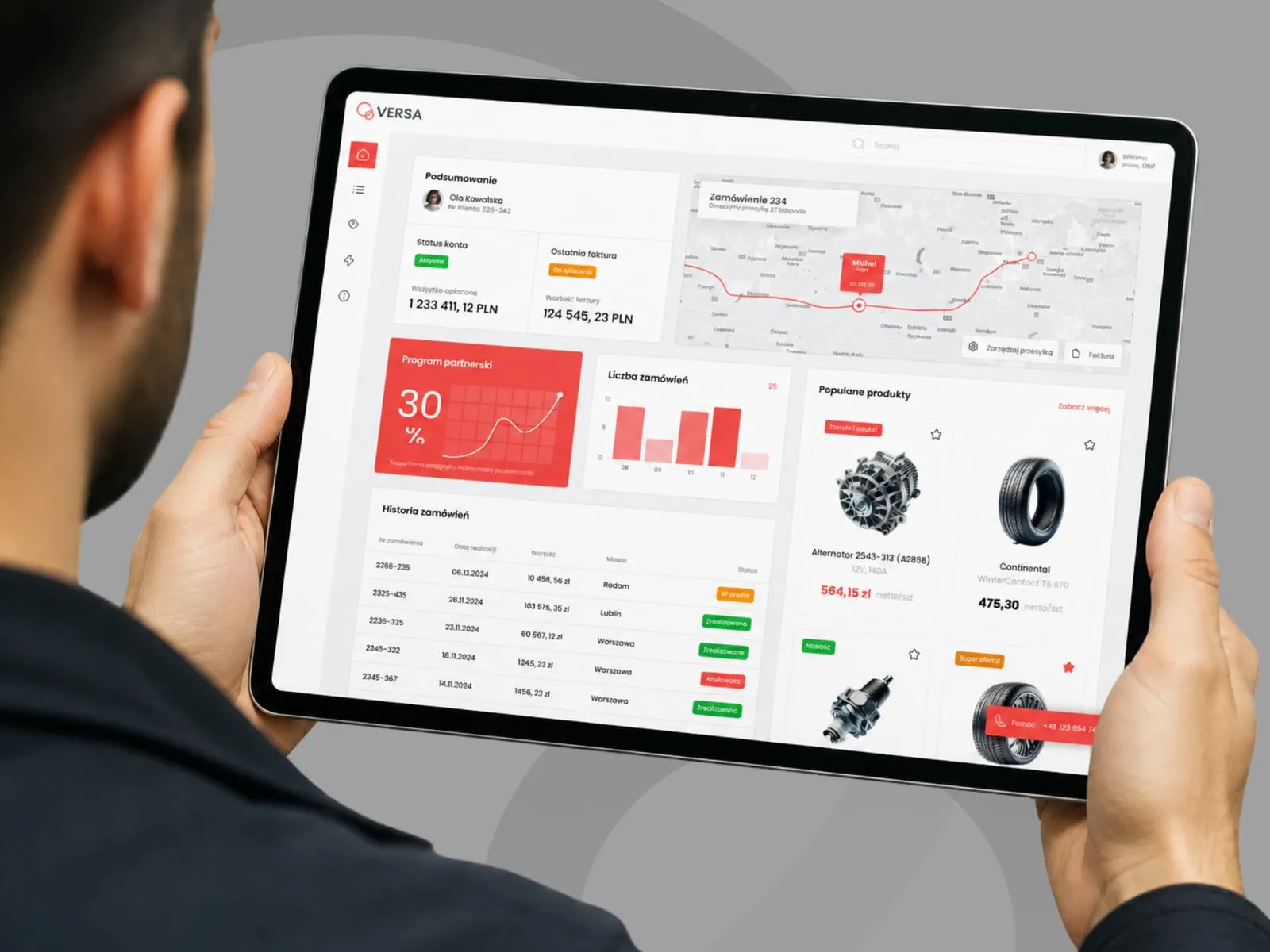
VERSA - B2B panel concept for a parts distributor
-
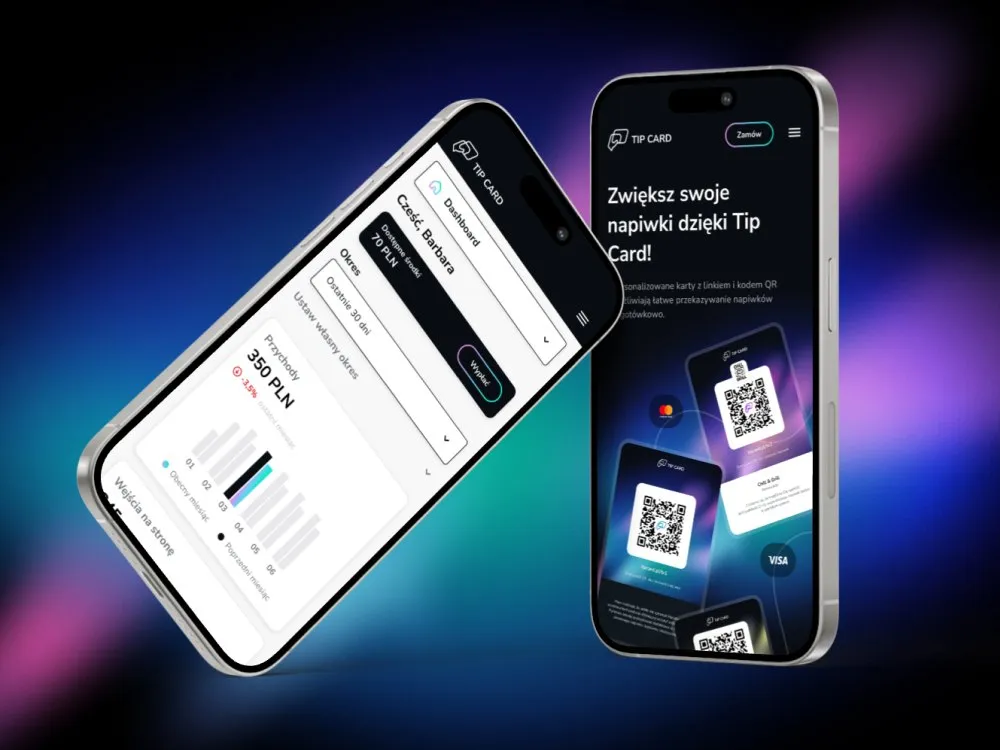
Tip Card - Cashless tipping platform
-
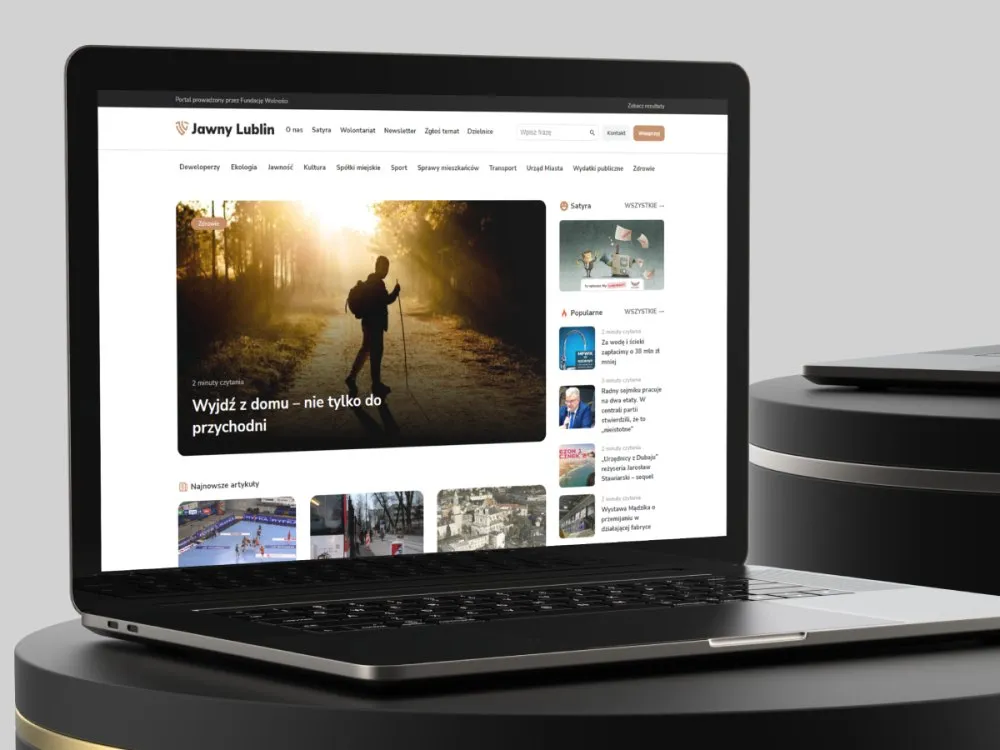
Jawny Lublin - A watchdog portal on city transparency
-
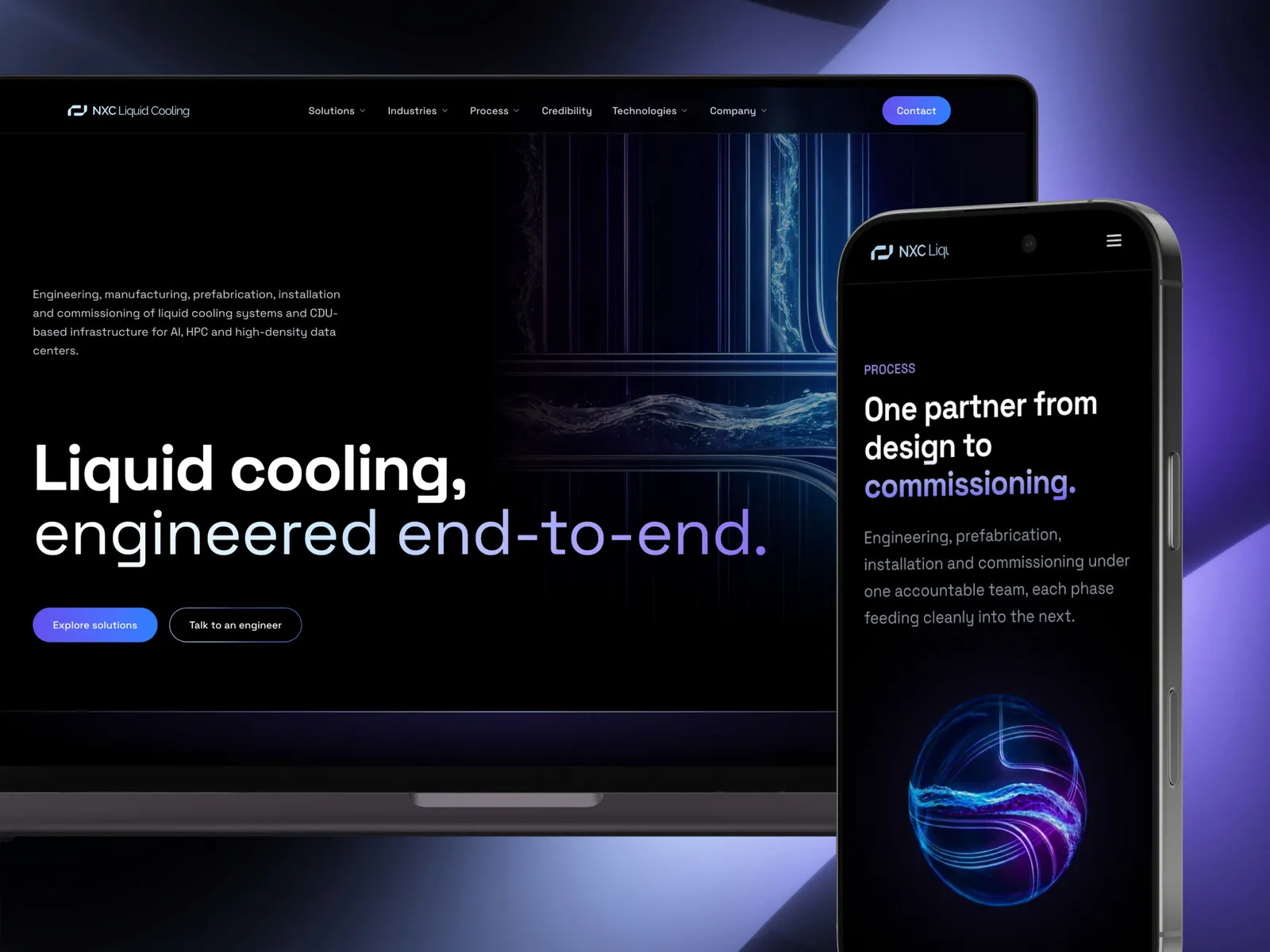
NXC Liquid Cooling - A liquid cooling systems website
-
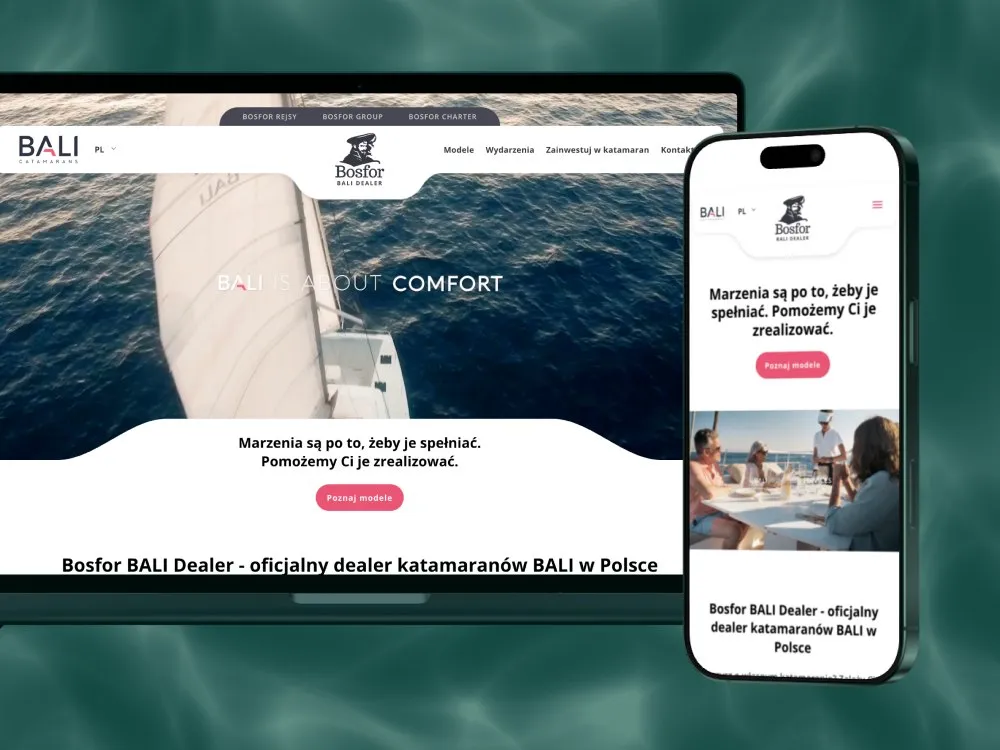
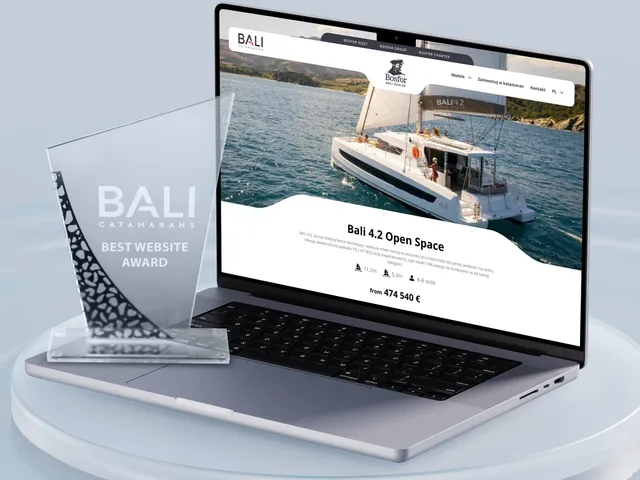
Bosfor BALI Dealer - Website for a BALI catamaran dealer
-
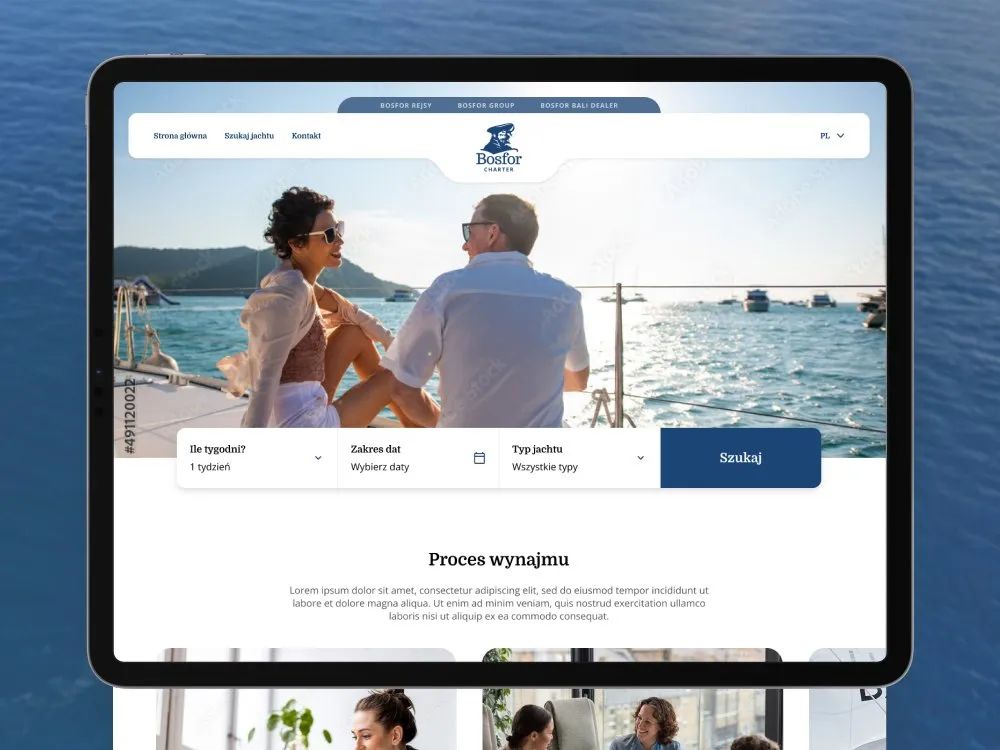
Bosfor Charter - Yacht charter platform with booking
-
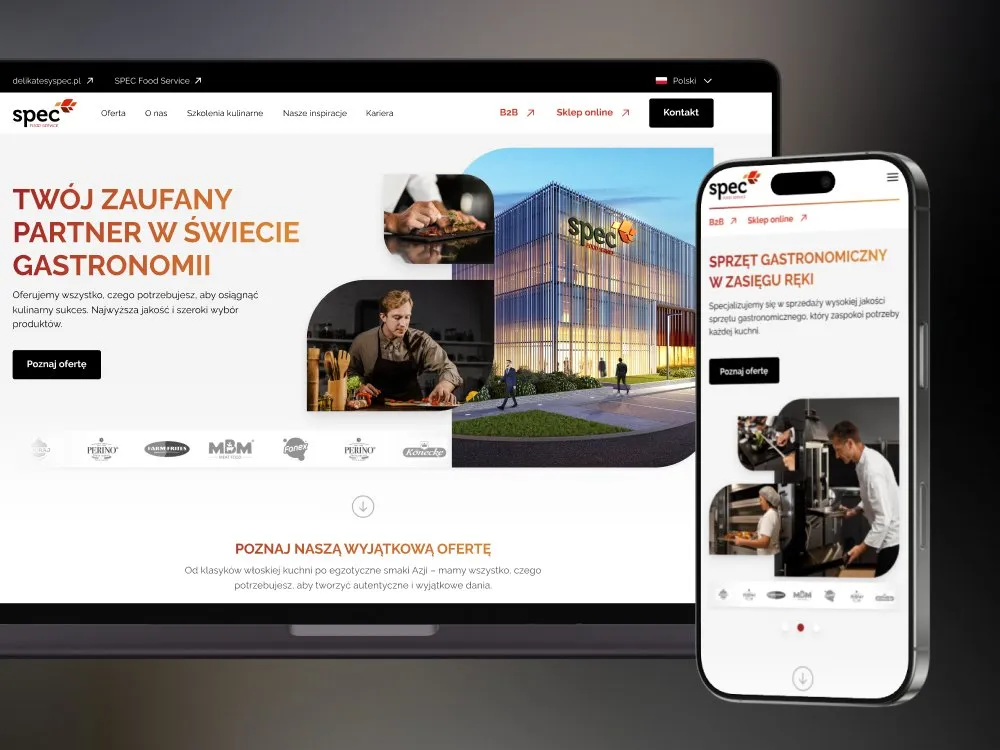
SPEC Food - Website for gastronomy - SPEC Food Service
-
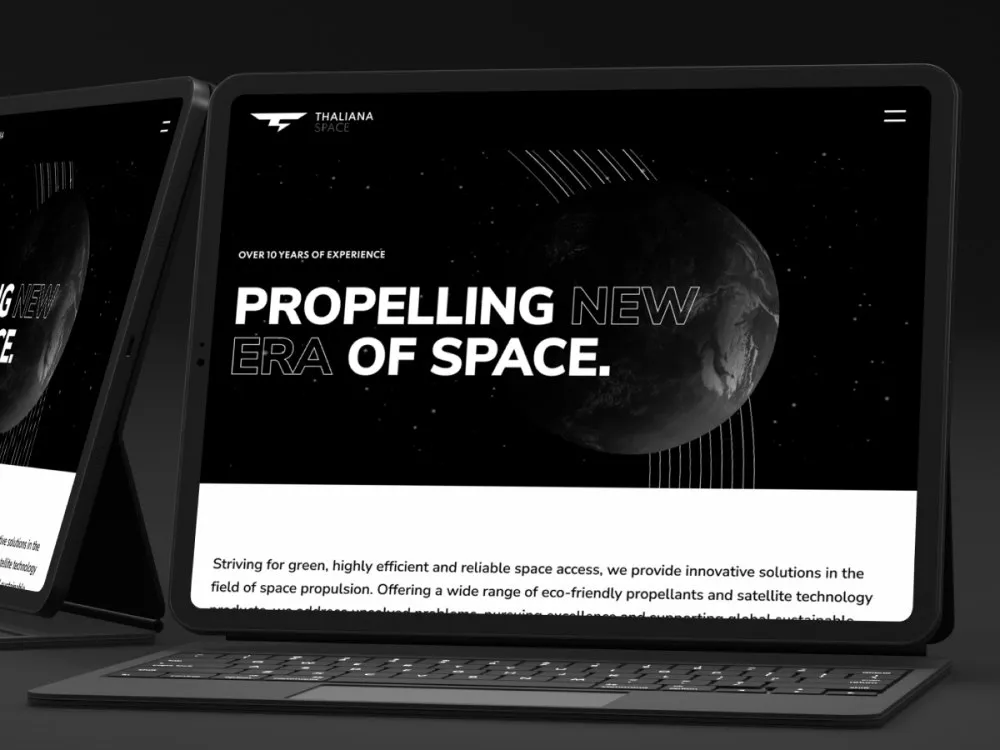
Thaliana Space - Website for a space-propulsion company
-
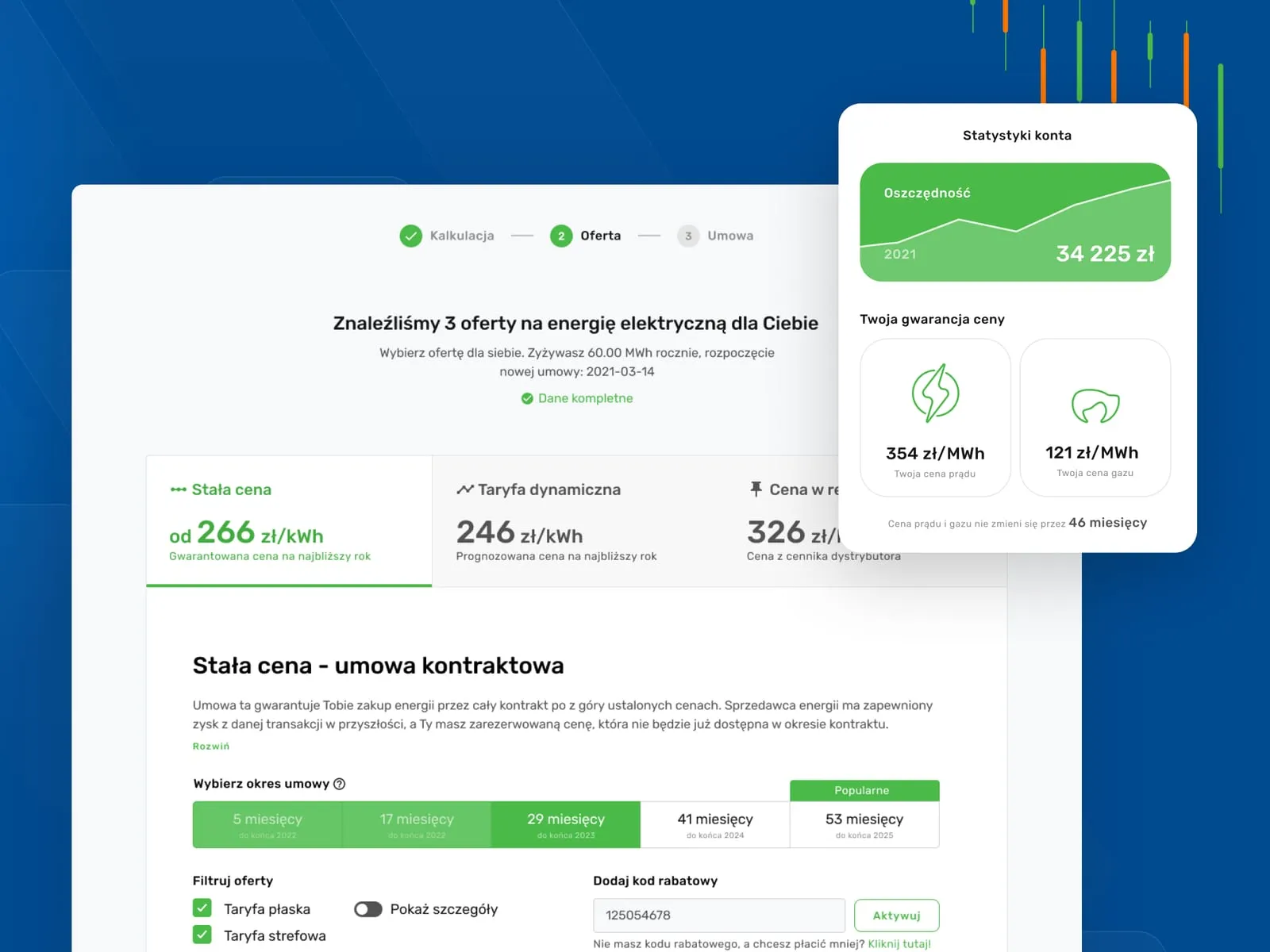
Wolumen - Energy and gas price comparison for businesses
-
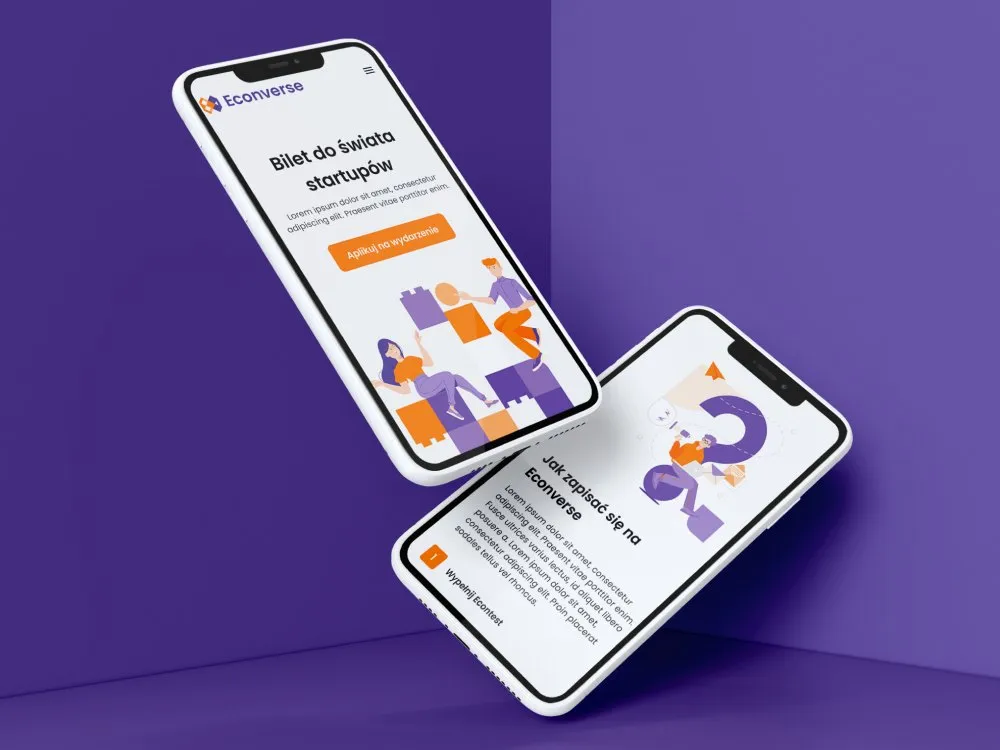
Econverse - Website for a start-up event
-
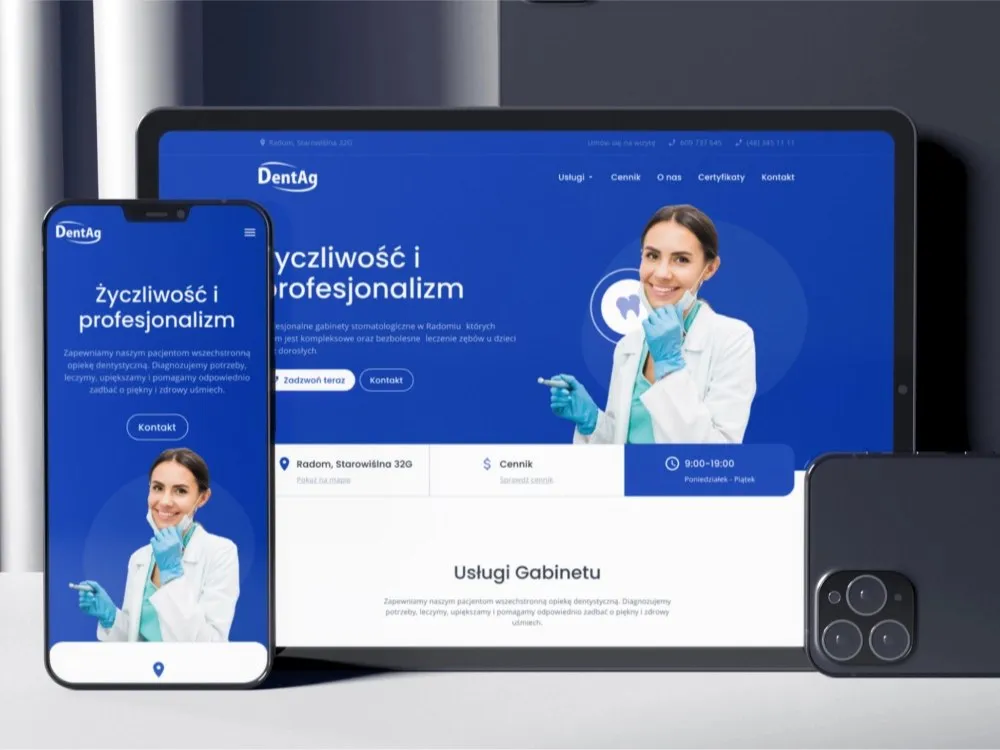
DentAg - Website for a dental clinic in Radom
-
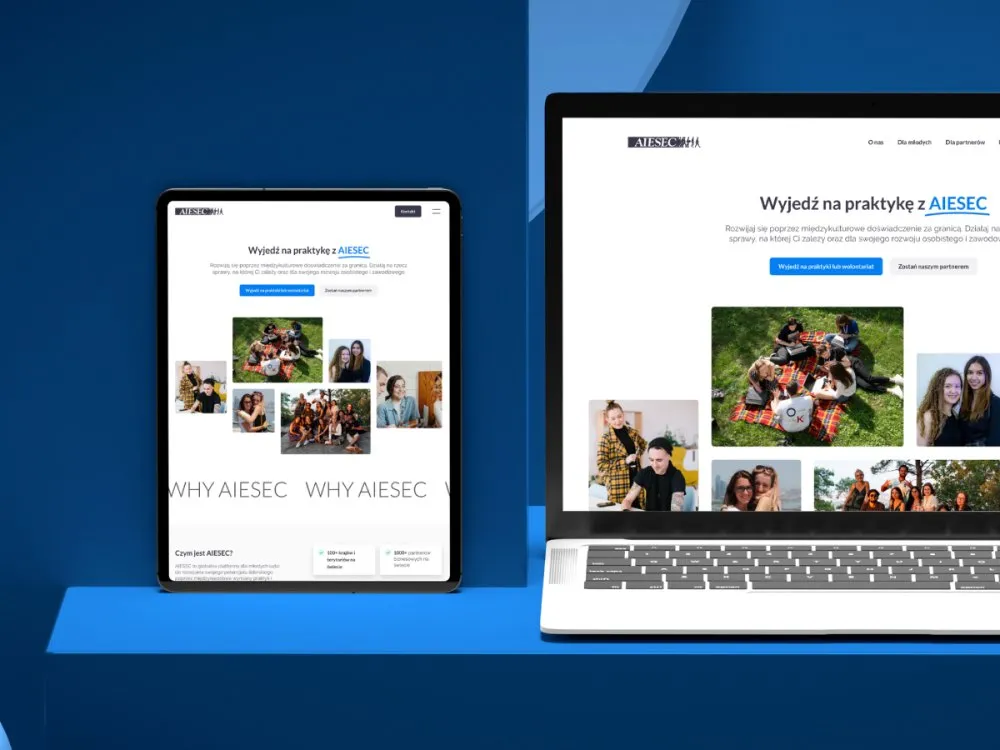
AIESEC - Website for internships and volunteering abroad
-
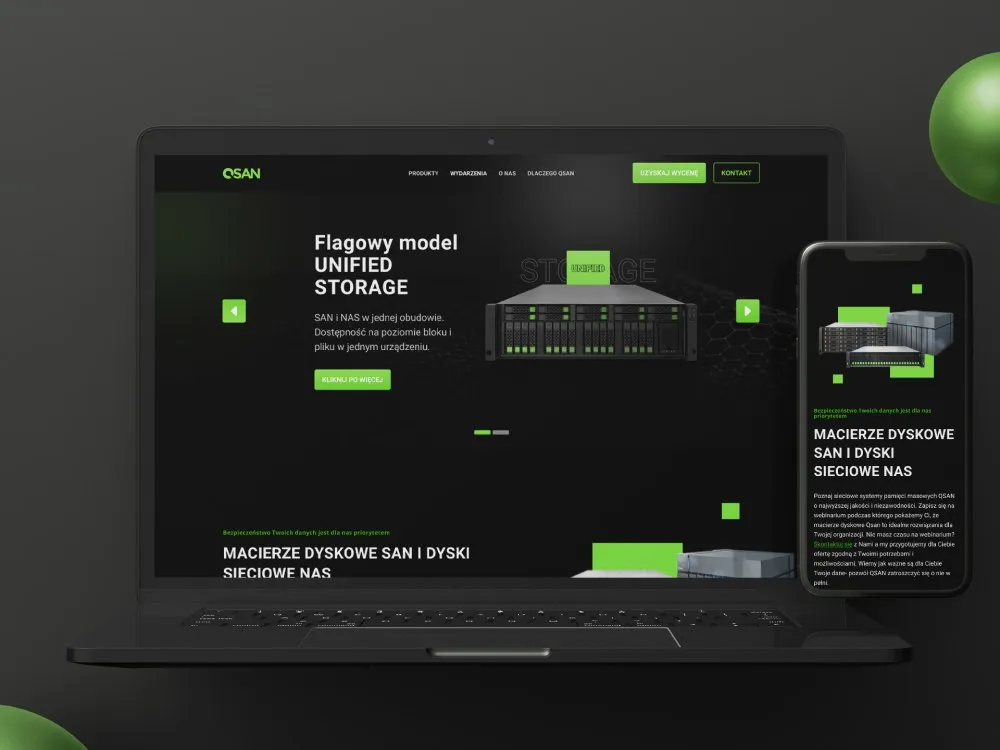
DAGMA - Product page for disk arrays and storage systems
-
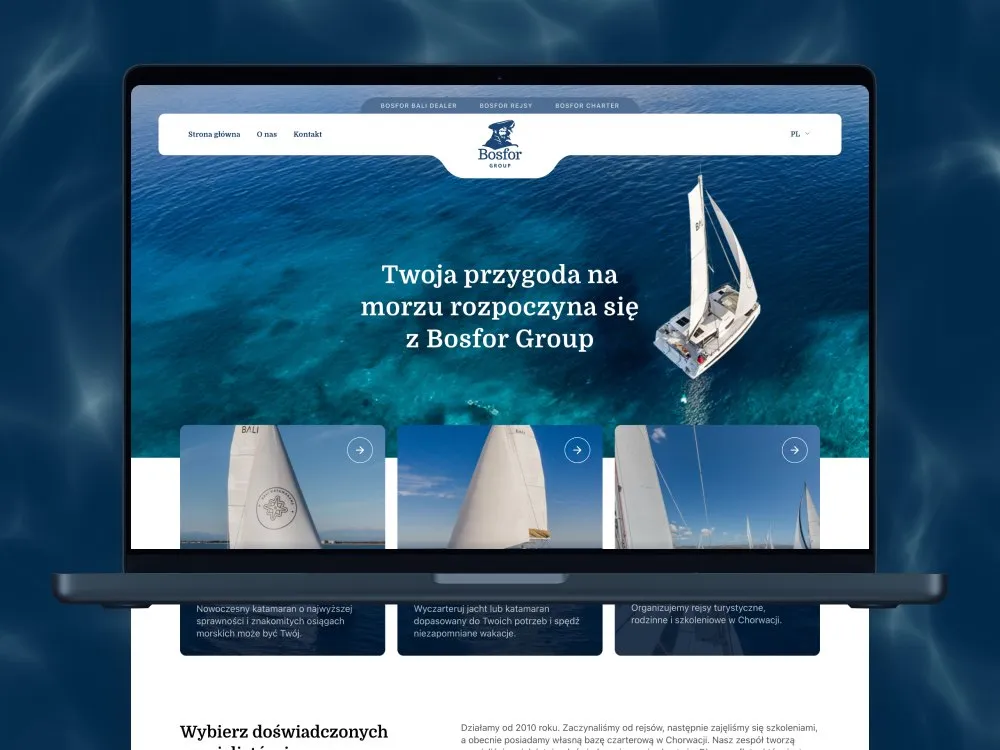
Bosfor Group - Website for the Bosfor sailing group
-
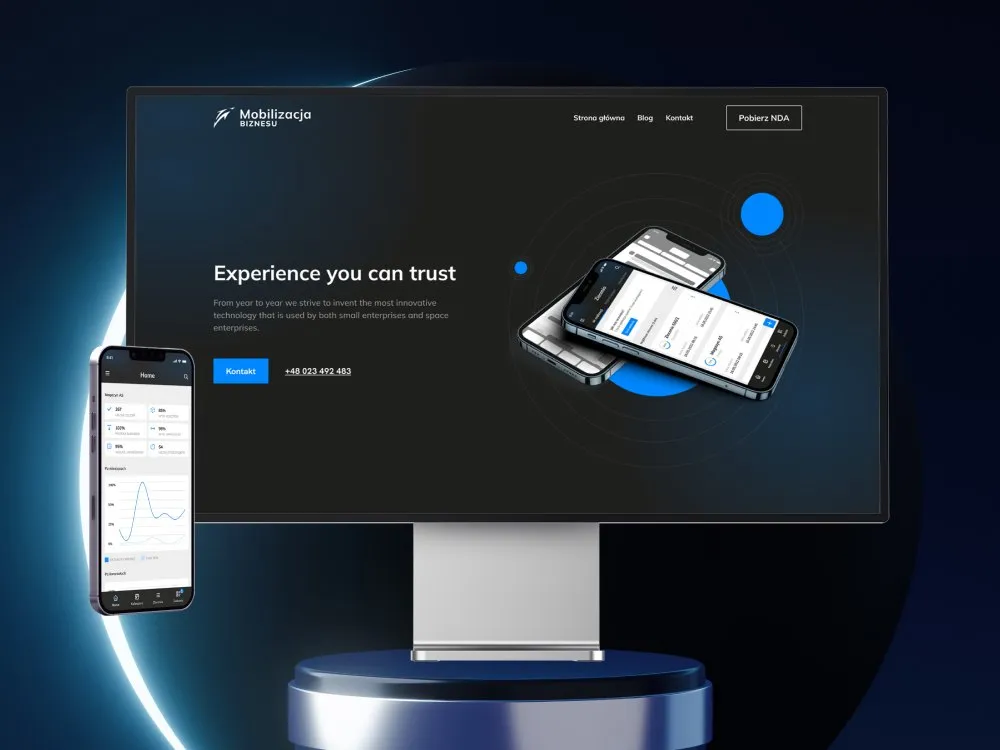
Mobilizacja Biznesu - Website for a mobile-tools firm
-
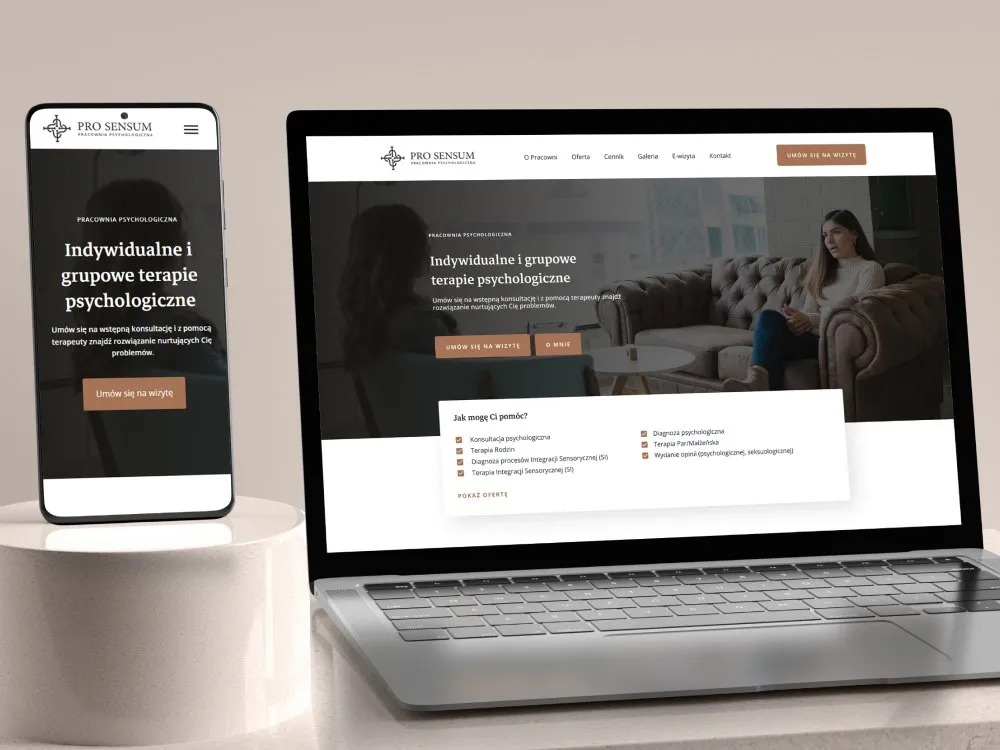
Pro Sensum - Website for a psychology practice
Outcomes
The scale and rhythm of this service
-
4–12 weeks
from the kick-off to the handover
-
6–25
screens in a typical scope
-
every week
a showing on the live version, with approval after each round
-
2–4 weeks
of support after handover - questions and small fixes
These numbers describe our own process and the scope of this service, not the results of anyone’s implementation. Projects run under confidentiality in a white-label model; the partner provides references on the quality of the work once an NDA is signed.
Client voices
What our clients say
-
„Working with the Wzór team was a genuinely great experience! They always answered our questions quickly and were flexible about our comments. They have no shortage of creative ideas and are at the same time thoroughly reliable and on time. The end result fully met our expectations; we recommend them to anyone looking for professionals who care.”
 Maja Wieloch-Silecka Operations Director, Bosfor Group
 -
„Our clients expect us to act fast and effectively across a very wide scope - from building a brand, through a website with a store, to running an effective sales campaign. Not an easy task, but doable when you have a tight-knit team and partners who take on challenges on the fly. For us, quality, accountability and commitment are key, and working with UX Agency Wzór gives us that 100%.”
 Piotr Alberski Chief Operating Officer, Agencja XO Media
 -
„Our cooperation with UX Agency Wzór started with our own website. We really liked the way they work, so we decided to subcontract projects for our clients to them on a White Label basis. We loved their workflow, the way they hand projects over to our team, their documentation and their work on the design system. Now we can take on bigger risks.”
 Mateusz Swół Chief Operating Officer, Sellace



The team
Three people, not a department
This service requires one person to understand discovery, the interface and what can realistically be built. That is why a small team runs it, rather than a chain of hand-offs between departments.
-

Aleksandra Bondar
Senior UX/UI Designer
-

Katarzyna Adamczuk
Prezes, Analityk Biznesowy
-

Patryk Korycki
CEO, Analityk Biznesowy
Time and scope
Scope and pricing
4–12 weeks
From the kick-off to the handover. We price the work after a short call; the proposal, together with a short video walking through the scope, arrives within five working days.
-
The number of screens and paths to design
-
The number of revision rounds during the weekly versions
-
The number of user groups the product is designed for
-
Whether a discovery workshop is needed before the full contract
-
The length of the support window after handover
-
The integrations that have to be represented in the demo build
FAQ
Questions that come up most often
Isn’t this just Figma, only in code?
No. It’s a design that works and clicks like a finished product right away, with real interactions and available under a link. After a regular Figma design, someone still has to rewrite it into working code - here that step is already done.
Aren’t tools like V0, Lovable or Bolt enough?
They’re great for a quick start, but they only get to about 70% of a prototype. The last 30% - login, error handling, performance, accessibility, consistency - needs an experienced designer and developer. With us you get the complete thing, production-ready, at the price of a regular design.
Is this “vibe coding”?
Close to that category, but that’s not what we call ourselves. Interactive design is led by an experienced UX/UI designer (workshops, business analysis, audits), supported by AI. Wzór is a UX agency with design DNA - not a software company.
Isn’t this just an MVP?
No. An MVP is a version of the product you launch for real users - with a real database, login and integrations. Interactive design is a prototype: it works and looks like the final product, but on sample data, without a real database.
What exactly is out of scope?
We don’t build the backend, the database, login or external integrations (payments, mailing, SSO). We don’t do native iOS/Android apps, automated tests, CI/CD or monitoring. An admin panel is in scope only if it’s part of the product being designed - and then also on sample data. The prototype is the layer the user sees; the “engine” underneath is only added by production development.
What if my product is meant to be built in something other than React?
We work exclusively in React (and Next.js, which is built on top of it). If your product is ultimately meant to be built in another technology (Vue, Angular, a native app), porting the prototype is handled by our partner EMBIQ as a separate service.
Is my data safe?
We never work on your real data - always on sample data. We secure the version under the link with a password we can change between stages. We sign a mutual NDA.
How much does it cost?
The price of each project is individual, set after a short call - it depends on the number of screens and paths, the revision rounds and the integrations that have to be represented in the demo build. Most projects in our offer land between 10,000 and 300,000 PLN net, and the largest rollouts run above that. If your budget is lower, we’ll tell you so directly on the call.
What do I get at the end?
A clickable product under a private link (with a password), ready code on your side, a consistent visual system with documentation, run instructions, a handover recording (1–2 hours), and 2–4 weeks of support after the finish.
Related services